
Before hurricane season or severe Gulf Coast weather, Toyota owners should check tires, battery, brakes, wipers, lights, fluids, A/C performance, cabin filter, charging ports, fuel level, and emergency supplies. Panama City Toyota recommends scheduling storm-season service before heavy rain, evacuation traffic, or power outages make vehicle problems harder to handle. For a Mexico Beach family preparing for evacuation routes, we recommend checking tire tread, battery health, brake feel, wiper performance, lights, coolant, washer fluid, and in-vehicle emergency supplies before severe weather enters the forecast.
Hurricane preparation is not only about filling the gas tank. Your Toyota may need to handle wet roads, sudden traffic, bridge routes, heat, humidity, debris, longer family drives, and stops where power or fuel availability may be limited. A weak battery, worn wipers, low tire tread, poor visibility, or a warning light can turn a stressful weather event into a bigger problem. We see storm prep as a practical service conversation, not a scare tactic.
This checklist explains what to inspect before severe weather, why September service matters in Panama City, how pre-storm and post-storm checks differ, and what families should keep inside the vehicle during hurricane season.
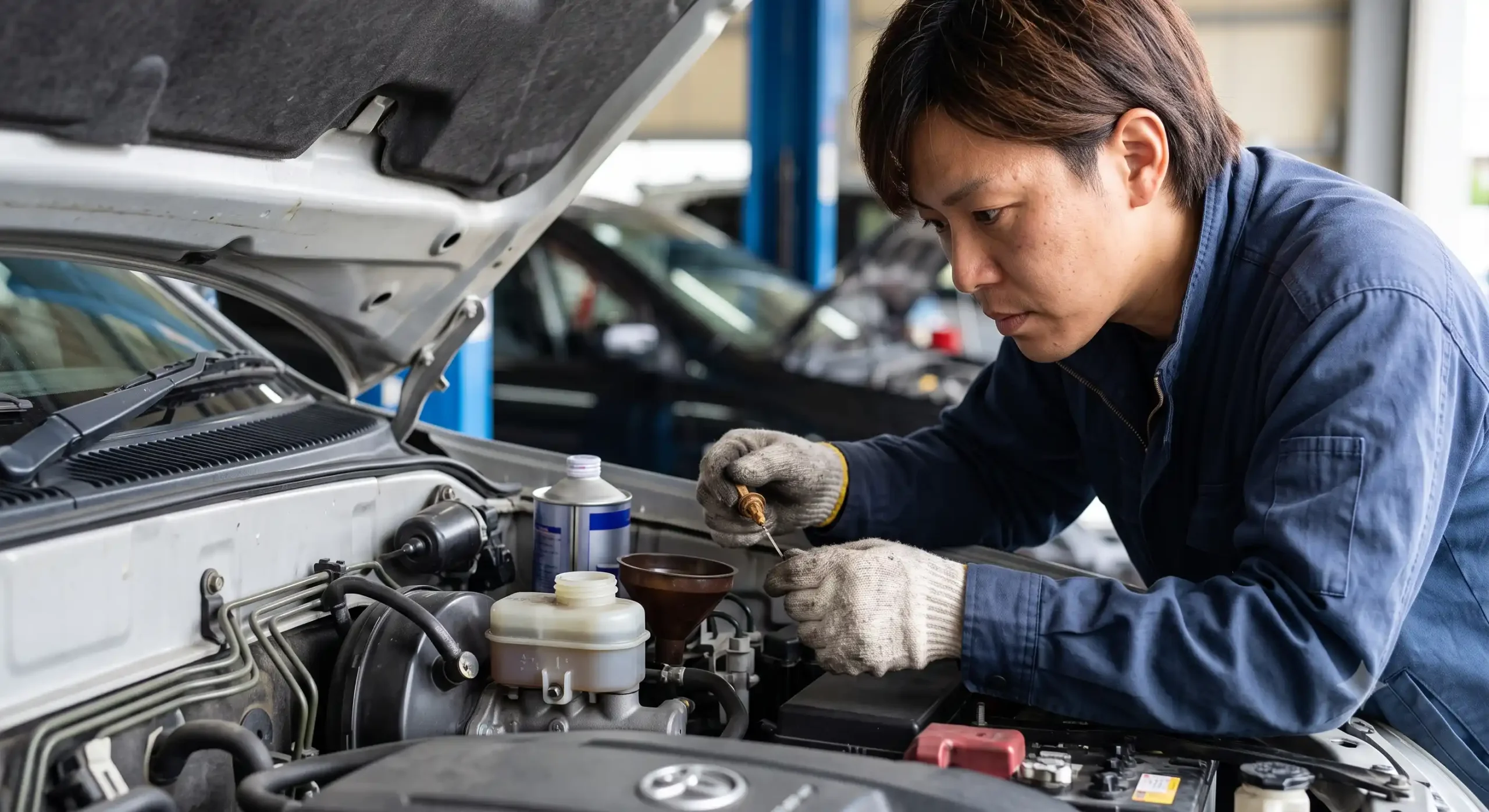
Toyota hurricane preparation service is a seasonal vehicle inspection focused on storm-readiness items such as tires, battery, brakes, wipers, fluids, lights, visibility, and emergency equipment. It is designed to help drivers prepare before severe weather. For Panama City-area drivers, it supports safer pre-storm and post-storm travel.
Toyota Hurricane Preparation Checklist
Battery, Tires, Brakes, Wipers, Lights, and Fluid Checks
The most important storm-season service items are the ones that affect whether your Toyota starts, stops, steers, cools, and stays visible in heavy rain. Our service team recommends checking the battery, tire tread, tire pressure, brakes, wiper blades, headlights, brake lights, turn signals, oil level, engine coolant, and windshield washer fluid before hurricane risk rises. These basics matter because severe weather often brings heat, traffic, wet pavement, low visibility, and unpredictable road conditions.
For a Panama City Beach commuter who drives through coastal rain and standing water, we recommend starting with tires, wipers, brakes, and lights. For a Youngstown work driver carrying tools before or after a storm, we recommend checking tire condition, cargo load, brakes, battery health, and underbody concerns. For a first-time Gulf Coast Toyota owner, we recommend using a checklist rather than guessing what storm preparation should include.
| Storm-Readiness Item | Why It Matters | What We Recommend Checking | Ideal Use Case |
|---|---|---|---|
| Battery | Heat, age, and repeated short trips can weaken starting confidence. | Battery test, terminals, age, and charging performance. | Callaway senior driver preparing before power outages. |
| Tires | Wet-road grip and evacuation confidence depend on tread and pressure. | Tread depth, tire pressure, sidewall damage, spare or repair kit. | Mexico Beach family planning longer travel. |
| Brakes | Heavy rain, traffic, and debris make predictable braking important. | Brake pads, rotors, fluid condition, pedal feel, warning lights. | Panama City Beach commuter. |
| Wipers and washer fluid | Visibility can change quickly during Gulf Coast rain. | Blade condition, streaking, washer fluid level, spray pattern. | Lynn Haven parent on school and errand routes. |
| Lights | Other drivers need to see your Toyota in rain and low light. | Headlights, brake lights, hazards, turn signals, reverse lights. | Bay County driver using bridge routes. |
| Fluids | Longer travel and heat make basic fluid condition more important. | Oil, coolant, brake fluid, washer fluid, and visible leaks. | Family preparing for evacuation or post-storm errands. |
| Ideal Use Case | Drivers preparing before watches, warnings, or heavy rain. | Complete service check before severe weather is close. | Panama City-area Toyota owner planning ahead. |
Based on Toyota official website.
- Ask for a battery test before severe weather is nearby.
- Check tire tread and pressure before long drives or evacuation routes.
- Replace worn wiper blades before heavy rain makes visibility worse.
- Confirm all exterior lights work before low-visibility travel.
A/C, Cabin Filter, Charging Ports, and Roadside Visibility
Storm-season service should also include the comfort and communication items people sometimes overlook. A/C performance matters because Gulf Coast humidity and summer heat can make the cabin uncomfortable during traffic, fuel stops, or family travel. The cabin air filter can affect airflow and odor. Charging ports matter because phones, tablets, maps, alerts, and family communication can become more important during severe weather.
For a Lynn Haven parent using a Sienna, Highlander, RAV4, or Camry for school errands and storm preparation, we recommend checking A/C output, windshield defogging, cabin filter condition, phone charging, and interior storage. For a Mexico Beach road-trip family, we recommend checking cabin comfort before long drives because humidity, heat, pets, children, and extra supplies can make small A/C issues feel much bigger.
Roadside visibility also includes items inside the vehicle. Keep a flashlight, reflective triangle or emergency marker, phone charger, power bank, and rain gear where you can reach them. If your Toyota has connected features, confirm the app and vehicle information before severe weather, but do not rely on any single connected tool as your only plan.
Emergency Kit Items to Keep in Your Vehicle
An emergency kit should match the people and pets riding with you. We recommend keeping water, shelf-stable snacks, a flashlight, batteries, phone chargers, a power bank, first-aid supplies, basic tools, jumper cables or a jump pack, tire gauge, rain poncho, paper map, wipes, towels, medications, pet supplies, and copies of important documents. Keep supplies organized so they do not roll around the cabin or block visibility.
For a Callaway senior driver, we recommend medication, paper contact numbers, a flashlight, and a charged phone backup. For a family with small children, we recommend snacks, water, wipes, comfort items, and extra charging cables. For a Youngstown work driver, we recommend gloves, a small tool kit, a tire gauge, and cargo tie-downs if the vehicle carries equipment.
Why September Service Matters in Panama City
Atlantic Hurricane Season Timing and Gulf Coast Readiness
The National Hurricane Center states that the Atlantic hurricane season officially runs from June 1 through November 30, with the peak of the season around September 10 and most activity occurring between mid-August and mid-October. For Panama City drivers, that timing makes September a practical month to schedule storm-season vehicle service. Waiting until a storm is close can mean fewer appointment times, longer lines, and more pressure to make decisions quickly.
For a Panama City Beach commuter, September service can help catch worn tires, weak wipers, or a tired battery before repeated heavy-rain commutes. For a Mexico Beach family thinking about evacuation routes, September is the time to confirm the vehicle can handle longer drives, heat, rain, and extra cargo. For a Lynn Haven parent, storm-season preparation can support daily family responsibilities even when weather is uncertain.
| Inspection Timing | Main Purpose | Common Checks | Driver Concern | Ideal Use Case |
|---|---|---|---|---|
| Pre-storm service | Prepare before severe weather affects roads and schedules. | Battery, tires, brakes, wipers, lights, fluids, A/C. | Can my Toyota handle rain, traffic, and longer drives? | Family preparing before a storm watch. |
| Post-storm inspection | Check for damage after debris, water, and road hazards. | Tires, underbody, brakes, lights, warning lights, odors. | Did the storm affect my vehicle? | Driver who went through standing water or debris. |
| Evacuation planning | Prepare for longer travel with passengers and supplies. | Tire pressure, fuel plan, A/C, fluids, charging ports. | Can my family travel safely and comfortably? | Mexico Beach road-trip or evacuation route. |
| Daily readiness | Keep the vehicle useful during uncertain weather weeks. | Battery, lights, wipers, washer fluid, emergency kit. | Can I handle errands, school, and work if weather changes? | Lynn Haven and Callaway daily drivers. |
| Worksite readiness | Prepare trucks and SUVs for cleanup or supply hauling. | Tires, brakes, underbody, lights, fluids, cargo security. | Can my truck carry tools and handle rough access? | Youngstown work driver. |
| Ideal Use Case | Choose service timing based on storm risk and vehicle use. | Pre-storm and post-storm checks as needed. | Stay ready before and after severe weather. | Panama City-area Toyota owner. |
Based on Toyota official website.
We recommend pre-storm service before watches and warnings create urgency. We recommend post-storm inspection if your Toyota drove through standing water, hit debris, developed a warning light, started making noise, smelled damp, or felt different while braking or steering. The right timing depends on what the vehicle experienced.
Schedule Storm-Season ServicePre-Storm vs Post-Storm Inspection Needs
Pre-storm inspection is about readiness. Post-storm inspection is about damage detection. Before a storm, we want to know whether your Toyota can start, stop, cool, stay visible, carry supplies, and travel safely. After a storm, we want to know whether water, debris, potholes, branches, sand, or hidden road hazards affected the vehicle.
For a Panama City Beach driver who went through standing water, we recommend checking brakes, underbody components, tires, lights, odors, and warning lights. For a Youngstown work driver using a Tacoma or Tundra after a storm, we recommend checking tire damage, bed load security, lights, fluids, and underbody concerns before repeated cleanup trips.
Schedule Toyota Service Before Severe Weather Gets Close
If your Toyota is due for maintenance or you are unsure whether it is storm-ready, we recommend scheduling service before severe weather appears in the immediate forecast. Our service team can check tires, battery, brakes, wipers, lights, fluids, A/C performance, cabin filter, and related items that matter during hurricane season. We serve drivers from Panama City, Panama City Beach, Callaway, Lynn Haven, Youngstown, Mexico Beach, and nearby Gulf Coast communities. You can schedule service online at panamacitytoyota.com/schedule-service or call us at 850-769-3377. Planning early gives our team more time to inspect the vehicle and gives your family more time to prepare.
Book Hurricane Prep ServiceSchedule Storm-Season Service Before Severe Weather
What to Ask the Toyota Service Team to Inspect
When you schedule storm-season service, we recommend asking for a practical checklist rather than one isolated item. Ask our technicians to check battery health, tire tread, tire pressure, brakes, exterior lights, wiper blades, washer fluid, oil level, engine coolant, A/C performance, cabin filter, key fob battery, charging ports, and visible leaks. If your Toyota has a spare tire or repair kit, ask about that too.
For a first-time Gulf Coast Toyota owner, we recommend writing down any changes you have noticed, such as slow starts, squeaking wipers, dim lights, tire pressure warnings, vibration, brake noise, weak A/C, musty odor, or phone charging issues. Those details help our team inspect the right areas quickly.
| Local Driver | Storm-Season Concern | Service Priority | Why It Matters |
|---|---|---|---|
| Mexico Beach family | Longer travel, supplies, pets, children, and evacuation routes. | Tires, battery, fluids, A/C, emergency kit. | Supports family travel before severe weather. |
| Panama City Beach commuter | Coastal rain, standing water, and low visibility. | Wipers, lights, brakes, tires. | Improves confidence in rain and traffic. |
| Lynn Haven parent | School runs, errands, and family schedule changes. | A/C, cabin filter, charging ports, wipers, supplies. | Keeps the family vehicle ready for daily needs. |
| Callaway senior driver | Heavy rain, power outages, and route changes. | Battery, lights, key fob, emergency kit. | Supports simple and predictable travel. |
| Youngstown work driver | Tools, post-storm cleanup, and rough access roads. | Tires, brakes, underbody, lights, fluids. | Helps keep work vehicles ready after weather. |
| Ideal Use Case | Any Toyota owner preparing before heavy storm activity. | Full storm-readiness inspection. | Best completed before severe weather is close. |
For Panama City-area drivers, the best service checklist is the one that matches the vehicle and the route. We recommend focusing on tires, battery, brakes, wipers, lights, fluids, A/C, charging, and supplies before hurricane risk increases. That gives you a better chance of finding small issues while there is still time to address them.
How to Prepare for Evacuation Routes, Fuel Stops, and Family Travel
Evacuation planning can place a vehicle under different stress than a normal commute. Your Toyota may carry more people, pets, luggage, water, medication, fuel stops, and emergency supplies than usual. We recommend checking tire pressure after loading cargo, keeping the fuel level higher during active storm weeks, packing charging cables, and planning more than one route before weather conditions change.
For a Mexico Beach family, route planning should include fuel stops, pet needs, medication timing, paper documents, and a backup charger. For a Panama City Beach driver who may cross bridge routes or move inland, we recommend checking lights, wipers, tires, and washer fluid before road conditions become crowded. For a Callaway senior driver, we recommend keeping printed phone numbers and route notes in the vehicle.
Ask Us to Match Service to Your Storm Plan
We are located at 959 West 15th Street, Panama City, FL 32401, and we can help Toyota owners prepare based on how they actually plan to drive during hurricane season. If you are staying local, commuting around Bay County, helping family, carrying tools, or preparing for evacuation routes, tell our service team so we can focus the inspection on your real needs. We can also talk through ToyotaCare on eligible vehicles, Toyota Service Care options, and Panama City Toyota Lifetime Powertrain Warranty eligibility on qualifying vehicles. Visit our Toyota service center online or call 850-769-3377 before severe weather is close. We recommend scheduling early so there is time to inspect, advise, and plan your next step.
Check Service SpecialsPre-Storm vs Post-Storm Vehicle Care: What Changes?
Before a storm, our focus is readiness. We check battery, tires, brakes, wipers, lights, fluids, A/C, cabin filter, charging, and emergency supplies because those items support travel before weather conditions worsen. After a storm, our focus shifts to what the vehicle experienced. Standing water, branches, nails, potholes, sand, salt air, and debris can create new concerns even if the vehicle felt fine before the storm.
For a Youngstown work driver using a Tacoma or Tundra after severe weather, we recommend watching for tire punctures, brake noise, pulling, vibration, fluid leaks, and underbody damage. For a Panama City Beach driver after coastal flooding or debris, we recommend checking lights, odors, brakes, tires, and warning lights before returning to normal routines.
We do not recommend ignoring small changes after a storm. A damp odor, new vibration, warning light, rubbing noise, or soft brake feel should be inspected. Storm recovery is tiring enough without preventable vehicle problems.
Ask Our Service TeamEmergency Kit and Family Travel Checklist for Toyota Owners
Family travel during hurricane season requires more than basic supplies. We recommend building a kit that matches your passengers and your route. A family with children may need snacks, water, wipes, comfort items, chargers, medication, and entertainment. A driver with pets may need water bowls, leash, food, waste bags, and vaccination records. An older adult may need medication lists, printed phone numbers, and easy-access lighting.
- If you travel with children, we recommend water, snacks, wipes, medication, chargers, and comfort items.
- If you travel with pets, we recommend pet food, water, leash, waste bags, and records.
- If you help older relatives, we recommend printed contacts, medications, route notes, and a flashlight.
- If you drive a truck or SUV for work, we recommend gloves, tie-downs, flashlight, first-aid kit, and tire gauge.
For a Lynn Haven parent, the emergency kit should stay reachable without blocking rear visibility or child-seat access. For a Mexico Beach family, the kit should support a longer drive and possible fuel delays. For a Callaway senior driver, the kit should keep essential items simple, visible, and easy to reach.
- Keep phone chargers and a power bank in the vehicle.
- Store a paper map or printed route notes as a backup.
- Keep water, shelf-stable snacks, and first-aid supplies sealed and organized.
- Check the kit before each hurricane season and replace expired items.
Key Takeaways
- Schedule storm-season service before severe weather creates last-minute pressure.
- Check tires, battery, brakes, wipers, lights, fluids, A/C, and charging ports.
- September matters because Atlantic hurricane activity peaks near early September.
- Post-storm inspections should look for water, debris, tire, brake, and underbody concerns.
- Families should prepare emergency supplies around passengers, pets, medication, and route plans.
FAQ: Toyota Hurricane Preparation Service
What should I check on my Toyota before a hurricane?
Before a hurricane, we recommend checking your Toyota’s battery, tire tread, tire pressure, brakes, wipers, headlights, brake lights, turn signals, oil level, coolant, washer fluid, A/C performance, cabin filter, charging ports, and emergency supplies. For Panama City-area drivers, we also recommend confirming your fuel plan, route plan, phone chargers, and family supplies before severe weather is close.
When should I schedule storm-season vehicle service?
We recommend scheduling storm-season vehicle service before a storm is in the immediate forecast, especially during peak hurricane activity from mid-August through mid-October. September is a smart time for Panama City drivers because service availability can become more limited when severe weather is close. Early service gives our technicians time to inspect and advise before the situation becomes urgent.
Can Panama City Toyota inspect my vehicle after a storm?
We can inspect your Toyota after a storm if you drove through standing water, hit debris, noticed a warning light, heard a new noise, smelled moisture, felt vibration, or experienced brake or steering changes. We recommend post-storm inspection for tires, brakes, lights, underbody areas, fluids, odors, and visible damage. Do not wait if the vehicle feels different.
What should I keep in my vehicle during hurricane season?
We recommend keeping water, snacks, phone chargers, a power bank, flashlight, batteries, first-aid supplies, rain gear, paper map, printed phone numbers, medications, pet supplies when needed, and basic roadside items in your Toyota during hurricane season. For families, we also recommend wipes, comfort items, extra charging cables, and supplies packed safely so they do not block visibility.
If you are preparing your Toyota for hurricane season in Panama City, we are ready to help you check the items that matter before severe weather arrives. Visit us at 959 West 15th Street, Panama City, FL 32401, and our service team can inspect tires, battery, brakes, wipers, lights, fluids, A/C, cabin filter, and storm-readiness concerns. We serve drivers from Panama City, Panama City Beach, Callaway, Lynn Haven, Youngstown, Mexico Beach, and nearby Gulf Coast communities. Ask us about ToyotaCare, Toyota Service Care options, and service specials when scheduling. Call 850-769-3377 or schedule service online before storm prep becomes urgent.
Schedule Toyota Service

