
How To Test Drive A Used Car?
For many people, the test drive is the most intimidating aspect of buying a pre-owned car. It’s understandable if you feel nervous about passing judgment on a car. However, you don’t need to be an automotive expert to determine if a car is worth its price. Once you know why you need to test drive a used car and what to look for while you’re taking it out for a spin, you’ll feel more comfortable and confident about the process. Check out this comprehensive guide on how to test drive a used car.
Why It’s Important To Test Drive A Used Car

Image via Flickr by RichardBH
A pre-owned car may look nice and shiny in photos, but these photos likely won’t show whether it has any underlying problems. Many used cars with damage history are primped up before they’re offered up for sale so that they can attract more buyers. This is why test driving a car is the best way to make sure it’s in good working condition. It’s important to note that most pre-owned cars are sold as-is, meaning you can’t return it to the seller if any problems occur after the sale. Therefore, you have to be especially careful when buying a used car on a budget.
Test driving allows you to know many things about a pre-owned car. You can see if the car displays any abnormal behavior such as rough starting, unusual engine noise, or excessive vibration, which may indicate deeper underlying issues. Additionally, test driving a used car enables you to experience how it feels on the road and determine whether it’s a good fit for you.
What You Should Do Before A Test Drive
Before you begin your test drive, you should carefully check the used car’s vehicle history report. If you find out that the car was involved in a bad accident or its title has been labeled “salvage,” you may either want to look for a different car or prepare some in-depth questions about the vehicle’s history for the seller.
If the car doesn’t have an accident history, you can proceed to visually inspect it. Take the time to look for signs of damage on the outside of the car, such as dents, scuffs, dings, discoloration, and worn or damaged parts. Then, open every door to see if they work properly. Check for loose hinges, frame damage, ripped moldings, and faulty locking mechanisms.
Next, sit in the driver’s seat and inspect all the buttons, switches, and features. Adjust the seat and mirrors and test every button and switch, including the headlights, turn signals, windshield wipers, radio, and power windows. Make sure everything is working properly. Before you start driving the car, open the windows and turn the steering wheel fully in both directions. You shouldn’t hear any unusual sound or feel like you need to use excessive strength to turn it.
How To Test Drive A Used Car
If you’re given the opportunity to drive on your own, take it. It may help you get a better feel of the car and its capabilities if you can focus while you’re alone. If you’re going out unaccompanied, make sure you set a return time and try not to be late. Usually, a test drive takes no more than 20 minutes. However, you may want to have the car for up to an hour so that you can test it in a variety of situations.
If you’re unfamiliar with the area, you can ask the seller to suggest a test-drive route. The route should include a mix of roads that enable you to drive at different speeds and feel how the car rides on different surfaces. A dealership usually has a preplanned route for test drives, but you can ask the salesperson if you’re allowed to deviate from the route. If possible, you should test drive the car in such a way that it simulates your everyday driving environment.
When you’re driving the car, use all your senses to determine what kind of shape it’s in. Pay attention to how the car sounds when it’s accelerating, turning, and braking and listen for strange noises coming from the transmission during acceleration and deceleration. In addition, be wary of whistling sounds from the windows, and ensure that they’re silent instead.
It’s important to note that things you feel in the seat often have something to do with the car’s rear end, while things you feel on the steering wheel usually come from the steering, engine, front suspension, brakes, or tires. Make sure the brakes are working smoothly and the brake pedal doesn’t go to the floor or vibrate. Place your hands loosely on the steering wheel and see if the car pulls to the right or left during braking. It should slow down and stop in a straight line or move very slightly to the right.
During your test drive, you should spend some time driving in a crowded parking lot. Practice parking a few times to find out how the car maneuvers in tight spaces and handles at a low speed. If you’re close to your home, you may want to see if the car fits nicely in your garage. Additionally, you should drive the car over bumps or other uneven surfaces to test its suspension. Listen for rattles in the cabin and strange sounds from the suspension.
What To Do After A Test Drive
If you’re satisfied with your test drive, ask the seller if you can get a professional mechanic to inspect the car. A good mechanic can find problems that you may overlook or weren’t included in the vehicle history report. Any issues you identify through the test drive or professional inspection don’t necessarily indicate that the car isn’t worth buying, especially if they’re only minor problems. If any issues are found, make sure to get a professional opinion on what they mean and how they can be fixed.
When it comes to buying a used car, it’s especially important to properly inspect and test drive any vehicle you’re considering. By following this test-driving guide and arranging for a pre-purchase inspection, you’ll significantly increase your chances of nabbing a great deal on a used car. If you’re interested in getting a preowned certified Toyota vehicle, you can schedule a test drive with Kings Toyota online.
Buying New Vs. Used Cars – Should I Buy New Or Used?
When you’re buying a car, you’ll likely find yourself deciding to choose something new or used. Both new and pre-owned cars have their pros and cons, which you need to carefully weigh to make the right decision. Follow this comprehensive guide to determine whether a new or used car is more suitable for you.
Pros Of Buying A New Car
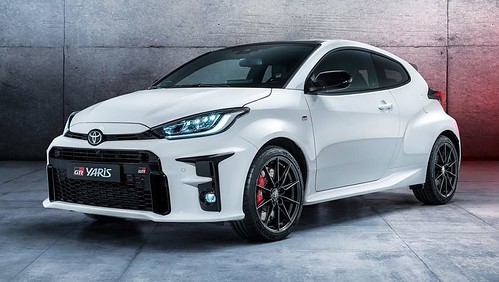
Image via Flickr by www.wbayer.com
Getting a brand new car offers many benefits, including:
- Greater peace of mind: A new car has no history. You don’t have to worry about whether it’s been poorly maintained or damaged in an accident. Since the car is factory-fresh, you also won’t be exposed to any risk if you prefer online car buying.
- Minimal hassle: Purchasing a new car is easy because you don’t need to research its history and get a pre-purchase inspection. In addition, it’s usually easier to get the specific make and model you want. If your dealer doesn’t have your desired model, they can swap with another dealer or order it from the factory.
- Easier and cheaper financing: If you buy a new car, your lender will consider you a lower-risk borrower because they know the exact value of your collateral, which is your car. Besides being more willing to offer you an auto loan, they’re also likely to give a better interest rate.
- Latest technology: A new car comes with the latest technologies from its manufacturer. These technologies result in enhanced performance, comfort and convenience, connectivity, and safety.
- Better fuel efficiency: The latest cars are inherently more fuel-efficient than older cars, because they’re equipped with a variety of fuel-saving features. Examples of such features include lightweight bodies, high-tech turbocharged four or six-cylinder engines, and continuously variable transmissions.
Cons Of Buying A New Car
There are a few reasons purchasing a new car may not be the right option for you, including:
- Higher price: A new car is significantly more expensive than a used car. For instance, a new 2020 Toyota Corolla LE starts at a little more than $20,000, while a preowned certified 2017 Toyota Corolla LE may cost about $14,000.
- Depreciation: A new car loses value the moment you drive it off the dealership lot. It experiences its biggest depreciation in its first three years, which means you may lose thousands of dollars that you won’t be able to get back.
- Higher sales tax: In most states, you’re required to pay tax on the entire price when you purchase a new car. If you buy a used car, you’ll pay much less in taxes because of the lower transaction price.
- Costlier insurance: Generally, a new car is costlier to insure than a used car, especially if you need more types of coverage. For instance, you may skip comprehensive or collision coverage if you’re insuring a used car, but you probably won’t be able to do so if you’re getting a new car.
- Higher repair costs: Once the warranty on your new car expires, you have to be prepared to pay high repair costs if anything goes wrong. This is because the advanced technology in new cars makes them more difficult and expensive to repair.
Pros Of Buying A Used Car

Image via Flickr by crash71100
A used car may be worth your consideration because it offers many benefits over a new car, including:
- Lower overall cost: A used car not only comes with a much more palatable price, but it can also help you save money on insurance and taxes. Also, you’ll probably pay a lower amount of interest over the duration of your auto loan, because the price of the car is lower.
- Less depreciation: As mentioned earlier, a new car loses a lot of value in its first few years. If you buy a used car, you’re actually letting the first owner absorb the big depreciation hit. As a result, you’ll get a significantly lower-priced car that will experience slower depreciation as it ages.
- Greater financial risk: If your car is declared a total loss or stolen, you may find yourself being underwater on your auto loan, which means you owe more than the value of your car. This won’t be such a big problem if you have a used car, because you’ll likely have a much smaller loan to pay off.
- Ability to buy a better car: Since used cars are so much more affordable than new cars, you may be able to buy a better car than you can otherwise afford. This means you can get a roomy Toyota Camry instead of a compact Toyota Corolla.
- Knowledge of problems to avoid: After being on the road for several years, a car will have a reliability record. By reading used car reviews or discussions on owners’ forums, you can avoid less reliable models that commonly experience certain problems, such as transmission failures and faulty features.
Cons Of Buying A Used Car
Getting a used car has its advantages, but it may not be a good option for everybody. There are several downsides to buying a preowned car, including:
- Risk of buying a lemon: When you buy a used car, you’re also buying all the issues the previous owner didn’t want to deal with. Although you can thoroughly check a car’s history and arrange for a pre-purchase inspection, you can’t completely eliminate the risk of buying a lemon.
- As-is sale: With some exceptions such as certified pre-owned vehicles, all used cars are sold as-is. This means you aren’t allowed to return a used car the moment you drive it away from the dealership lot or private seller. This rule applies even if the car breaks down the next day.
- Limited choices: When you’re buying a used car, you may not be able to find the exact car you want. Usually, you’ll have to compromise a little on the condition, mileage, trim level, or color you’re willing to accept.
- No warranty coverage: Used cars that are sold as-is don’t have warranty coverage. If you decide to get a used car, you have to be prepared to buy an extended warranty or pay for any repairs out of your own pocket.
- More expensive financing: In general, preowned cars require costlier financing. Lenders tend to charge higher interest rates for used car loans to compensate for the extra risk involved, which results from the uncertain values of used cars.
If you’re interested in getting a new or preowned certified Toyota vehicle, feel free to schedule a test drive with Panama City Toyota.
How To Negotiate A Car Price Online?
Getting behind the wheel of a new or pre-owned car is an exciting experience. But most buyers don’t want to overpay for this purchase, so they may engage in negotiation tactics to get the price down from its starting point. Negotiation isn’t usually a very enjoyable experience, and it oftentimes puts people outside their comfort zone. Follow this guide to learn more about easier ways to negotiate a car price, even if you’re not in person at the dealership.
Benefits Of Negotiation
Learning the art of negotiation can benefit you in many areas of your life. In the business world, negotiation is an essential skill, as it allows people to potentially earn higher wages and pay lower prices for goods and services. However, it’s also a process that can cause many people to feel uncomfortable. In American society, we rarely haggle or items we plan to purchase — you probably don’t walk into the grocery store and try to negotiate a lower price on tomatoes. But negotiation can still happen on certain purchases, and vehicles certainly fall into that category.
By negotiating the price you pay for your vehicle, you may be able to pay less than the asking price. Since a car is something you will use often, likely every day, you want to make sure you’re getting the best possible value. Additionally, a vehicle purchase is an investment that depreciates over time, so overpaying can cause financial strain.
Tips To Make The Negotiation Process Easier
When it comes to negotiation, the average car buyer would probably rather avoid the discomfort of haggling. However, by following a few simple tips, you can be better prepared for the negotiation process and feel more confident in your skills.
Research First
The first key to a successful price negotiation is research. If you don’t know what similar vehicles are selling for in your area, you won’t have a number to fall back on when talking to the salesperson at the dealership. Your research process should include looking at the current market value of the car you want to buy, potential incentives, estimated sales tax and local fees, and the trade-in value of your car, if applicable.
You can find more information about the current market value of the vehicle you plan to buy on Kelley Blue Book, which is one of the most trusted sources for automotive market values. This site also houses expert car reviews and fair purchase prices, backed by over 90 years of pricing expertise. Compare what you find on KBB’s site with information about market values on other sites, such as TrueCar and Edmunds.
Look At Incentives
Any potential incentives for which you may qualify can help offset the purchase price of the vehicle. Most incentives apply to new car purchases, although you may be able to find options for pre-owned models. You might qualify for discount options like recent graduate, military or first-responder, loyal customer, or holiday-related incentives. The manufacturer will list any available incentives on their website, and local dealership websites will usually reflect this same information, as well.
Add Local Fees and Sales Tax
Local fees and sales tax can drive up the purchase price of a vehicle more than you may expect. In an area where the sales tax is 9% on a car, the added cost on a $30,000 vehicle would come in at $2,700. You should also ask for information on any local fees that apply to your purchase so you know what the final cost will be. These added costs may not be included in a quote, but they will impact your total or monthly payment.
Trade-In Research
If you plan to trade in your current vehicle, doing some research on its value is also beneficial. You can use those same websites mentioned above to get an estimated market value. Doing your own research to understand the car’s worth can help you walk into the transaction feeling more prepared and knowledgeable about what you should ultimately pay.
Negotiating A Price Online

The process of buying a car has changed over the years, and the prevalence of technology is a driving force behind those changes. Negotiating online allows you to present the information you’ve found in your research without feeling the pressure of an in-person interaction. If you prefer this approach, simply contact the dealership and ask to speak to the online sales department.
In most cases, the online negotiation process takes less time than negotiating with a dealership representative in person. Since the online automotive sales market has increased substantially, more dealerships are willing to provide pricing information by email. You don’t have to wait around the office when you negotiate via email, so you can go about your normal day while waiting for a response. The time-saving aspect is what drives many car buyers to choose online negotiation over in-person interactions.
A side note: You should always test-drive a car in person before beginning the negotiation process, as you want to be sure that the vehicle fits your needs and is comfortable to drive.
Image via Flickr by transcendethics
How Panama City Toyota Approaches Negotiation
At Panama City Toyota, we’re proud to be a leading automotive dealership for buyers in the Cincinnati, Ohio, area. Our experienced staff will help every customer get behind the wheel of their dream car, and we’re open and used to discussing price negotiation both online and in person. If you’d like to utilize the tools mentioned, whether in-person or through our website, don’t hesitate to contact us. We want to help you find the right car for your lifestyle as well as ensure that it fits within your budget.
In addition to our online resources, we also have an experienced and dedicated finance team who can assist with any needs related to the vehicle purchase. We strive to provide the best sales and service to give you the best possible experience when shopping for a new or used car. Don’t just take our word for it — check out our customer reviews to see what people say about us and the stress-free car-buying experience at Panama City Toyota.
How To Reset Maintenance Light On Toyota Tundra
The Toyota Tundra has a “Maintenance Required” oil change indicator light that will illuminate every 5,000 miles. This maintenance indicator light is not emergent, but rather a simple reminder that it’s probably time for an oil change at your nearest Toyota Service Center. This maintenance light will automatically display on your odometer instrument cluster when you’ve driven 5,000 miles since the last time it was reset. All second-generation Toyota Tundra pickup trucks have this light – so whether you have a new or used Toyota Tundra, you will likely see this light go on at some point.
Maintenance Light Reset
You will be required to reset this indicator light once the oil has been changed, regardless of whether you service your Tundra at your local dealership or change the oil yourself. The dealership will know how to do the maintenance required light reset for you, and they typically do so without being asked. However, if they forget to reset the light, you can ask them and they shouldn’t have any trouble resetting it for you.
If you’re mechanically inclined and choose to change the oil yourself, you will need to go through the Tundra maintenance reset procedure. This procedure will turn the maintenance light off and will restart the 5,000-mile countdown until the light turns on again. Resetting your Tundra oil indicator light is a simple process and doesn’t require any tools or supplies. However, before beginning any vehicle maintenance, it’s always a good idea to check your Toyota Tundra owner’s manual for pertinent information.
Here is how to reset the oil change indicator light on your Toyota Tundra.
2018 Model Tundra Maintenance Light Reset
- On the multi-information display, select “Vehicle Settings.”
- Select “Maintenance Reset.”
- Select and press “YES.”
2007-2017 Models Tundra Maintenance Light Reset
- Turn the ignition to the “On” position, but do not start the engine. If you have a push-button model, do not press the brake pedal and press “Start.”
- Switch the display to “Trip A“ by pressing the display change button or “Trip” button.
- Turn the vehicle all the way off.
- Press and hold the “Trip” button.
- Continue to hold the “Trip” button, and without starting the engine, switch the ignition to “On.”
- When the trip meter is set to all zeros, release the “Trip” button.
2000-2006 Models Tundra Maintenance Light Reset
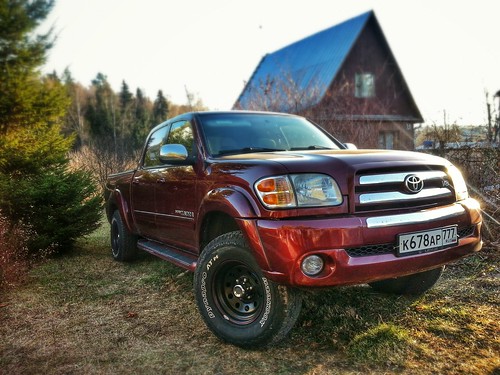
- Do not start the engine, but turn the ignition to the “On” position. If you have a push-button model, do not touch the brake pedal, and press “Start.”
- Switch the display to the odometer mileage reading by pressing the “Trip” button.
- Turn the vehicle all the way off.
- Press and hold the “Trip” button.
- Continue to hold the “Trip” button, and without starting the engine, switch the ignition to “On.”
- When the trip meter is set to all zeros, release the “Trip” button.
Troubleshooting
Once you have followed the steps for the Toyota Tundra required maintenance light reset, the “Maintenance Required” oil change indicator light should be turned off. If the light is not successfully reset, here are a few things you can try:
- Double-check that your digital odometer is set with the odometer reading showing and try following the procedure again.
- If this does not work and the light is still on, you may consider disconnecting the battery from your Tundra. When you disconnect the battery for a few minutes, then reconnect it, the internal computer will be forced to reset.
- If the light is still on at this point, you might consider reading your Tundra owner’s manual, or contact your local Toyota dealership for further instructions.
Get Questions Answered Or Toyota Service Repairs In Panama City
Now that you have all the information you need to do the required reset of your Toyota Tundra “Maintenance Required” oil change indicator light. If you don’t want to worry about doing it yourself, drop by Panama City Toyota and schedule Toyota service online or with a call to 850-769-3377.
What Customer Car Loans Are Available?
Are you thinking about purchasing a vehicle but don’t have enough money saved? Luckily, you might qualify for a car loan. Car loans come in a variety of options, dependent upon the lender and your needs. To determine what type of loan you qualify for and should take advantage of for your next vehicle purchase, use this guide to get started on the car loan process.
Types Of Car Loans Available
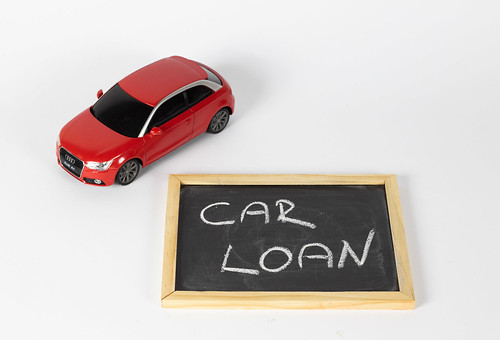
Image via Flickr by focusonmore.com
Most car buyers utilize loans to finance their new rides. With the right type of auto loan combined with a convenient payment plan, you can purchase your vehicle with a financial option that meets your needs. Before you come down to Panama City Toyota, read through this sampling of what types of loans are available.
- Secured auto loans: With these types of loans, the vehicle acts as collateral for the debt. If you fail to make payments, the lender can repossess the vehicle and resell it. Since these loans are less risky for lenders, the loans tend to have lower annual percentage rates (APR) compared to unsecured loans. This is the most popular type of loan for many auto sales.
- Unsecured auto loans: A less common option, this type of loan comes with higher interest rates than secured loans. The exact rate depends upon your credit profile and other factors. There is no collateral with this loan, so if you miss a payment, the lender uses legal means to obtain the missing funds.
- Simple interest loans: These loans calculate interest on a predetermined basis, typically daily. During each month, interest is calculated based on the amount of outstanding principal of the loan. The amount of interest you pay each period decreases with each payment as you work toward paying off the principal. You can make larger or additional principal payments to accelerate the payoff.
- Precomputed interest loans: With these loans, you have a set payment schedule where each payment has a specific portion going toward the interest and principal. The amounts never change, even if you pay off the loan early.
- Lease buyout loans: Although not very common, these loans give you full ownership if you leased a vehicle. At the end of your lease agreement, the lender pays the lease buyout fee upfront, and you make fixed payments over a predetermined timeframe. Once you pay off the principal, the lien is lifted and you own the vehicle.
- Military auto loans: If you’re an active-duty service member, a spouse of one, or certain dependent, you might qualify for one of these loans. Under the Military Lending Act, unsecured loans are capped at 36% APR and face no prepayment penalty.
Before You Apply
When applying for an auto loan, you should do some homework before heading to the dealership. Check your credit score to make sure there aren’t any discrepancies, such as fraudulent activity. You are entitled to one free credit report every 12 months from each of the three major reporting organizations: Equifax, TransUnion, and Experian. Having inaccuracies could cause you to be turned down for a loan or offered only a higher interest rate. Make sure you get any errors fixed before you apply for the loan.
If your credit score is around 600 or lower, that is considered subprime or poor. It’s best to spend at least six months improving that score if you don’t need to purchase a vehicle immediately. Make your payments on time and pay down credit card balances to help bolster your score.
Use an online auto loan calculator to estimate payments and other loan factors by inputting the variables that you know. Include information such as your down payment, estimated trade-in value, and the length of the loan. Go into the meeting with the finance department armed with this information as it can guide you in making an informed decision.
Auto Loan Process
You can fill out a convenient online credit application before you entire the dealership to determine your loan options and get pre-approved for financing. You will need to provide some personal information, such as your Social Security number, salary, assets, and current debts. Remember that most dealerships offer these applications with no obligation, so you’re under no pressure when you make your final decision.
After completing the application and/or other financing documents at the dealership, the loan officer looks at several aspects, including:
- Your detailed credit score
- Available down payment and potential trade-in
- Debt-to-income ratio
- Price of vehicle you want to purchase
The lender will merge the information from the application with data from your credit report to secure your debt-to-income ratio. This ratio is a solid indicator of your ability to pay off the loan you are requesting.
What If You Have Bad Credit?
Sometimes life throws you curveballs, and you might not be prepared to hit them. If you’re in a sub-prime credit situation due to foreclosure, bankruptcy, divorce, or simply missed payments, many dealership-based finance departments can help you with purchasing a vehicle. In-house finance specialists can offer several alternative financing packages to suit your particular situation.
Oftentimes, choosing the lender at the dealership instead of opting for a third-party lender can help you save money, as the dealership is the same entity profiting from the vehicle sale. The dealership might be more willing to give you additional financing options than a third-party lender would.
You could also opt to bring in a cosigner who has good credit to cosign the auto loan for you. By consigning, the person agrees to pay the loan back if you cannot. If the cosigner cannot pay either, both of your credit scores can take a bit hit.
Apply For A Car Loan At Panama City Toyota
As a full-service car dealership, Panama City Toyota commits to serving all drivers in the Panama City, Florida, area. We want you to walk through our doors, find the vehicle of your dreams, take it for a test drive, and drive off the lot with it. Our on-site finance staff can help you even if you have less-than-perfect credit. Don’t waste another minute thinking you don’t qualify for a car loan. Reach out to our dealership today, and speak to one of our finance staff to get the process started.
Where Are Nearby Travel Destinations In Panama City?
If you’re planning a trip to Panama City, Florida, you want to make sure you have an opportunity to enjoy everything the area has to offer. That includes checking out some of the best nearby travel destinations. To get the most out of your Panama City beach vacation, be sure to include some of these top places to enjoy outdoor recreation in the area.
St. Andrews State Park

Image via Flickr by chrismccorkle2
You don’t have to go far to enjoy some of the best outdoor recreation on your trip to Panama City Beach. In fact, you just have to head southwest to St. Andrews State Park. This 1,200-acre park has St. Andrews Bay on one side and the Gulf of Mexico on the other. Not only does the park boast 1.5 miles of pristine beaches that are ideal for fishing, swimming, and relaxing in the sun, but you’ll also find a variety of other activities available.
Bicycling the two miles of paved roads is one of the more popular pastimes in the park. If you like to hike, the park has two trails. The Gator Lake trail offers scenic views of the lake, and the Heron Pond Trail takes you through the flatwood pine forest before heading out toward Sandy Point. Other activities in the park include paddling, boating, snorkeling, diving, surfing, and picnicking.
Grayton Beach State Park
Grayton Beach State Park is another fantastic park that’s just a short drive from Panama City. Situated about 38 miles northwest, this 2,200-acre state park offers white sand beaches, interesting nature trails, and a unique coastal dune lake. While the beach is consistently ranked as one of the most beautiful in the country, it’s not the only activity worth enjoying at the park.
You can use a canoe or kayak to explore Western Lake, which is a 100-acre coastal dune lake. The hiking opportunities range from a 1-mile nature trail to a 9-mile round-trip hiking and biking trail that goes through the forest and around Western Lake. The park is also a good place for biking, swimming, fishing, and birdwatching.
When you’re done at the park, consider heading to the small, neighboring community of Grayton Beach. This charming destination has art galleries, boutiques, and restaurants nestled among its colorful cottages and Hemingway-style wooden houses.
Shell Island
Shell Island is a favorite destination for both visitors and locals. This 7-mile stretch of undeveloped barrier island beach running between the Gulf of Mexico and St. Andrews Bay is the perfect place to reconnect with nature. The island has numerous ecosystems worth exploring, including rolling sand dunes, pine hammocks, coastal scrub forests, and an inland lake. If you’re interested in looking for seashells, this island lives up to its name. As you’re strolling along the seashore, you might discover sand dollars, conch shells, whelks, olive shells, moon snails, and more.
Since Shell Island is indeed an island, part of the adventure is getting there. One of the most convenient ways to get to the island is to take a ride on the Shell Island Shuttle or the PCB Shell Island Express Ferry. If you want to enjoy the island at your own pace, you can also rent a boat to travel there on your own.
Capt. Anderson’s Marina
Are you looking to get out on the water near Panama City? Then pack up your vehicle and head to Capt. Anderson’s Marina. This marina has something for everyone in the family to enjoy. If you’re interested in doing some fishing, book one of the fishing trips. Whether you’re a beginner or an experienced angler, you’ll have a great time aboard one of the large, comfortable fishing boats. Your trip options range from a five-hour day trip to a 10-hour excursion.
All of the boats are equipped to serve breakfast and lunch sandwiches, coffee, sodas, beer, and snacks. Once you get back to the dock, you can head over to the fish market to get your catch cleaned and filleted while you wait.
The dolphin tours are another popular option at Capt. Anderson’s Marina. These tours take place on the Capt. Anderson III, which has a covered open upper deck seating area and a climate-controlled lower deck with viewing windows. To make your trip even more comfortable, the boat also has restrooms and a snack bar. Another great tour option is the Sunset Dolphin Encounter, which lets you watch the dolphins play while also taking in the gorgeous sunset.
Rosemary Beach
Rosemary Beach is a charming community located just 25 miles up the coast from Panama City. This peaceful community was developed to help preserve the soft dunes, crystal clear water, and local plants. The result is an almost untouched paradise known for its pristine beach and charming town center. If you’re looking for outdoor activities to enjoy around Rosemary Beach, you’ll discover plenty of exciting options.
Consider renting a paddleboard to explore the area by water. You can also rent a bike to cruise around the community. If you’re interested in getting in a game of golf, you’ll be pleased to know that the community has several celebrated courses surrounding it. Or you can choose to spend some time on the water by booking a dolphin sightseeing tour, snorkeling trip, or fishing excursion.
Another good option is taking a hike or bike ride on the Timpoochee Trail. Named for Euchee Chief Timpoochee Kinnard, this 19-mile trail starts near Rosemary Beach and travels to just beyond Topsail Hill Preserve State Park. Along the way, you’ll pass by several other state parks, quaint beach towns, and numerous beach access points. If you decide to go all the way to Topsail Hill Preserve State Park, you’ll find more hiking trails, kayak and paddleboard rentals, and 3.2 miles of beaches that are ideal for swimming, fishing, or just relaxing.
At Panama City Toyota, these are our favorite nearby travel destinations. Did we miss one of your favorite places to go when you visit Panama City Beach? Then be sure to contact Panama City Toyota and let us know!
Highlights Of Panama City Center For The Arts
If you’re looking for a fun family activity in downtown Panama City, Florida, take an afternoon trip to the Panama City Center for the Arts. This is more than just an art exhibition — the Center provides a range of activities that change on a frequent basis, making it worthwhile to visit more than just once. The Center is in the heart of the historic district, and it’s only a seven-minute drive from Panama City Toyota. If you’re looking for an engaging and enlightening experience, head to the Panama City Center for the Arts today.
What Is The Panama City Center For The Arts?

Image via Pixabay by Hermann
The Panama City Center for the Arts is an active facility that hosts fine art shows, events, and classes. The Center sits in the historic district of downtown Panama City, Florida, and it’s in what once was the city’s first city hall.
The Panama City Center for the Arts aims to provide an up-close and personal look at art in all of its forms — from paintings, drawings, and photography to film, music, and writing. The Center’s goal is to connect visitors from all over the nation with artistic expression, and best of all, admission is free. When you visit the Panama City Center for the Arts, you’ll enjoy amazing learning opportunities along with some exciting events.
The Center is also home to a variety of different amenities, including a cafe, classrooms, four separate art galleries, and a theater. With so many unique features to explore, you’ll need a whole day devoted to enjoying everything the Center has to offer.
What Makes The Panama City Center For The Arts So Unique?
The Panama City Center for the Arts is more than just an art museum in Panama City, Florida. It’s a place where art comes to life through innovative exploration, group events, and classes that focus on development, skills, and art appreciation. Some of the Center’s most unique aspects include four galleries within the Main, Higby, Miller, and Cafe halls, where the staff changes out each gallery nearly every month. This means you’ll get to explore more than 30 distinct exhibitions throughout the year, making the Center the perfect place to return to again and again.
In addition to the continuously changing exhibitions, there are plenty of events, educational opportunities, and fun group activities that you can enjoy all year. The Center strives to provide a unique experience through its exhibitions and activities, so there’s something here for everyone in the family to enjoy.
Events, Classes, And Group Offerings
The Panama City Center for the Arts holds frequent events, and just like the exhibitions, they change from month to month. Some of the most exciting events include openings and introductions to new exhibits at the Center, book talks and discussions, music concerts, and walking tours of historic downtown Panama City.
The Center hosts a variety of art classes for painting, drawing, pottery, writing, and more. The schedule changes throughout the year, so if you’re interested in learning a new art technique and developing your skills, check with the Center to get an idea of what’s going on and when. If you’re planning to enjoy all of the classes the Center provides, you can always opt for a full membership, which gives you discounts on classes and different events.
If you’re looking for events for your kids to enjoy, there are a lot of great activities to choose from, including cupcake decorating, daisy painting, papercraft creations, and more. The Center also hosts live streaming events and educational opportunities.
The Panama City Center for the Arts is also available to rent out for special occasions. It’s perfect for birthday parties, work gatherings, weddings and receptions, and other fun events. They have two floors, three galleries, a kids’ art studio, and a paint room all available to rent for whatever activities you want to plan.
Seasonal Attractions And Up-And-Coming Artists
One of the Panama City Center for the Arts’ most popular seasonal offerings is its summer art camp, where kids can spend a week participating in a variety of art projects, learning opportunities, and social events. The summer program is designed to give kids a more in-depth look into some of the fundamentals of art, including painting techniques, sketching, and constructing and sculpting. Since the summer program hosts two separate time slots per day, you can choose between morning and afternoon sessions to find a time that will fit into your schedule.
Other seasonal events occur throughout the year as well, including fall and winter-themed exhibitions and activities, like the Center’s Haunted Walking Tour. This exciting event takes visitors on a haunted tour throughout the historic district of Panama City to learn about the history of the area, including its ghostly inhabitants. This makes a great family activity in the fall.
Up-and-coming artists also make time to stop into the Center to showcase their artwork, participate in speaking events, and educate patrons on the elements of their work. You can also come by for an insightful discussion and talking series to hear from authors and writers of diverse backgrounds. These authors visit the Center to educate, inform, and entertain visitors about their books and the process of writing. So, if you’re looking for some inspiration from a best-seller, the Panama City Center for the Arts provides a well-rounded list of speaking events.
The Panama City Center for the Arts is truly a unique destination for art enthusiasts and aspiring artists alike. With available classes and educational opportunities that are great for people of all ages, the Center has become a beacon of artistic expression not just in the local area but in the South as a whole. Patrons from all over the country visit the Center, even just for a concert and a cup of coffee in the cafe.
If you’ve visited the Panama City Center for the Arts and have a unique event or experience you’d like to share, contact Panama City Toyota so we can add it to the Center’s list of highlights!
What’s A Good Interest Rate For A Car Loan?
If you’re interested in financing your vehicle, it’s important to understand what to expect when it comes to auto loan interest rates. After all, it’s not just a monthly payment you’re responsible for. Read on to learn more about car loan interest rates and the best car loan interest rates you can expect based on your financial circumstances.
What Is An Auto Loan Interest Rate?

Image via Unsplash by Scott Graham
An auto loan interest rate is the additional cost you pay for borrowing money from an auto lender. Expressed as a percentage, it’s dependent on several factors relevant to a lender’s risk in offering consumers a loan.
What Is The Average Interest Rate For A Car Loan?
With a median credit score of 711 for all auto loan consumers, the national average interest rate is 5.27% on a 60-month car loan. For reference, the annual percentage rate (APR) ranges from 3% to 10% for auto loans.
Since this figure is an average, it’s important to remember that your own rate depends on a variety of factors such as your credit score, the auto loan term length, the auto loan lender, and the age of your vehicle. Here’s a look at how each of these factors plays a role in the average interest rate:
Average Auto Loan Rates by Credit Score
Your auto loan rate is highly dependent on whether you have good or bad credit. If you have a high credit score, you often qualify for a lower interest rate, whereas a lower credit score makes you susceptible to a higher interest rate. This is because a high credit score indicates you have a solid financial history and that you’ve made your payments on time. In contrast, a lower credit score reflects poor financial history, a trend of late payments, and potential debt defaults and bankruptcy. When auto lenders determine interest rates, they reward individuals with high credit scores because it’s safer to work with them based on their financial history.
More often than not, a high credit score such as 760 and above qualifies you for an interest rate as low as 3%. On average, though, excellent credit qualifies you for 4.78% on a new car loan and 5.03% on a used car loan. Though you can apply for a loan with a lower credit score, it’s a riskier investment for lenders. Because of this, low credit scores often lead to higher interest rates as high as 20%. On average, bad credit gets you an average of 18.77% on a new car loan and 19.02% on a used car loan.
Average Auto Loan Rates by Term Length
Along with your credit score, the length of your loan plays a significant factor in determining your auto loan rate. Most payment plans offer terms ranging from 24 to 72 months. Typically, the shorter your loan, the lower your interest rate. To give you an idea of what to expect, the average interest rate for a 36-month loan is 4.21%, whereas the average interest rate for a 72-month loan is 4.45%.
Keep in mind that with a higher APR on a longer-term auto loan, you may end up paying more on the auto loan than the actual value of your vehicle. For example, let’s say you have a longer-term loan with a lower monthly payment. Under these circumstances, you’re accumulating interest over several months that may outweigh the benefits of a lower monthly payment. In addition, if you have an older car that depreciates quickly, it may not be worth it.
Average Auto Loan Rates by Lender
Your auto loan lender also influences the rate you receive. Whether you go through a bank, a credit union, or a dealership, your rate significantly changes. Here’s a look at each of these options:
- Bank: Though you can get you a rate as low as 3% with a bank, the top rates they offer vary widely. Banks also have specific eligibility requirements for their loans, so keep that in mind.
- Credit union: Credit unions tend to have more flexible payment schedules and offer consumers lower interest rates compared to banks. They may also require lower loan minimums. On the downside, they may only offer their lending services to members.
- Dealerships: If you’re interested in a new car, dealerships offer baseline APRs as low as 0%. As expected, lower rates tend to go to qualified customers with optimal financial profiles. However, here at Panama City Toyota, we’re committed to offering you the best rate for your individual circumstances.
Average Auto Loan Rates by Vehicle Age
Whether you’re purchasing a new or used vehicle also impacts your auto loan interest rate. Typically, used cars come with an interest rate that’s higher than those you see on new models. This is because older vehicles come with higher risk since they’re not as reliable.
Can You Haggle An Auto Loan Interest Rate?
Yes. While there are several factors that affect your auto loan interest rate, you can often negotiate the rate to your liking. Consider doing this if you believe the first rate the dealer offers you isn’t the lowest you qualify for. If you proceed, compare the rate you receive from other lenders and negotiate accordingly.
Tips For Getting A Good Interest Rate
If you’re unhappy with the interest rate you receive, there are several things you can do to turn the odds in your favor. Here are some tips to help you get some of the best car loan interest rates:
- Improve your credit score. Your credit score is dependent on several factors, including your credit payment history, outstanding debt, and the length of time you’ve maintained a credit line. To improve your credit score, work on lowering your debt and paying all of your bills on time.
- Try another lender. Once you improve your credit score, research various auto lenders and get a quote from each. Compare these quotes and choose the one that gets you the best deal.
- Estimate your auto loan interest rate. Before you start the financing process, consider the potential interest rates you may get. This helps you determine whether or not you’re getting a good financing deal from the loan lender you choose. If you get a rate that doesn’t align with your estimate, look for another lender that may offer you a better deal.
Now that you know what to expect when it comes to auto loan interest rates, start your own research based on your financial situation. Contact us today for more information on the best new car interest rates and the best interest rates for used cars.
How Much Can You Negotiate On A New Car?
Buying a new car is an exciting time, but what may be much less exciting is the entire car-buying process. While we at Panama City Toyota aim to make your time with us as pleasant as possible, we know that buying a car takes time, costs money, and can be a lot of effort. One thing that a lot of people want to do is negotiate the price of a brand new model. If you want to know how to negotiate a new car price, keep reading for some really helpful tips.
How To Negotiate A Car Deal

Image via Flickr by Moto@Club4AG
The goal of negotiating a car deal is to get as close as possible to your desired price. Follow these tips to give yourself the best chance of having a healthy negotiation experience.
- Know your absolutes. It’s best to enter any negotiation process already knowing what your absolute limits are. Decide the maximum you’re willing to pay for your new vehicle, including tax, title, dealership fees, and anything else that’s calculated into the cost. You’ll also be better off knowing what you’re willing to compromise on. For example, you may be okay foregoing the three years of free oil changes in exchange for a certain amount of money off of the price. Or, think about how much APR factors into cost and see if there is anything you can negotiate there.
- Do your research. The more you understand about the vehicle you’re interested in, the market value, the current APR offers, and what other dealerships are selling the car for, the more serious your negotiations can be. While dealerships are definitely willing to hear you out and haggle on the price, they are better able to do so when you know what you’re talking about. Plus, you can approach the situation with confidence.
- Get comfortable. The best way to negotiate with a dealership is by interacting with a salesperson you feel comfortable with. If you don’t feel confident in and comfortable with the salesperson you’ve been assigned, ask for the sales manager or to be reassigned to someone new. Comfort is important because you’ll likely spend a bit of time at the dealership, and it’ll make it a good experience to have someone that you enjoy.
- Don’t forget the details. There is more than just the car’s price to consider and negotiate. You’ll also want to make notes to discuss the extended warranty, interest rate, loan and lease offers, your trade-in value, vehicle rebates, and any bonus add-ons that a dealership is offering, like free maintenance for five years or an audio package. Visit the dealership already knowing what you want on the car, the offers you’re willing to take, and how important each of these things is to you.
- Take your time. No matter how badly you want or need a vehicle, being in a hurry at the dealership can impact your focus and affect your negotiation skills. Inform your salesperson of your ideal purchasing timeline as well as your price range and needs so that they can help you set a good pace for getting the car you need.
- Get quotes from other dealerships. Contact multiple dealerships to get a quote on both the purchase of a new vehicle and the amount each dealership is willing to pay for your trade-in. If you have details on extended warranty and other items, even better. You can then use this information to determine which dealership offers the best value. Plus, if you really enjoy your experience at a quality dealership like Panama City Toyota, you can use this information to get a good value and a great shopping experience.
- Be prepared to walk away. Sometimes, negotiations simply don’t work out, and that’s okay. If the most you’re willing to pay for your new car, truck, or SUV doesn’t align with the dealership’s bottom dollar, or how much of a hit they are willing to take on the vehicle, then be prepared to walk away. Unless you truly need a car right away, it’s better to walk away than to enter into a deal you aren’t happy with.
- Ask for what you want. There’s no need to shy away from directness. If it’s a new vehicle you’re after at a certain price point, communicate that to the sales team. Everyone’s ultimate goal is to get you into a vehicle you’ll love. It’s just a matter of the cost at which everyone can make it happen.
- Start with the purchase price. It may be natural to discuss how much you’re willing to spend each month, but there are a lot of things that sales and financing teams can do to get you to your monthly payment while making sure that you pay their price for the car. For example, if you only want to spend $250 per month for your loan, the dealership can extend your loan terms so you only pay that amount, but meanwhile, you’re adding six more months to your loan and, therefore, paying more for the car overall.
What You Can Negotiate At A Dealership
There are many items you can negotiate when you’re purchasing a new car. Some of them include:
- Total vehicle cost.
- Extended warranty.
- Loan or lease offers.
- Extra service deals or packages, like free oil changes for life or an interior lighting package.
- Your trade-in.
- Interest rate for a new vehicle loan.
How To Determine The Market Value Of A Vehicle
The vehicle’s market value is something you’ll want to know before you start negotiations, and it’s easy to determine. Use an online tool from a trusted source like Edmunds.com, and enter the year, make, model, trim level, and vehicle options. Market value is calculated by looking at average figures across supply and demand, sales at dealerships in your area, incentives, and more. Take the resulting true market value to the dealership and compare it to the vehicle’s listed MSRP and invoice amount to see how close you are already.
Knowing the market value is helpful because then you’ll have an idea of how much you should pay for a vehicle before taxes compared to similar deals in your area. It’s a leveraging power that’ll help in your negotiations.
Now that you know how to negotiate buying a car, come on into Panama City Toyota. We are committed to getting you into a vehicle you’ll love. Contact us to get started in the negotiation process. We’d love to be able to work with you!
Toyota RAV4 Versus Toyota Highlander
An SUV is a versatile vehicle that’s perfect for your daily commute or a weekend getaway with the family. If you like the reliability and quality of Toyotas, the good news is you have options when choosing your next SUV. While both the RAV4 and Highlander are excellent selections, they both have their own unique benefits that probably make one more suited for your needs than the other.
If you’re unsure which of Toyota’s outstanding SUVs is the right one for you, don’t worry. This guide has everything you need to know to determine which SUV is your best match.
Size
One of the biggest differences between these two Toyota SUVs is size, with the Highlander being the bigger vehicle. Both options have their benefits, so it comes down to what you need from your SUV.
If you have a smaller family or you need a more compact SUV to fit in tight spaces, consider the RAV4. It is just over a foot shorter than the Highlander and also 2.5 inches narrower. When trying to fit into tight spaces, those reduced inches can make a world of difference. The RAV4 is also a little easier to maneuver. Two rows of seating fit up to five passengers comfortably.
If you need a little bit more room in your SUV, you may prefer the Highlander. With that extra space comes some additional functionality inside the car. Not only does it offer more storage space, but it also features a third row of seats, fitting up to eight passengers. If you have a large family or transport a lot of gear, the Highlander is a good choice.
Interior Design & Systems

Image via Flickr by Janitors
Although both the Highlander and RAV4 have lovely designs, they offer their own unique perks. Both vehicles are ready to keep you warm when the temperatures dip with heated front seats and steering wheels. The RAV4 comes standard with fabric- and SoftTex-trimmed seats that look great and can withstand years of everyday wear and tear while maintaining their lovely appearance. The climate control system also comes with a dust and pollen filter, keeping the air inside the cabin clean.
As a larger vehicle, the Highlander also includes some more powerful systems in order to keep your time in the SUV comfortable and enjoyable. You’ll notice a stronger air conditioning system that keeps all three rows comfortable, with individual climate zones that each row can control for optimal temperatures. The Highlander also offers some premium design choices to spruce up the interior, should you be so inclined, such as leather trim options for your seats. Captain’s chairs are also available for the second row.
Engine And Fuel Economy
Fuel efficiency is probably one of your main considerations when it comes to finding the right SUV. The more time you’ll be spending behind the wheel, the more stops at gas stations you’ll need to make. It should come as no surprise that, when compared side by side, the smaller RAV4 offers fuel efficiency than the Highlander.
If you’re torn between the two options, you may be surprised to learn that there’s little difference in fuel mileage between the two on the open road. While the RAV4 does perform better on highways, getting 35 mpg, the Highlander comes in just behind it with 33 mpg.
Where you can find more disparity is in city driving. While the Highlander gets an estimated 25 mpg in the city, the RAV4 impressively maintains its 35 mpg rating. Combined with the smaller frame, the RAV4 is a good option if you live in the city.
Both the RAV4 and Highlander have hybrid options, too. When you go with a hybrid option, you can expect even better fuel efficiency, with the RAV4 hybrid getting up to 41 mpg in the city and the Highlander hybrid getting up to 36 mpg.
While the Highlander’s fuel efficiency isn’t as optimal as the RAV4’s, it does has a more powerful engine. Standard on non-hybrid Highlander is a 3.5-liter V-6 engine that gets 295 horsepower and 263 pound-feet of torque, and the RAV4 features a 2.5-liter engine that gets 203 horsepower and 184 pound-feet of torque.
Technology
One area where you truly can’t go wrong with either the RAV4 or the Highlander is in the assortment of technological amenities at your disposal. From touch screens to help you easily navigate around your car’s various systems to voice commands that allow you to stay in control without needing to look away from the road, you get a blend of safety and functionality.
Built-in USB ports make it easier to grab just one cable for charging, and both SUVs can integrate with your smartphone via Android Auto or Apple CarPlay. That way, you can easily make phone calls, send texts, and listen to your favorite music without getting distracted.
Safety
Toyota is renowned for producing cars with safety as a priority, often earning some of the best safety ratings in the industry. No matter whether you opt for a RAV4 or a Highlander, the good news is that you can count on this tradition to continue with your new SUV.
Standard safety features available in both models include the Toyota Sense P safety system, and you can select plenty of add-ons. Safety measures like lane departure alerts, steering assist, and dynamic radar cruise control help to protect you and your passengers every time you head out on the road.
For enhanced safety options, the Highlander offers some unique options, including parking sonar for both the front and rear. If you’re going to be towing with the Highlander, trailer sway control keeps your cargo safe and secure.
If you still can’t decide between the Toyota RAV4 and the Toyota Highlander, there’s one simple way to determine which is right for you: get in touch or visit Panama City Toyota today to test drive both. Our fantastic sales associates will get you behind the wheel of the Toyota of your choice today.
Connect with us


