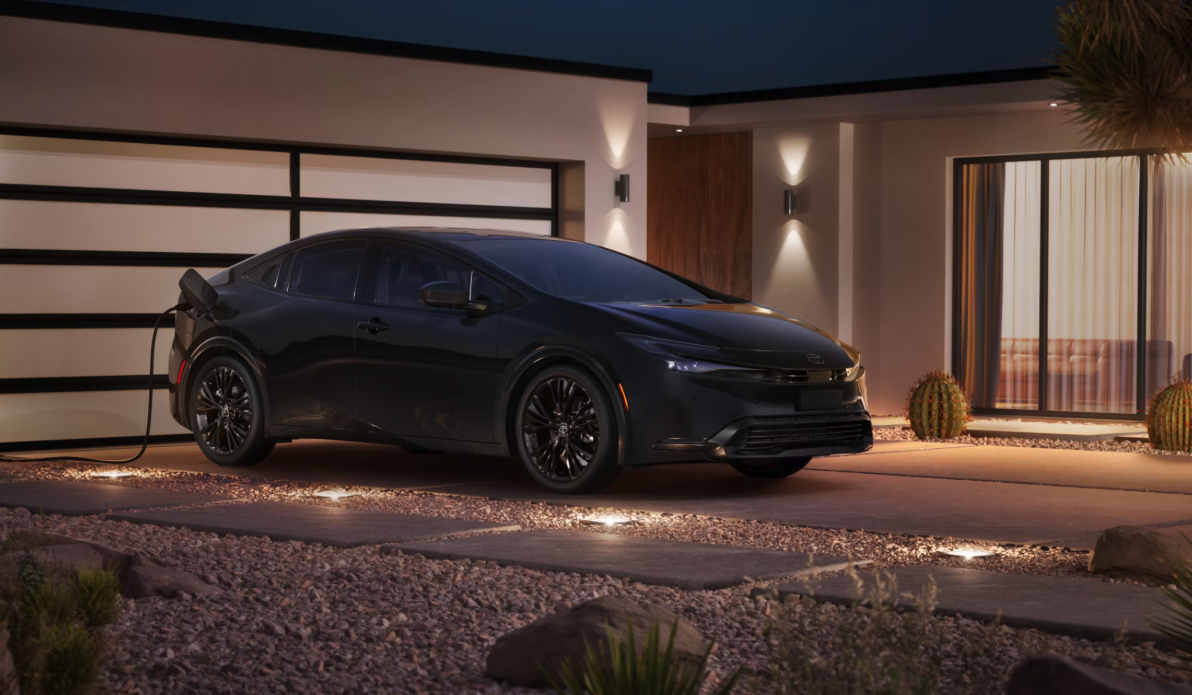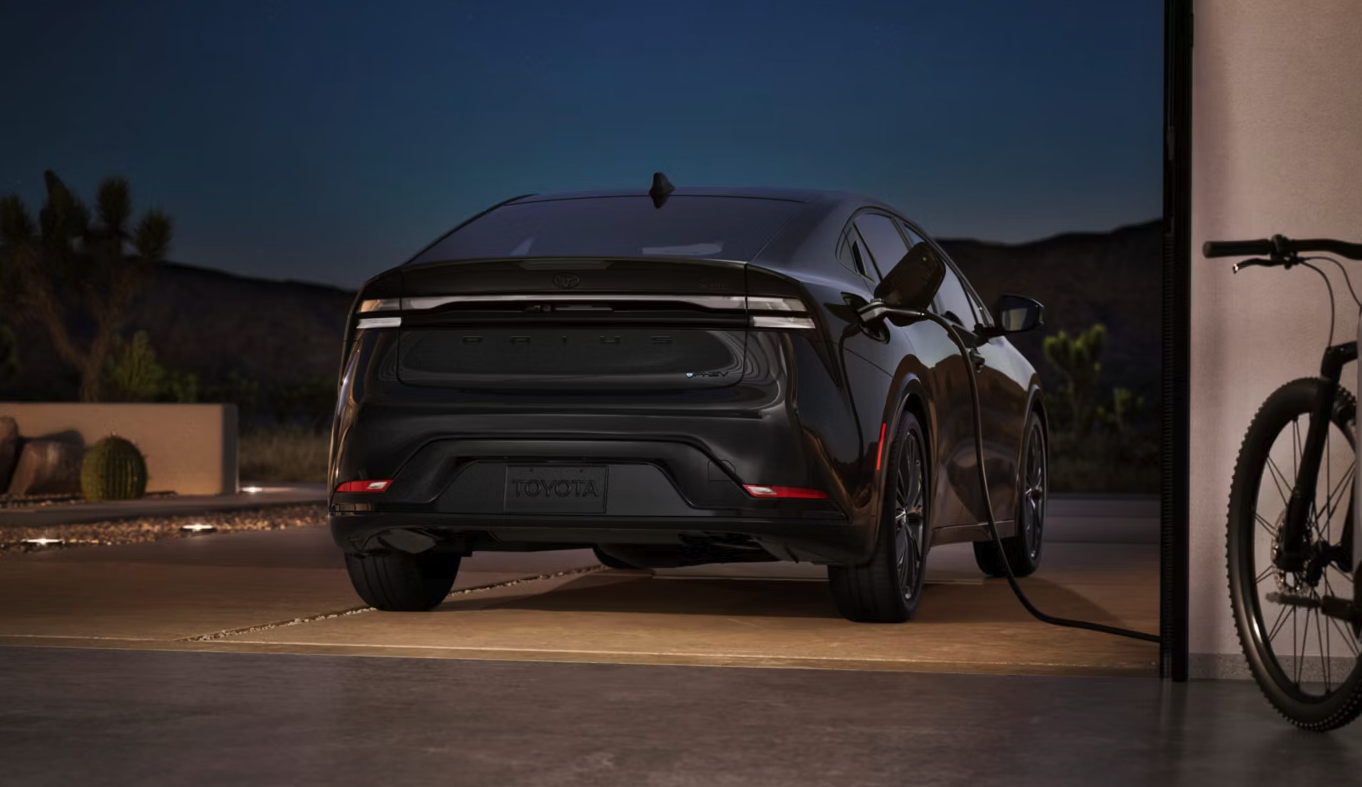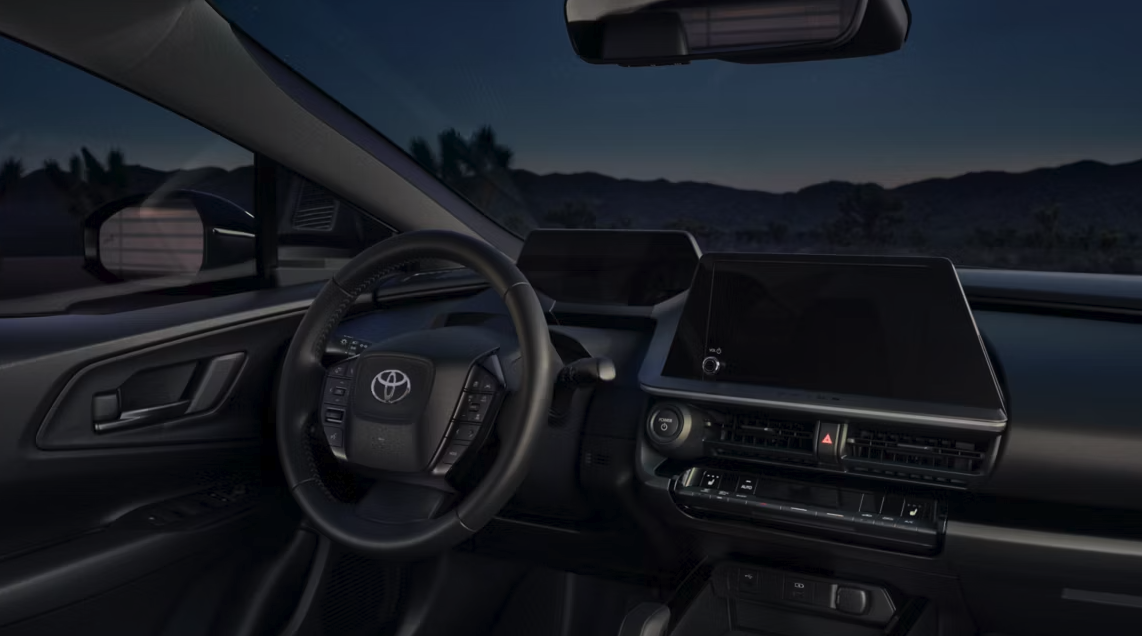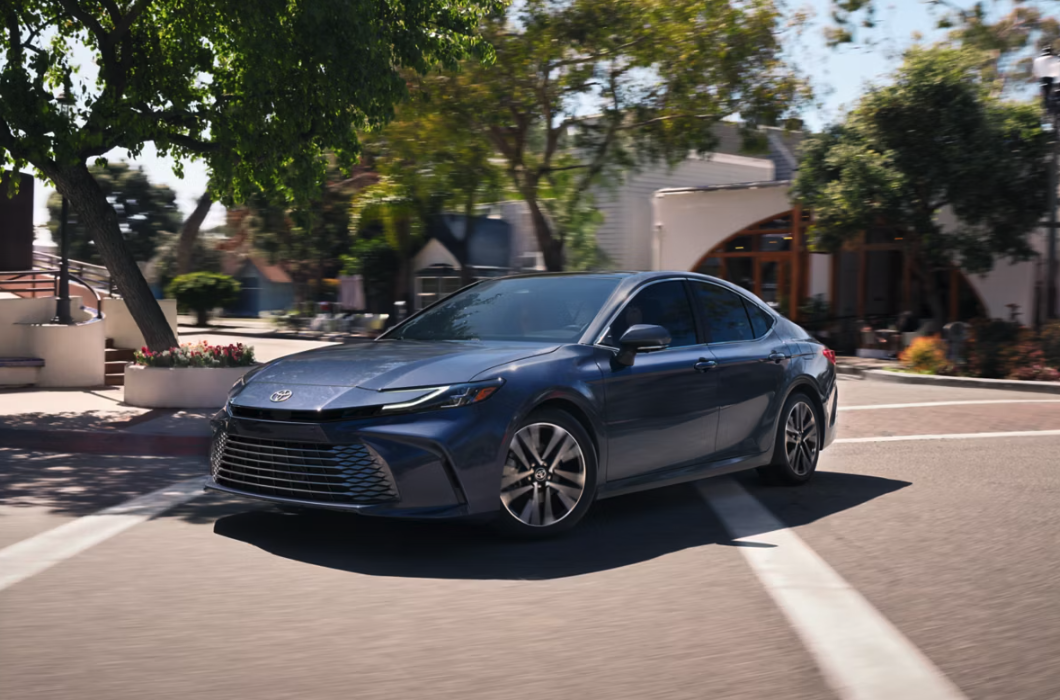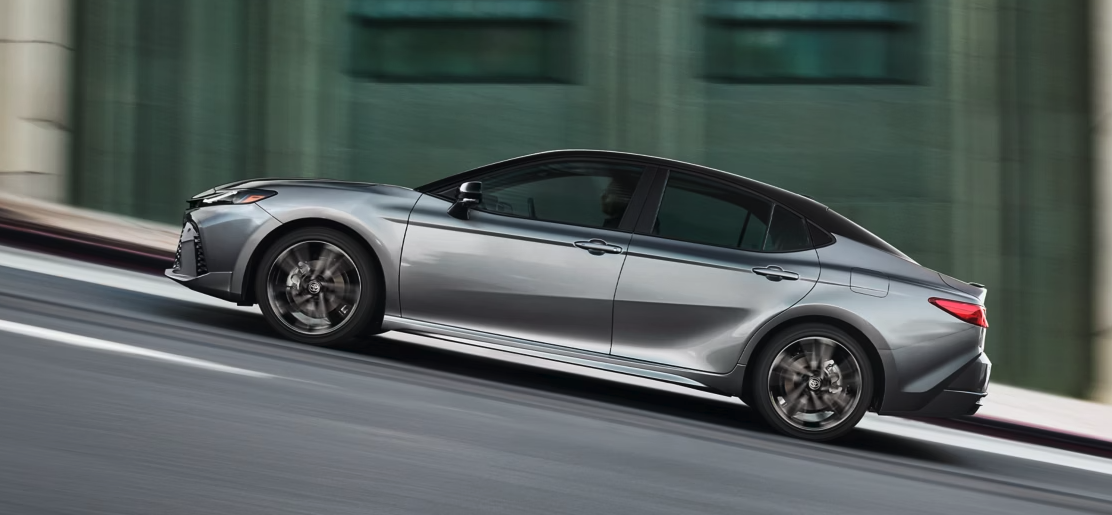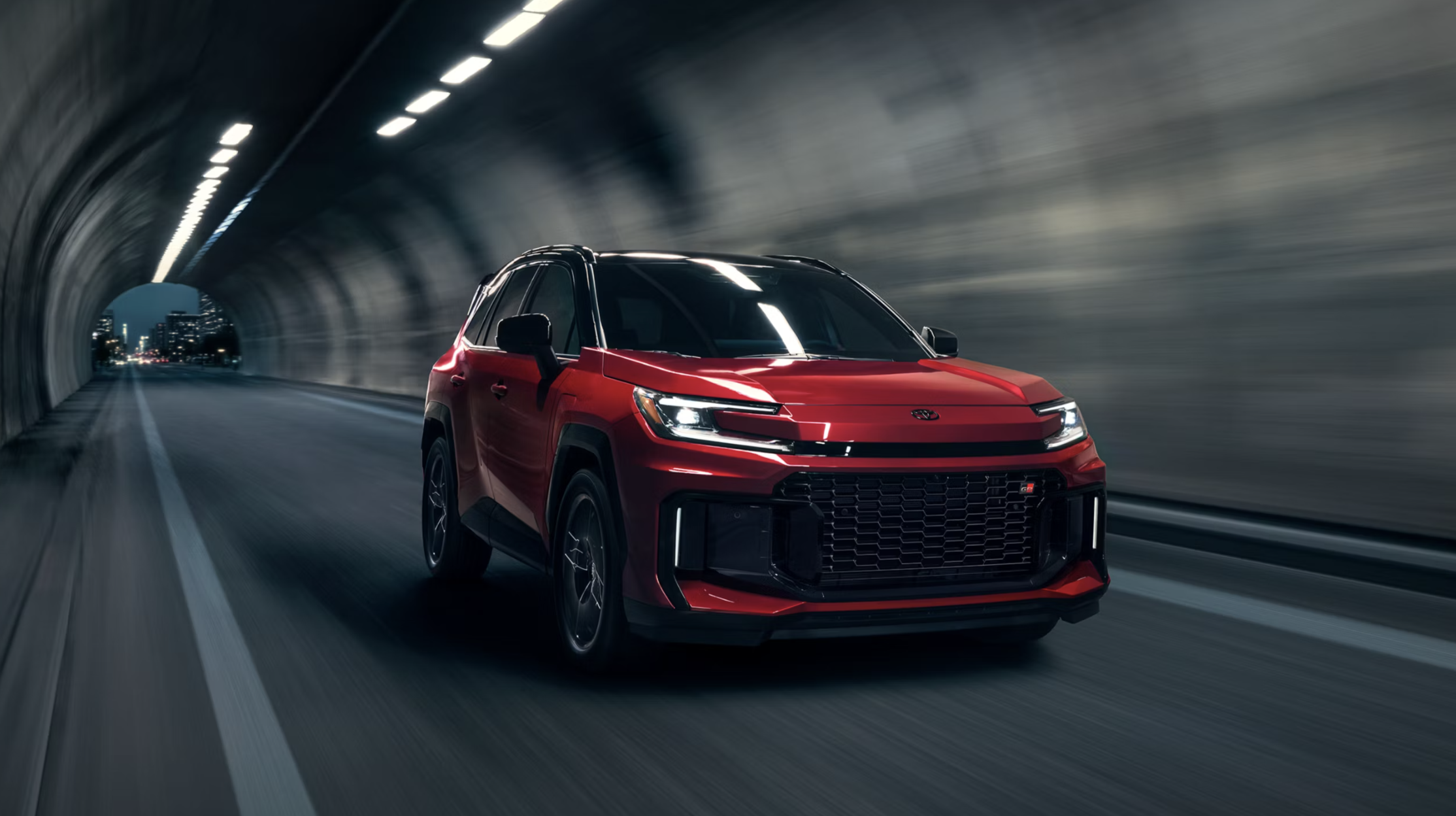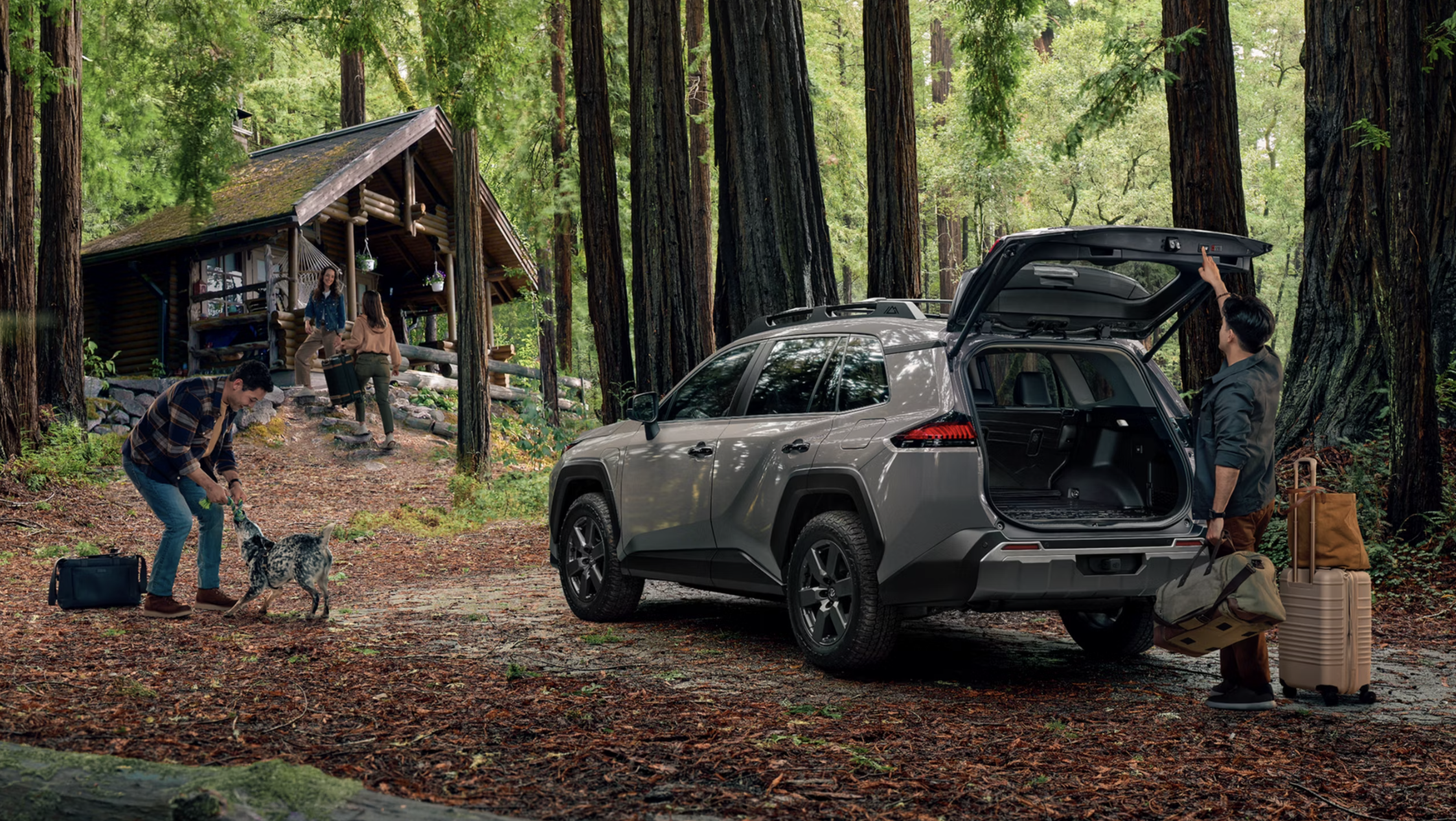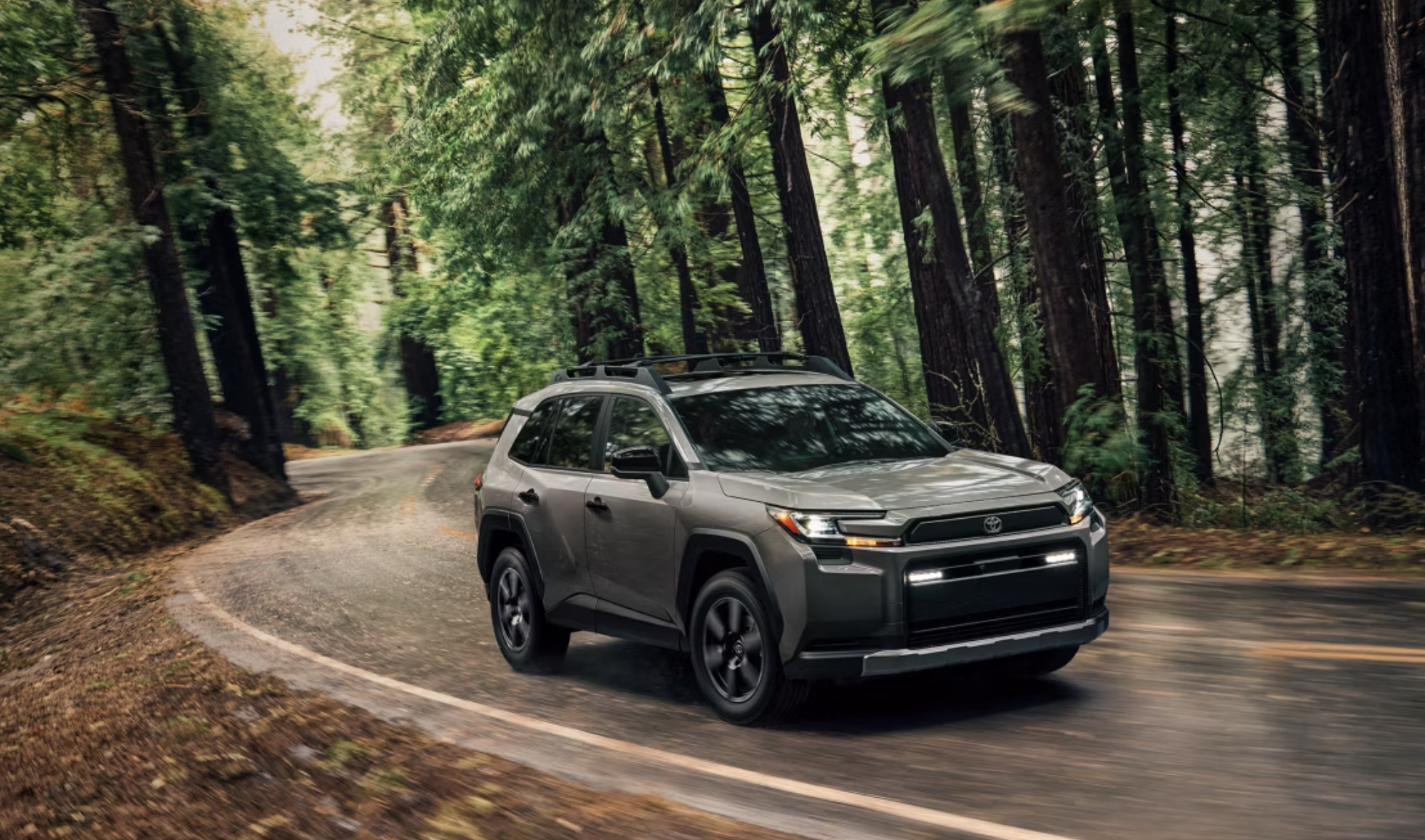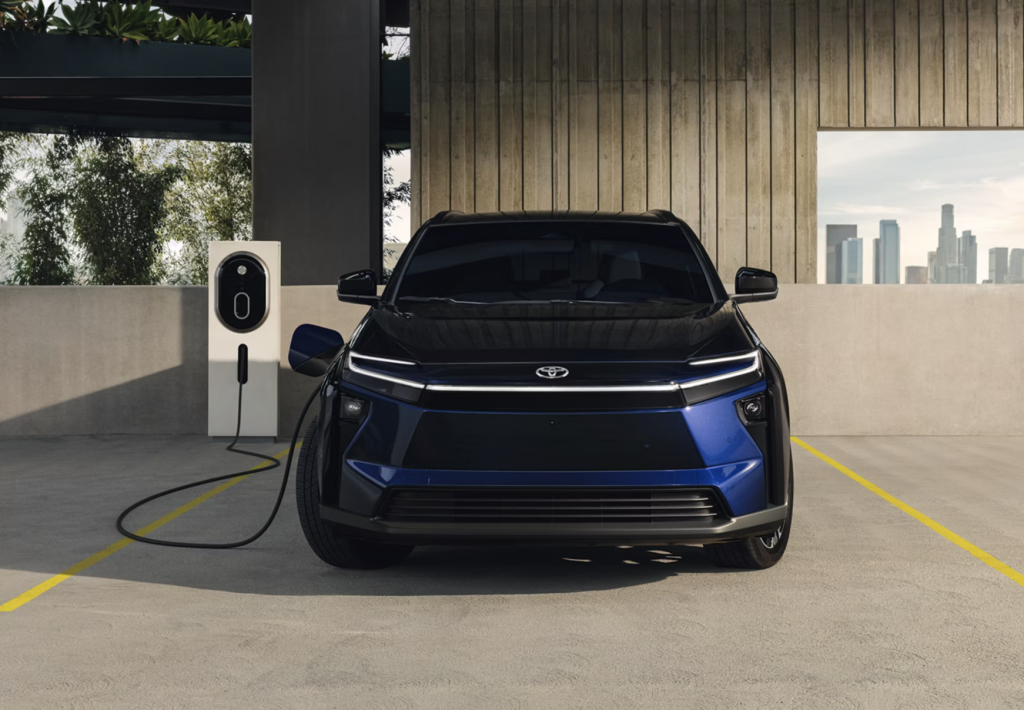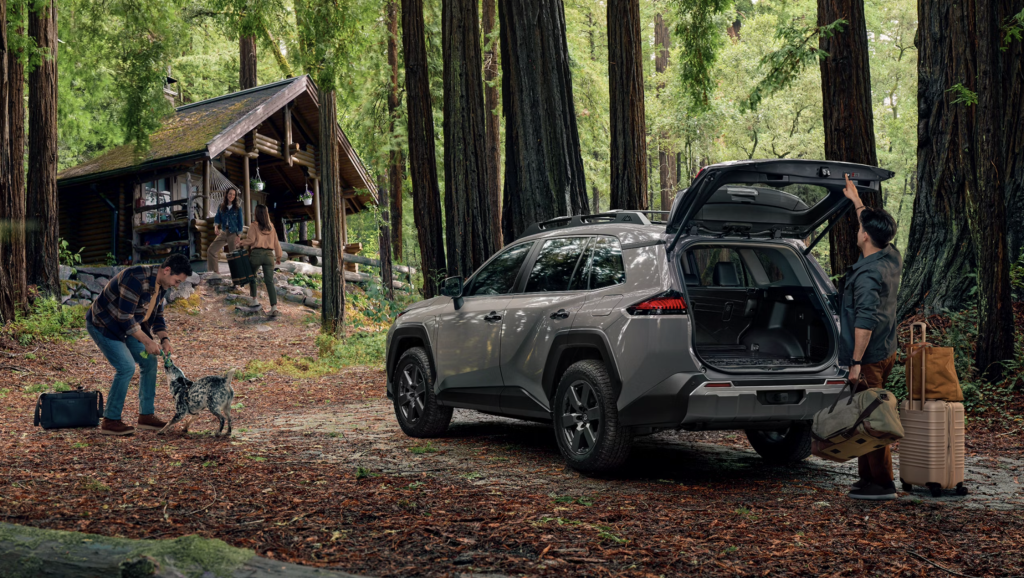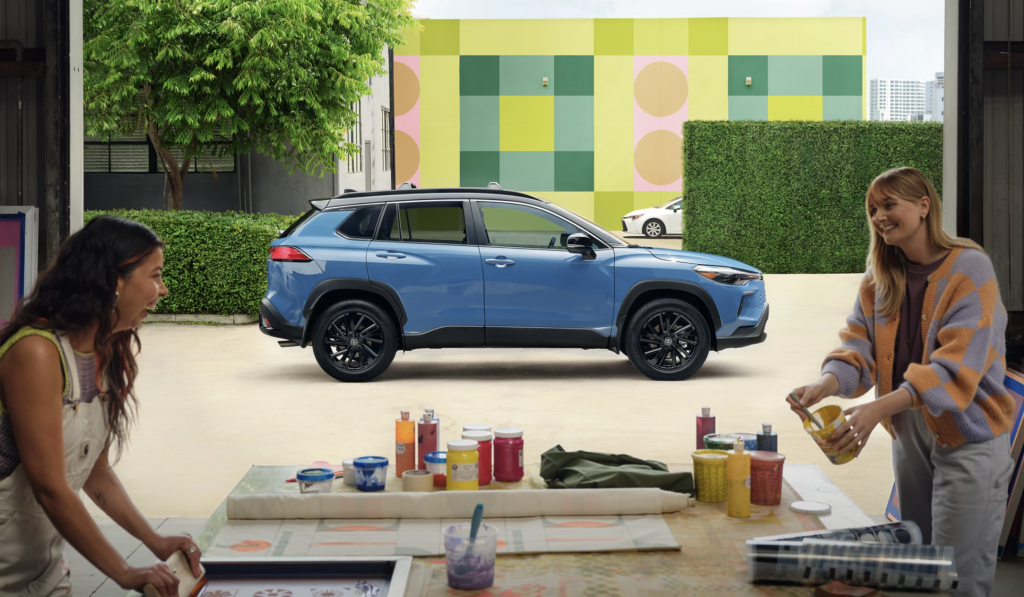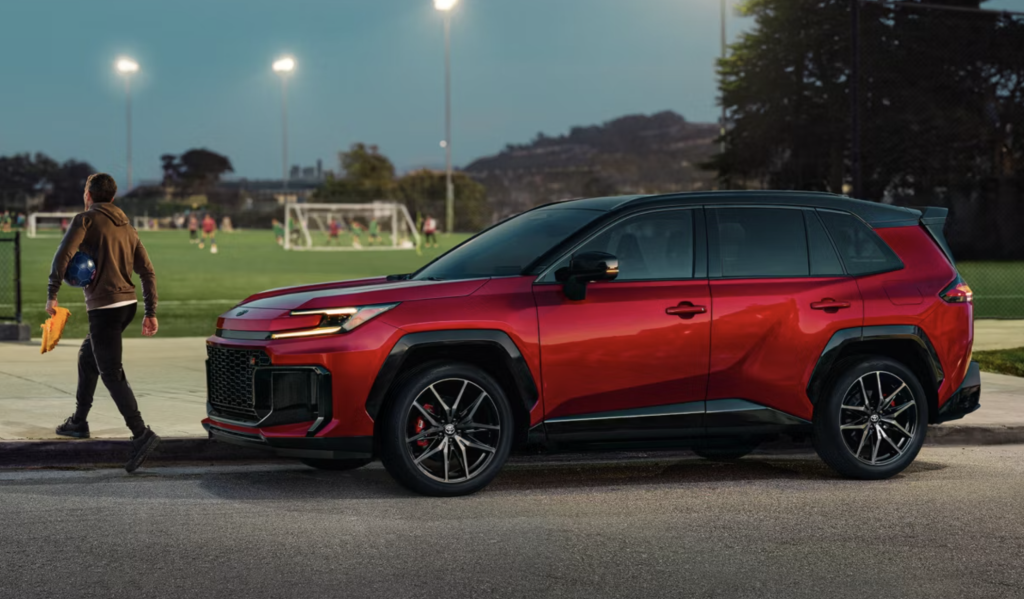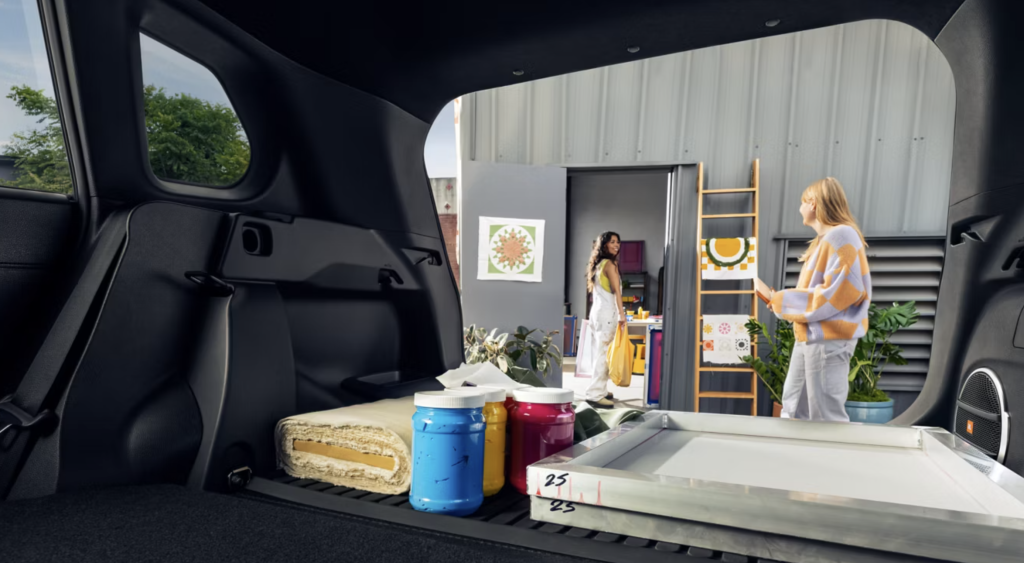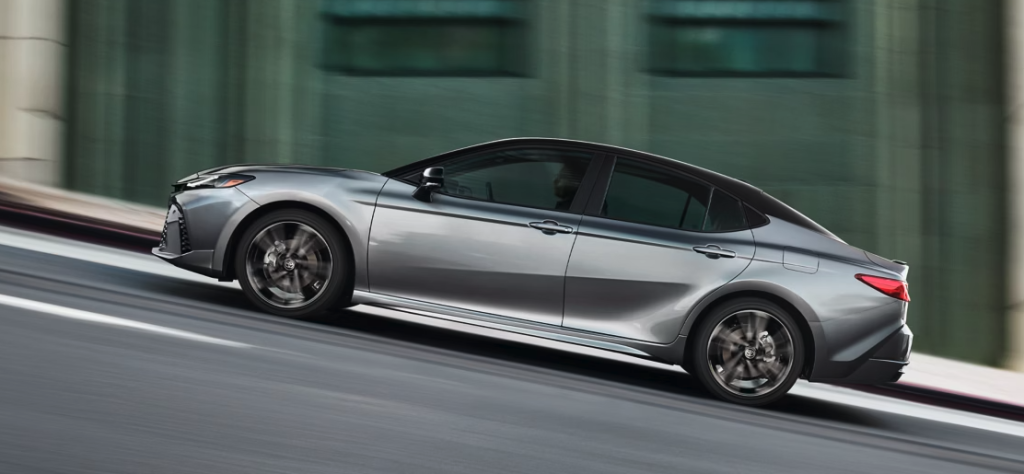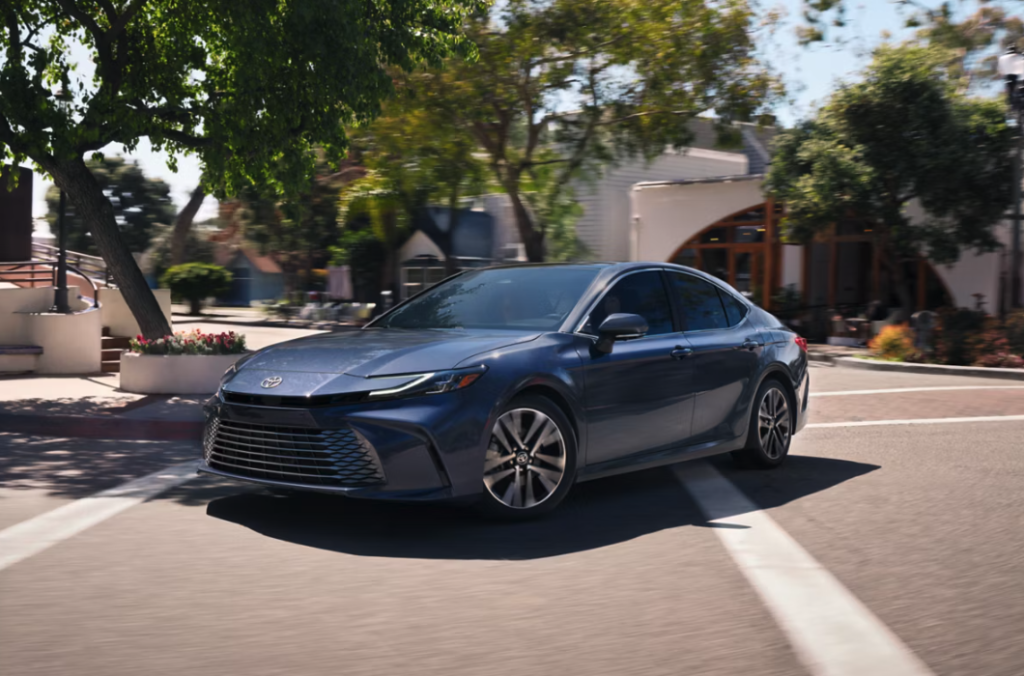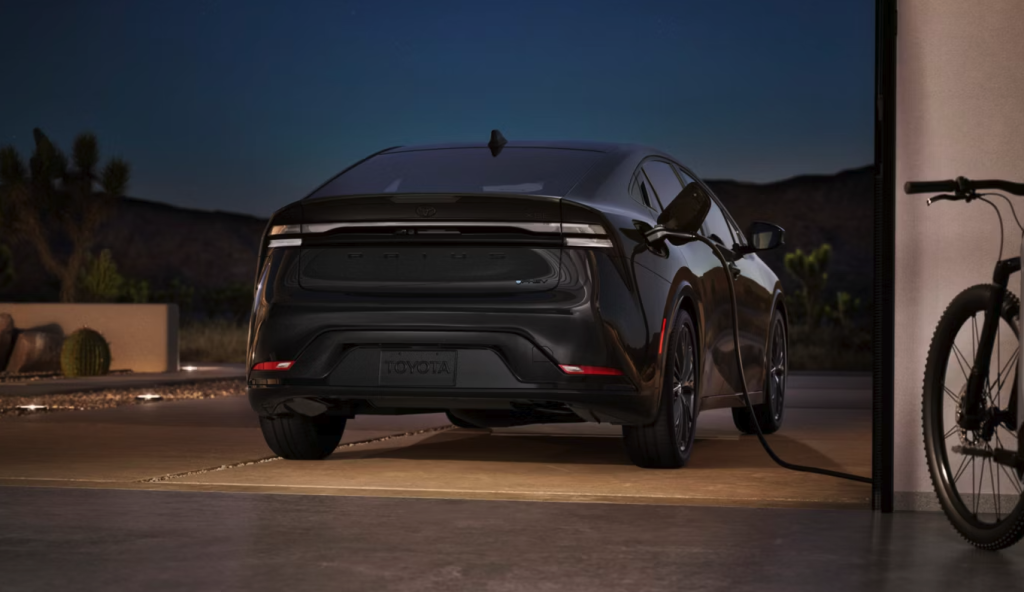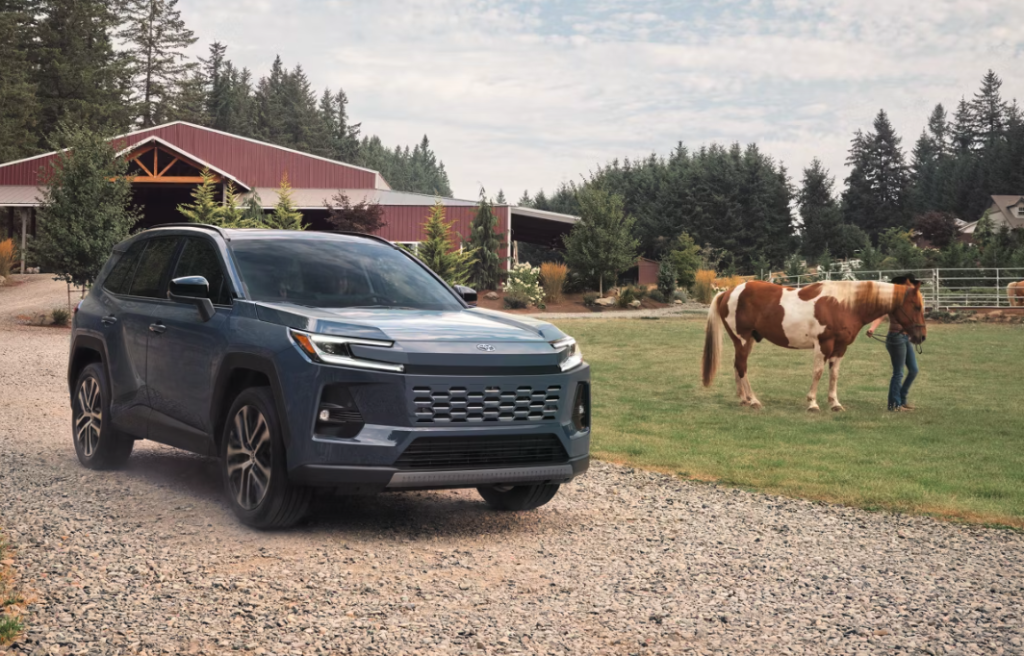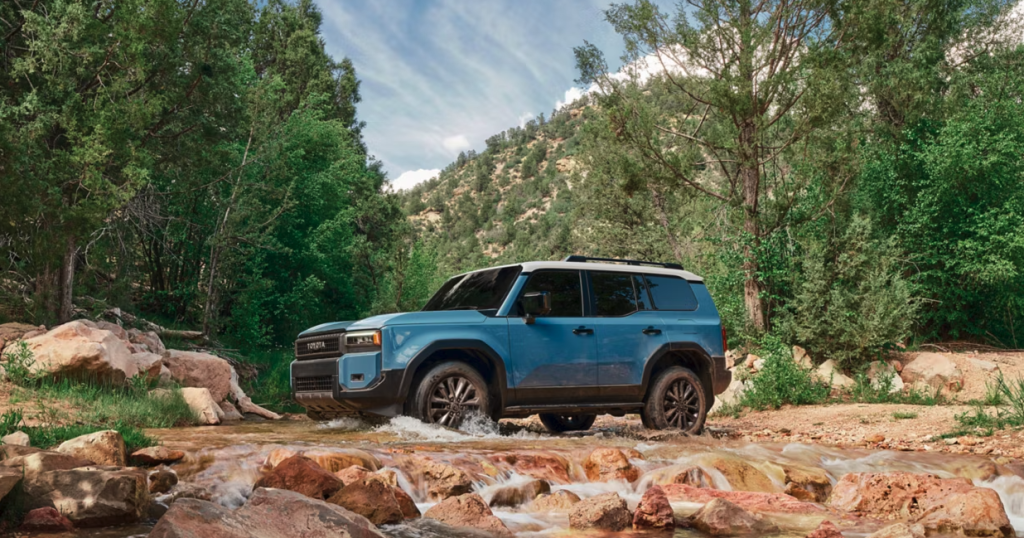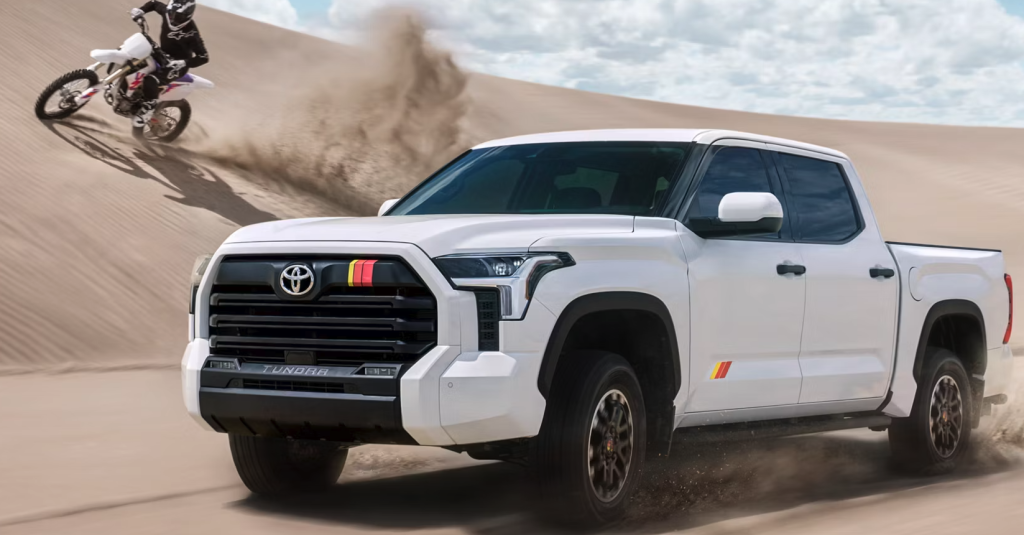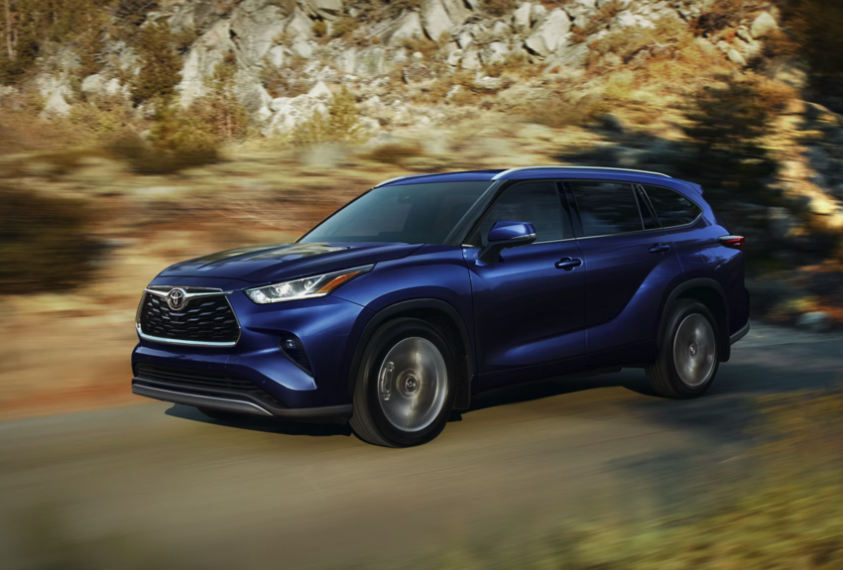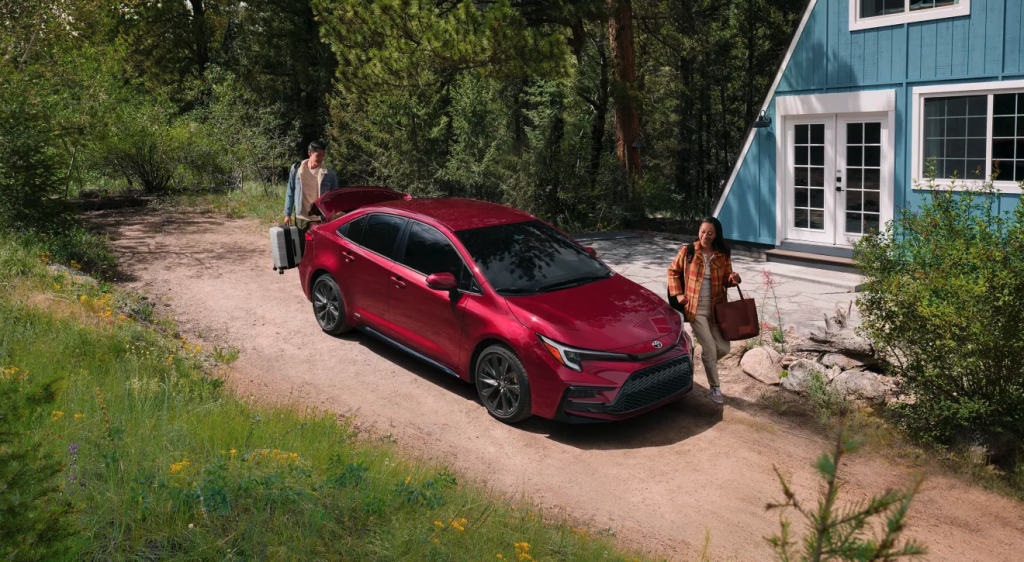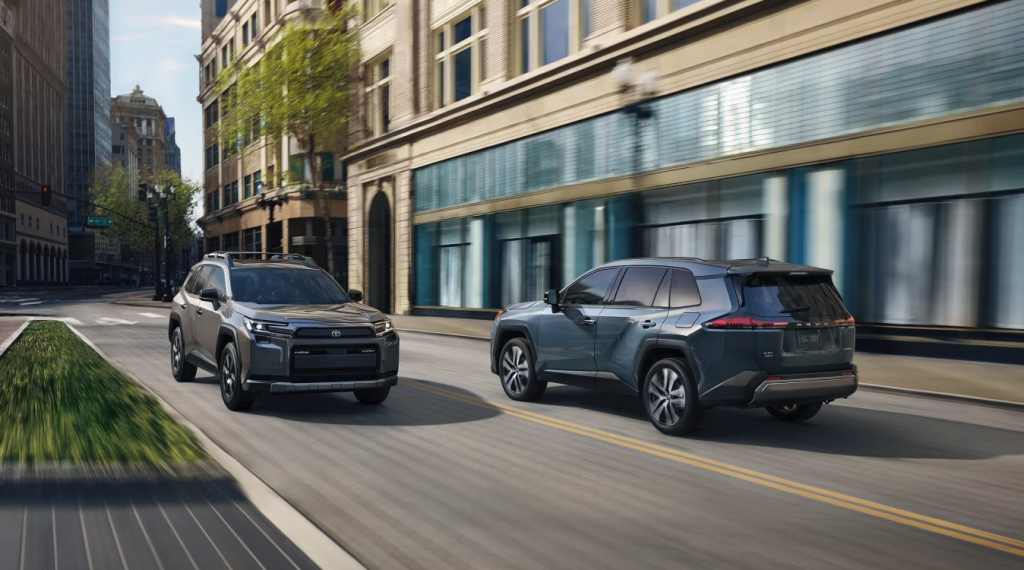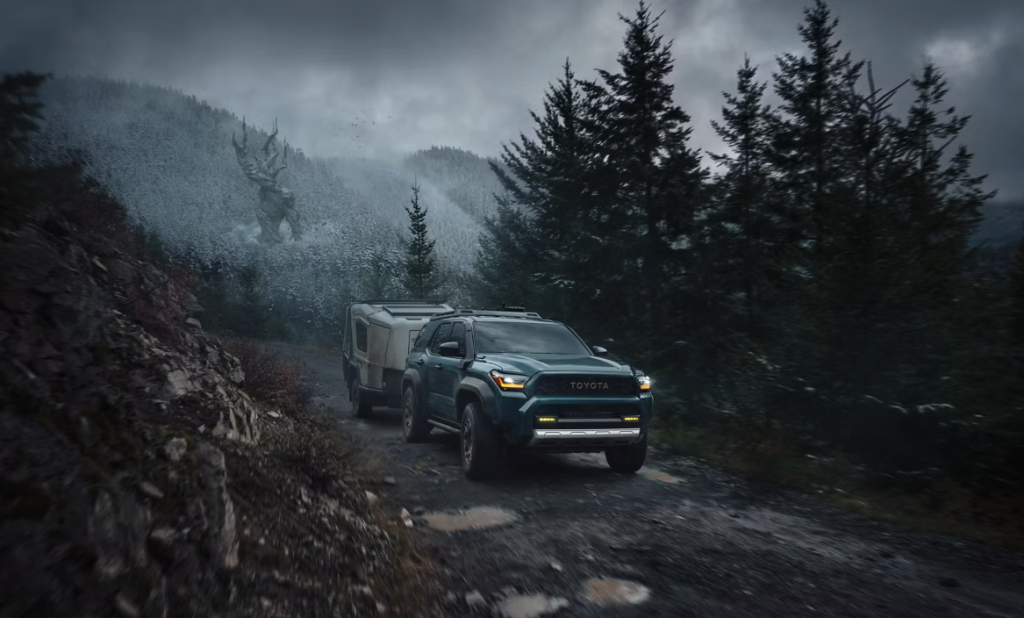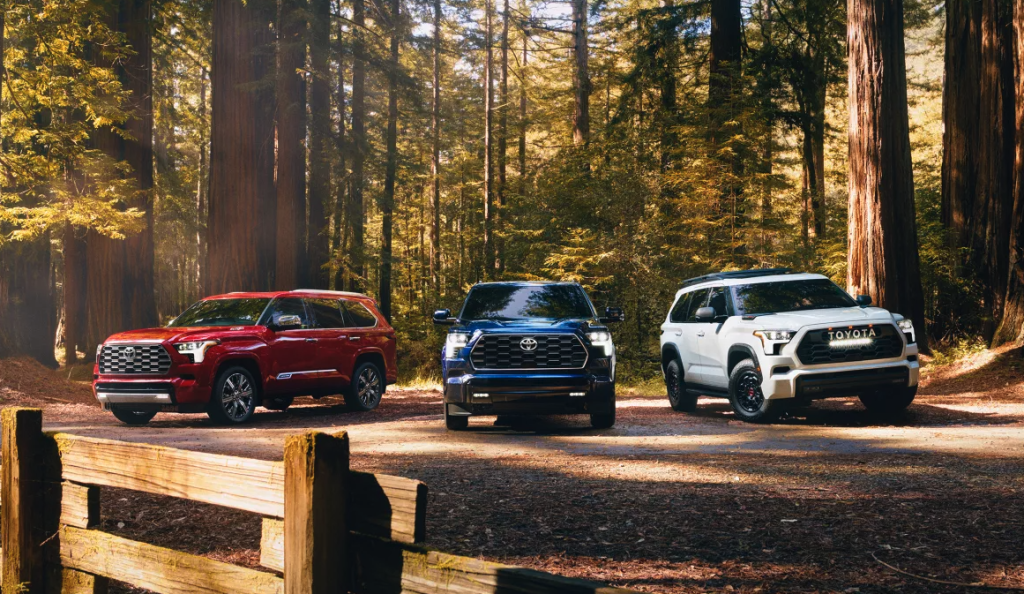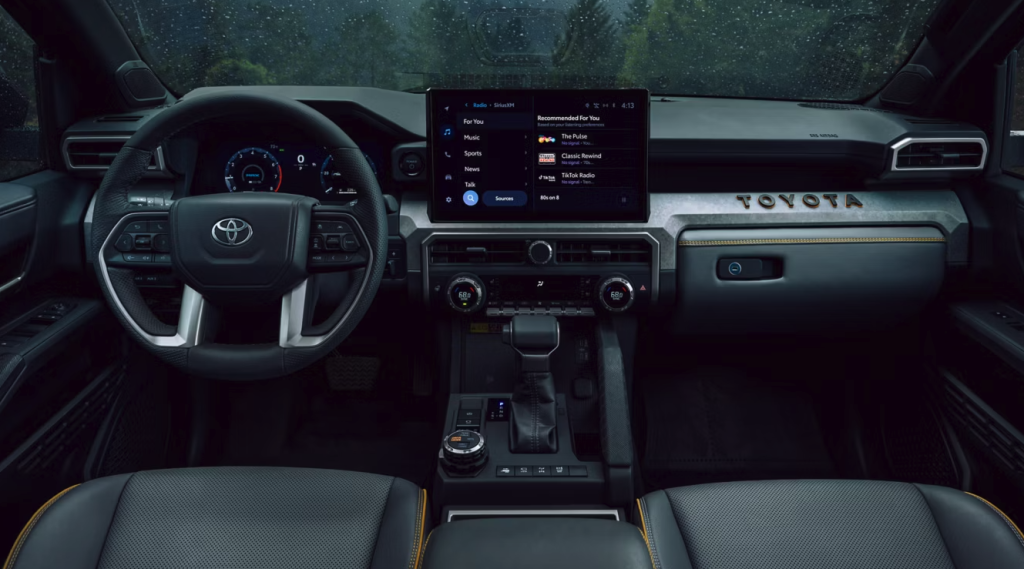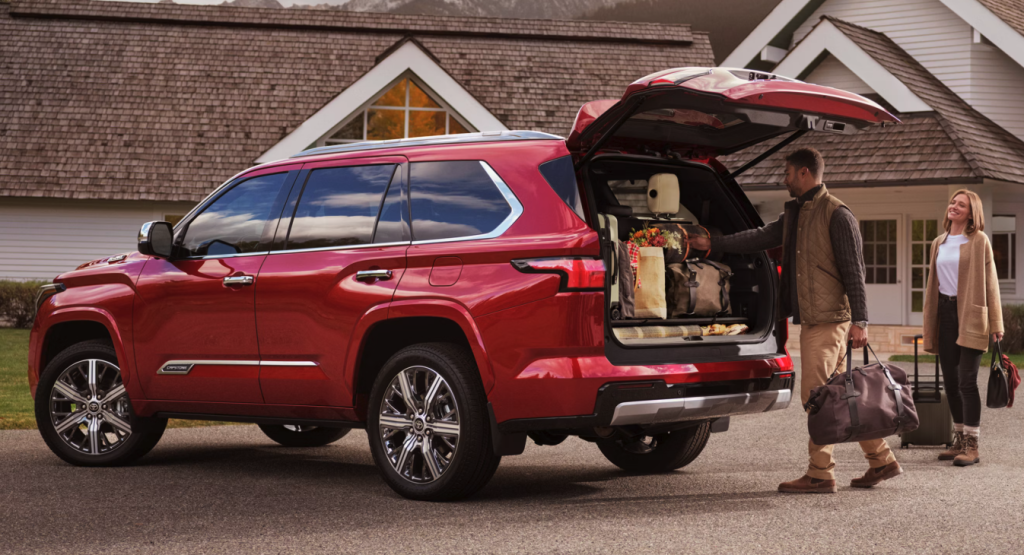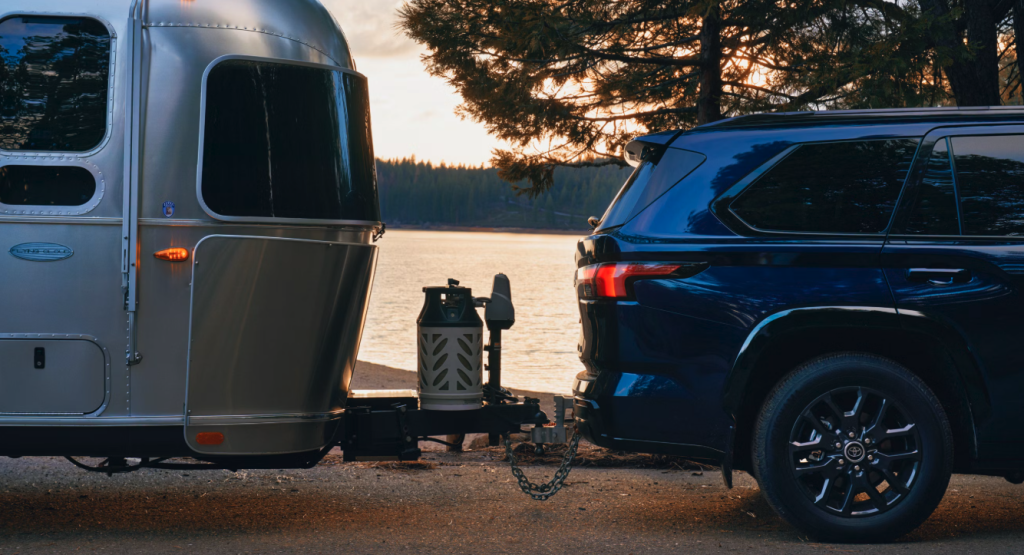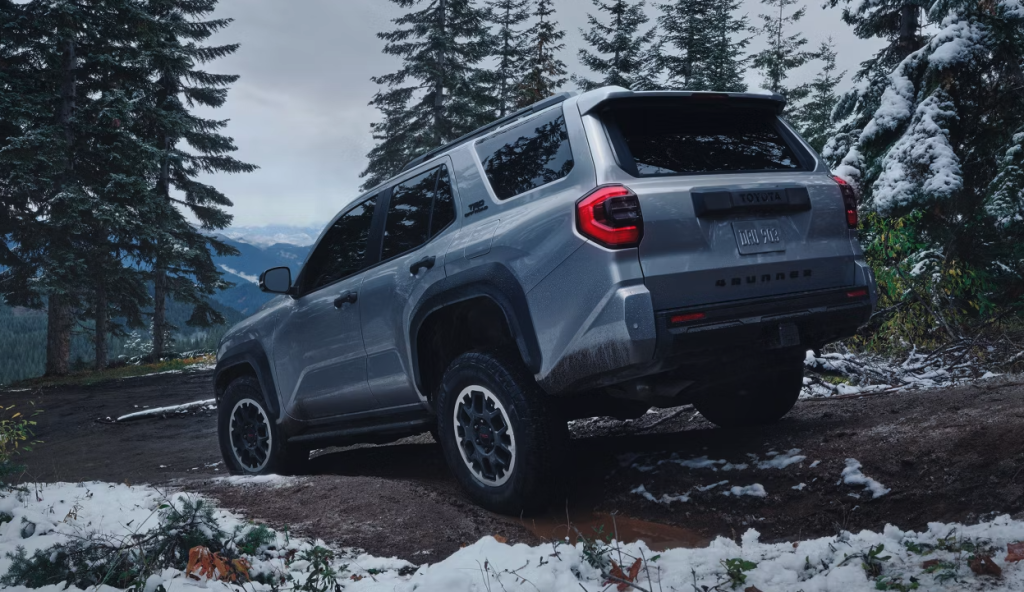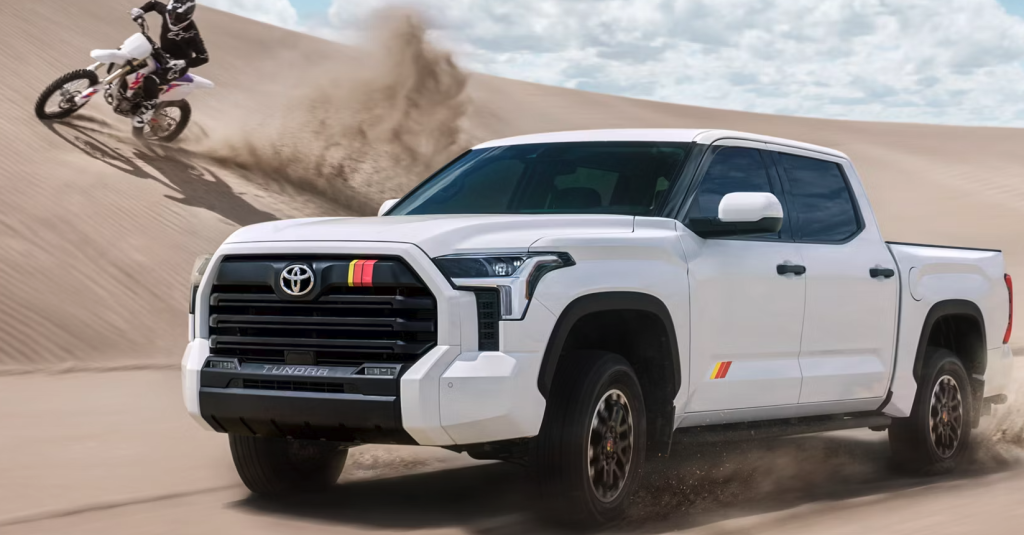
They’ve been called the “Toyota twins” and the “sibling sedans,” and it’s true — the Toyota Corolla and Camry have plenty in common. Both vehicles are extremely popular, top-ranked sedans that offer the quality customers have come to expect from Toyota. But when you’re shopping for a new or used car, you want to be sure that you’re making the best choice. That’s why we’re breaking down the differences between these two cars and showing you how both the Corolla and the Camry could drive away with your heart. Keep reading to get the details.
Space
The Camry and the Corolla are two of the world’s best-selling cars. In fact, with over 45 million sold worldwide, the Toyota Corolla remains the best-selling vehicle of all time! Both cars have attracted frenzied followings of drivers who know that both the Camry and the Corolla are top choices among similar sedans. One thing fans can’t get enough of is the ample space.
The Toyota Camry is a midsize vehicle. With room for five passengers, the cabin boasts 38 inches of rear leg room and a total of 100.4 cubic feet of passenger volume. Between the two cars, the Camry has about 11 more inches of back seat space, making it the easy choice for those who desire a little elbow room. It also has a more spacious trunk than the Corolla. Depending on the trim, the Camry comes with 14.1 or 15.1 cubic feet of cargo space, compared to the Corolla’s 13.1 cubic feet.
Of course, though the Corolla may be a bit smaller than the Camry, it doesn’t fall short on space. It offers about the same amount of headroom as the Camry, and has 34.8 inches of rear legroom, just slightly less than the Camry. You can still fit five passengers in the Corolla, but with 88.6 cubic feet of passenger volume, they will have a bit less space.
Remember: The Corolla is a compact car, so even though it has less passenger and cargo space, it also takes up less room on the road — and in the garage. The Toyota Camry extends about 10 inches longer than the Corolla, and it’s about 2 inches wider. That means the Corolla wins points for squeezing into tight parking spots and inching through congested traffic. If you plan to take long family road trips, run a carpool, or pile gear in the back of your car, the Camry is the car for you.
Power

Image via Flickr by nakhon100
When it comes to the business of building excellent cars, Toyota has been in it for decades. The Corolla debuted in 1966, followed by the Camry in 1982. Generations of families have chosen these twin Toyotas as their vehicles for fun, business, day-to-day, cross-country travel, and so much more. On top of that long history, Toyota has built two powerful vehicles that can take you wherever you need to go.
As a midsize vehicle, the Camry is naturally the more powerful of the two. Shoppers can opt for a 2.5L four-cylinder engine that provides 203 horsepower and 184 pound-feet of torque, or a stronger 3.5L V-6 engine offering 301 horsepower and 267 pound-feet of torque. Every Camry comes equipped with an eight-speed automatic transmission. When it comes to power, the Camry delivers.
Drivers will find that the Corolla, a smaller vehicle, offers slightly less power. Two four-cylinder engines are offered in the Corolla, including a 1.8L engine that provides 139 horsepower and 126 pound-feet of torque. For even more get-up-and-go, choose the 2L engine with 169 horsepower and 151 pound-feet of torque.
Yes, the Corolla may have a gentler drive, but its smaller size means it is likely to get better gas mileage. Additionally, Corolla shoppers get their choice of a continuously variable transmission (CVT) or a six-speed manual, while Camry shoppers do not have a manual option. Though the two cars differ in many ways, they do share a common popular feature. Both the Camry and the Corolla are available as hybrids. For drivers with an eye on environmental sustainability, this is a huge plus.
Features
Across the world, shoppers agree that both the Toyota Camry and Toyota Corolla are top-notch cars. Despite this global reach, both cars are actually produced close to home, right here in the U.S. The Camry has been built in Georgetown, Kentucky since 1988, while the Corolla makes its home in Blue Springs, Mississippi. At those factories, both cars are built with the integrity and attention to detail you have come to expect from Toyota. And by the time they roll out onto the roads, they are loaded with the features you want and need.
When you take the Camry and Corolla out for test drives, you get a closer look at what makes them unique, both inside and out. The Corolla’s interior is on the sporty side, with stylish plastic surfaces and metallic details. Its exterior is also sport-inspired, making it a stylish pick for drivers. The Camry, on the other hand, boasts an interior that’s a bit more refined, featuring layered wood inserts and an impressive digital display.
For those who want options, both the Camry and the Corolla come with plenty! The Corolla is available as a hatchback or sedan to match any driver’s style. The Camry is only offered in the sedan style, but drivers can choose from plenty of innovative technology and safety features, such as the head-up display, which projects important information directly onto the lower windshield. The Camry also comes with a fleet of standard safety features that drivers with families will appreciate. The same safety features are available as options on the Corolla.
Now that you know all about the Toyota Camry and Toyota Corolla, are you ready to take them for a test drive and find out which one suits you best? These siblings are both safe, spacious, and stylish, but they also have their own personalities. There’s no reason to wait — head over to Panama City Toyota, where you can check out both the Camry and Corolla. We look forward to helping you find the Toyota of your dreams.
Comparing Toyota Genuine Parts Vs. Aftermarket Parts
When your Toyota vehicle is in need of repair, you can either take it to your local dealership or an independent auto repair shop. A dealership uses genuine or original equipment manufacturer (OEM) parts to fix your car, while a third-party repair shop typically works with aftermarket parts. If you want to make the right repair decision, you need to understand the differences between these two kinds of auto parts. Check out this comprehensive guide to determine whether you should get genuine or OEM Toyota parts or aftermarket parts.
What Are Toyota Genuine Or OEM Parts?

Image via Flickr by Tim Evanson
When your vehicle comes out of a Toyota manufacturing facility, all of its components are genuine parts. This doesn’t mean the automaker produces every single part of your car. For example, Toyota may commission a third-party manufacturer to produce the fuel injector for one of its vehicles. The manufacturer will then carry out the production according to Toyota’s design, specifications, and quality standards.
Once it’s finished, the fuel injector will be sold on the market with Toyota’s name and guarantee on it. As such, it’s regarded as a genuine part in the automotive industry. When you purchase this type of part, you’ll see that it comes in a package with Toyota markings.
Many people have the misconception that OEM parts are genuine parts, but this isn’t entirely correct. In the example above, the third party may decide to manufacture the same fuel injector for distribution to auto dealerships instead of producing it exclusively for Toyota. In this case, the fuel injector is considered an OEM Toyota part because it came from the original manufacturer of the same product.
In terms of construction and function, the OEM fuel injector is practically the same as the genuine one, but it isn’t a branded product. It doesn’t carry Toyota’s brand name or qualify for the automaker’s warranty coverage. However, it may have a warranty from the third-party manufacturer.
What Are Aftermarket Parts?
Aftermarket parts refer to auto parts that aren’t sourced from Toyota or the OEM. They serve as more affordable alternatives to genuine and OEM parts. Although they may be significantly cheaper, it doesn’t mean they’re always inferior in quality. Their quality and functionality can vary greatly depending on their manufacturers. It’s important to note that aftermarket parts are generic products, meaning they may not fit your vehicle as perfectly as genuine or OEM parts.
Most aftermarket manufacturers purchase the rights to use the pattern or template of the OEM, which enables them to produce OEM-like parts. Sold as brand new products, aftermarket parts are usually the sheet metal or plastic parts that form the exterior of a vehicle, such as hoods, bumpers, and fenders.
Why You Should Get Genuine Or OEM Toyota Parts
While they’re usually more expensive, genuine or OEM Toyota parts offer many benefits over aftermarket parts. Below is a list of reasons why you should get genuine or OEM parts:
- Quick delivery: If you decide to go to an independent auto repair shop, you have to be prepared to wait quite a while to have your vehicle fixed because it may not be easy to find the specific aftermarket part you need. On the other hand, getting a genuine or OEM component is usually a quick process, especially if your dealership has the part in its inventory. If the part isn’t available, the dealership can order it directly from a Toyota parts center or the OEM with just a phone call or a few clicks of a mouse.
- Easy selection process: When you go to your Toyota dealership to purchase a part, you’ll usually have only one or two options to choose from. There’s no need to worry about the prices and quality of products from different brands, which you often have to do when buying aftermarket parts.
- Greater quality assurance: A genuine or OEM component should work exactly as the original part you’re replacing. It’s identical to the part that your vehicle had when it left the assembly plant, so you can rest assured it’ll deliver the same level of performance. Also, a genuine or OEM part doesn’t change the look or feel of your car, which gives you a sense of familiarity.
- Enhanced safety: It’s especially important to get a genuine or OEM part when you’re fixing collision damage on your vehicle. Some aftermarket parts don’t fit your vehicle perfectly or have proper crumple zones for additional crash safety. As such, they may not provide adequate protection for you and your passengers in the event of an accident.
- Warranty coverage: Generally, all genuine or OEM parts offer some form of warranty coverage as a way to provide quality assurance. The duration of the warranty is usually one year, but it may vary depending on the manufacturer. This means that you can have a genuine or OEM part repaired or replaced at no cost if it fails to work properly while the warranty is still valid. In contrast, aftermarket parts typically don’t come with a warranty. Also, bear in mind that using this type of part may void the manufacturer’s warranty on your vehicle.
- Expert repair services: Another benefit of getting genuine or OEM parts at your local Toyota dealership is that you can be sure your vehicle will be properly fixed. The mechanics at the dealership are specially trained to maintain and repair Toyota vehicles, so they have extensive knowledge and experience in working with genuine or OEM Toyota parts. If you take your car to an independent auto repair shop, you may have to deal with a mechanic who isn’t familiar with installing a specific aftermarket part.
Your Toyota vehicle is one of your most valuable possessions, so it’s worthwhile to invest a little extra money to make sure it’s properly repaired with a genuine or OEM replacement part. If you’re looking for a reputable Toyota dealership around Panama City that has a large inventory of genuine and OEM parts and provides top-notch repair services, feel free to get in touch with the helpful staff at Panama City Toyota.
Tips For How To Buy A Car Online
Instead of spending your time walking around a car dealership, you can search for a new car online quickly and easily. You can speak with sales managers, set up financing, and sign paperwork without ever leaving your home. Many dealerships will even deliver the vehicle right to your doorstep. Here are some helpful tips for buying your next car online.
Set A Budget
Before you begin searching, you need to know how much you can spend. You should think about the total cost of the car, taxes, registration, fees, and insurance. You should consider the cost of interest if you choose to finance your purchase, fuel, and maintenance as well. According to U.S. News & World Report, you should keep your car payment below 15% of your take-home pay. Also, look for vehicles that cost less than half of your annual salary.
For example, someone making $60,000 per year should be able to afford a car that costs $30,000. If they make $55,000 or roughly $4583 per month after taxes, they can pay 15% of their income, around $687 per month, in payments. For a car that costs $30,000, they could complete their payments in three or four years depending on interest rates. Fuel, insurance, and maintenance will add about $150 per month to your costs. The exact expenses will vary depending on fuel efficiency, insurance rates, and maintenance requirements.
You can save on interest by making a down payment, and trading in your current ride can help lower your costs as well. However, if you still owe money for a loan on your current car, you’ll need to pay the full balance before you make anything on your trade-in. If you want to keep both cars, make sure you can afford both monthly payments.
Do Your Research
Read some reviews of the cars, trucks, or SUVs you’re interested in, and decide whether you want to prioritize performance, features, cargo and passenger space, or price. Make a list of characteristics that are essential for you and those you would like to have. After you find some models that will fit your needs, check the prices for similar vehicles online. You can look at which features come with each vehicle and take your time to find the best deal.
Take A Test Drive

Image via Flickr by RL GNZLZ
Before you buy a vehicle, make sure you test drive it. It could look great on the website but have less space or maneuverability than you need. You could also decide that you would rather have a different color or more interior options. If you have kids, let them take a ride. They can tell you if the seating seems cramped or if there’s not enough room for them along with their backpacks. If the vehicle has an infotainment system or other features, get the salesperson to help you try them out and make sure they’re easy to use.
Talk Online With Internet Sales Managers
The next step in an online car purchase is to email or chat with a salesperson who can help you schedule a test drive and negotiate the price of the car you want. At Panama City Toyota, you can just click the button in the lower right corner of your screen to chat with a representative. You can also use our Express Store to take advantage of upfront, haggle-free pricing. You can get a trade-in offer for your current vehicle, set up financing, and figure out what your monthly payment will be.
Buy The Vehicle
To apply for financing, you’ll need to submit to a credit check and provide a physical or digital copy of your driver’s license and insurance card. Before you finalize the sale, you can look at a written or digital document with your payments, the interest rate, the term of your loan, taxes, fees, and any other elements of the contract. You can also negotiate online any parts of the deal you’re not satisfied with.
If you choose an extended warranty, remember to read its fine print, too. Make sure you know which components and systems will be covered and what your out-of-pocket expenses will be.
Choosing A Used Car
Buying a used vehicle is a great way to get more features for your money, and it’s almost as easy as purchasing a new vehicle. A used car could have scratches, dents, stains in the interior, or other damage, so you’ll need to examine the vehicle carefully. Look for worn tires or brakes, corrosion, or interior controls that don’t work. If you want a car that’s in excellent condition, look for options with low mileage. You can get a great deal on last year’s edition of your dream car, and it’s likely to look brand new and have most of the same features as the current model.
Use Panama City Toyota’s easy online search tool to find the best new or used car for your needs. You can also click on the Carfax logo to get a detailed history report. This will tell you how many owners the vehicle has had, whether it’s been in an accident, and what problems people have reported to mechanics. You can also find out if the original manufacturer’s warranty still covers the vehicle. To learn about any recalls on the make and model, do an internet search.
Remember to be patient and keep looking if you don’t find a used car that suits you right away. You may need to keep looking for vehicles for a while before you find the right one. Fortunately, you can save time by doing most of your shopping online. For a stress-free, simple buying experience, contact Panama City Toyota. We can help you decide which model is best for you and get a great deal. We’re open from 8:30 a.m. to 7 p.m. on weekdays, and we close at 6 p.m. on Saturdays.
Explore The 2021 Toyota Camry Trim Levels
With its legendary dependability, renowned safety features, confidence-inspiring performance, and comfortable ride, the Toyota Camry provides everything you could ask for in a mid-size sedan. The 2021 Camry offers even more of what everyone loves about this longstanding favorite. With more trim levels available this year than ever before, it’s easy to find a Camry that’s perfect for you. Here’s a quick breakdown of this year’s Camry trim packages to help you choose.
2021 Toyota Camry LE

Image used with permission via Toyota.com
The 2021 Camry LE is the base model of the line, and it has all the standard features you’ve come to expect, as well as some enhancements that will make you feel completely at home behind the wheel. It comes standard with a 203 horsepower, 2.5-liter, four-cylinder engine and an eight-speed automatic transmission with overdrive and auto-manual. The LE is available in standard front-wheel drive or all-wheel drive. It features 17-inch alloy wheels and four-wheel independent suspension.
The Camry LE gets an estimated 28/39 MPG city/highway. It boasts an integrated backup camera, automatic on/off headlights, power windows, and a tire pressure monitoring system. Its six-speaker sound system is compatible with Apple CarPlay, Android Auto, and Amazon Alexa. A 7-inch touch-screen display makes accessing digital controls easy and convenient. Toyota Safety Sense 2.5+ provides the safety features you need, including:
- Pre-collision system with pedestrian detection.
- Full-speed dynamic radar cruise control.
- Lane-keeping assistance.
- Automatic high-beam headlights.
- Road sign assistance.
- Automatic braking technology.
- Adaptive cruise control.
2021 Toyota Camry LE Hybrid
The LE Hybrid includes the LE’s range of features and adds several attractive points of its own, not least of which is its fuel economy of 51/53 MPG city/highway. Other upgrades include dual-zone automatic climate control, a smart key system with push-button start, and a four-mode switch for EV, ECO, normal, and sport driving. It provides 208 combined system net horsepower in FWD and has earned the emission rating of Super Ultra-Low Emissions Vehicle (SULEV).
2021 Toyota Camry XLE
The feature-laden Camry XLE maintains the sensible good looks and industry-leading performance of the LE model while packing in many attractive options. The XLE is outfitted with Audio Plus and a 9-inch touchscreen, leather-trimmed heated seats, a smart key system with push-button start, blind-spot monitoring with rear cross-traffic alert, 18-inch dark gray alloy wheels, and Qi-compatible wireless phone charging. It offers an estimated MPG of 27/38 city/highway.
The XLE is also available with a powerful 3.5-liter V6. This option also includes a panoramic glass moon roof, a 10-inch color head-up display, and a three-mode switch for ECO, normal, or sport driving.
2021 Toyota Camry XLE Hybrid
The XLE Hybrid combines the excellent feature set of the XLE with the economical and ecological benefits of a hybrid vehicle. In addition to the options listed above, the XLE Hybrid delivers a stunning 44/47 MPG and super low emissions.
2021 Toyota Camry SE
The Camry SE trim level offers a sportier set of features for drivers who want the Camry’s safety and dependability, but with a more performance-oriented look and feel. It features the same excellent 28/39 MPG as the base model. Its standard 18-inch black machined-finish alloy wheels, black mesh front grille, and color-keyed sport side rocker panels add aggressive touches to the Camry’s slick profile. Its Sport SofTex-trimmed front seats with fabric inserts and sport-tuned suspension ensure an engaging driving experience.
2021 Toyota Camry SE Hybrid
Truly embodying the best of both worlds, the Camry SE Hybrid combines the sporty looks of the SE with the fuel efficiency and standard amenities of the LE Hybrid model. In addition to the specs of the standard SE above, the SE Hybrid comes with dual-zone automatic climate control and a smart key system with push-button start. Its fuel economy is an impressive 44/47 MPG.
2021 Toyota Camry SE Nightshade
The Nightshade edition of the Camry SE takes the race-ready looks of the SE to the next level by blacking out the exterior, interior, and several key components. True to its moniker, the Camry SE Nightshade is only available in black, and its mirror caps, door handles, window trim, and badging are as black as night. While the SE Nightshade is mechanically identical to the Camry SE, all that stealthy black will certainly feel a little faster and provide a level of cool that would usually require aftermarket customization.
2021 Toyota Camry XSE
For drivers looking for a serious performance boost over the base-model Camry, the XSE is a great choice. Its dual exhaust with quad chrome tips and 19-inch gloss-black wheels are sure to turn heads, while the sport-tuned suspension offers a driving experience like that of the sporty SE model. You can expect a similar estimated MPG of 27/38 with the XSE, as well. The Audio Plus 9-inch touchscreen, leather-trimmed heated front seats, and Qi-compatible wireless phone charging make the ride that much sweeter. Consider the available two-tone black roof and rear spoiler to truly make a statement with your next Camry.
The Camry XSE is also available with a 3.5-liter V6 engine that takes its sporting performance to the next level. Like the XLE V6, the six-cylinder XSE includes a panoramic glass moon roof, a 10-inch color head-up display, and a three-mode switch.
2021 Toyota Camry XSE Hybrid
The Camry XSE Hybrid takes the feature set of the Camry XSE and adds it to a hybrid engine and drivetrain. As with other Camry Hybrid models, you can expect 44/47 MPG and an excellent emissions rating.
2021 Toyota Camry TRD
If you need a car for getting out on the open road and truly experiencing the drive, look no further than the 2021 Camry TRD. Its 3.5-liter V6 engine doesn’t compromise on performance, and it offers 22/31 MPG city/highway. With its 19-inch TRD matte-black alloy wheels, gloss-black front splitter, gloss-black rear spoiler, side aero skirts, and rear diffuser with red pinstriping, the TRD certainly looks like it means business. Add in race-ready features like a cat-back dual exhaust, TRD track-tuned coil springs, shock absorbers, and stabilizer bars, and 12.9-inch front brakes with eye-catching red calipers, and you’ve got a Camry for the ages.Check out the 2021 Camry line at Panama City Toyota. Whether you’re after the racing performance of the TRD or the excellent fuel economy of a hybrid, we’ll be happy to show you cars in all of these trim levels and set up a test drive. Contact us online or call us at 850-769-3377 to find the perfect 2021 Camry for you.
Get Spooked In Panama City
Panama City became an incorporated city in 1909, but this Florida city’s history stretches right back to the Ice Age. Local shell middens suggest the first residents arrived around 13,000 years ago. As the centuries have passed, many insist ghosts have taken up residence at many sites around the city. While you never know when you’ll have a supernatural encounter, visiting these spots should give you your best chance of getting spooked.
Camp Helen State Park

Image via Unsplash by Stefano Pollio
Camp Helen State Park seems like a little piece of paradise on the western side of Panama City Beach. Guests love the clean white sand and picturesque walking trails, but most are oblivious about the park’s sinister history. Local historian Emily Smith insists that not one but three ghosts haunt the campground.
The first is the ghost of Rose, a young slave girl slaughtered by Native Americans in 1843. The story says her passenger ship ran aground in stormy weather. The local tribe appeared friendly at first, but their chief killed Rose when the ship’s captain was out searching for food. Look out for her specter walking along the beach when the sun goes down.
Camp Helen State Park’s second ghost is another child, the grandson of Margaret Hicks, who once owned Camp Helen State Park. Hicks left the boy she called Gigi in the care of a cook and a nursemaid while she went grocery shopping in the city. The boy wandered down to the boat dock while his carers prepared lunch. Sadly, he fell into the water and drowned. A fisherman was the first person to see his ghost playing on the beach in 1996. As the years go on, more fishermen claimed they saw Gigi sitting on the pier or playing in the sand.
Many believe Camp Helen State Park’s third ghost is Captain Phillips, another victim of the Native American tribe. The ghost appeared to Hugh Comer in the old Hicks lodge, which he visited when a relative purchased it. Apparently, the ghost woke Comer from his slumber and insisted he leave his house at once!
Martin House
Martin House is a historic Panama City home built in the 1900s. It looks like an idyllic home, but all was not well within the family.
The Martins led a well-to-do household and employed servants to make their lives easier. However, Mr. Martin was a jealous man who believed his wife was becoming too close to one of the male servants. In a fit of jealous rage, Mr. Martin allegedly forced his wife to watch as he hung the servant from a tree. Local gossip about the incident became too much for Mr. Martin. He allegedly hung his wife and children from the same oak tree before hanging himself. Residents insist the Martins now haunt the home.
Rock-Tenn, a local paper mill, now owns the home and uses the space for company events and meetings. The company boarded off the upstairs space, a decision that locals believed was necessary to contain the spirits. Before Rock-Tenn took ownership, locals say they saw ghostly figures with jet black eyes on site. Someone even suggested a figure like this threw their friend from a window. Many also heard screams and loud thumps they could never explain.
Smurfit-Stone Paper Mill
Rock-Tenn isn’t the only local paper mill with a paranormal connection. Legend has it an ax murderer killed a young girl where the Smurfit-Stone Paper Mill stands.
Some people say they’ve seen the victim’s spirit playing on a nearby swingset. Others claim their cars have stalled somewhere near the site of her demise. But the spooks don’t stop there. The young ghost controls the electric windows and radio, turning them on and off at will. Some even say she’s climbed on the hood of their cars and used her bloody finger to spell out the word “help” on the windshields.
The victim’s ghost may not be the only one at the paper mill. Some people say they’ve spotted the killer’s specter, with his bloody ax in hand.
Holiday Inn Resort Panama City Beach
Be prepared for a fright if you check in at the Holiday Inn Resort Panama City Beach. Legend has it that one male guest checked in but never checked out. Ever since, tourists staying near the top floors have reported strange happenings at the Holiday Inn.
Alarms, lights, and televisions reportedly switch on and off at all hours of the day and night. Some people even swear they’ve seen a specter standing between their double beds. What a sight to wake up to! The ghost allegedly wears shorts and a T-shirt and has sunglasses hanging around his neck, so spotting him among the other travelers may prove difficult!
The Building At 5101 West Highway 98
The building at 5101 West Highway 98 certainly had a colorful life. It was originally Confetti’s Nightclub, before becoming J. Malone’s Nightclub, then the Mexican restaurant El Potosino, followed by Wingin’ It Sports Bar. It was eventually torn down, perhaps because local entrepreneurs just weren’t willing to take a risk on this haunted site. In its place, Panama City will get a new overpass linking the city with the beach. Only time will tell whether this new construction inspires the ghostly residents to move on.
The hostile spirits seemed reluctant to welcome visitors, no matter what the business was. Guests complained about objects thrown at them with no known source. The violent sounds coming from the bathrooms and unexpected flushing was also unsettling. Some people even claimed they saw “nebulous” spirits roaming around the venue.
Getting spooked sounds like fun, but after a ghostly encounter, you’ll probably want to make a quick getaway! For a vehicle you can count on when you need to move fast, visit Panama City Toyota. We have a reliable range of new and used cars at some of the city’s most competitive prices. Our on-site service center will also keep your car performing at its best. Call us at (850) 769-337 or visit our dealership on West 15th Street to learn more about our services.
Compare The 2021 Toyota RAV4 Vs. 2021 Honda CR-V
Compact SUVs are popular because they can easily handle everyday life demands such as carrying goods and people. If you are in the market for a compact SUV, chances are you’ll be choosing between the 2021 Toyota RAV4 or the 2021 Honda CR-V.
Despite being manufactured by different companies, these two small SUVs have many similarities. Both are five-seaters and have spacious trunks for ferrying cargo. Moreover, they have an elevated ride height that ensures you have a clear view of the road while driving.
Handling the RAV4 and the CR-V is much easier compared to bigger SUVs. Driving either is like being in a sedan, with differences such as a better view of the road and a bigger storage space.
That said, these vehicles do have dissimilarities. Read on to discover the specifications of the most recent generations of these two compact SUVs.
Price
Both the CR-V and the RAV4 are more pricey than other compact SUVs. The base trim of the RAV4 LE costs $26,050, while the base CR-V LX costs $25,350. On the premium side, the RAV4 Limited costs $34,580, whereas the CR-V Touring costs $33,650. Although the Honda is cheaper, you should compare features before making a purchase.
Interior Features
If you are wondering why the RAV4 is costlier than the CR-V, you need to look at its interior features. The Toyota comes with a standard entertainment system featuring a 7-inch touch-screen display, Bluetooth, a Wi-Fi hot spot, and support for Apple CarPlay and Android Auto. On the other hand, The Honda has a 5-inch screen, a USB port, and Bluetooth support. You have to pay more to get the features available in the RAV4.
Both SUVs are available with upgrades such as navigation, a sunroof, and dual-zone climate control.
Acceleration
Both Toyota and Honda come with a single engine. However, the RAV4 is more powerful, as it has a 2500cc 4-cylinder engine with 203 horsepower, compared to the CR-V’s 190 horsepower 1.5-liter engine. Though the Honda delivers a decent performance, it can’t keep up with the RAV4.
Fuel Economy
Compared with other compact SUVs, the 2021 RAV4 and the 2021 Honda CR-V have excellent fuel economy. However, the RAV4 requires fueling less often.
On city roads, both vehicles have a fuel rating of 28 mpg. There is a slight difference on highways since the Toyota has a fuel rating of 34 mpg, while the Honda has an mpg of 35. In all-wheel-drive, both models have an mpg of 27, but the Toyota has an mpg of 34 mpg on highways, which is a mile more compared to the Honda.
Safety
Regarding safety, Toyota has gone out of its way with both models to ensure passenger safety. The National Highway Traffic Safety Administration gave both a 5-star overall crash test rating.
Some of the notable safety features in these vehicles include forward collision warning, automatic emergency braking, automatic high-beam headlights, lane departure warning, adaptive cruise control, and rearview cameras. Additionally, the RAV4 has road signs and pedestrian detection, as well as lane trace assist.
Driving
When it comes to driving, the 2021 Toyota RAV4 lives up to expectations. Like the latest versions of Camry, Corolla, and Prius, it features Toyota’s New Generation Architecture.
The RAV4’s drivetrain ensures you’ll be comfortable while on the wheel. Regardless of the terrain, the engine and the transmission work together seamlessly to propel your car forward.
The drivetrain’s power makes Toyota a bit noisy at times, especially if you fit big, thin tires. However, it isn’t deafening.
The CR-V offers a decent driving performance. The automatic transmission makes the most of the engine’s torque band, ensuring that the car accelerates smoothly and responds promptly when you step on the accelerator. You might experience a slight lag during rolling acceleration, but this issue is nonexistent from a standing start.
You are likely to hear some noise under the Honda CR-V when speeding. Nevertheless, it’s not loud enough to irritate your ears.
Design
The 2021 RAV4 is perhaps the most masculine compact SUV. Its exterior design contributes a lot to this characteristic. For instance, the Edge variant has a unique bumper, grille, fog-lamp surrounds, skid plate, and wheel-arch moldings. Even the cheaper GX has elegant 17-inch rims.
The CR-V’s design is a minor improvement on previous models. Most of the changes made on this year’s iteration of the SUV are intended to improve its visual appeal. For example, the front bumper now looks like a silver mustache, while the rear bears a blacked-out finish. Models in the VTi range also have new shaped exhaust tips.

ImageUsed with Permission via toyota.com
Seat Comfort
The Toyota RAV4 and the Honda CR-V both seat five. However, the latter beats the RAV4 when it comes to seat comfort, as it has more legroom in its back-row seats. Standard models of both vehicles come with cloth upholstery, but you can upgrade the Toyota with synthetic leather.
While both crossovers have heated front seats, only the RAV4 enables you to install heated rear outboard seats and ventilated front seats.
Cargo Space
For an average compact SUV, both the RAV4 and the CR-V have massive storage space. The Honda has 39.2 cubic feet behind the second row, which is slightly more than the RAV4’s 37.6 cubic feet. With the back seats down, the Honda offers you 75.6 cubic feet, compared to Toyota’s 69.8 cubic feet.
After Sales Service
Both models have a five-year unlimited warranty, but you can extend the RAV4’s to seven years if your car has logbook servicing. When it comes to service charges, Toyota is a bit cheaper at $210 per visit, as Honda charges $312 per visit.
Conclusion
There’s not much difference between the 2021 Toyota RAV4 and the 2021 Honda CR-V. The Toyota offers better acceleration, elegant interior features, and improved fuel economy. On the other hand, the Honda has more cargo space and relatively comfortable.
If you want a crossover SUV that you can drive comfortably across challenging terrains, look no further than the 2021 Toyota RAV4. It might be a little costlier than the CR-V, but it’s surely worth it. Feel free to call or visit us for more information.
Can I Sell My Car To A Dealership?
If you’re planning to get rid of your current car, you may be wondering if you can sell it to your local dealership. The answer is, yes, you can definitely do that. In fact, it’s the best way to sell a vehicle, especially if you want to save time and not have to hassle with potential buyers. Find out more about the benefits of selling your car to a dealership and how you can get the best possible deal.
Benefits Of Selling Your Car To A Dealership

Image via Unsplash by introspectivedsgn
Anyone who’s tried to sell a vehicle on their own knows that private buyers can be difficult to deal with. From no-shows to unrelenting haggling, you have to be prepared to face all kinds of problems that can cause unnecessary stress and frustration. That’s why many people prefer to sell their car to a dealership. Here are a few good reasons why you might want to do the same:
Deal With Someone You Can Trust
When you advertise your used car online, you never know who will contact you. If you aren’t careful in choosing who you invite to your home to view your car, you’ll be exposing yourself to potential security risks. You may inadvertently give somebody too much information, making it easier for them to steal your vehicle. It’s also possible that you get into a heated exchange with a disgruntled buyer who isn’t satisfied with your offer. While most private buyers are decent and trustworthy people, there’s still a likelihood that you may meet suspicious people who have ill intentions.
If you don’t have the time to screen potential buyers or you just want to play it safe, consider selling your car to a dealership. A dealership is in the business of selling and purchasing cars, so you rest assured they won’t have any intentions other than buying your used car. You can also be certain they’ll pay you the agreed upon amount if they decide to purchase your car. A dealership has a reputation to keep, which means they’ll deal with you in an honest and professional manner.
Save Time And Effort
Selling your vehicle yourself can be time consuming and troublesome. You have to be prepared to answer a lot of phone calls and meet with potential buyers until you sell your used car, which requires you to sacrifice your free time. Some of these buyers may not show up for their viewing appointments, while others may take a long time to inspect your car. The hassle doesn’t end when someone agrees to buy your car because you have to do a lot of paperwork to transfer ownership to them.
At a dealership, the process of selling your car is a lot easier and quicker. All you need to do is let them quickly inspect your car, hand them your vehicle title and insurance papers, and then get paid. Typically, a dealership will pay instant cash for your used car as well as handle all the required paperwork. If your car is in relatively good condition and you own it outright, the entire process won’t take long at all.
Get A Better Price
The problem with private buyers is that they may not have done proper research on the market value of your vehicle. As such, some of them may offer to buy your car at a price that’s way below its actual value. Sometimes, buyers who are aware of your car’s market value will try to lowball you with a ridiculous offer. If you fail to stand your ground, you may end up selling your vehicle at a much lower price than you had intended.
A dealership can offer a better price than a private buyer. They sell and buy vehicles of the same make as yours, so they’re able to come up with an accurate estimate of how much your car is worth. Therefore, you can expect to get a reasonable price. If you’re replacing your old vehicle, it’s a good idea to opt for a trade-in instead of just selling it. By doing so, you can lower the purchase price of your new car and the amount of sales tax you need to pay.
How To Sell Your Car At A Dealership

Image via Unsplash by aginsbrook
Selling your car at an auto dealership is usually a hassle-free experience, but you can do a number of things to make the process even smoother and get a better deal. Take the following steps before you sell your vehicle at your local dealership:
- Have your vehicle inspected and repaired: Before you bring your vehicle to a dealership, you should hire a professional mechanic to make sure everything is working as it should. Even if your car is relatively new, it won’t fetch a good price if it has too many damaged or faulty components.
- Know your car’s market value: Many online vehicle valuation tools are available that you can use to find out how much your car is worth. Knowing your car’s value enables you to negotiate for a better price.
- Prepare your documents: Make sure you have a vehicle title that’s ready to be transferred to a new owner. If you haven’t paid off your car loan and your lender is holding the title, you can still sell your car to the dealership. However, the dealer may require you to pay part or all of the amount you owe before paying you any cash. This type of sale usually takes longer to process than a title-for-cash sale.
If you’re planning to sell a used Toyota, consider bringing it to Panama City Toyota. With more than 25 years of experience in auto sales, we have extensive knowledge of the market values of all Toyota models. Therefore, you can count on us to give you the best possible deal on your used Toyota. If you want to trade in your car, we have a wide selection of top-quality new and used Toyotas for you to choose from. Contact us today to schedule an appointment.
Panama City Toyota wants to help you have the ideal car shopping experience when you check out Toyota’s new 2021 SUV lineup. You will be spoiled for choice as you start to peruse Toyota’s pickup truck and crossover SUV models for this year. Since there are so many great options to choose from, we’ve compiled a breakdown of seven excellent vehicles. With this guide in hand, you’ll be able to discover the exact vehicle that is a great fit for your needs and doesn’t push your budget to the limit.
Toyota CH-R

Image used with permission via toyota.com
At Panama City Toyota, we are beyond excited to have the new 2021 Toyota CH-R on hand. The CH-R is priced starting at just $21,445. That sticker price brings with it a total of 12 colors to choose from along with a unique, streamlined interior that will light up anyone’s eye.
There have been some updates to this new model’s safety features, like pedestrian detection, that make this an incredible car for city driving. The integrated backup camera and ten airbags located throughout the vehicle ensure not only your safety but the safety of all your guests driving with you in this sharp, fuel-efficient car.
Toyota RAV4
This compact SUV is anything but dull. The 2021 Toyota RAV4 truly stands apart from the vehicles in its class with a sporty look that is bursting with personality. One of the major differences between the 2021 RAV4 and its predecessors is that this 2021 Toyota crossover is a plug-in hybrid. This is a car that is ready to take on the modern driver with its $26,050 starting price, trailer-sway control, and a 7-inch touch screen.
You can get the RAV4 in many different configurations, like the XLE, XSE, and XLE Premium trims. These different trims open up more options for you to pick out once you have decided that the 2021 Toyota RAV4 is the right vehicle for you.
Toyota Venza
The 2021 Toyota Venza is filled to the brim with top-notch tech features. This latest iteration of the Venza has an impressive starting price among Toyota’s line up for 2021 — only $32,470. This newly updated car comes standard with an all-wheel-drive hybrid drivetrain and is very fuel-efficient. The interior is the height of luxury, with the heated leather-trimmed steering wheel and ventilated front seats making any drive feel like an exercise in personal comfort. The 18-inch, two-tone alloy wheels will prove to be eye-catching, but the smart lines of the Venza’s robust exterior are hard to ignore, too.
Toyota 4Runner
The Toyota 4Runner has a manufacturer’s suggested retail price (MSRP) of $36,340 and is designed to be the go-to vehicle for all of your outdoor excursions. Toyota went ahead and reconfigured the 2021 4Runner’s 17-inch wheels so they could confidently take you over the most intense terrain you encounter while out on your next adventure.
This year’s release of the Trail Special Edition trim is available on the 4Runner model and on the Tacoma and Tundra as well. This trim comes with a Yakima LoadWarrior basket for your cargo in addition to 17-inch dark gray alloy wheels and an 8-inch touch screen. This is a vehicle that will keep you ready to take on the great outdoors but won’t leave you without any modern conveniences.
Toyota Highlander
Since its inception, the 2021 Toyota Highlander, with an MSRP of $$40,010, has brought vehicular technology to the forefront. It has always been a unique SUV, but with its new configuration for 2021, the Highlander is better than ever. Toyota showcased the new Platinum trim this year and this level has everything you could need in an SUV. The well-designed exterior of this model and its unique interior trimmings definitely elevate this impressive SUV to the next level.
You’ll be excited to note that all of the Highlander models come standard with LED projector headlights. There’s no need to worry about getting lost in new cities while you go road tripping either, as the Highlander’s navigation system provides you with the most accurate map information as well as points of interest. Driving in the Toyota Highland means that the possibility of exploration is endless.
Toyota Sequoia
The new Toyota Sequoia SUV is just itching to take you on an adventure. Toyota unveiled the latest Nightshade Edition model for the 2021 Sequoia and it is certainly a cool new look. This model cruises with predatory style, sporting a dark chrome grille that sits low and relaxed with black 20-inch alloy wheels, dark chrome moldings on the sides, and delicious black leather upholstery adorning its interior.
You can’t make a bad choice with any of these impressive vehicles from Toyota’s 2021 lineup, but we hope that we’ve helped you narrow down which ones may be the best fit for you. At Panama City Toyota, we’re here to help you navigate any concerns or questions you may have about these great choices. If you’ve got your eye on one of these new vehicles and want to get some more details or even schedule a test drive, give us a call today. We are happy to take care of all of your automotive needs.
Does The Toyota RAV4 Have All-Wheel Drive?
If you’re looking for an impressive all-wheel-drive (AWD) vehicle that gives you the confidence and safety you need on the road, consider the 2021 Toyota RAV4. Although it doesn’t come standard on all trims, all-wheel drive is available on every RAV4. Use this guide to learn more about the benefits of the AWD system and how you can maximize its use when you’re driving your RAV4.
Do All Toyota RAV4 Models Have AWD?

Image via Flickr by JesusAbizanda
As one of the bestselling passenger vehicles on the market, the Toyota RAV4 is a crossover SUV that gives you a premium driving experience. Most RAV4s come standard with front-wheel drive (FWD). The exceptions are the hybrid and plug-in (Prime) configurations, as well as the TRD Off-Road and Adventure trims, which all come standard with AWD. The hybrid comes in three trims (LE, XSE, and XLE Premium), while the plug-in Prime comes in two trims (SE and XSE).
When you stop into Panama City Toyota, you can select AWD on the 2021 Toyota RAV4 on any of its six trim levels:
- LE
- XLE
- XLE Premium
- Adventure
- TRD Off-Road
- Limited
Even if you opt for an earlier RAV4 model, both the 2020 and 2019 editions come with optional AWD.
What Does All-Wheel Drive Do?
In vehicles with AWD, the drivetrain sends power to all four wheels equally and constantly. Front-wheel and rear-wheel-drive models do the opposite, sending power only to the front or rear wheels, respectively. All-wheel drive can keep your vehicle moving forward better, especially when you’re traveling across rain-slicked or snow-covered roadways. This feature is engineered to let each tire rotate at its own speed.
The RAV4 has several AWD systems available. The system you receive depends on the crossover’s trim and configuration:
- LE, XLE, Premium, Limited, and Plug-In AWD: You can choose to add Toyota’s basic AWD configuration to any of these trims for better handling and performance. The system will give you the confidence needed to travel in various road and weather conditions.
- Adventure and TRD Off-Road AWD: The Dynamic Torque Vectoring AWD system comes standard with these two trims. This system can direct 50% of the power to the rear wheels when necessary. These trims also include a Rear Driveline Disconnect that stops sending power to the rear when it’s not needed.
- Hybrid AWD: The hybrid comes with its own AWD system called Electronic On-Demand All-Wheel Drive. It uses the built-in electric motor to improve handling and deliver more power to the rear wheels when you need additional traction.
AWD Performance Features
When you select a RAV4 with all-wheel drive, you’ll be able to not only travel around Panama City easier but also tackle any type of difficult terrain in the area. To enhance your vehicle’s performance and capabilities, you can activate the following AWD features:
- Multi-Terrain Select: On gas-powered RAV4s with AWD, you can choose from four terrain modes (Mud and Sand, Rock and Dirt, Snow, and Normal). When activated, these features give you additional traction. They can sense slippage and adjust the engine throttle and brakes to maximize your driving experience on different surfaces.
- Drive Modes: With the simple touch of a button, you can change the vehicle’s driving modes. Select Normal to blend fuel economy with performance, Sport for sharper acceleration, and Eco to maximize fuel economy. Hybrid models have an EV mode that gives you pure electric power.
- Multi-Link Rear Suspension: This performance feature enhances the SUV’s handling and control by working with the vehicle’s body rigidity to keep the traction steady.
- Toyota New Global Architecture (TNGA): This new platform gives you a more refined driving experience. With a longer and wider stance, the SUV has better handling than before, and its strong core provides a smoother ride. It also gives you a naturally spacious interior along with a better view of the road.
- Engine and Transmission: All gas-powered RAV4s have the same powertrain. The 2.5-liter Dynamic Force four-cylinder engine produces 203 horsepower and comes paired with an eight-speed automatic transmission. On the hybrid, you have the same gas-powered engine, plus two electric motors to generate 219 horsepower. It comes paired with a Direct Shift eight-speed electronically controlled continuously variable transmission (ECVT). The plug-in engine gets 302 horsepower and comes standard with a continuously variable automatic transmission (CVT).
Advantages Of Driving A RAV4 With AWD
When you’re behind the wheel of a Toyota RAV4 and use its all-wheel-drive system, you can drive in confidence knowing you have access to several beneficial features. Some of these advantages include:
- Increased safety while driving in inclement weather.
- A better response time when driving in normal conditions.
- Stellar capabilities when traversing difficult terrain.
Gas Mileage With AWD
When it comes to fuel economy, the RAV4 attains some of the best numbers in the compact SUV class. With all-wheel drive and the base trim, expect to get an estimated 27 mpg in the city and 34 mpg on the highway. Other trims with AWD should get between 25 to 27 mpg in the city and 33 mpg on the highway. With the TRD Off-Road trim, you get about 25 mpg in the city and 32 mpg on the highway.
The RAV4 Hybrid piggybacks on the success of the gas-powered version for fuel economy. The hybrid gets an EPA-estimated 41 mpg in the city and 38 mpg on the highway. The RAV4 Prime can travel up to 42 miles solely on electric power, and it can get an EPA-estimated 94 mpg equivalent when combining city and highway driving. This MPGe is comparable to that of other plug-in vehicles.
Sometimes the best way to get a feel for certain vehicles is to get behind the wheel of one yourself. If you’re interested in taking the Toyota RAV4 for a test drive and seeing what the AWD system is all about, contact us at Panama City Toyota. Our employees can answer any questions you might have and help you drive off the lot in one of these fun and versatile vehicles today.
Car washes keep your car looking like new. When you drive your own car, you want it to look spotlessly clean to the point where it impresses. However, if your car’s windshield gets cracked, you may find yourself at a crossroads, wondering whether it would be safe to get it washed.
Can You Get A Carwash With A Cracked Windshield?

Image via Flickr by NatalieMaynor
Technically, you can physically get your car washed if it has a cracked windshield, but it may not be in your best interest. Your car’s windshield is a glass sandwich—two sheets of glass with a layer of plastic laminated between them—which means there’s room for water or moisture to get inside. If you get your car washed, water can seep into the crack and get trapped, weakening the structure of the glass. Weakened glass is more likely to expand and warp, making the crack worse or causing the windshield to shatter.
Also, if you go through an automatic car wash, which uses high-pressure water jets, high-velocity rollers, and abrasive roller brushes, you could put too much pressure on your windshield. Applying that pressure could cause the crack to increase or break entirely.
What You Can Do With A Cracked Windshield
Here are a few things you can do if you have a cracked windshield:
- Measure the crack: If the crack is less than 12 inches long, the damage can be repaired instead of having to replace the entire windshield.
- Protect the crack against dirt: Dirt that gets trapped in a crack can make it more difficult to fix. Covering the crack with clear tape can help, but make sure the tape doesn’t obstruct your vision when you’re driving.
- Keep your vehicle out of the sun: Built-up heat can weaken the structure of your windshield and cause the crack to spread.
- Use a windshield repair kit: You can purchase authentic windshield repair kits at your local hardware stores. To use the kit, you need to bore a small hole into the top layer of your windshield using a 1/16-inch drill bit. Then, insert the specialized resin from the repair kit into the hole to seal the glass. If you do the job well, you can reduce stress on your windshield and prevent cracks from getting worse.
- Use a cleaner designed for glass: Whether or not your car’s windshield is cracked, you should use a glass cleaner specifically developed for your car’s windshield. Don’t use regular glass cleaner or dish soap on your windshield, as you may end up with a streaky mess. Regular glass cleaners, such as Windex, often contain ammonia, which can eat through any tinting you have on your car’s windshield.
- Apply clear nail polish or superglue: Before attempting to fill the crack, you should clean your car’s windshield with an auto glass cleaner. Then, apply a clear super glue or nail polish to the crack. Allow the glue or polish to dry for a couple of hours, and then place a piece of clear tape over the crack to help keep dirt out until you can have the damage fixed.
What You Can’t Do With A Cracked Windshield
Aside from avoiding car washes, there are a few other things you should never do if you have a cracked windshield. These include:
- Don’t drive your car if the crack is more than 12 inches: The larger the crack, the greater the chance that it will shatter unexpectedly. In some states, you need to replace your cracked windshield with a new one to pass your safety inspection. Driving with such a larger crack can be very dangerous.
- Don’t use your car’s heating vent: Glass expands in hot temperatures and contracts when it gets cold. If you direct your car’s heating vent to your cracked windshield in cold weather, this may cause the damage to grow abruptly.
- Don’t jolt your car: Any kind of extreme motion that would cause your car to jolt could cause more damage. From driving over bumps at high speeds to slamming your car door and trunk, avoid jolting your vehicle altogether. This small action could turn a small crack into a large one, which means a minor, inexpensive repair could turn into replacing the whole windshield.
- Don’t use your car’s defroster: With cold weather still lingering, you may have to use your car’s defroster in order to see out your windshield. But, heating a cold glass quickly can cause your windshield’s crack to spread, or even shatter your windshield completely. Instead, warm up your vehicle for about five minutes before turning your defroster on.
- Don’t use paper products: While tissues, paper towels, and other paper products are designed to clean up messes, they can leave behind dusty residue and particles when they are used on glass. This residue can settle in your car’s windshield cracks. And while a tissue or paper towel may seem soft, it was not designed to clean your car’s windshield and it can actually scratch the surface of the glass. Instead, use a microfiber towel that won’t leave behind a filmy residue or scratch your windshield.
When To Replace Your Cracked Windshield
As a rule of thumb, you’ll want to replace your car’s windshield if:
- The glass in not laminated
- The crack is longer than 12 inches or the size of a quarter
- The crack is large enough that it runs across a large area of your windshield
- The crack extends to the outside edge of your windshield
Get Your Cracked Windshield Repaired
When your car’s windshield gets cracked, you can have it inspected by an auto glass professional. Your local auto glass shop technician has the equipment, training, and expertise to get the windshield repairs done right. They can help you decide what’s the best solution for repairing your cracked windshield and get you back on the road as soon as possible.
Now that you have finished reading this guide, we at Panama City Toyota hope you’ve learned some of the risks associated with washing your vehicle if your windshield is cracked. If you have additional questions before you start washing your car, or if you are looking for a new or used Toyota vehicle, don’t hesitate to reach out to us. You can also visit us for a quick cracked windshield repair.