
Blog / General Tips

Best 2026 Toyota SUVs Under $35,000 for Panama City Drivers

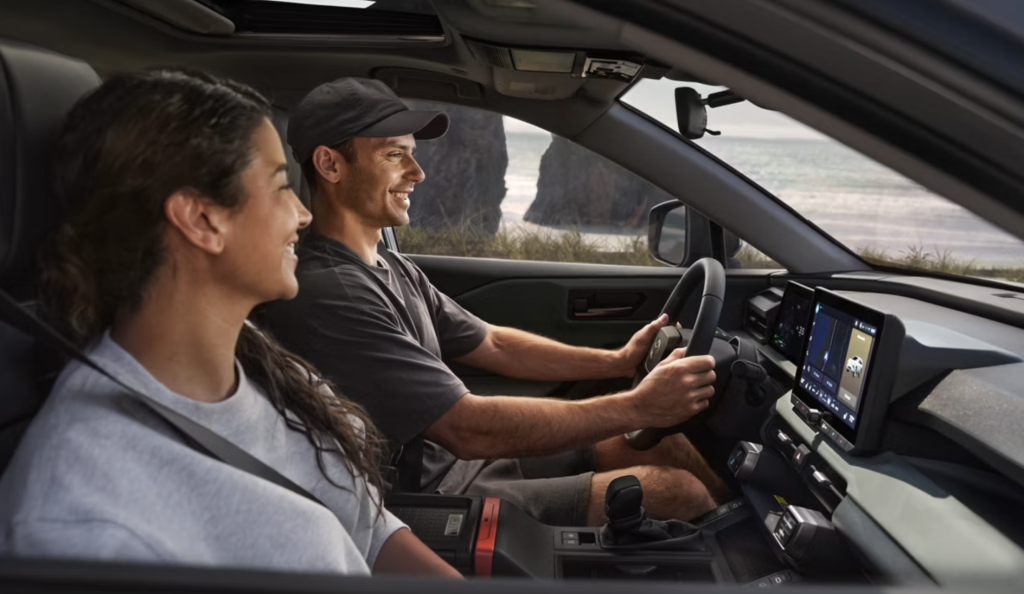
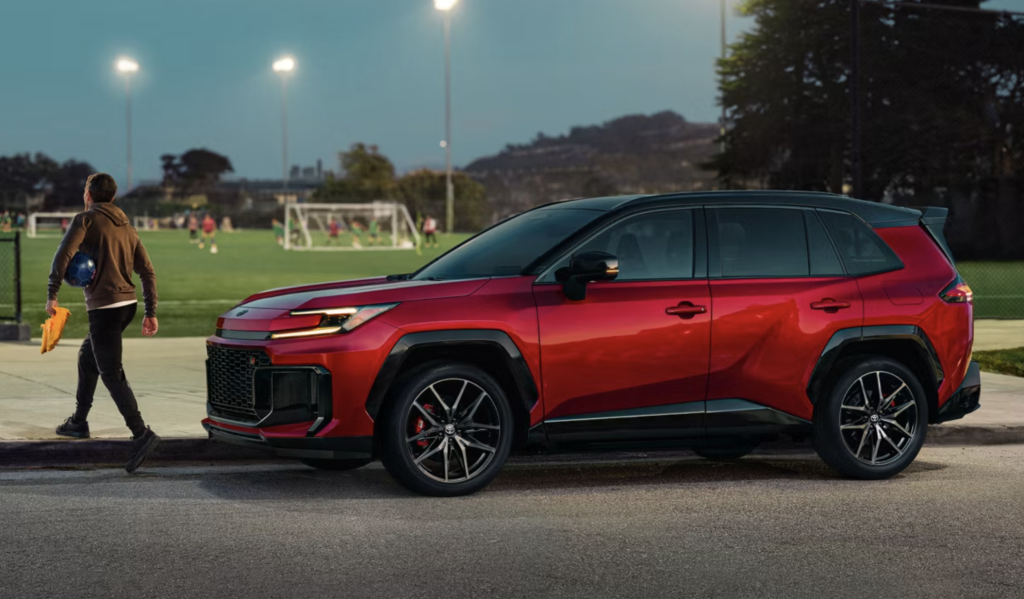
If you are shopping for the best 2026 Toyota SUV under $35,000 near Panama City, the clearest starting answer is this: the 2026 Toyota Corolla Cross is the most affordable and straightforward value choice, the 2026 Toyota RAV4 is the smartest step-up for shoppers who want more space and standard hybrid power while still starting under the $35,000 line, and the 2026 Toyota C-HR works only as a stretch-budget EV option because it starts at $37,000, not under $35,000. Toyota’s official pricing currently lists the 2026 Corolla Cross gas models starting at $24,635 and Corolla Cross Hybrid models starting at $28,995, while the all-new 2026 RAV4 starts at $31,900 and the 2026 C-HR starts at $37,000 before dealer processing and handling. 

That means the real budget conversation at Panama City Toyota is not simply “Which SUV is cheapest?” It is “Which Toyota SUV gives you the best value at your specific budget level?” For a first-time crossover buyer, that difference matters. A shopper trying to stay well below $30,000 has a very different shortlist from a shopper who can stretch toward $35,000 and wants more powertrain sophistication, more passenger room, or stronger long-term comfort. Toyota’s current 2026 lineup makes that especially interesting because the RAV4 is now hybrid-only, which changes the old gas-versus-hybrid debate, and because Toyota has added more EV choices like the C-HR and the renamed bZ. 

This article also fills a real content gap for Panama City Toyota. The dealership sitemap shows live research and inventory pages for the 2026 Corolla Cross, 2026 RAV4, 2026 C-HR, and 2026 bZ, but it does not show a dedicated budget-focused local guide built around the “best Toyota SUV under $35,000” question. The sitemap also confirms current 2026 Corolla Cross and 2026 RAV4 inventory in Panama City, which makes this guide timely for actual local shoppers rather than theoretical future buyers. 

A lot of current budget SUV roundups on the web stop at a simple price ranking. They usually tell shoppers which model starts lowest, then move on. That misses the real buying questions. Current comparison coverage often talks about Corolla Cross versus RAV4 in broad terms, but it leaves out what many first-time buyers actually need help with: where the monthly-value sweet spot sits, which features are worth stretching for, and when a more expensive SUV becomes smarter because of efficiency, resale, or standard equipment. That is the missing link we want to fix here at Panama City Toyota. 

Before we get into the detailed breakdown, here is the quick version we use at Panama City Toyota:

  • Choose the 2026 Corolla Cross if your goal is the lowest entry price, easier city driving, and strong everyday practicality. 
  • Choose the 2026 RAV4 if you want more space, more power, and standard hybrid efficiency while still keeping the base price under $35,000. 
  • Treat the 2026 C-HR as a stretch option if you want a bold all-electric SUV and can move beyond the strict $35,000 ceiling. 

Table of Contents

  1. 2026 Corolla Cross: The Most Affordable Toyota Crossover
    1.1 Gas vs Hybrid Value Below the $35K Line
    1.2 Technology, Cargo Flexibility, and Why Corolla Cross Fits First-Time Buyers
    1.3 Corolla Cross Comparison Tables
  2. 2026 RAV4: Hybrid Value That Still Starts Under $35K
    2.1 Why the Hybrid-Only RAV4 Changes the Value Equation
    2.2 Honorable Mention: 2026 C-HR Electric SUV Starting at $37K
    2.3 Budget SUV Comparison Tables
  3. Shop Affordable 2026 Toyota SUVs at Panama City Toyota
  4. Best 2026 Toyota SUVs Under $35,000 FAQs
  5. Visit Panama City Toyota for Your Budget SUV Test Drive

2026 Corolla Cross: The Most Affordable Toyota Crossover

Key Takeaway: The 2026 Toyota Corolla Cross is the best pure budget answer in the Toyota SUV lineup because it starts well below $35,000, offers both gas and hybrid approaches, and gives Panama City shoppers a compact crossover that stays practical without feeling stripped down.

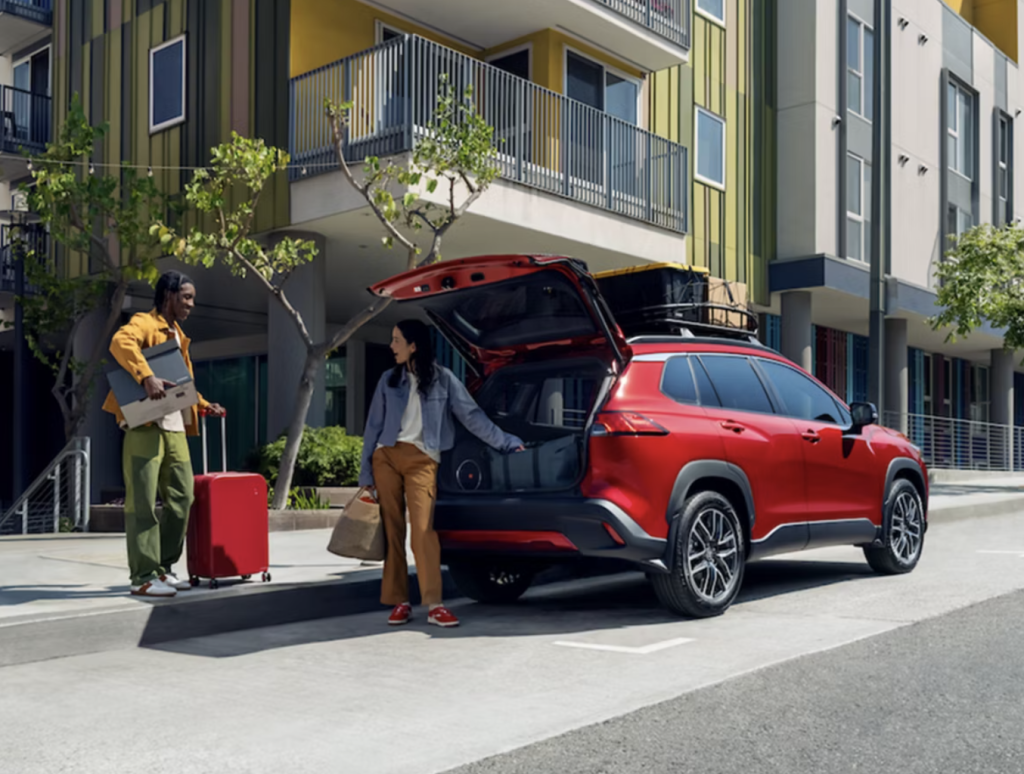
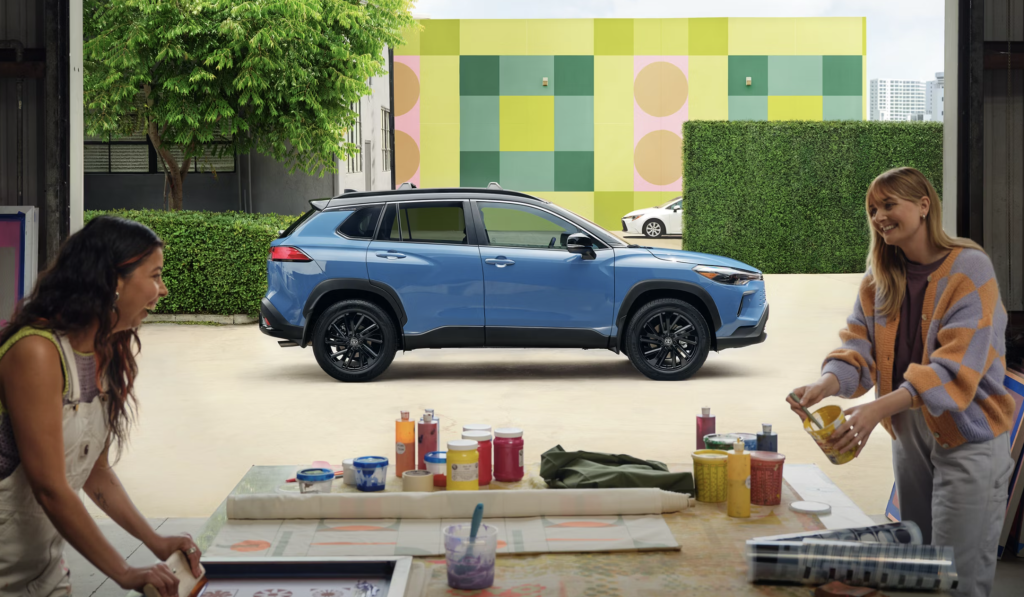
At Panama City Toyota, the Corolla Cross is where the budget SUV conversation starts for a reason. Toyota’s official 2026 pricing says gas-powered Corolla Cross models start at $24,635, while Corolla Cross Hybrid models start at $28,995. That spread is one of the strongest value stories in Toyota’s 2026 SUV range because it gives buyers two distinct ways to stay under budget. The gas model is the low-cost entry point for shoppers who want crossover practicality without stretching. The hybrid model stays below $30,000 while adding more power and stronger efficiency, which is a rare combination in this class. For a first-time SUV buyer in Panama City, that flexibility matters because it keeps the Corolla Cross from being a one-note bargain pick. 

Toyota’s 2026 Corolla Cross also benefits from a refresh that keeps it feeling current instead of merely affordable. Toyota’s newsroom says the 2026 Corolla Cross receives new front fascia designs, with a color-matched grille for hybrid models and a more rugged grille treatment for gas-powered models. Panama City Toyota’s local 2026 Corolla Cross page reinforces the same split by highlighting the gas model’s 2.0-liter engine and the general crossover’s emphasis on practical space, modern tech, and everyday comfort. That matters because budget-focused vehicles often lose buyers when they look too cheap or too outdated. The Corolla Cross does a better job than that. 

This is also where Toyota-versus-Toyota comparison becomes useful before any outside-brand comparison begins. Inside the Toyota showroom, the Corolla Cross exists as the affordable bridge between smaller car ownership and fuller SUV practicality. It is easier to buy than a RAV4 from a price perspective, easier to park than larger SUVs, and easier to justify for buyers who need a crossover more than they need extra power or maximum cabin room. That internal role is part of why it deserves to anchor an under-$35,000 guide. At Panama City Toyota, we view it as the most rational answer for shoppers who want their money to go as far as possible without giving up the SUV format. 

Gas vs Hybrid Value Below the $35K Line

The biggest strategic advantage of the Corolla Cross is that it gives buyers two different value philosophies without forcing them out of budget territory. Toyota says gas-powered Corolla Cross models start at $24,635 and use a 2.0-liter engine making 169 horsepower, while Corolla Cross Hybrid models start at $28,995 and use Toyota’s fifth-generation hybrid system with 196 net combined horsepower and 42 combined MPG for all hybrid grades, with AWD standard on the hybrid. That means the hybrid is not simply an MPG upgrade. It is also the more powerful version of the vehicle. For Panama City Toyota shoppers, that creates a smart decision point: buy the gas model for the lowest acquisition cost, or step into the hybrid for a more complete mix of efficiency, traction, and performance while still staying under $30,000. 
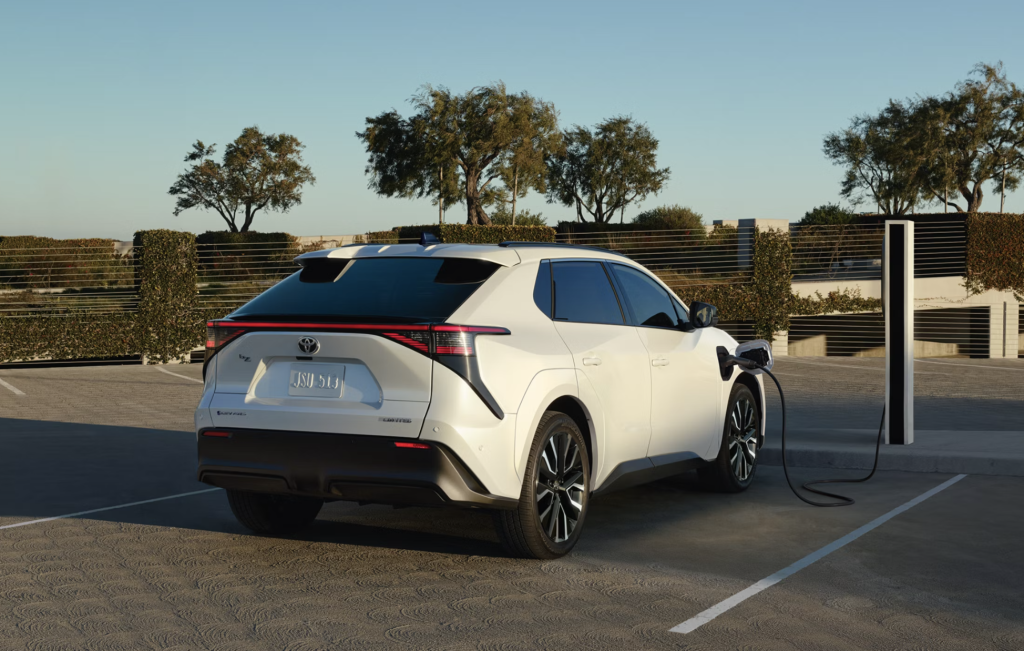
That difference matters more than many shoppers expect. In a lot of budget SUV articles, the Corolla Cross gets reduced to “the cheaper Toyota SUV.” That is only half true. Yes, the gas model is the cheapest 2026 Toyota SUV of the group we are discussing, but the hybrid model may actually be the stronger long-term value for many Panama City buyers because it combines more power, standard all-wheel-drive capability, and stronger efficiency without moving anywhere near the $35,000 ceiling. This is one of the article’s main “forgotten spec” points, and it is exactly the kind of detail many surface-level ranking pieces skip. 

There is also a local ownership angle here. A Panama City buyer who drives a lot around town, makes frequent errands, or wants predictable monthly fuel spend may see more benefit in the Corolla Cross Hybrid than in the cheapest gas grade. A buyer who simply wants the lowest possible entry cost into a Toyota SUV and expects modest annual mileage may be perfectly served by the gas version. At Panama City Toyota, that is why we do not treat “under $35,000” as one answer. We treat it as tiers. Under $25,000 points toward gas Corolla Cross. Under $30,000 keeps Corolla Cross gas and hybrid both in play. Closer to $35,000 opens the door to the base RAV4 as well. 

Technology, Cargo Flexibility, and Why Corolla Cross Fits First-Time Buyers

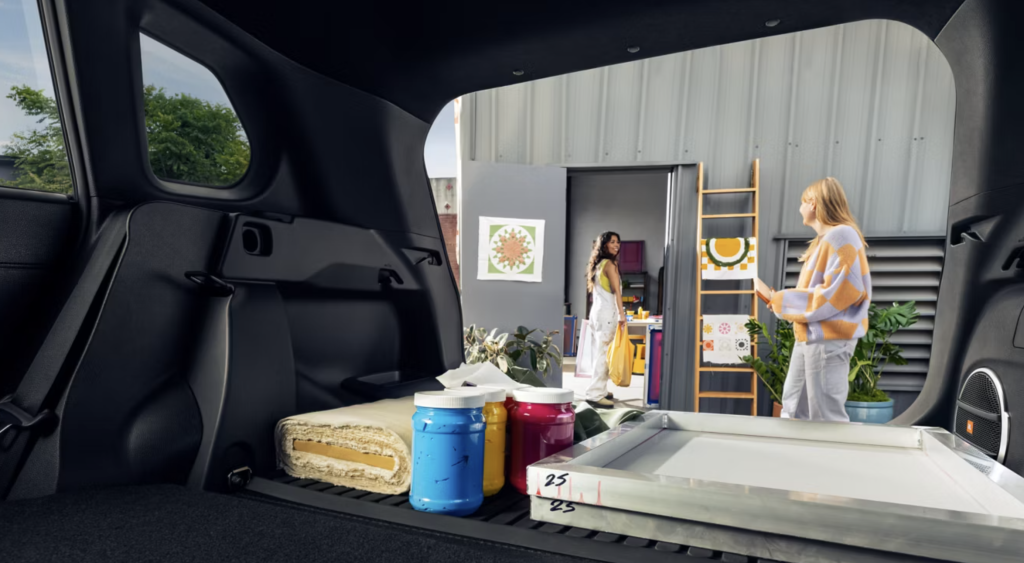
Budget-friendly does not mean bare-bones, and that is another reason the Corolla Cross works so well as a first-time buyer SUV. Toyota’s crossover overview says the 2026 Corolla Cross offers up to 24 cubic feet of cargo space and up to 32 combined MPG on gas versions, while the official model site highlights adaptable 60/40 rear seats, available heated features, rear-seat vents, and larger available digital displays. Panama City Toyota’s own 2026 Corolla Cross page also points to smartphone connectivity and a comfortable cabin built around daily ease of use. Those are the right strengths for a first crossover. This SUV is not trying to be flashy first. It is trying to make ownership feel easy. 

For first-time buyers, that matters a lot. The smartest starter SUV is usually the one that feels easy to live with, not the one that looks best in a single promo image. Corolla Cross makes sense because it delivers the raised seating position, hatch-style practicality, cargo flexibility, and Toyota familiarity that many sedan owners want when they move into their first SUV. It also avoids the problem some larger compact SUVs create, where the price starts climbing fast once you move into the trims that actually feel desirable. Corolla Cross keeps the core value story intact even as you move upward. 

There is another underexposed value point here. In many outside-brand comparisons, the Corolla Cross gets treated as the smaller, simpler Toyota choice and then overlooked in favor of more fashionable compact SUVs. That misses what makes it valuable in Panama City. It is compact enough to feel manageable for newer SUV owners, priced well enough to fit real-world budgets, and broad enough in gas-versus-hybrid strategy that buyers can still tailor the purchase to their priorities. At Panama City Toyota, that combination makes it one of the easiest 2026 SUVs to recommend with confidence for practical buyers. 

Corolla Cross Comparison Tables

Corolla Cross Factor2026 Gas Model2026 Hybrid Model
Starting MSRP$24,635$28,995
Powertrain2.0L gas engine5th-generation Toyota hybrid system
Horsepower169 hp196 net combined hp
Drivetrain noteGas lineup configuration varies by trimAWD standard on hybrid
Efficiency highlightUp to 32 combined MPG42 combined MPG
Best fitLowest-price SUV buyerBudget buyer who wants stronger efficiency and performance

Corolla Cross pricing and powertrain table sources: Toyota newsroom and Toyota official crossover materials. 
Buyer QuestionBetter Corolla Cross AnswerWhy
I need the lowest entry price possibleGas Corolla CrossIt starts in the mid-$24,000 range and keeps the SUV move affordable.
I want the smartest long-term value under $30KCorolla Cross HybridIt adds power, AWD, and strong efficiency without leaving budget territory.
I am buying my first SUV and want easy city drivingEither, with gas as the simplest value playThe size stays manageable and the ownership pitch stays straightforward.
I care about monthly fuel spend and want more all-weather confidenceCorolla Cross HybridStandard AWD and 42 combined MPG make a strong real-world case.

Buyer-fit table sources: Toyota official pricing and product specs. 
2026 RAV4: Hybrid Value That Still Starts Under $35K

Key Takeaway: The 2026 Toyota RAV4 is the step-up budget choice because it starts under $35,000, gives buyers standard hybrid power, and feels more substantial than Corolla Cross in space, output, and long-term versatility.

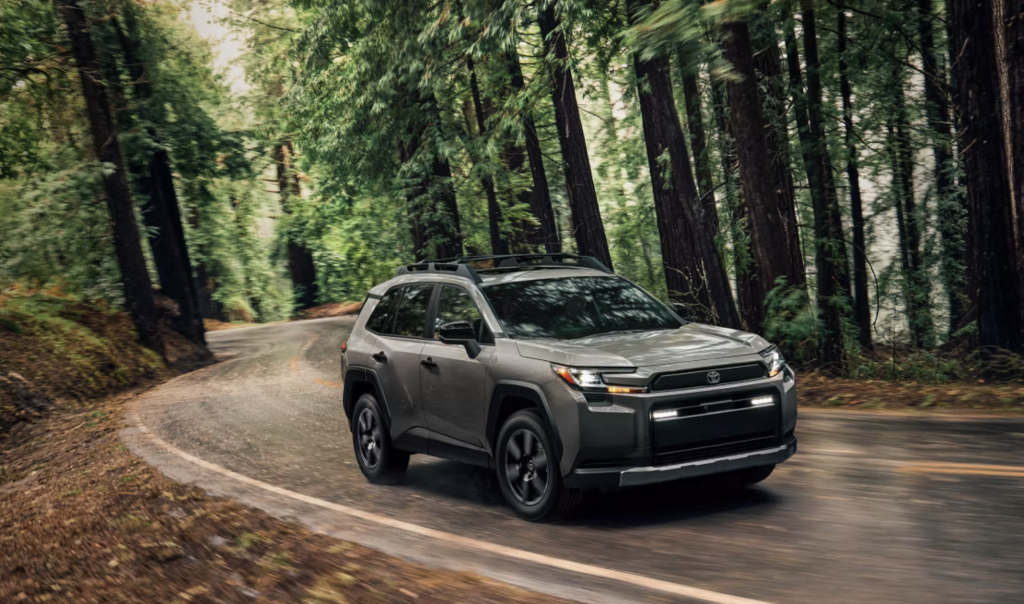
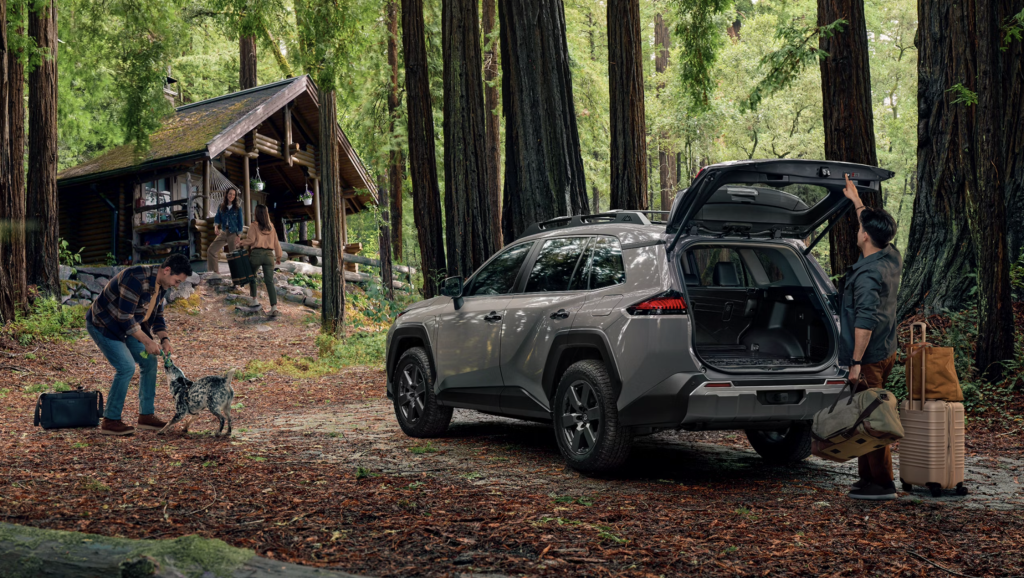
The 2026 RAV4 changes this whole conversation because Toyota no longer asks buyers whether they want the hybrid upgrade. The official Toyota site says the all-new 2026 RAV4 is now hybrid only, and Toyota’s pricing lists a starting MSRP of $31,900. Toyota’s earlier 2026 RAV4 rollout also says FWD hybrid versions make 226 net combined horsepower, AWD hybrid versions make 236 net combined horsepower, and fuel economy reaches up to a manufacturer-estimated 44 MPG combined on FWD hybrid trims. In other words, the base RAV4 now arrives with more power and better efficiency than many buyers used to expect from the “entry” version of a mainstream compact SUV. 

That is what makes the RAV4 so important in an under-$35,000 article. On pure sticker price, it is more expensive than the Corolla Cross. But on value logic, it is a much closer fight because Toyota has moved the RAV4’s standard powertrain upward. A Panama City Toyota buyer is no longer comparing a cheap Corolla Cross to a gas RAV4 that might require extra spending to get the “good” version. They are comparing an affordable smaller crossover to a larger, more powerful, more advanced hybrid-only RAV4 that still opens below the $35,000 threshold. That is one of the biggest shifts in Toyota’s 2026 SUV lineup, and it is something many older budget-shopping assumptions do not account for yet. 

Current comparison coverage often notices that RAV4 now comes only as a hybrid, but many articles still frame it mostly as a price increase story. We think that misses the smarter interpretation. At Panama City Toyota, the better reading is that Toyota has changed the value baseline. Buyers shopping a base RAV4 are getting hybrid efficiency and stronger output as part of the default package, not as a paid detour from the base model. That makes the entry RAV4 more expensive than the cheapest Corolla Cross, but also makes it easier to justify for buyers who were going to want hybrid power anyway. 

Why the Hybrid-Only RAV4 Changes the Value Equation

The RAV4’s hybrid-only status is not just a product note. It changes how Panama City Toyota recommends the SUV. In older years, a buyer could treat RAV4 as a straightforward gas compact SUV and then decide whether the hybrid premium was worth paying. In 2026, that debate is gone at the starting line. The RAV4 begins with hybrid efficiency, more output, and Toyota’s redesigned sixth-generation packaging and styling. Toyota’s 2026 RAV4 overview emphasizes its new Core, Rugged, and Sport styles, the hybrid-only strategy, and available FWD or AWD depending on grade. That means budget-focused buyers are shopping trim value and lifestyle fit, not debating whether electrification is worth it at all. 

That makes the RAV4 especially compelling for Panama City shoppers who can spend more than Corolla Cross money but still want to stay under $35,000. For those buyers, the RAV4 often feels like the more future-proof purchase. You get a larger compact SUV with a stronger powertrain baseline, higher power output than Corolla Cross, and the broad mainstream appeal that keeps RAV4 central in Toyota’s U.S. lineup. It is also a more natural fit for buyers who expect to keep the vehicle for years, road-trip with it, or move through life stages where extra room and extra performance become more important over time. 

There is also a subtle but important budget insight here. Shoppers often assume “best under $35,000” means “lowest sticker price wins.” That is not always true. For some buyers, the RAV4 may be the better budget move precisely because it comes standard with what many owners eventually wish they had chosen anyway: hybrid efficiency, stronger output, and a roomier compact-SUV footprint. If a buyer would have stepped up from a basic Corolla Cross gas model within a year or two, or if they are already leaning toward more highway travel and broader family use, starting with the RAV4 can be the smarter decision. That is one of the main contrarian points many price-first articles do not explain well enough.
Honorable Mention: 2026 C-HR Electric SUV Starting at $37K

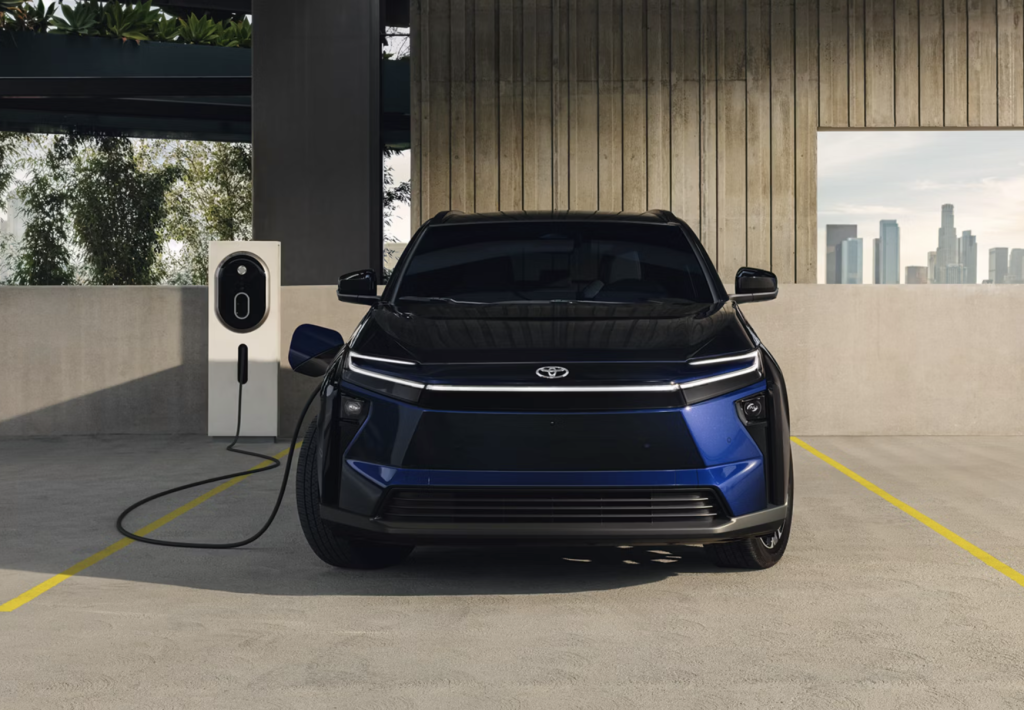
The 2026 Toyota C-HR does not technically qualify as an SUV under $35,000, and we want to be direct about that. Toyota’s official pricing says the all-new 2026 C-HR starts at $37,000 before dealer processing and handling. That means it belongs in this guide only as a stretch-budget honorable mention, not as a strict answer to the keyword. Still, it deserves a place because it gives Panama City Toyota shoppers a sense of what sits just above the budget ceiling if they want a more aggressive all-electric SUV shape and are willing to move beyond the hard cap. 

What makes the C-HR interesting is how different it is from the other two SUVs in this article. Toyota says the C-HR is all-electric, standard AWD, makes 338 combined system horsepower, reaches 0 to 60 mph in 4.9 seconds, and delivers an EPA-estimated 287-mile range on the SE trim. Toyota also says it offers up to 25.3 cubic feet of rear cargo space behind the rear seats. Those are not “budget crossover” numbers. They are much closer to an enthusiast-leaning compact EV pitch with dramatic styling and much stronger acceleration than the Corolla Cross or RAV4 are trying to deliver. 

That creates an important value lesson. Stretching above a budget line should mean you are getting a different ownership experience, not just paying more for slightly nicer trim. The C-HR fits that test. It is not simply a pricier Corolla Cross or a dressed-up RAV4. It is a very different product with EV packaging, stronger performance, standard AWD, and a more emotional design pitch. At Panama City Toyota, we would place it in the conversation for buyers who start shopping under $35,000 but then realize they want something more distinctive and are open to an all-electric path. For strict budget buyers, it is outside the core target. For aspirational shoppers, it is the next rung up. 

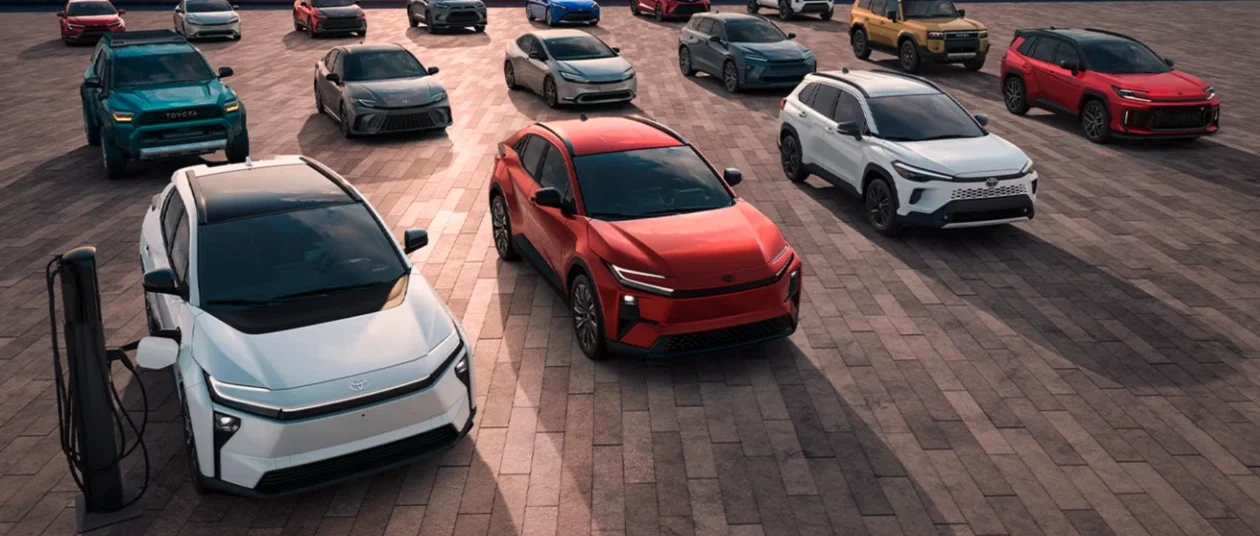
There is one more “missing link” worth noting here. Many under-$35,000 Toyota SUV discussions will naturally land on Corolla Cross and RAV4, then jump to C-HR as the EV stretch. But Toyota’s 2026 lineup also includes the bZ, which starts at $34,900 and therefore actually stays inside the strict under-$35,000 window. At Panama City Toyota, that makes the bZ an overlooked wildcard for buyers who want a true under-$35,000 all-electric Toyota SUV but do not need the C-HR’s sportier identity. We are keeping the main spotlight on Corolla Cross, RAV4, and C-HR because that is where most local shopping patterns point, but the bZ is an important budget-EV footnote many broad articles leave out. 

Budget SUV Comparison Tables

ModelStarting MSRPPowertrain StrategyOutput / Efficiency HighlightBudget Verdict
2026 Corolla Cross Gas$24,635Gas compact crossover169 hp; up to 32 combined MPGBest lowest-price Toyota SUV
2026 Corolla Cross Hybrid$28,995Hybrid compact crossover196 net combined hp; 42 combined MPG; AWD standardBest under-$30K smart buy
2026 RAV4$31,900Hybrid-only compact SUV226 hp FWD or 236 hp AWD; up to 44 MPG combinedBest step-up SUV under $35K
2026 bZ$34,900All-electric SUVEV pricing under the capOverlooked under-$35K EV wildcard
2026 C-HR$37,000All-electric sporty compact SUV338 hp; 287-mile range; AWD standardStretch-budget honorable mention

Budget SUV table sources: Toyota pricing and official model announcements. 
Shopping PriorityBest Toyota AnswerWhy
Lowest possible SUV priceCorolla Cross GasIt starts in the mid-$24,000 range and keeps crossover ownership accessible.
Best overall value below $30KCorolla Cross HybridIt adds 196 hp, AWD, and 42 MPG combined without leaving entry-budget territory.
Best mainstream SUV under $35KRAV4It gives you more room and standard hybrid power while still opening below the ceiling.
Best all-electric value under $35KbZIt quietly fits under the price cap while giving Toyota EV shoppers a true in-budget option.
Most exciting EV stretch pickC-HRIt is above the cap, but its 338 hp and 287-mile range make the extra spend meaningful.

Buyer-priority table sources: Toyota official pricing, Toyota official model pages, and Toyota newsroom materials. 
Panama City Buyer TypeCorolla CrossRAV4C-HR
First-time crossover buyerExcellentVery good if budget allowsToo expensive for strict budget
Small family value shopperVery goodExcellentNiche fit
Commute and errandsExcellentExcellentGood if EV lifestyle fits
Long-term all-around ownershipGoodExcellentGood for EV-focused buyer
Strict under-$35K shopperYesYes, base modelNo

Local-fit table sources: Toyota official pricing and Panama City Toyota inventory / research presence. 
Shop Affordable 2026 Toyota SUVs at Panama City Toyota

Key Takeaway: Panama City Toyota gives local buyers a better way to shop affordable SUVs by letting them compare current 2026 Corolla Cross, RAV4, and EV options against real inventory, finance tools, and ownership support in one place.

Panama City Toyota’s sitemap and inventory pages make this a genuinely local shopping conversation. The dealership’s sitemap shows live research or inventory pathways for the 2026 Corolla Cross, 2026 RAV4, 2026 C-HR, and 2026 bZ, and it also shows direct links for New Vehicles, Shop by Payment, Trade Appraisal, Apply for Financing, Payment Calculator, EV & Hybrid Specials, Service Appointment, ToyotaCare, Hours & Directions, Contact Us, and About Us. That matters because a budget SUV purchase is not only about MSRP. It is also about how easily the shopper can compare trims, estimate payments, value a trade, and understand ownership support after the sale. 

At Panama City Toyota, we recommend making this decision in layers. First, decide whether your true budget ceiling is under $25,000, under $30,000, or under $35,000. Second, decide whether you want the lowest payment, the strongest long-term value, or the most complete SUV for the money. Third, decide whether your life points toward gas simplicity, hybrid efficiency, or an EV stretch. Toyota’s 2026 lineup is wide enough that all three of those questions change the answer meaningfully. That is why a good local dealership conversation helps more than a generic national list. 

If you want to compare affordable 2026 Toyota SUVs the right way, visit Panama City Toyota and use the store’s local tools before and during your shopping process. Our website lets you search current new Toyota inventory, work through payment estimates, review current specials, and apply for financing before you arrive, which helps you focus on the SUVs that fit both your price range and your real-life needs. Our dealership at 959 West 15th Street in Panama City also gives you the chance to compare entry-level and step-up options side by side, which is especially useful when the real question is not simply “Can I afford it?” but “Which one will still feel right six months from now?” Seeing the size difference between Corolla Cross and RAV4, and understanding where a vehicle like C-HR or bZ fits into the budget conversation, becomes much easier in person. That is why we treat this as a hands-on comparison, not just an online checklist. 

If you already know you want a Toyota SUV but have not settled on the right one, Panama City Toyota’s website is one of the best places to narrow the field before your visit. You can browse current Corolla Cross and RAV4 inventory, review manufacturer specials, check EV and hybrid offers, and connect with our team while also seeing the service and ToyotaCare resources that matter after the sale. That is important for budget buyers because a smart purchase is not only about keeping the MSRP manageable. It is also about understanding ongoing ownership support, maintenance access, financing structure, and whether the dealership makes the whole process feel simple. Our Certified Service Technicians at Panama City Toyota and our local finance tools are part of that confidence equation. A budget-friendly SUV should not feel like a compromise if the buying path and ownership support are handled the right way. 

Here are the three questions we suggest every Panama City budget SUV shopper answer first:

  • How strict is the budget line? Under $25K points hard toward Corolla Cross gas; under $30K opens Corolla Cross Hybrid; under $35K brings RAV4 into play. 
  • Do you want the lowest sticker price or the strongest all-around value? Those are not always the same answer. 
  • Would an EV stretch actually improve the ownership experience enough to justify spending more? That is the real C-HR question. 
Best 2026 Toyota SUVs Under $35,000 FAQs

Key Takeaway: Most Panama City shoppers asking about Toyota SUVs under $35,000 are really trying to sort the smartest value choice, not just the cheapest sticker.

What is the cheapest 2026 Toyota SUV near Panama City, FL?

The cheapest 2026 Toyota SUV in this guide is the gas-powered Corolla Cross, which Toyota lists with a starting MSRP of $24,635 before dealer processing and handling. That makes it the clearest answer for buyers who want a true Toyota SUV at the lowest possible entry price. At Panama City Toyota, we usually recommend it to first-time crossover shoppers, buyers moving up from a sedan, and anyone who wants practical SUV versatility without stretching toward the upper end of the budget range. It is the most affordable answer, but not always the strongest value for every shopper. 

Is the 2026 Toyota RAV4 really under $35,000?

Yes. Toyota’s official pricing currently lists the 2026 RAV4 with a starting MSRP of $31,900, which keeps the base model under the $35,000 threshold. What makes that especially interesting is that the 2026 RAV4 is now hybrid only, so buyers are not starting with a basic gas version and paying extra to move into electrified efficiency. At Panama City Toyota, that makes the RAV4 one of the smartest step-up choices for budget-conscious shoppers who want more room, more power, and stronger fuel economy without pushing into a much higher monthly commitment. 

Should I choose the Corolla Cross or stretch to the RAV4?

That depends on what “budget” means for your household. If your priority is the lowest acquisition cost, easier parking, and a practical everyday crossover, Corolla Cross is the smarter answer. If your budget can move into the low-$30,000 range and you want a roomier compact SUV with standard hybrid efficiency and stronger output, the RAV4 often becomes the better long-term buy. At Panama City Toyota, we usually frame Corolla Cross as the entry-value play and RAV4 as the best all-around upgrade for buyers who want more SUV without leaving the under-$35,000 conversation. 
Visit Panama City Toyota for Your Budget SUV Test Drive

The best 2026 Toyota SUV under $35,000 depends on how you define value. The Corolla Cross is the most affordable gateway into Toyota SUV ownership, the Corolla Cross Hybrid is a strong under-$30,000 smart buy, and the RAV4 is the best step-up option for Panama City drivers who want more room and standard hybrid power while staying under the cap. The C-HR belongs in the conversation only as a stretch-budget EV, and the bZ is the overlooked in-budget electric wildcard. At Panama City Toyota, we can help you compare all of those choices against your real budget, your monthly-payment goals, and your daily routine. Visit us at 959 West 15th Street, Panama City, FL 32401, browse current inventory on our website, and let our team help you test drive the Toyota SUV that gives you the best value for your money.
Posted in:

Related Posts

hurricane preparation service guide

Toyota Hurricane Preparation Service Checklist

Before hurricane season or severe Gulf Coast weather, Toyota owners should check tires, battery, brakes, wipers, lights, fluids, A/C performance, cabin filter, charging ports, fuel level, and emergency supplies. Panama City Toyota recommends scheduling storm-season service before heavy rain, evacuation traffic, or power outages make vehicle problems harder to handle. For a Mexico Beach family preparing for evacuation routes, we recommend checking tire tread, battery health, brake feel, wiper performance, lights, coolant, washer fluid, and in-vehicle emergency supplies before severe weather enters the forecast. Hurricane preparation is not only about filling the gas tank. Your Toyota may need to handle wet roads, sudden traffic, bridge routes, heat, humidity, debris, longer family drives, and stops where power or fuel availability may be limited. A weak battery, worn wipers, low tire tread, poor visibility, or a warning light can turn a stressful weather event into a bigger problem. We see storm prep as a practical service conversation, not a scare tactic. This checklist explains what to inspect before severe weather, why September service matters in Panama City, how pre-storm and post-storm checks differ, and what families should keep inside the vehicle during hurricane season. Toyota hurricane preparation service is a seasonal vehicle inspection focused on storm-readiness items such as tires, battery, brakes, wipers, fluids, lights, visibility, and emergency equipment. It is designed to help drivers prepare before severe weather. For Panama City-area drivers, it supports safer pre-storm and post-storm travel. Table of Contents Toyota Hurricane Preparation Checklist Battery, Tires, Brakes, Wipers, Lights, and Fluid Checks A/C, Cabin Filter, Charging Ports, and Roadside Visibility Emergency Kit Items to Keep in Your Vehicle Why September Service Matters in Panama City Atlantic Hurricane Season Timing and Gulf Coast Readiness Pre-Storm vs Post-Storm Inspection Needs Schedule Storm-Season Service Before Severe Weather What to Ask the Toyota Service Team to Inspect How to Prepare for Evacuation Routes, Fuel Stops, and Family Travel Pre-Storm vs Post-Storm Vehicle Care: What Changes? Emergency Kit and Family Travel Checklist for Toyota Owners Key Takeaways FAQ: Toyota Hurricane Preparation Service Toyota Hurricane Preparation Checklist Key Takeaway: A Toyota hurricane preparation checklist should focus on the systems that affect starting, stopping, visibility, cooling, communication, tire grip, and safe travel during severe weather. Battery, Tires, Brakes, Wipers, Lights, and Fluid Checks The most important storm-season service items are the ones that affect whether your Toyota starts, stops, steers, cools, and stays visible in heavy rain. Our service team recommends checking the battery, tire tread, tire pressure, brakes, wiper blades, headlights, brake lights, turn signals, oil level, engine coolant, and windshield washer fluid before hurricane risk rises. These basics matter because severe weather often brings heat, traffic, wet pavement, low visibility, and unpredictable road conditions. For a Panama City Beach commuter who drives through coastal rain and standing water, we recommend starting with tires, wipers, brakes, and lights. For a Youngstown work driver carrying tools before or after a storm, we recommend checking tire condition, cargo load, brakes, battery health, and underbody concerns. For a first-time Gulf Coast Toyota owner, we recommend using a checklist rather than guessing what storm preparation should include. Storm-Readiness Item Why It Matters What We Recommend Checking Ideal Use Case Battery Heat, age, and repeated short trips can weaken starting confidence. Battery test, terminals, age, and charging performance. Callaway senior driver preparing before power outages. Tires Wet-road grip and evacuation confidence depend on tread and pressure. Tread depth, tire pressure, sidewall damage, spare or repair kit. Mexico Beach family planning longer travel. Brakes Heavy rain, traffic, and debris make predictable braking important. Brake pads, rotors, fluid condition, pedal feel, warning lights. Panama City Beach commuter. Wipers and washer fluid Visibility can change quickly during Gulf Coast rain. Blade condition, streaking, washer fluid level, spray pattern. Lynn Haven parent on school and errand routes. Lights Other drivers need to see your Toyota in rain and low light. Headlights, brake lights, hazards, turn signals, reverse lights. Bay County driver using bridge routes. Fluids Longer travel and heat make basic fluid condition more important. Oil, coolant, brake fluid, washer fluid, and visible leaks. Family preparing for evacuation or post-storm errands. Ideal Use Case Drivers preparing before watches, warnings, or heavy rain. Complete service check before severe weather is close. Panama City-area Toyota owner planning ahead. Based on Toyota official website. Ask for a battery test before severe weather is nearby. Check tire tread and pressure before long drives or evacuation routes. Replace worn wiper blades before heavy rain makes visibility worse. Confirm all exterior lights work before low-visibility travel. Visit Our Toyota Service Center A/C, Cabin Filter, Charging Ports, and Roadside Visibility Storm-season service should also include the comfort and communication items people sometimes overlook. A/C performance matters because Gulf Coast humidity and summer heat can make the cabin uncomfortable during traffic, fuel stops, or family travel. The cabin air filter can affect airflow and odor. Charging ports matter because phones, tablets, maps, alerts, and family communication can become more important during severe weather. For a Lynn Haven parent using a Sienna, Highlander, RAV4, or Camry for school errands and storm preparation, we recommend checking A/C output, windshield defogging, cabin filter condition, phone charging, and interior storage. For a Mexico Beach road-trip family, we recommend checking cabin comfort before long drives because humidity, heat, pets, children, and extra supplies can make small A/C issues feel much bigger. Roadside visibility also includes items inside the vehicle. Keep a flashlight, reflective triangle or emergency marker, phone charger, power bank, and rain gear where you can reach them. If your Toyota has connected features, confirm the app and vehicle information before severe weather, but do not rely on any single connected tool as your only plan. Emergency Kit Items to Keep in Your Vehicle An emergency kit should match the people and pets riding with you. We recommend keeping water, shelf-stable snacks, a flashlight, batteries, phone chargers, a power bank, first-aid supplies, basic tools, jumper cables or a jump pack, tire gauge, rain poncho, paper map, wipes, towels, medications, pet supplies, and copies of important documents. Keep supplies organized so they do not roll around the cabin or block visibility. For a Callaway senior driver, we recommend medication, paper contact numbers, a flashlight, and a charged phone backup. For a family with small children, we recommend snacks, water, wipes, comfort items, and extra charging cables. For a Youngstown work driver, we recommend gloves, a small tool kit, a tire gauge, and cargo tie-downs if the vehicle carries equipment. Why September Service Matters in Panama City Key Takeaway: September service matters because Atlantic hurricane activity peaks near early September, and Panama City drivers should prepare before severe weather creates service delays, fuel lines, and road hazards. Atlantic Hurricane Season Timing and Gulf Coast Readiness The National Hurricane Center states that the Atlantic hurricane season officially runs from June 1 through November 30, with the peak of the season around September 10 and most activity occurring between mid-August and mid-October. For Panama City drivers, that timing makes September a practical month to schedule storm-season vehicle service. Waiting until a storm is close can mean fewer appointment times, longer lines, and more pressure to make decisions quickly. For a Panama City Beach commuter, September service can help catch worn tires, weak wipers, or a tired battery before repeated heavy-rain commutes. For a Mexico Beach family thinking about evacuation routes, September is the time to confirm the vehicle can handle longer drives, heat, rain, and extra cargo. For a Lynn Haven parent, storm-season preparation can support daily family responsibilities even when weather is uncertain. Inspection Timing Main Purpose Common Checks Driver Concern Ideal Use Case Pre-storm service Prepare before severe weather affects roads and schedules. Battery, tires, brakes, wipers, lights, fluids, A/C. Can my Toyota handle rain, traffic, and longer drives? Family preparing before a storm watch. Post-storm inspection Check for damage after debris, water, and road hazards. Tires, underbody, brakes, lights, warning lights, odors. Did the storm affect my vehicle? Driver who went through standing water or debris. Evacuation planning Prepare for longer travel with passengers and supplies. Tire pressure, fuel plan, A/C, fluids, charging ports. Can my family travel safely and comfortably? Mexico Beach road-trip or evacuation route. Daily readiness Keep the vehicle useful during uncertain weather weeks. Battery, lights, wipers, washer fluid, emergency kit. Can I handle errands, school, and work if weather changes? Lynn Haven and Callaway daily drivers. Worksite readiness Prepare trucks and SUVs for cleanup or supply hauling. Tires, brakes, underbody, lights, fluids, cargo security. Can my truck carry tools and handle rough access? Youngstown work driver. Ideal Use Case Choose service timing based on storm risk and vehicle use. Pre-storm and post-storm checks as needed. Stay ready before and after severe weather. Panama City-area Toyota owner. Based on Toyota official website. We recommend pre-storm service before watches and warnings create urgency. We recommend post-storm inspection if your Toyota drove through standing water, hit debris, developed a warning light, started making noise, smelled damp, or felt different while braking or steering. The right timing depends on what the vehicle experienced. Schedule Storm-Season Service Pre-Storm vs Post-Storm Inspection Needs Pre-storm inspection is about readiness. Post-storm inspection is about damage detection. Before a storm, we want to know whether your Toyota can start, stop, cool, stay visible, carry supplies, and travel safely. After a storm, we want to know whether water, debris, potholes, branches, sand, or hidden road hazards affected the vehicle. For a Panama City Beach driver who went through standing water, we recommend checking brakes, underbody components, tires, lights, odors, and warning lights. For a Youngstown work driver using a Tacoma or Tundra after a storm, we recommend checking tire damage, bed load security, lights, fluids, and underbody concerns before repeated cleanup trips. Schedule Toyota Service Before Severe Weather Gets Close If your Toyota is due for maintenance or you are unsure whether it is storm-ready, we recommend scheduling service before severe weather appears in the immediate forecast. Our service team can check tires, battery, brakes, wipers, lights, fluids, A/C performance, cabin filter, and related items that matter during hurricane season. We serve drivers from Panama City, Panama City Beach, Callaway, Lynn Haven, Youngstown, Mexico Beach, and nearby Gulf Coast communities. You can schedule service online at panamacitytoyota.com/schedule-service or call us at 850-769-3377. Planning early gives our team more time to inspect the vehicle and gives your family more time to prepare. Book Hurricane Prep Service Schedule Storm-Season Service Before Severe Weather Key Takeaway: Storm-season service should be scheduled before severe weather so our technicians can inspect safety, visibility, cooling, charging, and travel-readiness items without last-minute pressure. What to Ask the Toyota Service Team to Inspect When you schedule storm-season service, we recommend asking for a practical checklist rather than one isolated item. Ask our technicians to check battery health, tire tread, tire pressure, brakes, exterior lights, wiper blades, washer fluid, oil level, engine coolant, A/C performance, cabin filter, key fob battery, charging ports, and visible leaks. If your Toyota has a spare tire or repair kit, ask about that too. For a first-time Gulf Coast Toyota owner, we recommend writing down any changes you have noticed, such as slow starts, squeaking wipers, dim lights, tire pressure warnings, vibration, brake noise, weak A/C, musty odor, or phone charging issues. Those details help our team inspect the right areas quickly. Local Driver Storm-Season Concern Service Priority Why It Matters Mexico Beach family Longer travel, supplies, pets, children, and evacuation routes. Tires, battery, fluids, A/C, emergency kit. Supports family travel before severe weather. Panama City Beach commuter Coastal rain, standing water, and low visibility. Wipers, lights, brakes, tires. Improves confidence in rain and traffic. Lynn Haven parent School runs, errands, and family schedule changes. A/C, cabin filter, charging ports, wipers, supplies. Keeps the family vehicle ready for daily needs. Callaway senior driver Heavy rain, power outages, and route changes. Battery, lights, key fob, emergency kit. Supports simple and predictable travel. Youngstown work driver Tools, post-storm cleanup, and rough access roads. Tires, brakes, underbody, lights, fluids. Helps keep work vehicles ready after weather. Ideal Use Case Any Toyota owner preparing before heavy storm activity. Full storm-readiness inspection. Best completed before severe weather is close. For Panama City-area drivers, the best service checklist is the one that matches the vehicle and the route. We recommend focusing on tires, battery, brakes, wipers, lights, fluids, A/C, charging, and supplies before hurricane risk increases. That gives you a better chance of finding small issues while there is still time to address them. How to Prepare for Evacuation Routes, Fuel Stops, and Family Travel Evacuation planning can place a vehicle under different stress than a normal commute. Your Toyota may carry more people, pets, luggage, water, medication, fuel stops, and emergency supplies than usual. We recommend checking tire pressure after loading cargo, keeping the fuel level higher during active storm weeks, packing charging cables, and planning more than one route before weather conditions change. For a Mexico Beach family, route planning should include fuel stops, pet needs, medication timing, paper documents, and a backup charger. For a Panama City Beach driver who may cross bridge routes or move inland, we recommend checking lights, wipers, tires, and washer fluid before road conditions become crowded. For a Callaway senior driver, we recommend keeping printed phone numbers and route notes in the vehicle. Ask Us to Match Service to Your Storm Plan We are located at 959 West 15th Street, Panama City, FL 32401, and we can help Toyota owners prepare based on how they actually plan to drive during hurricane season. If you are staying local, commuting around Bay County, helping family, carrying tools, or preparing for evacuation routes, tell our service team so we can focus the inspection on your real needs. We can also talk through ToyotaCare on eligible vehicles, Toyota Service Care options, and Panama City Toyota Lifetime Powertrain Warranty eligibility on qualifying vehicles. Visit our Toyota service center online or call 850-769-3377 before severe weather is close. We recommend scheduling early so there is time to inspect, advise, and plan your next step. Check Service Specials Pre-Storm vs Post-Storm Vehicle Care: What Changes? Key Takeaway: Pre-storm service checks whether your Toyota is ready, while post-storm inspection checks whether water, debris, road damage, or unusual vehicle behavior created a new concern. Before a storm, our focus is readiness. We check battery, tires, brakes, wipers, lights, fluids, A/C, cabin filter, charging, and emergency supplies because those items support travel before weather conditions worsen. After a storm, our focus shifts to what the vehicle experienced. Standing water, branches, nails, potholes, sand, salt air, and debris can create new concerns even if the vehicle felt fine before the storm. For a Youngstown work driver using a Tacoma or Tundra after severe weather, we recommend watching for tire punctures, brake noise, pulling, vibration, fluid leaks, and underbody damage. For a Panama City Beach driver after coastal flooding or debris, we recommend checking lights, odors, brakes, tires, and warning lights before returning to normal routines. We do not recommend ignoring small changes after a storm. A damp odor, new vibration, warning light, rubbing noise, or soft brake feel should be inspected. Storm recovery is tiring enough without preventable vehicle problems. Ask Our Service Team Emergency Kit and Family Travel Checklist for Toyota Owners Key Takeaway: A good hurricane-season vehicle kit should support communication, hydration, visibility, first aid, charging, route planning, children, pets, medication, and basic roadside needs. Family travel during hurricane season requires more than basic supplies. We recommend building a kit that matches your passengers and your route. A family with children may need snacks, water, wipes, comfort items, chargers, medication, and entertainment. A driver with pets may need water bowls, leash, food, waste bags, and vaccination records. An older adult may need medication lists, printed phone numbers, and easy-access lighting. If you travel with children, we recommend water, snacks, wipes, medication, chargers, and comfort items. If you travel with pets, we recommend pet food, water, leash, waste bags, and records. If you help older relatives, we recommend printed contacts, medications, route notes, and a flashlight. If you drive a truck or SUV for work, we recommend gloves, tie-downs, flashlight, first-aid kit, and tire gauge. For a Lynn Haven parent, the emergency kit should stay reachable without blocking rear visibility or child-seat access. For a Mexico Beach family, the kit should support a longer drive and possible fuel delays. For a Callaway senior driver, the kit should keep essential items simple, visible, and easy to reach. Keep phone chargers and a power bank in the vehicle. Store a paper map or printed route notes as a backup. Keep water, shelf-stable snacks, and first-aid supplies sealed and organized. Check the kit before each hurricane season and replace expired items. Review ToyotaCare Support Key Takeaways Schedule storm-season service before severe weather creates last-minute pressure. Check tires, battery, brakes, wipers, lights, fluids, A/C, and charging ports. September matters because Atlantic hurricane activity peaks near early September. Post-storm inspections should look for water, debris, tire, brake, and underbody concerns. Families should prepare emergency supplies around passengers, pets, medication, and route plans. FAQ: Toyota Hurricane Preparation Service What should I check on my Toyota before a hurricane? Before a hurricane, we recommend checking your Toyota’s battery, tire tread, tire pressure, brakes, wipers, headlights, brake lights, turn signals, oil level, coolant, washer fluid, A/C performance, cabin filter, charging ports, and emergency supplies. For Panama City-area drivers, we also recommend confirming your fuel plan, route plan, phone chargers, and family supplies before severe weather is close. When should I schedule storm-season vehicle service? We recommend scheduling storm-season vehicle service before a storm is in the immediate forecast, especially during peak hurricane activity from mid-August through mid-October. September is a smart time for Panama City drivers because service availability can become more limited when severe weather is close. Early service gives our technicians time to inspect and advise before the situation becomes urgent. Can Panama City Toyota inspect my vehicle after a storm? We can inspect your Toyota after a storm if you drove through standing water, hit debris, noticed a warning light, heard a new noise, smelled moisture, felt vibration, or experienced brake or steering changes. We recommend post-storm inspection for tires, brakes, lights, underbody areas, fluids, odors, and visible damage. Do not wait if the vehicle feels different. What should I keep in my vehicle during hurricane season? We recommend keeping water, snacks, phone chargers, a power bank, flashlight, batteries, first-aid supplies, rain gear, paper map, printed phone numbers, medications, pet supplies when needed, and basic roadside items in your Toyota during hurricane season. For families, we also recommend wipes, comfort items, extra charging cables, and supplies packed safely so they do not block visibility. If you are preparing your Toyota for hurricane season in Panama City, we are ready to help you check the items that matter before severe weather arrives. Visit us at 959 West 15th Street, Panama City, FL 32401, and our service team can inspect tires, battery, brakes, wipers, lights, fluids, A/C, cabin filter, and storm-readiness concerns. We serve drivers from Panama City, Panama City Beach, Callaway, Lynn Haven, Youngstown, Mexico Beach, and nearby Gulf Coast communities. Ask us about ToyotaCare, Toyota Service Care options, and service specials when scheduling. Call 850-769-3377 or schedule service online before storm prep becomes urgent. Schedule Toyota Service Related Articles Keep reading more Toyota service, maintenance, and ownership guides from Panama City Toyota. Service Center Toyota Service Center in Panama City, FL Schedule Toyota maintenance, inspections, tires, brakes, batteries, fluids, and repair support with our service team. Read More Service Specials Toyota Service and Parts Specials Check current Toyota service specials for maintenance, tires, brakes, batteries, and other service needs. Read More ToyotaCare ToyotaCare Maintenance Support Review ToyotaCare support for eligible new Toyota vehicles and scheduled maintenance basics. Read More A/C Service Genuine Toyota Parts vs Aftermarket Guide Compare Genuine Toyota parts vs aftermarket options. Read More

Toyota Connected Services: Features, App & How They Work

Toyota Connected Services are available digital features that connect compatible Toyota vehicles with the Toyota app, remote vehicle controls, safety support, service updates, navigation tools, and in-vehicle Wi-Fi, depending on model, model year, equipment, network connection, trial status, and subscription status. Panama City Toyota helps shoppers and current owners understand which connected features are available on the exact Toyota they drive or plan to buy. For a Lynn Haven commuter preparing for US-98 traffic, we recommend checking Remote Connect, Service Connect, and Toyota app compatibility before deciding which vehicle technology matters most. Connected features can make Toyota ownership feel more convenient, but they should always be checked vehicle by vehicle. A new Camry, RAV4, Corolla Cross, Tacoma, Sienna, or Grand Highlander may offer different trial periods, service packages, and feature availability. The Toyota app can also be useful after the purchase because it can help owners see vehicle information, manage available services, and stay connected to maintenance reminders when Service Connect is active. In this guide, we explain Remote Connect, Safety Connect, Service Connect, Drive Connect, Wi-Fi Connect, Toyota app setup, subscription questions, and the local situations where these tools can matter most for Panama City-area drivers. Toyota Connected Services are available digital features that link compatible Toyota vehicles with app-based controls, safety support, service updates, navigation tools, and in-vehicle connectivity. They are designed to support convenience, awareness, and ownership planning. For Panama City-area drivers, they can help with commuting, road trips, service timing, and family travel. Table of Contents What Are Toyota Connected Services? How Toyota Connected Services Work With the Toyota App Connected Services Availability, Trials, and Subscriptions Why Features Can Vary by Toyota Model and Model Year Toyota Remote Connect, Safety Connect, and Service Connect Remote Start, Climate Controls, Locking, Unlocking, Checking Status, and Finding Your Toyota Emergency Assistance Button, Automatic Collision Notification, Enhanced Roadside Assistance, and Stolen Vehicle Locator Vehicle Health Reports, Maintenance Alerts, and Owner Reminders Toyota Drive Connect and Wi-Fi Connect Cloud Navigation, Intelligent Assistant, Destination Assist, and Connected Navigation Features In-Vehicle Wi-Fi Hotspot and Connecting Compatible Devices on the Road How to Set Up Toyota Connected Services Are Toyota Connected Services Worth It for Panama City Drivers? Key Takeaways FAQ: Toyota Connected Services What Are Toyota Connected Services? Key Takeaway: Toyota Connected Services are available app, safety, service, navigation, and Wi-Fi features that vary by vehicle, equipment, trial, subscription, and network conditions. How Toyota Connected Services Work With the Toyota App The Toyota app is the main starting point for many Connected Services. With a compatible vehicle and active service, drivers can use the app to access available remote features, vehicle information, service reminders, and connected ownership tools. Toyota states that Connected Services are available through the Toyota app, and that Remote Connect lets drivers control select vehicle features from a compatible smartphone. Based on what our team reviews with shoppers in Panama City, the most important app question is simple: what can this exact Toyota do? A shopper looking at a RAV4 for family use may care about remote climate preparation before school pickup. A Tacoma shopper may care about vehicle status and location. A Sienna family may care about app access, service reminders, and road-trip support. We recommend checking the Toyota app setup before or soon after purchase because connected features depend on more than the vehicle name. Model year, trim, multimedia system, trial status, subscription status, cellular connection, GPS signal, and account setup can all affect the experience. Connected Service Main Purpose Typical Shopper Question Ideal Use Case Remote Connect App-based control of select vehicle features when available. Can I start, lock, unlock, or check my Toyota from the app? Lynn Haven commuter prepping cabin comfort. Safety Connect Available safety and emergency support features. What happens if I need help on the road? Tyndall AFB driver with longer commutes. Service Connect Vehicle health information and maintenance reminders when active. Can my Toyota remind me about service needs? Callaway parent managing family vehicle care. Drive Connect Connected navigation, Intelligent Assistant, and Destination Assist when available. Can the vehicle help with connected route guidance? Mexico Beach road-trip family. Wi-Fi Connect In-vehicle hotspot capability through AT&T when active. Can passengers connect devices on the road? Panama City Beach family weekend trips. Ideal Use Case Drivers who want tech matched to their daily routine. Which connected features are active on this exact Toyota? New Toyota shopper comparing model years and trims. Based on Toyota official website. Ask which Connected Services are available on the exact Toyota you are considering. Confirm trial length, subscription needs, and activation steps before relying on a feature. Check whether the vehicle needs a compatible smartphone, Toyota app account, cellular signal, or GPS signal. Review Remote Connect, Safety Connect, Service Connect, Drive Connect, and Wi-Fi Connect separately. Browse New Toyota Inventory Connected Services Availability, Trials, and Subscriptions Connected Services availability can vary by Toyota model, model year, trim, multimedia system, package, network availability, trial period, and active subscription. We recommend confirming the details for the exact VIN because two Toyota vehicles with similar names may not have identical connected capabilities. Trial periods and service packages can also change, so shoppers should review current Toyota terms and vehicle-specific documents. For a new Toyota shopper in Panama City comparing Corolla Cross, Camry, RAV4, Tacoma, and Grand Highlander, we recommend asking which services come with the vehicle, which require activation, which may require a subscription later, and which depend on network conditions. That prevents confusion between available technology and active technology. Our team can help you separate the feature categories before you buy. Remote Connect, Safety Connect, Service Connect, Drive Connect, and Wi-Fi Connect each serve a different role, and not every shopper needs all of them equally. Why Features Can Vary by Toyota Model and Model Year Connected features can change as Toyota updates multimedia systems, trim equipment, model-year packages, and trial structures. That is why we recommend checking the exact Toyota instead of assuming every RAV4, Camry, Sienna, Tacoma, or Corolla Cross has the same connected setup. The same model name can include different available services depending on year and equipment. For a family comparing a used Toyota with a new Toyota, this matters even more. A Certified Used RAV4 may have different connected capabilities than a new RAV4. A new Tacoma may offer a different multimedia experience than an older truck. Our team can help check the vehicle details before you make the technology part of your decision. Toyota Remote Connect, Safety Connect, and Service Connect Key Takeaway: Remote Connect supports available app-based convenience, Safety Connect supports available emergency help, and Service Connect supports available vehicle health and maintenance awareness. Remote Start, Climate Controls, Locking, Unlocking, Checking Status, and Finding Your Toyota Remote Connect is the feature many shoppers ask about first because it can connect directly to daily convenience. With compatible vehicles and active service, Remote Connect can let drivers use the Toyota app to control select vehicle features. Depending on vehicle equipment and service status, shoppers may ask about remote start, climate preparation, door lock or unlock, vehicle status, and last parked location. For a Lynn Haven commuter heading into a hot afternoon drive, we recommend checking whether Remote Connect and remote climate features are available on the exact Toyota you are considering. For a Panama City Beach family parked near the beach or a shopping area, vehicle status and last parked location may be useful features to review. For a young professional in Callaway, app-based lock status can help with everyday peace of mind. Service Main Role What It Helps With Question to Ask Ideal User Remote Connect Convenience and remote access. Available remote controls, vehicle status, and location functions. Can I use the Toyota app to control this vehicle? Commuter or parent who wants app-based access. Safety Connect Available safety support. Emergency Assistance Button, Automatic Collision Notification, Enhanced Roadside Assistance, Stolen Vehicle Locator. Which safety support features are active? Road-trip driver or long-distance commuter. Service Connect Maintenance and vehicle awareness. Vehicle Health Reports, maintenance reminders, and alerts when available. Can this Toyota send service reminders? Owner who wants help tracking maintenance. Daily benefit Different tools for different needs. Comfort, safety support, and service planning. Which features match my driving routine? Panama City-area Toyota owner. Activation Depends on vehicle and account setup. Toyota app registration, service activation, and trial/subscription status. How do I activate this service? New Toyota shopper or current owner. Best For Choosing tech by use case. Matching app, safety, and service features to real life. Which service matters most for me? Buyer comparing trims and technology packages. Based on Toyota official website. The key difference is purpose: Remote Connect is mainly about available convenience, Safety Connect is mainly about available safety support, and Service Connect is mainly about available vehicle health and maintenance awareness. We recommend Remote Connect for shoppers who care about app-based access, Safety Connect for shoppers who want emergency support, and Service Connect for owners who want more maintenance visibility. Ask About Toyota App Features Emergency Assistance Button, Automatic Collision Notification, Enhanced Roadside Assistance, and Stolen Vehicle Locator Safety Connect is designed around available safety support features. Toyota describes Safety Connect as including features such as Emergency Assistance Button, Automatic Collision Notification, Enhanced Roadside Assistance, and Stolen Vehicle Locator. We recommend checking feature availability and service status for the exact Toyota because the feature category, trial period, and subscription details can vary. For a Tyndall AFB driver with longer drives around Bay County, Safety Connect can be one of the most important connected categories to review. For a Mexico Beach family planning longer road trips, we recommend asking how Safety Connect works, what is active, and what happens after any trial period ends. Safety features do not replace attentive driving, but they can add a layer of available support. Vehicle Health Reports, Maintenance Alerts, and Owner Reminders Service Connect can help owners stay aware of vehicle health information and maintenance reminders when available and active. Toyota describes Service Connect as supporting maintenance reminders and vehicle alerts through the Toyota app or Toyota account. For many owners, this is one of the most practical connected tools because service timing affects long-term vehicle confidence. For a Callaway parent managing school runs, sports practices, and family errands, we recommend Service Connect because maintenance reminders can help keep vehicle care from getting lost in the schedule. For a Panama City Beach driver dealing with heat, sand, salt air, and weekend traffic, we recommend pairing Service Connect reminders with regular visits to our service center. Connected reminders are most useful when they lead to actual maintenance action. Check Connected Services Before You Choose a Toyota If Connected Services are part of your Toyota shopping decision, we recommend checking the exact model, model year, trim, package, trial, subscription, and activation path before you buy. We can help you compare available Remote Connect, Safety Connect, Service Connect, Drive Connect, and Wi-Fi Connect features on vehicles in our inventory. We can also help you decide whether app access, safety support, service reminders, connected navigation, or in-vehicle Wi-Fi matters most for your routine. Call us at 850-769-3377 or start by reviewing our new Toyota inventory at panamacitytoyota.com/searchnew.aspx. We want you to understand the technology in the Toyota you choose before you drive it home. Compare Connected Toyota Models Toyota Drive Connect and Wi-Fi Connect Key Takeaway: Drive Connect focuses on available connected navigation and assistant features, while Wi-Fi Connect supports compatible device connectivity through the vehicle hotspot when active. Cloud Navigation, Intelligent Assistant, Destination Assist, and Connected Navigation Features Drive Connect is designed for drivers who want more connected help on the road. Toyota describes Drive Connect as supporting connected navigation features such as Cloud Navigation, Intelligent Assistant, and Destination Assist when available. For shoppers who travel often or drive through unfamiliar areas, connected navigation can be one of the most useful technology categories to ask about. For a Mexico Beach road-trip family, we recommend asking about Drive Connect because route guidance, live-agent navigation assistance, and voice-based help can matter on longer drives. For a Panama City Beach family heading across Bay County for weekend plans, connected navigation can help keep the route and cabin tech easier to manage. For a new Toyota shopper, we recommend testing the voice assistant and navigation screen during the test drive. In-Vehicle Wi-Fi Hotspot and Connecting Compatible Devices on the Road Wi-Fi Connect can turn a compatible Toyota into an in-vehicle hotspot when the service is available and active. Toyota states that Wi-Fi Connect can allow up to five Wi-Fi-enabled devices to connect to the in-vehicle 4G LTE hotspot. That can matter for families, passengers, students, and road-trip drivers who want supported device connectivity during travel. For a Panama City Beach family with kids using tablets on weekend trips, Wi-Fi Connect may be worth reviewing. For a Callaway student or young professional who often rides with friends, device connectivity may matter more than remote start. For a Tyndall AFB driver, Wi-Fi Connect may be useful for passenger devices, but we still recommend confirming coverage, account setup, and service terms before relying on it. Local Driver Connected Need Feature to Ask About Why It Fits Lynn Haven commuter Cabin prep and app-based status checks. Remote Connect. Useful before US-98 commutes and hot afternoon drives. Panama City Beach family Passenger devices and trip convenience. Wi-Fi Connect and Drive Connect. Supports weekend trips, kids, and route planning. Tyndall AFB driver Safety support and vehicle information. Safety Connect and Toyota app setup. Helpful for longer drives and remote vehicle awareness. Callaway parent Maintenance reminders and family vehicle care. Service Connect. Supports service timing for busy family routines. Mexico Beach road-trip family Navigation, passenger connectivity, safety support. Drive Connect, Wi-Fi Connect, Safety Connect. Fits longer drives and Gulf Coast travel. Ideal Use Case Buyer matching technology to real daily use. Exact feature verification by VIN. Best for shoppers comparing trims and model years. For Panama City-area drivers, Toyota Connected Services are most valuable when they match the way the vehicle will actually be used. We recommend Remote Connect for daily convenience, Safety Connect for available emergency support, Service Connect for maintenance awareness, Drive Connect for route support, and Wi-Fi Connect for compatible passenger devices on longer drives. Test Toyota Connected Features in Person We are located at 959 West 15th Street, Panama City, FL 32401, and we help shoppers from Panama City, Panama City Beach, Callaway, Lynn Haven, Youngstown, and Mexico Beach compare Toyota technology in person. If app access, connected navigation, safety support, maintenance reminders, or in-vehicle Wi-Fi are important to you, we recommend asking our team to review the available features on the specific vehicle you want to test drive. We can also explain how ToyotaCare, our service center, and available Service Connect reminders can support ownership after the purchase. Visit our contact page or call 850-769-3377 before your visit. We will help you focus on the connected tools that fit your driving routine instead of overwhelming you with features you may never use. Contact Our Toyota Team How to Set Up Toyota Connected Services Key Takeaway: Setting up Toyota Connected Services usually starts with the Toyota app, a Toyota account, adding the vehicle, reviewing available services, and activating eligible trials or subscriptions. Setup can vary by vehicle, but the general path is usually the same. We recommend downloading the Toyota app, signing in or creating a Toyota account, adding your vehicle, reviewing available Connected Services, accepting required terms and consent prompts, and confirming which trials or subscriptions are active. If you bought a Toyota from us, our team can help you understand what to check before you leave. For a new Toyota shopper, setup questions should be part of the delivery conversation. Ask which email address is tied to the account, which services are active, how long any trials last, which features need subscription support later, and where to see vehicle status or service reminders. For current owners, we recommend reviewing the app if you have changed phones, bought a pre-owned Toyota, or are unsure which services are active. Download the Toyota app on a compatible smartphone. Create or sign in to your Toyota account. Add the vehicle and confirm account ownership steps. Review available Remote Connect, Safety Connect, Service Connect, Drive Connect, and Wi-Fi Connect features. Confirm trial dates, subscription requirements, and service activation status. We recommend asking for help if the vehicle does not appear in the app, if the trial status is unclear, if Remote Connect does not show expected controls, or if you are not sure which services are tied to your vehicle. Visit Our Service Center Are Toyota Connected Services Worth It for Panama City Drivers? Key Takeaway: Toyota Connected Services can be worth it for Panama City drivers when app access, remote cabin prep, safety support, service reminders, navigation, and Wi-Fi match real driving habits. Connected Services are most useful when they solve a real daily problem. For a Lynn Haven commuter, remote access and vehicle status may matter during hot summer afternoons. For a Callaway parent, Service Connect reminders may help keep a family vehicle on schedule. For a Mexico Beach road-trip family, Drive Connect, Safety Connect, and Wi-Fi Connect may matter more because longer routes and passenger needs are part of the routine. If you park outside during summer heat, ask about Remote Connect and climate-related capability. If you drive long distances around the Gulf Coast, ask about Safety Connect and Drive Connect. If you manage a busy family schedule, ask about Service Connect and maintenance reminders. If passengers use tablets or laptops on trips, ask about Wi-Fi Connect and hotspot terms. For shoppers comparing Toyota models, we recommend treating Connected Services as part of the total ownership experience, not just a tech extra. A feature is only valuable if it is available on the exact vehicle, active in your plan, and useful in your routine. Verify model, model year, trim, and multimedia system. Ask which trials are included and when they end. Check what requires an active paid subscription later. Test the app and infotainment screen before you rely on them. Schedule Toyota Service Key Takeaways Toyota Connected Services vary by model, model year, trim, trial, subscription, and network conditions. Remote Connect, Safety Connect, Service Connect, Drive Connect, and Wi-Fi Connect each serve different needs. The Toyota app is the main starting point for many connected features. Panama City drivers should verify connected features on the exact Toyota before purchase. We recommend matching connected features to commuting, family travel, service timing, and road trips. FAQ: Toyota Connected Services What are Toyota Connected Services? Toyota Connected Services are available digital features that connect compatible Toyota vehicles with the Toyota app, remote controls, safety support, service updates, navigation tools, and in-vehicle connectivity. We recommend checking the exact vehicle because availability can depend on model, model year, trim, equipment, trial status, subscription status, and network conditions. Is Toyota Remote Connect the same as remote start? Remote Connect is not only remote start. It is an available connected feature category that can support app-based control of select vehicle features, depending on the vehicle and active service. Remote start or climate-related controls may be part of the experience on certain compatible Toyota vehicles, but we recommend checking the exact Toyota before assuming which remote features are included. Do Toyota Connected Services require a subscription? Some Toyota Connected Services may include trials, while continued access can require an active subscription after the trial period. Terms vary by vehicle, service, model year, and package. We recommend asking our team to review trial status, subscription needs, and activation details on the exact Toyota you are considering so you know what is active today and what may require payment later. Which Toyota models have Connected Services? Connected Services availability varies across Toyota models, model years, trims, and equipment. Many current Toyota vehicles offer some connected capability, but the exact services can differ between models such as Camry, RAV4, Corolla Cross, Tacoma, Sienna, and Grand Highlander. We recommend checking by VIN or asking our team to verify features on the specific Toyota you want to buy or already own. How do I activate Toyota Connected Services? Activation usually starts with the Toyota app. We recommend downloading the app, signing in or creating a Toyota account, adding the vehicle, reviewing available services, accepting required terms, and confirming trial or subscription status. If you are buying from us, ask our team to help you review the app setup before you leave. Can I use Toyota Connected Services through the Toyota app? Many Toyota Connected Services are available through the Toyota app when the vehicle is compatible and the service is active. The app can support available remote features, service information, vehicle alerts, and connected ownership tools. We recommend confirming your phone compatibility, vehicle eligibility, account setup, and service status before relying on a specific app feature. If Toyota Connected Services are part of your shopping or ownership decision, we are ready to help you check the exact features available on your Toyota. Visit us at 959 West 15th Street, Panama City, FL 32401, and we can review Toyota app setup, Remote Connect, Safety Connect, Service Connect, Drive Connect, Wi-Fi Connect, ToyotaCare, and service reminders with you. We serve drivers from Panama City, Panama City Beach, Callaway, Lynn Haven, Youngstown, Mexico Beach, and nearby Gulf Coast communities. Call 850-769-3377 or visit our showroom before choosing a Toyota based on connected features. We recommend bringing your phone and asking us to verify the services on the exact vehicle you are considering. Ask About Connected Services Related Articles Keep reading more Toyota technology, shopping, service, and ownership guides from Panama City Toyota. New Inventory New Toyota Inventory in Panama City, FL Compare Toyota models, trims, technology, and available connected features before your test drive. Read More Toyota Service Toyota Service Center in Panama City, FL Plan Toyota maintenance, service reminders, inspections, repairs, tires, brakes, and long-term ownership care. Read More ToyotaCare ToyotaCare Maintenance Support Review ToyotaCare support for eligible new Toyota vehicles and understand scheduled maintenance basics. Read More Contact Us Contact Panama City Toyota Ask our team to help verify Toyota app compatibility, connected features, and available vehicle technology. Read More

How Much Can You Negotiate on a New Toyota in Panama City FL

How Much Can You Negotiate on a New Toyota in Panama City, FL?

You can sometimes negotiate on a new Toyota, but the amount depends on the model, current inventory, market demand, available offers, trade-in value, down payment, financing terms, and the exact vehicle configuration. Panama City Toyota helps shoppers compare the full deal, not just one number on a window sticker. For a first-time buyer in Lynn Haven comparing a Corolla payment with a RAV4 payment, we recommend starting with budget, trade value, must-have features, and finance pre-approval before focusing on the final price alone. The most helpful way to think about new Toyota negotiation is to separate price from payment. A lower selling price can help, but so can a stronger trade-in value, a larger down payment, a different loan term, an available offer, or a vehicle that better matches your monthly budget. A shopper in Callaway who wants the lowest realistic payment may need a different strategy than a Panama City Beach family comparing a new RAV4 with a certified used Highlander. In this guide, we explain what affects new Toyota pricing, why online prices and showroom numbers can differ, how trade-ins and financing shape the final deal, what to ask our finance team, and how to compare new, certified used, and pre-owned Toyota choices with more confidence. Definition: Negotiating on a new Toyota means reviewing the vehicle price, available offers, trade-in value, down payment, financing terms, and total purchase or lease structure before agreeing to a deal. It is designed to help shoppers in Panama City, Panama City Beach, Callaway, Lynn Haven, Youngstown, and Mexico Beach understand what affects the final payment. Table of Contents What Affects New Toyota Pricing? MSRP, Inventory, Demand, Incentives, and Vehicle Configuration How Trade-Ins, Down Payments, and Financing Can Affect the Final Deal Why Online Prices and Showroom Numbers May Differ Smart Ways to Prepare Before Visiting the Dealership Compare Payments, Pre-Approval, Trade-In Estimates, and Must-Have Features When Leasing, Buying, or Ordering May Make More Sense Questions to Ask the Panama City Toyota Finance Team Available Specials, Protection Products, Terms, and Next-Step Options How to Compare New, Certified Used, and Pre-Owned Choices What Negotiation Really Means Beyond the Selling Price New Toyota, Certified Used, or Pre-Owned: How to Choose the Best Payment Path Key Takeaways FAQ: New Toyota Negotiation and Financing in Panama City, FL What Affects New Toyota Pricing? Key Takeaway: New Toyota pricing depends on MSRP, inventory, demand, available offers, trade value, finance structure, and the exact model and trim a shopper chooses. MSRP, Inventory, Demand, Incentives, and Vehicle Configuration MSRP is the starting reference point, but it is not the only number that matters. A Corolla LE, Camry Hybrid, RAV4 XLE, Tacoma TRD Sport, Tundra, or Highlander can each have a different pricing conversation because demand, availability, trim equipment, factory-installed options, and current offers vary. A high-demand model with limited availability may have less flexibility than a model with broader inventory or a stronger monthly offer. We recommend shoppers think about Toyota pricing as a group of connected variables. The vehicle itself matters, but the deal structure matters too. For example, a buyer focused on monthly payment may be better served by comparing two trims, valuing a trade, or reviewing finance terms rather than asking only how far the selling price can move. Pricing Factor How It Can Affect the Deal What We Recommend Asking Ideal Use Case MSRP Sets the official starting reference for the specific vehicle configuration. Ask what is included in the listed vehicle price. First-time buyer comparing Corolla and Camry trims. Inventory Availability can affect pricing flexibility and timing. Ask whether similar trims or colors are available. Panama City shopper open to more than one configuration. Demand Popular vehicles may have less room than slower-moving options. Ask how demand affects the vehicle you want. RAV4 or Tacoma shopper with a specific trim in mind. Offers and incentives Available specials can change total cost or monthly payment. Ask which offers apply to your model and qualifications. Payment-sensitive buyer comparing purchase and lease choices. Vehicle configuration Trim, packages, accessories, drivetrain, and color can affect price. Ask whether a different trim better fits your budget. Lynn Haven commuter comparing must-have features. Best For Building a realistic deal around the actual Toyota you want. Ask for a clear out-the-door and payment estimate. Buyer ready to choose between two real vehicles. Based on Toyota official website. Based on our experience with new Toyota shoppers in Panama City, the biggest pricing mistake is treating every model the same. A shopper comparing a Corolla for daily commuting and a Tacoma for weekend projects should expect different pricing dynamics because the vehicles serve different needs and may have different demand levels. We recommend starting with the exact vehicle, then reviewing the offer, trade, down payment, and financing structure together. Ask which trims are currently available and which are incoming. Compare more than one color or package if budget is the priority. Review available specials before choosing a final vehicle. Bring trade-in details early so the full deal can be estimated. Ask whether financing, leasing, or a different model gives the clearest payment path. Browse New Toyota Inventory How Trade-Ins, Down Payments, and Financing Can Affect the Final Deal Trade-ins, down payments, and financing can affect the final deal as much as the selling price. A stronger trade value can reduce the amount financed. A larger down payment can lower the balance or help with approval structure. A different term length can change the monthly payment, although shoppers should always consider total cost, not only the monthly number. For a Mexico Beach driver trading an older truck toward a new Tundra or Tacoma, we recommend valuing the trade before visiting us so the finance conversation starts with real information. For a Callaway buyer trying to lower a Corolla or Camry payment, we recommend reviewing down payment, credit application, available offers, and model choice together. A small change in configuration can sometimes matter more than a small price adjustment. Our finance team can walk through lease payments, loan terms, interest-rate questions, Toyota credit applications, and used car options. We also recommend reviewing ToyotaCare and long-term maintenance planning because ownership value is not limited to the first monthly payment. Value Your Trade Why Online Prices and Showroom Numbers May Differ Online prices and showroom numbers may differ because final figures can depend on taxes, registration, dealer-installed equipment, vehicle availability, selected accessories, financing qualifications, trade-in results, and current offer eligibility. We recommend using online pricing as a strong starting point, then confirming the complete number with our team before making a decision. What we see here in Panama City is that many shoppers arrive with the right question but the wrong comparison. They may compare one online price to another without checking trim, packages, drivetrain, accessories, finance terms, or trade value. If a RAV4 looks close in price to a Camry Hybrid, the better choice may come down to cargo space, commute style, fuel efficiency, and payment structure. We recommend saving the specific vehicle link, bringing your trade information, sharing your target payment range, and asking which numbers are included before you visit. That gives our sales and finance teams a clearer starting point and helps prevent confusion between advertised pricing, estimated payments, and final paperwork. Smart Ways to Prepare Before Visiting the Dealership Key Takeaway: The best way to prepare for a new Toyota negotiation is to know your budget, get pre-approved, value your trade, compare models, and decide which features are non-negotiable. Compare Payments, Pre-Approval, Trade-In Estimates, and Must-Have Features A stronger dealership visit starts before you arrive. We recommend checking available Toyota models, getting pre-qualified or applying for financing online, estimating your trade value, and writing down the features you need versus the features you prefer. That preparation gives our team a more accurate way to help you compare vehicles and payment paths. Preparation Step What It Clarifies Why It Helps Negotiation Ideal Use Case Payment range What you want to spend monthly. Helps us compare loan terms, lease options, and vehicle choices. First-time buyer with a fixed budget. Pre-approval Possible finance terms and approval direction. Gives the finance conversation a stronger starting point. Lynn Haven commuter ready to buy soon. Trade-in estimate Possible equity or amount applied to the next vehicle. Can reduce the amount financed or change payment structure. Mexico Beach truck owner trading up. Must-have features Which features cannot be removed from the deal. Prevents choosing the wrong trim just to chase a lower number. Family needing Toyota Safety Sense and cargo space. Vehicle comparison Whether new, certified used, or pre-owned fits best. Broadens the path to a stronger payment. Panama City Beach family comparing RAV4 and Highlander. Best For Shoppers who want fewer surprises in the finance office. Turns negotiation into a complete payment conversation. Buyer ready to choose a vehicle this week. Based on Toyota official website. We recommend pre-approval, a trade estimate, and a short feature list because those three items turn a vague negotiation into a practical plan. For a young professional in Panama City comparing a Corolla, Camry, and Corolla Cross, the clearest path is not always the lowest vehicle price. The better path is the Toyota that fits the budget, commute, insurance expectations, and ownership plan. If you want the lowest realistic monthly payment, we recommend comparing vehicle price, term length, and down payment together. If you have a trade-in, we recommend getting an estimate before choosing your next Toyota. If you need specific features, we recommend comparing trims before focusing on price. If you are unsure about credit, we recommend starting with our finance application so our team can review next steps. Apply for Toyota Financing When Leasing, Buying, or Ordering May Make More Sense Leasing, buying, and ordering can each make sense, depending on how long you want to keep the vehicle, how many miles you drive, how much flexibility you need, and how specific your must-have configuration is. We recommend leasing when a shopper wants a newer Toyota more often and can stay within mileage guidelines. We recommend financing when long-term ownership, equity, and fewer lease restrictions matter more. For a Tyndall Air Force Base commuter who may need flexibility, we recommend reviewing lease terms and finance terms side by side before deciding. For a Lynn Haven commuter who drives predictable mileage and wants a Camry or Corolla with a stable payment, leasing may be worth reviewing. For a Youngstown driver who plans to keep a Tacoma for work, weekend projects, and long-term ownership, financing may be the stronger fit. Ordering or waiting for an incoming unit may make sense when the shopper needs a specific color, trim, or package. However, if timing or payment matters more than exact configuration, we recommend comparing available inventory first. A buyer open to more than one trim or color often has more room to find a practical deal. Talk Through Your Toyota Payment Plan With Us If you are comparing a new Toyota price, lease payment, loan term, down payment, or trade-in value, we recommend starting with a clear finance conversation before you narrow the choice too far. We can review current Toyota vehicles, available offers, credit application next steps, and payment estimates through our finance center at panamacitytoyota.com/finance.aspx. We also recommend calling us at 850-769-3377 if you want to ask about a specific Corolla, Camry, RAV4, Tacoma, Tundra, or Highlander before visiting. Our goal is to help you understand the full deal structure, not pressure you into a number that does not fit. Bring your trade details, preferred payment range, and must-have features so we can help you compare the right Toyota choices in one visit. Review Finance Options Questions to Ask the Panama City Toyota Finance Team Key Takeaway: Shoppers should ask about available offers, payment estimates, term length, trade value, protection products, and whether new, certified used, or pre-owned vehicles better fit the budget. Available Specials, Protection Products, Terms, and Next-Step Options We recommend asking direct finance questions before you commit. The right questions help separate the selling price from total ownership cost, monthly payment, warranty coverage, available protection options, and next steps. A shopper who asks better questions usually gets a clearer comparison between vehicles. Question to Ask Why It Matters What to Bring Best Local Use Case What offers apply to this Toyota? Offers can vary by model, term, and eligibility. Preferred vehicle and trim. Panama City shopper comparing two new vehicles. How does my trade affect the payment? Trade value may reduce the amount financed. Trade mileage, VIN, payoff, and condition details. Mexico Beach owner replacing an older SUV. What loan or lease terms should I compare? Term length changes monthly payment and total cost. Target payment and ownership timeline. Tyndall AFB commuter comparing flexibility. Which protection products are available? Coverage choices can affect long-term ownership planning. Driving habits and planned ownership length. Panama City Beach family keeping a vehicle long term. Should I compare new and pre-owned? A different vehicle path may create a better payment. Must-have features and budget range. Callaway buyer focused on monthly cost. Ideal Use Case Shoppers who want a clear, complete finance conversation. Trade, budget, vehicle shortlist, and questions. Buyer ready for a showroom appointment. For Bay County shoppers, the best finance questions are practical and specific. Ask what is included, what changes the payment, what offers apply, how your trade is valued, and whether another Toyota option would create a better fit. Based on what we see with Panama City, Panama City Beach, Callaway, and Lynn Haven shoppers, the clearest deals come from comparing the full structure rather than focusing on one discount number. How to Compare New, Certified Used, and Pre-Owned Choices Sometimes the smartest negotiation strategy is widening the comparison. A new Toyota may offer the newest features, ToyotaCare, and the exact configuration a shopper wants. A certified used Toyota may offer a strong mix of value and confidence. A pre-owned Toyota may help a payment-sensitive buyer reach a lower monthly target while still choosing a dependable vehicle. For a Panama City Beach family comparing a new RAV4 with a certified used Highlander, we recommend starting with passenger space, payment range, warranty coverage, mileage, and expected ownership length. For a Callaway first-time buyer comparing a new Corolla with a pre-owned Camry, we recommend looking at monthly payment, insurance, fuel costs, and must-have features before deciding. The best choice is the one that fits both the budget and the way you drive. Bring Us Your Trade and Payment Questions We are located at 959 West 15th Street, Panama City, FL 32401, and we work with shoppers from Panama City, Panama City Beach, Callaway, Lynn Haven, Youngstown, and Mexico Beach every week. If you are comparing new Toyota pricing, certified used options, or pre-owned choices, we can help you review the differences in person and online at panamacitytoyota.com/trade.aspx. We also recommend calling 850-769-3377 if you want our team to prepare for a specific trade-in or vehicle before you arrive. Ask us about Panama City Toyota Lifetime Powertrain Warranty eligibility on qualifying vehicles, ToyotaCare on new Toyota models, and the service support available through our Toyota service center. We want you to leave with a clear payment path, not a confusing stack of numbers. Start Your Trade Estimate What Negotiation Really Means Beyond the Selling Price Key Takeaway: A strong Toyota negotiation reviews the full cost structure, including selling price, trade value, APR, term length, down payment, lease mileage, taxes, fees, and ownership coverage. Negotiation is not only about asking for money off the vehicle. It is about understanding which parts of the deal can change and which parts are tied to taxes, registration, lender rules, vehicle configuration, or offer eligibility. We recommend looking at the full structure before deciding whether the deal is strong. For a payment-sensitive buyer in Callaway, a lower monthly payment might come from a less expensive trim, a stronger trade value, a larger down payment, or a lease instead of a purchase. For a Panama City shopper planning to keep a Tacoma or Tundra for many years, the better value may be a finance structure that protects long-term ownership rather than chasing the lowest monthly number. What most buyers do not realize is that a payment can change for reasons that have nothing to do with the selling price. Term length, APR, down payment, trade equity, taxes, fees, and protection choices all affect the final number. We recommend asking our finance team to show how each part changes the payment so you can decide with a clear view of the complete deal. New Toyota, Certified Used, or Pre-Owned: How to Choose the Best Payment Path Key Takeaway: The best payment path is not always the lowest selling price; it is the Toyota choice that fits your budget, features, ownership timeline, mileage, and long-term confidence. A new Toyota can be the right choice when you want the latest features, full new-vehicle experience, ToyotaCare, and a specific configuration. A certified used Toyota can make sense when you want confidence and value in the same conversation. A pre-owned Toyota can be a practical path when payment is the top priority and you are flexible on model year, mileage, color, or trim. If you want the newest features and ToyotaCare, we recommend comparing new Toyota options first. If you want a balance of value and confidence, we recommend asking about certified used Toyota choices. If monthly payment is the main goal, we recommend comparing pre-owned vehicles alongside new Toyota offers. If you have a trade-in, we recommend reviewing all three paths before choosing a final vehicle. For a young professional in Panama City choosing between a new Corolla, certified used Camry, and pre-owned RAV4, we recommend comparing payment, fuel costs, insurance, cargo needs, and expected ownership length. For a Panama City Beach family, the right path may be a new RAV4, certified used Highlander, or pre-owned Sienna depending on space needs and payment range. If you drive mostly around Bay County, compare commuter comfort and fuel cost. If you travel often, compare warranty coverage and long-term service planning. If you carry kids, gear, or beach equipment, compare interior space before price alone. If you want to upgrade again soon, ask whether leasing fits your driving habits. Compare New and Used Toyota Key Takeaways New Toyota negotiation depends on inventory, demand, offers, trade value, and financing structure. A trade-in can help lower the amount financed when there is usable equity. Pre-approval helps shoppers review a clearer payment estimate before visiting us. Leasing, financing, new, certified used, and pre-owned options should be compared together. We recommend choosing the Toyota payment path that fits your budget and driving needs. FAQ: New Toyota Negotiation and Financing in Panama City, FL Can you negotiate on a new Toyota? You can sometimes negotiate on a new Toyota, but the amount depends on the model, trim, inventory, demand, available offers, trade-in value, down payment, and financing terms. We recommend asking about the full deal structure instead of focusing only on the selling price. For a shopper comparing a Corolla, Camry, RAV4, Tacoma, or Tundra, the strongest path may be a mix of vehicle choice, trade value, and payment planning. What helps shoppers get a clearer payment estimate? A clearer payment estimate usually starts with a specific vehicle, target down payment, trade-in details, finance pre-approval, and preferred term length. We recommend using our online finance tools before visiting us so our team can review a more complete picture. For a Lynn Haven commuter comparing a Corolla and Camry, pre-approval and trade information can help us show which vehicle path fits the monthly budget more clearly. Can I use a trade-in to lower my payment? A trade-in can help lower your payment when the vehicle has usable equity or value that can be applied to the next deal. We recommend getting a trade estimate before choosing your next Toyota because the trade value can affect the amount financed, down payment strategy, and monthly payment. For a Mexico Beach driver replacing an older truck or SUV, trade value can be one of the most important parts of the conversation. Is leasing or financing better if I want a lower monthly payment? Leasing may create a lower monthly payment for some shoppers, but financing may be better for long-term ownership and building equity. We recommend comparing lease and finance terms side by side because mileage, ownership timeline, down payment, credit profile, and vehicle choice all matter. For a Tyndall Air Force Base commuter who may need flexibility, leasing can be worth reviewing before choosing a final payment path. Related Articles Keep reading more Toyota finance, shopping, service, and ownership guides from Panama City Toyota. Finance Center Toyota Finance Center in Panama City, FL Review Toyota financing, lease payment questions, online credit applications, and auto loan next steps with our finance team. Read More Trade-In Guide Value Your Trade in Panama City, FL Estimate your current vehicle value before comparing new Toyota, certified used, or pre-owned options. Read More New Inventory New Toyota Inventory in Panama City, FL Compare new Toyota cars, trucks, SUVs, hybrids, and electrified models before speaking with our finance team. Read More Service Center Toyota Service Center in Panama City, FL Plan long-term ownership with Toyota Express Maintenance, tires, brakes, oil changes, batteries, and warranty work. Read More