
The 2026 Toyota Prius and 2026 Toyota Prius Plug-in Hybrid are both smart picks for efficiency-minded drivers, but they do not save money the same way. The regular Prius is usually the better buy for drivers who want the lowest fuel cost, a lower starting price, and no need to think about charging. The Prius Plug-in Hybrid is the better fit for drivers who can charge at home or at work and want to do most weekday driving on electricity before the gas engine ever needs to step in. Panama City Toyota gives local shoppers a practical place to compare both side by side, which matters because this is not only a spec-sheet choice. It is a lifestyle choice.
We usually explain it this way: if you want the simplest path to excellent fuel economy, start with the regular Prius. If you have a garage outlet, a Level 2 charger, or consistent workplace charging and your routine stays within the Plug-in Hybrid’s electric range most days, the Prius Plug-in Hybrid can reduce gas use even more. For a Lynn Haven commuter driving across Bay County every weekday with no reliable charging setup, the regular Prius LE often makes the most sense. For a Panama City homeowner with a short daily commute and easy overnight charging, the Prius Plug-in Hybrid SE can be the more rewarding choice.
In the sections below, we will compare MPG, electric range, AWD availability, trim value, ownership costs, and local driving fit so you can decide which Prius saves you more in the way that actually matters to your routine.
The 2026 Toyota Prius is a traditional hybrid hatchback that uses gasoline and electric power automatically. The 2026 Toyota Prius Plug-in Hybrid is a plug-in hybrid hatchback that can drive on battery power alone for part of your routine before switching to hybrid operation. For Gulf Coast drivers, the choice depends on charging access, commute length, and ownership habits.
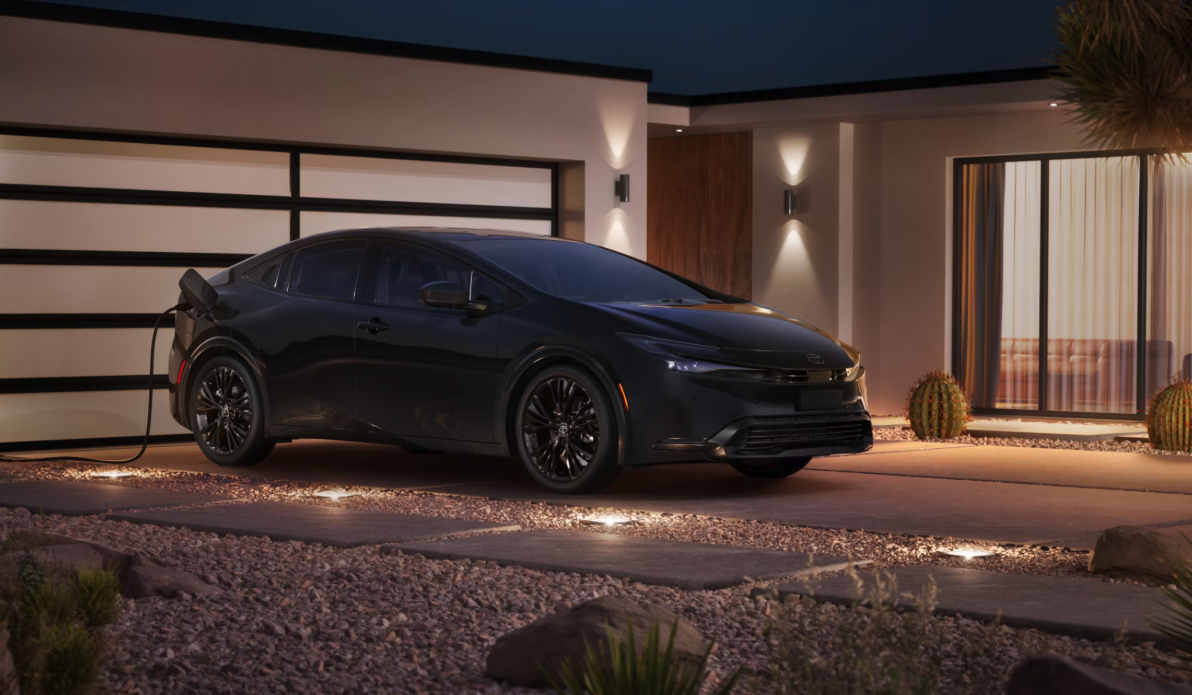
Fuel Economy and Electric Driving Range Compared
MPG, Electric Range, Horsepower, and Pricing Basics
This comparison starts with four numbers that shape almost the whole buying decision: price, MPG, electric range, and power.
Toyota lists the 2026 Prius LE at $28,550 MSRP, with trims rising through XLE, Nightshade, and Limited. In FWD LE form, the Prius reaches up to 57 city / 56 highway / 57 combined MPG. FWD XLE, Nightshade, and Limited models rate 52 combined MPG, while AWD versions vary by trim and generally trade some efficiency for added traction. Toyota also says the standard Prius makes 194 net combined horsepower in FWD and 196 net combined horsepower in AWD.
Toyota lists the 2026 Prius Plug-in Hybrid SE at $33,775 MSRP, followed by XSE, Nightshade, and XSE Premium. The biggest difference is the EV capability: Toyota says the SE delivers up to 44 miles of all-electric range when fully charged. It also delivers up to 127 combined MPGe in EV operation and 52 combined gas-only MPG in SE trim once the charge is depleted. Higher Plug-in Hybrid trims are rated at 114 combined MPGe and 48 combined gas-only MPG. Toyota rates the Prius Plug-in Hybrid at 220 horsepower, which gives it a stronger performance feel than the regular Prius.
| Model | Starting MSRP | Peak Efficiency Figure | Electric Range | Horsepower | Best For |
|---|---|---|---|---|---|
| Prius LE FWD | $28,550 | 57 combined MPG | 0 miles | 194 hp | Drivers who want maximum simplicity and lowest fuel cost |
| Prius AWD trims | Varies by trim | Up to 54 combined MPG on LE AWD | 0 miles | 196 hp | Commuters who want extra traction confidence |
| Prius Plug-in Hybrid SE | $33,775 | 127 combined MPGe, 52 combined gas MPG | 44 miles | 220 hp | Home chargers with shorter daily commutes |
| Prius Plug-in Hybrid XSE / Nightshade / XSE Premium | Higher by trim | 114 combined MPGe, 48 combined gas MPG | Varies by trim | 220 hp | Buyers who want more power and more premium features |
For a Bay County driver who just wants the easiest path to great efficiency, the regular Prius is still the answer we give most often. For a homeowner in Panama City with a short weekday commute and dependable overnight charging, the Plug-in Hybrid can cut gas use much further because those first miles may happen almost entirely on battery power.
- Choose the regular Prius if you want lower upfront cost and no charging routine.
- Choose the Prius Plug-in Hybrid if you can charge consistently and stay within EV range much of the week.
- Choose Prius AWD if rain-season traction confidence matters more than extracting every last MPG.
- Choose the Plug-in Hybrid SE if you want the most efficient way into the PHEV lineup.
Charging Practicality, AWD Availability, and Everyday Use
This is where many buyers either save themselves money or accidentally spend more than they need to.
The regular Prius does not ask anything extra of you. You put gas in it, drive it, and let the hybrid system manage efficiency automatically. That simplicity is a real benefit. Our team sees a lot of shoppers who love the idea of plug-in driving until we talk through where they park every night, whether they have charging access, and how often they actually drive far enough for the gas savings to justify the higher purchase price.
The Prius Plug-in Hybrid works best when charging is easy and frequent. If you have a garage in Panama City, a driveway outlet, or a Level 2 setup, the Plug-in Hybrid becomes much easier to justify. If you live in a Panama City Beach condo or apartment and charging access is inconsistent, the regular Prius often ends up being the better financial fit because it gives you excellent hybrid efficiency without requiring any new habit.
There is also an AWD difference that matters. Toyota offers Electronic On-Demand AWD on the regular Prius, which is useful for drivers who want extra confidence during Gulf Coast rain, slick roads, or longer highway drives in mixed weather. The Plug-in Hybrid’s big advantage is its EV capability and added power, not AWD availability. That means a Callaway commuter who cares about traction confidence may actually be better served by a Prius AWD than by a Plug-in Hybrid.
Which Powertrain Makes More Sense for Your Routine
We recommend the regular Prius when your routine looks like this: longer drives, mixed errands, uncertain charging, apartment or condo parking, or a simple goal of lowering fuel cost without changing anything else about how you own a car.
We recommend the Prius Plug-in Hybrid when your routine looks like this: shorter daily miles, reliable home or work charging, and a real desire to cover most weekday driving with electricity first and gasoline second.
For a Lynn Haven commuter covering steady weekly miles with no dependable charging access, the best option is the Prius LE or Prius XLE because the upfront savings and strong combined MPG usually beat the Plug-in Hybrid’s higher price. For a young professional in Panama City who can plug in overnight and whose daily drive stays within the EV range window, the best option is often the Prius Plug-in Hybrid SE because it lets the battery do much more of the daily work.
What most buyers do not realize is that the savings question is not only “Which one gets the better efficiency figure?” It is “Which one can I use the right way every week?” That is why this comparison is more personal than it looks on paper.
Compare Prius Features With UsFeatures, Technology, and Interior Differences
Trim Comparison: Prius vs Prius Plug-in Hybrid
The two lineups are related, but they are not mirror images. The regular Prius focuses on efficient hybrid ownership with trims that range from value-minded to premium. The Plug-in Hybrid adds more performance, EV capability, and a slightly different value equation because it asks more from the buyer up front.
| Comparison Point | Prius LE / XLE / Nightshade / Limited | Prius Plug-in Hybrid SE / XSE / Nightshade / XSE Premium |
|---|---|---|
| Starting Price | Lower entry point, starts at $28,550 | Higher entry point, starts at $33,775 |
| Efficiency Focus | Best for pure hybrid MPG | Best for EV commuting plus hybrid backup |
| Power | Up to 196 hp with AWD | 220 hp |
| AWD Availability | Yes, on select trims | Not the core advantage of this model |
| Charging Required | No | Yes, to maximize value |
| Best For | Drivers who want easy high-efficiency ownership | Drivers who can charge often and use EV miles daily |
| Ideal Use Case | Long-term fuel savings without changing habits | Shorter daily trips with home charging access |
Based on Toyota official website.
The key difference between the 2026 Prius and Prius Plug-in Hybrid is not simply that one plugs in and one does not. The real difference is how they want to be owned. We recommend the regular Prius for most Panama City-area drivers because it costs less to buy, gets excellent MPG without any charging dependency, and offers available AWD for buyers who want extra traction confidence. We recommend the Prius Plug-in Hybrid when a driver has dependable charging and a routine that lets the EV range do real work every week. That is when the extra upfront cost can actually start to make sense.
For a Mexico Beach couple who want a premium-feeling electrified hatchback for mixed town and coastal driving, the choice may come down to whether they have home charging and whether they care more about EV miles or lower upfront cost. That is why we like to compare them in person rather than treating them as the same kind of vehicle.
View Prius Plug-in Hybrid DetailsWhich Model We Recommend for Different Drivers
This is the part that matters most in real shopping conversations.
If you drive from Lynn Haven to Panama City every weekday and do not have easy charging, we recommend the regular Prius LE because it gives you outstanding MPG and the lower purchase price helps the savings start earlier.
If you are a Panama City homeowner with garage charging and your daily routine stays near the Plug-in Hybrid’s EV range, we recommend the Prius Plug-in Hybrid SE because it gives you the strongest value inside the PHEV lineup and lets electricity handle much of the commute.
If you live in a Panama City Beach condo and charging access is uncertain, we recommend the regular Prius XLE or Limited because you still get excellent hybrid efficiency, better comfort, and no need to plan your ownership around charger availability.
If you commute from Callaway and want extra confidence in heavy rain, we recommend the regular Prius AWD because available AWD is one of the regular Prius lineup’s biggest practical advantages in this market.
If you want a more premium electrified hatchback and you can actually charge at home, we recommend the Prius Plug-in Hybrid XSE or XSE Premium because the added power and richer equipment make the car feel more special day to day.
Use this shortlist as a quick guide:
- If you cannot charge reliably, we recommend Prius.
- If you can charge daily, we recommend Prius Plug-in Hybrid SE first.
- If you want extra traction confidence, we recommend Prius AWD.
- If you want the most premium electrified experience, we recommend Prius Plug-in Hybrid XSE Premium.
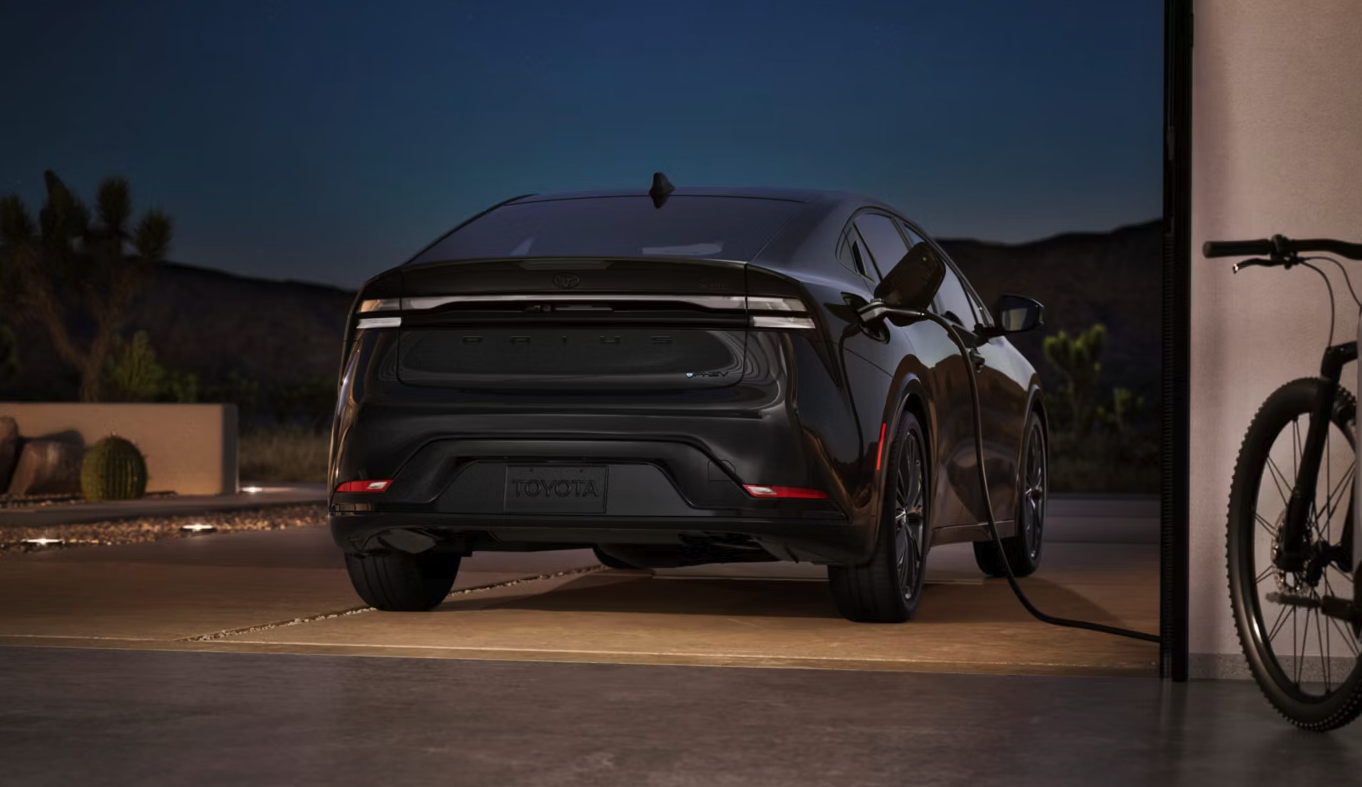
If you are deciding between these two models, we recommend coming in so we can help you compare them around your real commute, parking setup, and ownership habits instead of just talking about them in generic terms. We can walk you through our local Prius and Prius Plug-in Hybrid availability, explain what charging looks like in practical terms, and show you how the difference in price, power, and equipment changes the feel of each car. You can also start from home on https://www.panamacitytoyota.com/ and use our model research pages or inventory tools to narrow your list before you visit. If you already know your daily mileage and where you park at night, our team can usually tell you quickly which one deserves the closer look. Call us at 850-769-3377 and we will set aside time for a comparison drive that is actually built around your routine.
Get a Quote on the Prius That Fits YouPricing, Tax Credits, and Long Term Ownership Costs
When the Upfront Price Gap Pays Off
The purchase price gap matters. Toyota puts the standard Prius at a meaningfully lower starting point than the Prius Plug-in Hybrid, and that changes how quickly your savings show up. If you do not have dependable charging, the regular Prius usually wins on ownership logic because it gets strong MPG without asking you to buy the more expensive model or install any charging solution.
The Prius Plug-in Hybrid becomes a smarter buy when you can repeatedly cover much of your week on electricity. That is especially true for a Panama City homeowner with a short commute, easy overnight charging, and predictable weekly driving. In that situation, the EV range can do real work. For a buyer whose trips are longer, less predictable, or harder to pair with charging, the Plug-in Hybrid’s higher price is harder to recover.
Any discussion around tax credits has to stay current because eligibility can change by timing, rules, and vehicle status. We do not recommend assuming a credit applies until we review the current program details with you directly. That is part of why we like handling the cost conversation in-store or over the phone, where we can compare purchase price, estimated fuel use, trade value, and available programs all at once.
| Driver Scenario | Better Choice | Why It Usually Saves More | Best For |
|---|---|---|---|
| No home charging, long weekly commute | Prius LE or XLE | Lower upfront cost plus high MPG | Lynn Haven and Youngstown commuters |
| Home charging, short daily commute | Prius Plug-in Hybrid SE | EV miles can replace much of weekly gas use | Panama City homeowners |
| Condo or apartment parking | Prius XLE or Limited | No need to depend on outside charging | Panama City Beach residents |
| Rain-season commuter needing extra traction | Prius AWD | Available AWD adds confidence with strong MPG | Callaway drivers |
| Premium electrified hatchback buyer | Prius Plug-in Hybrid XSE Premium | More power and upscale feel | Style and feature-focused shoppers |
The best option for many Bay County shoppers is still the regular Prius, because the lower price and very high MPG make it easier to benefit right away. What most buyers do not realize is that the Plug-in Hybrid becomes most compelling only when the charging routine is stable enough to let the battery miles do real financial work.
Turning the Comparison Into Real NumbersWhen you are ready to turn the Prius versus Prius Plug-in Hybrid question into real numbers, we are here to help you do that with local guidance instead of guesswork. We serve drivers from Panama City, Panama City Beach, Callaway, Lynn Haven, Youngstown, and Mexico Beach, and we can help you compare pricing, trade values, finance options, and the ownership tradeoffs between hybrid and plug-in hybrid driving. If long-term peace of mind matters to you, ask us about the Panama City Toyota Lifetime Powertrain Warranty, because that can add useful confidence to your ownership plan. You can begin at https://www.panamacitytoyota.com/, value your trade online, or call 850-769-3377 so our team can walk you through the numbers for both models. We want you to leave with the Prius that fits your real life, not just the one that sounds best in a headline.
Value Your Trade for a New PriusWhen the Standard Prius Actually Saves More Than the Plug-in Hybrid
A lot of buyers assume the Plug-in Hybrid automatically saves more because it can run on electricity. Sometimes that is true. Sometimes it is not.
We recommend the regular Prius first when three things are true: you do not have dependable home charging, your daily miles vary a lot, and you want the most predictable savings from day one. In that situation, the standard Prius is usually the cleaner financial answer because it gives you excellent hybrid efficiency without asking you to pay the plug-in premium up front. For a Bay County commuter who parks outside, drives longer distances, and just wants to spend less on fuel over time, the regular Prius is often the more practical winner.
Which Prius Fits Bay County Commuting and Charging Reality
We see three local patterns over and over:
Lynn Haven and Callaway commuters often fit the regular Prius best because steady weekday miles reward the lower purchase price and hybrid MPG.
Panama City homeowners with garage parking often fit the Prius Plug-in Hybrid SE best because they can charge easily and keep many weekday miles on battery power.
Panama City Beach condo residents often fit the regular Prius XLE or Limited better because relying on shared or inconsistent charging usually weakens the Plug-in Hybrid value story.
For a young professional in Panama City who has charging at home or work, the Plug-in Hybrid can be a very smart move. For a driver who wants efficiency without one extra thing to manage, the regular Prius remains one of the easiest recommendations we make.
Key Takeaways
- The 2026 Prius is usually the smarter buy for drivers who want lower upfront cost and no charging dependency.
- The 2026 Prius Plug-in Hybrid makes the most sense when you can charge often and use its EV range regularly.
- Prius LE starts at $28,550 MSRP; Prius Plug-in Hybrid SE starts at $33,775 MSRP.
- Prius offers available AWD, which is useful for some Bay County rain-season commuters.
- For most local buyers without reliable charging, we recommend starting with the regular Prius.
2026 Toyota Prius vs Plug-in Hybrid FAQ for Panama City Drivers
Which Prius is better for commuting?
For most commuters, we recommend the regular 2026 Prius first because it combines lower starting price with very high MPG and does not require any charging routine. That makes it a strong fit for Lynn Haven, Callaway, and Youngstown drivers who put in regular weekly miles and want efficiency without changing how they park or fuel their car. We recommend the Prius Plug-in Hybrid for commuting only when the driver has reliable charging and a daily route that lets the EV range replace a meaningful amount of gasoline use. That is when the plug-in advantage starts to matter most.
Is the Prius Plug-in Hybrid worth it if I cannot charge at home?
In most cases, no. If you cannot charge reliably at home or at work, the Plug-in Hybrid usually gives up too much of its core value. You still get a strong electrified car, but you are paying more for capability that may not be used often enough. Based on what we see with local shoppers, the regular Prius is usually the better answer when charging access is uncertain because it keeps the purchase price lower while still delivering excellent hybrid efficiency every day.
Does the regular 2026 Prius offer AWD?
Yes. Toyota offers Electronic On-Demand AWD on the regular 2026 Prius, and that can matter more in Florida than some drivers first expect. We are not talking about snow use here. We are talking about heavy rain, slick roads, longer highway stretches, and extra confidence during Gulf Coast weather. If you are a Callaway commuter or you spend a lot of time on wet roads, available AWD is one of the regular Prius lineup’s strongest practical advantages compared with the Plug-in Hybrid.
How much more does the Prius Plug-in Hybrid cost?
Toyota lists the 2026 Prius Plug-in Hybrid SE at $33,775 MSRP, compared with $28,550 MSRP for the regular 2026 Prius LE. That means the Plug-in Hybrid starts more than five thousand dollars higher before destination and other costs. Whether that gap is worth it depends on how often you can charge and how much of your weekly driving can happen on electric power. For a Panama City homeowner with short daily trips and easy charging, that premium can make sense. For many other buyers, the regular Prius is still the stronger value play.
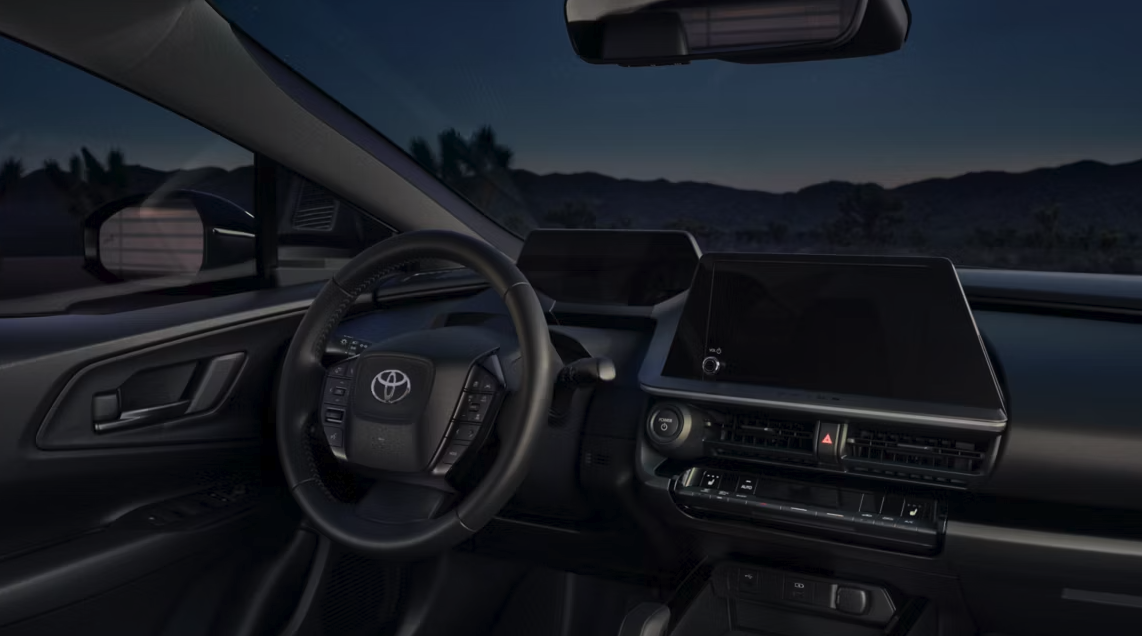
We are here to help drivers across Panama City, Panama City Beach, Callaway, Lynn Haven, Youngstown, and Mexico Beach compare the 2026 Prius and 2026 Prius Plug-in Hybrid the right way. If you want to see how the price gap, charging needs, AWD availability, and daily use differences play out in real life, visit us at Panama City Toyota, 959 West 15th Street, Panama City, FL 32401. We can help you compare local availability, trade values, finance options, and ownership benefits like the Panama City Toyota Lifetime Powertrain Warranty. Call us at 850-769-3377 or start at https://www.panamacitytoyota.com/ so we can help you choose the Prius that actually saves you more based on how you drive. We want the answer to make sense not only on paper, but in your real weekly routine.


