
Dog-Friendly Spots In Panama City
If you’re planning a visit to Panama City and Panama City Beach, Florida, you don’t have to leave your furry family member at home. That’s because both cities are incredibly dog friendly. Check out these awesome dog-friendly restaurants and other locations so you and your dog can enjoy a good time in both cities.
Pier Park

Image via Flickr by sonstroem
Pier Park in Panama City Beach is a sprawling outdoor destination for shopping, dining, and entertainment. The complex has 124 stores that range from home goods to shoes, clothing, and jewelry for the whole family. If you get hungry after all that shopping, Pier Park also has numerous dining options.
While dogs aren’t allowed inside most of the stores and restaurants, they’re welcome at the outside common dining area and outdoor walkways when they’re on a leash. Restaurants like Starbucks and Candy Maker often have water bowls outside for your dogs to get a drink of water. Pier Park will also occasionally have live music that you and your pooch can enjoy.
If your dog wants to splash in the water when you’re done shopping, the beach directly across the street from Pier Park is pet friendly. Leashed dogs are welcome to go for a walk on the sand, play in the water, and socialize with other dogs.
Shore Dogs
While Shore Dogs is actually named for its outstanding hot dogs, it’s also a great dog-friendly restaurant in Panama City. This relaxed restaurant has five pet-friendly outdoor tables where your pooch can join you as you savor your all-beef hot dog. If you’re feeling hungry, you can start with the smoked tuna dip, nachos and cheese, or the Frito pie.
When you’re in the mood for a hot dog, check out the signature Frank Footer, a foot-long, half-pound dog loaded with your choice of toppings. Other good options include the Shore Dog, which has ketchup, mustard, mayonnaise, relish, onions, and sauerkraut, as well as the German Sheppard, which includes mustard, cheese, and seasoned grilled onions.
If you’re not in the mood for a hot dog, Shore Dogs has other items on its menu, such as the loaded nachos, gyros, or chicken Philly sandwiches. The tacos and burritos are also a tasty option. One popular choice is the Half Pipe, which is a soft taco with seasoned beef, lettuce, cheese, tomato, sour cream, and hot sauce.
Hook’d Pier Bar & Grill
Hook’d Pier Bar & Grill in Panama City Beach is a beach-themed bar and grille that serves up delicious seafood dishes. The restaurant has an outdoor seating and patio area where your dog is welcome to sit with you while you dine. When you’re ready to order, consider starting your meal with the fried pickle wedges with ranch dipping sauce, blackened or fried alligator bites with remoulade, or the loaded fries topped with queso, bacon bits, and sour cream.
Some of the popular main courses at the restaurant include the grouper sandwich, grilled chicken and avocado Caesar wrap, Gulf shrimp tacos, and Island Bacon Burger, which comes with avocado, grilled pineapple, and shrimp with a pineapple glaze. If you saved room for something sweet, make sure you order the white chocolate Key lime pie for dessert. While you’re enjoying your food, the restaurant is happy to bring out a bowl of water and a few Milk Bones for your pup.
Frank Brown Park
If you want to let your dog stretch his legs, load him up in your car and take a drive to Frank Brown Park in Panama City Beach. This 200-acre outdoor recreation facility has plenty of amenities for people and dogs alike to enjoy.
If your dog needs to burn some excess energy, he’ll love checking out the two off-leash play areas. One fenced-in area is for large, high-energy dogs, and the second area is for smaller dogs and older large dogs. The play areas have shaded spots where you can relax and water fountains where your dog can get a drink
In addition to the play areas, leashed dogs are allowed to walk with you on the 2 miles of walking trails that wind through the park. Frank Brown Park also offers access to Gayle’s Trails. Named for former mayor Gayle Oberst, this network of paved multi-use trails offers nearly 15 miles for runners, cyclists, hikers, and leashed dogs to enjoy.
Salty Sue’s
At Salty Sue’s in Panama City Beach, you can satisfy your craving for finger-licking good barbecue. This pet-friendly restaurant has an outdoor seating area that welcomes dogs. Some of the popular barbecue dishes you can order include chopped pork, hickory-smoked beef brisket, a half-pound of St. Louis-style ribs, and smoked chicken. If you can’t decide what you want, get the combination barbecue plate to pick from three of those delicious options. Other dishes include burgers, sandwiches, gumbo, and steak.
In addition to the people menu, Salty Sue’s also has a dog menu. As you’re savoring your barbecue, your dog can chow down on chicken or pork and rice and cool down with a big bowl of cold water.
Bruster’s Ice Cream
You love the occasional sweet treat, and so does your pup. So the next time you’re looking to indulge, bring your dog to Bruster’s Ice Cream in Panama City Beach. While your pooch laps up his free vanilla ice cream sundae with a dog bone on top, you can indulge in your own favorite ice cream flavor.
The ice cream shop bakes its crunchy vanilla waffle cones right in the store, so they’re always fresh and delicious. You can then choose from more than 24 flavors of ice cream and an outstanding variety of special toppings to make your perfect cone. The ice cream shop also serves splits, sundaes, shakes, and ice cream sandwiches.
So, there you go. We think these are some of the best dog-friendly spots around Panama City and Panama City Beach. Did we miss a place you love to take your four-legged family member? Then contact us at Panama City Toyota and let us know where you and your pooch love to go!
7 Sources Of Outdoor Fun In Panama City
Panama City, Florida, is one of the most beautiful cities in America, making it a great place to spend time outside with your family. With many different outdoor activities to enjoy, there is no shortage of family fun to be had. Here at Panama City Toyota, we’ve pulled together seven of our favorite sources of outdoor fun you can find in and around Panama City, Florida.
Shipwreck Island
If you need a break from the beach but still want to have some wet fun in the sun, Shipwreck Island Waterpark is the place to be. There’s something for everyone in the family, with plenty of activities suited for all personalities, from laid back to full throttle thrill. When relaxing is more your speed, you can spend some time in the Ocean Motion Wave Pool or at the Lazy River. When you want to step up the excitement, you can give the more exciting flume activities and daring water slides a try.
Shipwreck Island is a retreat from the beach that keeps you cool, entertained, and as active as you want to be. The water park’s hours vary throughout the year, but summer hours are typically from 10:30 a.m. to 4:30 p.m. or 5 p.m. Admission varies by height (which determines the rides you’re safely allowed to go on), with $38.86 for people at least 50 inches tall, $30.53 for people under 50 inches tall, and children under 35 inches tall are free.
Panama City Beach SUP (Paddle Boarding)
Paddleboarding has become something of a sensation, and Panama City is an excellent environment for you to try this fun watersport. Spending time out on the water is a great way to explore the natural waterways and learn about Panama City’s ecology and local wildlife population. Panama City Beach SUP has professional instructors and provides pickup and delivery from any location in town. Planning for a family paddleboarding adventure is simple and can all be done online. Rental prices depend on how many days you rent equipment for, with the one-day rate at $70 and the seven-day rate at $235.
St. Andrews State Park
If you are looking for a unique state park experience, look no further than St. Andrews State Park. This park is situated between the Gulf of Mexico and St. Andrews Bay. Whether you want to snorkel, swim, surf, or do all three, the park has some of the best around. Bird watchers will also have a great experience at St. Andrews State Park with an ever-changing array of birds to view. Other enjoyable activities at the park include cycling, boat tours, boating, camping, and fishing, to name a few.Â
Park occupancy and hours may vary and are available for review online, allowing you to make the most out of your visit. Admission fees include vehicle-entrance fees, boat launching, and camping, and vary depending on your activity and how many people you bring along for the adventure.
Zoo World
Ocean dwelling animals aren’t the only creatures that call Panama City home, and you can discover many different animal species while visiting Zoo World. You and your family can view over 200 animals, such as llamas, lions, giraffes, tigers, wolves, and more. When you enter Zoo World, it’s like you have left Florida and entered into a whole other ecosystem.
Daily hours of operation are from 9:30 a.m. to 5 p.m. Adult admission is $19.95 each, kids’ admission is $13.95 each, and seniors’ admission is $18.95. For an additional cost, you can take advantage of having up-close and personal encounters with different animals as you hold or feed them under the zoo staff’s supervision.
Pirates Island Adventure Golf
Mini golf is an excellent activity for the whole family that allows you to relax and enjoy friendly, outdoor competition. Pirates Island Adventure Golf offers some of the most beautiful panoramic views. As you play the course, you will be putting along waterfalls, over streams, and inside of caves, and the adventure theme also has you searching for lost treasure belonging to Captain Kidd.
Pirates Island is open from 10 a.m. to 10 p.m. Adults and kids 13 and up can play for $13.50 and children ages 4 to 12 can play for $10.50. Bring the little ones, too, since kids 3 and under play for free.
Captain Black’s Fishing
If deep-sea fishing is on your agenda, Captain Black’s Fishing has you covered. This is a grand experience for kids of all ages and adult anglers, too. You can call them to find out the pricing of their tours, ranging from four hours to all-day excursions.
Captain Black has over 40 years of boating and fishing experience and will help you make the most of your trip with tips and personalized coaching. Captain Black also used to be a licensed nurse/EMT, adding security and safety for your family to each trip. Plus, The Lady Black prides itself as one of the cleanest and most comfortable fishing boats in Panama City since it’s sanitized after every trip and provides amenities like bunks, showers, a bathroom, and air conditioning.
Panama City Beach

Image via Flickr by MyDiscoveryTV
Panama City Beach is the main attraction for outdoor fun in Panama City. With 27 miles of pristine sandy beaches, there is plenty of room to spread out and enjoy the whole day by the ocean. There are many hotels, resorts, restaurants, and shopping destinations within walking distance to the beach, making it a great place to vacation for one or two weeks. There are many activities you can take part in, such as swimming, snorkeling, surfing, fishing, and sunbathing, to name only a few.
Included in the most beautiful stretches of beaches in America, Panama City Beach offers miles of walking, running, and cycling for you to enjoy. You and your family can see breathtaking sunrises and sunsets, walk the beach under the moonlight, and create elaborate sandcastles. There’s no end in sight for the fun you can have while visiting Panama City Beach.
These and many more sources of outdoor fun are waiting for you in and around Panama City, Florida. Getting your family together and taking advantage of the area’s best offerings will soon become a favorite family vacation plan. Did we miss your favorite outdoor destination? Let us know and we’ll add it to the list!
How To Sell Your Car
When you’re ready to be rid of your car and replace it with a newer model, you have two options: sell it or trade it in. In this quick guide, we will tell you how to sell your car legally in Florida and help you decide if trading it in is a better option for you.
How Much Is It Worth?

Image via Flickr by truckhardware
Regardless of whether you decide to sell or trade in your vehicle, it’s a good idea to know how much it’s worth before you start asking people to take it off your hands. There are many services that will tell you how much your old vehicle is worth, but Kelley Blue Book is one of the most trusted and often used.
Keep in mind that you may not get the Kelley Blue Book value of your car. This is just to give you a good idea of your vehicle’s value so that you can avoid being taken advantage of during the selling process.
Florida Laws For Private Sales
Florida requires that you do a few things before, during, and after privately selling your vehicle. Following these rules can save you from headaches later on:
Temporary Tag
If you have already transferred your previous vehicle’s license plate to a different vehicle, you’ll need to apply for a temporary demonstration-only tag to let people test drive the old vehicle. This tag shows that the vehicle is between owners and being test-driven. This protects both you and the people test driving your vehicle. You’ll need proof of insurance to acquire a temporary tag.
Notice of Sale
Florida law states that you must fill out a Notice of Sale after your vehicle changes hands. This is largely for your protection as the seller, as the notice removes your name from the vehicle and your liability to it once you sell it to the next owner.
Title Transfer
A vehicle sale isn’t final until you’ve transferred the title to the new owner. If you don’t have a title, you’ll need to apply for a duplicate before you sell the vehicle. You’ll need an Application for Title, the Notice of Sale, your license, the title itself, the buyer’s information, and the vehicle being sold. Head to a Florida Department of Highway Safety and Motor Vehicles (FLHSMV) office with all these items and information. Both you and the new owner need to go to the office to provide information and identification.
Pitfalls And Concerns Of Privately Selling
Though you have greater control over how much your vehicle sells for (if you can negotiate successfully with potential buyers), there are some limitations and concerns you should be aware of. Here are a few pitfalls of privately selling your vehicle:
Lien Restrictions
If you still have a lien out for your vehicle, you can’t sell it in Florida. The lien must be finished before the vehicle is legally sold. The vehicle can only be sold after the lienholder reports to the FLHSMV.
VIN Inspection
You will have to go through the Vehicle Identification Number and Odometer Verification process if your car was not titled in Florida. You can get this done at an FLHSMV office, a dealership, through a police officer, or with a Florida notary public.
Negotiations
There’s a high chance you’ll have to negotiate with potential buyers about the price of your car. It’s the nature of private sales. If you’re not willing to haggle with people, privately selling your car may not be the best route. If you choose to sell your vehicle privately, you might consider a starting price that’s more than you would normally ask for. That way, buyers can ‘talk you down’ to the price you wanted all along. However, you run a risk of would-be buyers passing up your vehicle because its listing price is too high.
Is Trading In A Better Option?
There are many benefits to trading in your vehicle to a dealership instead of selling it. One of the most attractive benefits is how much time and energy you’ll save. Rather than go through all the effort of advertising your vehicle, speaking to potential buyers, and the various legalities of selling your car, a dealership can take it off your hands with significantly less hassle. Here are a few other factors you should keep in mind as you consider trading in your vehicle:
Liens
If you have a lien on your vehicle, you can still trade it in at a dealership. The dealership will take responsibility for the lien. They have 10 days to satisfy the lien before they can sell it to the customer. Though you may take a little less for your vehicle through a trade-in than a possible private sale, this factor can make the choice a simple one for those who still have liens on their vehicle.
Taxes
People who think that they are willing to put in the effort to sell their vehicle to get the best price possible should consider the tax advantages of trading in their car. Florida applies sales tax to a new car after dealer discounts and trade-ins are factored in. This is particularly important to drivers who plan to use the money from a private sale to buy a new vehicle at a dealership.
If you opt for selling your vehicle and you actually get the price you ask for, you will pay more taxes on a new vehicle than someone who traded in a vehicle to buy the same new vehicle. The trade-in shopper paid taxes on only the difference in price after the value of their trade-in was subtracted from the new car’s price tag. This can be frustrating to the private seller after they put in all the work to legally sell their car in Florida.
Taking your vehicle to a dealership to trade up to a new, better vehicle is likely the best option. When you’re ready for your next home away from home, take your old car to Panama City Toyota to see what kind of deal we can give you. Give us a call or send us a message to get started on your trade in.
Toyota 4Runner Vs. Toyota Highlander
Shopping for top-notch quality trucks is always a high-stakes process. Not only are you trying to ensure that you get the most for your money, but you are also likely looking for a high-performance vehicle that is safe enough to do any activity you wish. Luckily, the Toyota 4Runner and Toyota Highlander are two acts that are tough to beat. While they stand far above many other trucks on the market, they are great competition for one another. With that in mind, take a look at how each of these vehicles measures up.
Reliability
Image via Flickr by DennisM2
Both the 4Runner and the Highlander come with a three-year/36,000-mile basic warranty and a five-year/60,000-mile powertrain warranty. According to J.D. Power, the 4Runner receives a good reliability rating of 4 out of 5, while the Highlander scores an excellent 4.5. While each of these models is reliable, the Toyota Highlander may be slightly more so because of this rating.
Comfortability
In terms of the driver and passengers being able to sit comfortably and enjoy the ride no matter their height or size, the 4Runner is your best bet. The front seats of the 4Runner are comfortable enough to allow you to enjoy long drives. If you are looking for space and headroom, the 4Runner has more space in the second row than the Highlander. There’s also a small area of third-row seating, which is perfect for smaller kids.
On the other hand, the Highlander also comes with three rows of seating but has an optional second-row bench seat, which will allow you to increase your passenger capacity from seven to eight. However, the first and second-row passengers may feel the ceiling is a tad low, depending on height. Additionally, the third-row is a bit small, even if you are only seating kids. Unlike the 4Runner, which has a heated first row only, the Highlander offers a heated second row.
Interior
Given that it was redesigned in 2020, there have been quite a few upgrades that have added to the Highlander’s already awesome interior. Now with a new and more modern design, the interior of the Highlander certainly feels more luxurious than the Toyota 4Runner. Although both come standard with cloth seats, synthetic or genuine leather upgrades are also available. The 4Runner uses hard plastics throughout the cabin and has not had an interior update in many years.
The Highlander also beats the 4Runner in terms of internal features. While they both have the same 8-inch touch screen, Apple CarPlay, Android Auto, and Amazon Alexa compatibility, the Toyota Highlander also includes a standard Wi-Fi hotspot that comes with five USB ports, and Driver Easy Speak, which makes it possible for the driver to speak through a microphone which then sends the message to the speakers in the rear of the vehicle and also allows you to upgrade to a 12.3-inch screen and wireless charging.
Cargo Space
In this regard, the reviews are pretty split. On the one hand, the Highlander comes complete with 48.4 cubic feet of space behind the second row of seats, which can be extended to reach 84.3 cubic feet when you fold over the second row of seats.
On the other hand, the 4Runner offers 47.2 cubic feet without the third row, and 90 cubic feet of total cargo space when the second row is folded. So, if you are using the truck as-is, you may prefer the Highlander. However, if you are a frequent seat-folder, the 4Runner offers more space.
Power
Complete with 295 horsepower and 263 pound-feet of torque, the Highlander has a 3.5-liter V-6 engine and a smooth-shifting eight-speed transmission.
The Toyota 4Runner comes with a 4.0-liter V-6 that allows for 270 horsepower. It also has a five-speed automatic transmission. This is not ideal, but it is sufficient for those who do not place an emphasis on a fast acceleration capacity.
Fuel Economy
No matter what type of vehicle you are purchasing, having a good fuel economy is a must. The Highlander offers 21 mpg in the city and 29 mpg on the highway, while the 4Runner offers 16 mpg and 19 mpg, respectively. The Highlander offers much better fuel economy than the 4Runner does.
Off-Roading
Complete with two TRD trims that offer off-road features such as four-wheel drive, crawl control, a locking rear differential, premium-quality shocks and springs, and a front skid plate, the 4Runner is an off-roader’s dream.
The Highlander offers all-wheel drive but is much better for highway driving than going off-road. Nevertheless, it can handle some light off-roading if you are planning on veering onto dirt roads with a relatively steady terrain. If off-roading is your goal, the 4Runner is the better choice.
Safety
The Highlander received near perfect scores on the Insurance Institute for Highway Safety Test and was the 2020 top safety pick. It also includes the Toyota Safety Sense 2.0 suite of driver assistance features; this includes cyclist and pedestrian detection, a head-up display, adaptive cruise control, and traffic sign recognition.
The 4Runner has Safety Sense P, which includes automatic high beams, lane departure alert, a pre-collision system, and dynamic radar cruise control. This suite of features is not quite as efficient as the TSS 2.0 system included on the Highlander.
Purchase Your Truck From Panama City Toyota
Both the Toyota 4Runner and the Toyota Highlander offer a wide variety of features to keep you comfortable, safe, and on the go. Depending on what your goals are or how you plan to use your truck, you may prefer one over the other. Whichever model you choose, Toyota has proven itself to be a winner in terms of designing trucks overall.
Shopping with Panama City Toyota is the best way to purchase the Toyota truck of your dreams. Specializing in Toyota sales, financing, and servicing, Panama City Toyota is a full-service car dealership. Offering genuine Toyota parts and accessories, Panama City Toyota is your one-stop-shop for all things Toyota-related.
With a new Toyota inventory available online, you can shop in-store or complete the entire process online. No matter if you are seeking a new or used car, we offer sales and financing assistance that makes the process a cinch! No matter which one of these vehicles you pick, shopping with us is always a safe bet. Contact us today.
As a Panama City local, you have access to an impressive array of research, educational, and entertainment resources. Even better, most are available for free or at a low cost through the Northwest Regional Library System. Curious to learn what you can do at the library besides borrow books? Find out how to use every available resource at the Panama City Beach Public Library.
E-Books, Audiobooks, And Online Databases

Image via Unsplash by syinq
Once you sign up for a library card from the Panama City Beach Public Library, you can access all of the online borrowing options that the Northwest Regional Library System offers. That means you can log in to a wide range of e-book and audiobook libraries as well as online databases for class or personal research. Online resources include:
- OverDrive, Libby, RB Digital, and EBSCOHost: Digital books and audiobooks.
- Gale Virtual Reference Library: Digital encyclopedias and other reference resources.
- Florida Electronic Library: Digital magazine and journal articles.
- Project Gutenberg: Free e-books without a library card.
Internet Access
Maybe your home internet access is out or you need a quiet place to study. Perhaps you need to research something pressing while you’re out and about. Either way, the Panama City Beach Public Library offers free internet access to members of the community. Although the length of your surfing session might be limited if others are waiting, you can save your work on your personal USB drive so you can continue it later.
Need to print something you found online? The Panama City Beach Public Library offers black-and-white printing for $0.10 per page and color printing for $0.20 per page.
3D Printing
If you’re looking to create something a little more advanced, try out the library’s 3D printing services. The 3D printer uses polylactic acid (PLA) filament in a limited range of colors, so call ahead to make sure the color you need is available.
The Panama City Beach Public Library is only one of three locations in the network with 3D capabilities, so check the library’s open lab hours or make an appointment at a convenient time for you.
Electronics And DVDs
Whether you’re planning a movie night or you want to pick up something educational for the kids, the Panama City Beach Public Library has an impressive selection of DVDs for borrowing. You can pick up PBS documentaries and DVDs focused on learning, or you can check out the newest action movies and rom-coms.
The Panama City Beach Public Library also has a selection of Playaway Launchpads for kids. These tablets have 7-inch touch screens with protective cases and come with educational videos ideal for kids 3 years old and up.
Musical Instruments
When you want to reduce your screen time, the library has you covered. In addition to books and electronics, the Panama City Beach Public Library also has a selection of musical instruments available for checkout. You can borrow ukuleles and dulcimers for up to three weeks, giving you plenty of time to master the basics and learn a few songs. When you borrow an instrument, it includes a tuner to ensure your notes are always in tune.
Once you learn a few songs, you can join the library network’s music clubs. The Ukulele Social Club typically meets on the first Saturday of the month, and the Mountain Dulcimer Class meets on the third Friday of the month.
Books For Sale
If you’d prefer to keep your books forever rather than for just a few weeks, check out the library’s bookstore. The Panama City Beach Public Library has a selection of used books, magazines, DVDs, and other items for anywhere from a few cents to about $1.
All-Ages Programs
Throughout the year, the Panama City Beach Public Library hosts educational events for kids and adults. Check the library’s website to find dates and times for children’s storytimes, kid-friendly STE(A)M programs, and much more. You can even pick up take-home craft kits and log in for crafting hours each week. Adults will also appreciate the library’s online art history lectures, poetry hours, and cooking classes.
Tutoring And Classes
If you’re looking for more long-term learning opportunities, the Panama City Beach Public Library can help. The library offers a free tutoring program for patrons 18 years and older. If you want to improve your English speaking or writing skills, prepare for the GED exam, or pass the U.S. Citizenship test, contact the library to learn more about literacy programs.
If you’d rather learn another language, check out the library’s Transparent Language service. With this online resource, you can learn over 100 languages.
The Panama City Beach Public Library also offers more than 500 online courses through the Universal Class platform. From accounting to crafts, you can use this service to brush up on a variety of subjects.
Meeting Rooms
If you need a quiet area to meet with your group, the Panama City Beach Public Library has meeting rooms available for reservation, and you can typically use them to host events lasting up to four hours. Nonprofit organizations can use the rooms at no cost, while for-profit organizations pay a few of $20 for up to four hours.
Speakers’ Bureau
When you want to host an event outside of the library but you need a compelling speaker, the Panama City Beach Public Library has you covered. Contact the library to book an experienced speaker who can entertain and educate your audience on topics like:
- Colonial Days and Dames.
- Graphic Novels 101.
- Genealogy Basics.
- The Value of Public Libraries in the Age of Amazon and Google.
Mobile Library
If you don’t have time to run to the library, the Mobile Library can help. During each stop in the Panama City area, the Mobile Library lets you:
- Borrow books and DVDs.
- Return any items you’ve borrowed.
- Use the free Wi-Fi.
- Complete 3D printing projects.
- Attend craft activities and other educational programs.
Eager to explore Panama City in style? Contact Panama City Toyota to learn about our new Toyota inventory.
What Is Toyota Safety Sense?
Toyota Safety Sense (TSS) is a suite of safety features that’s available on many new Toyota vehicles. Included at no extra cost on select cars, TSS provides added peace of mind and protection when you’re on the road. In 2019, approximately 38,800 people lost their lives due to car crashes and 4.4 million people required medical attention for injuries sustained in car accidents. Though significant, these numbers represent a 2% decline from 2018. Systems like TSS are helping to pull these numbers down.
With TSS on our vehicles at Panama City Toyota, you’ll have access to a full range of innovative safety features that utilize the latest technologies to keep you and your passengers safe.
Pre-Collision System With Pedestrian Detection

The pre-collision system (PCS) with Toyota Safety Sense uses an in-vehicle camera in conjunction with a laser sensor or radar sensor to detect potential collisions, including those with pedestrians. If the system detects a threat, it provides both visual and audio alerts. If you apply the brakes yourself, the PCS may step in with Brake Assist (BA) to offer added force. If you don’t brake, the PCS can apply the brakes independently to help prevent a crash.
PCS offers effective vehicle detection and automatic braking between 7 and 110 miles per hour. Potential speed reduction is possible at speeds of 25 mph and above. Pedestrian detection and automatic braking are operational at speeds between 7 and 50 mph. Automatic braking for pedestrians is functional at 19 mph and above.
Optional bicyclist detection is available with this system as well. This uses the same technology in a manner that’s tailored for bicycles. This feature is available on fewer vehicles than the standard PCS with pedestrian detection.
Dynamic Radar Cruise Control
Dynamic Radar Cruise Control (DRCC) is an advanced cruise control system that maintains a preset distance between your vehicle and the one in front of it. A forward-facing camera and grille-mounted radar monitor the location of the vehicle ahead of you to prevent you from getting too close.
When there is no vehicle in front of you, DRCC will maintain your preset speed so you can travel at a constant rate without your own throttle input. The dynamic radar steps in only when there’s a car in front of you that’s traveling slower than your cruise control speed. If this vehicle is moving significantly slower, DRCC will provide an audio and visual alert and apply the brakes as needed. DRCC works at speeds ranging from 25 and 110 mph. There’s a minimum set speed of 28 mph.
With optional Full-Speed Range DRCC, you can take cruise control to another level entirely with features like:
- Speed matching.
- Low-speed following.
- Stopping.
- Acceleration/deceleration to match a preceding vehicle.
Full-Speed Range DRCC works at speeds between 0 and 110 mph, and also has a minimum set speed of 28 mph.
Lane Departure Alert
Lane Departure Alert (LDA) is a standard feature with TSS that works on roads that have visible lane markings. It’s important to keep in mind that this feature will not work on unmarked roads.
LDA activates at speeds of 32 mph or more. It provides an audio and visual alert when you depart from the lane. Drivers should use their own observation to determine the accuracy of the alert and guide the vehicle back into the lane as needed. This feature is most effective on relatively straight roads and will not work on winding roads.
Steering Assist is available on select vehicles which will perform corrective steering to help the vehicle stay in its lane. The system makes only small corrective inputs and will not provide drastic guidance if you depart from the lane entirely. This feature is only available on Toyota cars that have:
- Toyota Safety Sense 2.0.
- Toyota Safety Sense 2.5.
- Toyota Safety Sense P and Electronic Power Steering.
Automatic High Beams
Automatic High Beams (AHB) use an in-vehicle camera to detect oncoming and preceding vehicles so you can make optimum use of high beams without disrupting other drivers on the road. AHB activates at speeds over 25 mph. It toggles automatically between high and low beams as needed, depending on the presence of other vehicles.
This feature allows drivers to keep their hands on the wheel and apply their attention to the task of driving rather than constantly adjusting their headlights. Using high beams as often as possible makes it more likely that you will see obstructions in the road, while switching to low beams when other drivers are around will optimize safety for everyone on the road.
Lane Tracing Assist
Lane Tracing Assist (LTA) is one of the newer features to join the TSS array. LTA is available on automatic transmission vehicles only. It can be activated when the Full-Speed Range Dynamic Radar Cruise Control and Lane Departure Alert with Steering Assist are enabled. LTA monitors both the lines on the road and the position of preceding vehicles to help you stay centered.
Millimeter-wave radar also engages with this feature to help you maintain a set distance from the vehicle ahead and travel at a set speed. Constant steering inputs help you stay in your lane so you can avoid accidents as often as possible. You must still keep your hands on the wheel at all times, and you will receive an alert if you do not hold onto the wheel. LTA deactivates if you do not keep your hands on the wheel, as this is not intended for use as a driverless technology.
Road Sign Assist
Another new feature of TSS, Road Sign Assist (RSA) is an innovative option that utilizes an intelligent camera to detect stop signs, yield signs, speed limit signs, and do not enter signs. This system will then highlight these signs on the multi-information display (MID) to help bring awareness to these informational displays on the road.
If you’re interested in upgrading to a vehicle equipped with TSS, contact us at Panama City Toyota. We can help you evaluate your options and find the suite of TSS features that’s best suited to your needs.
5 Awesome Fishing Spots In The Panama City Area
Florida is well known for its many outdoor activities, and fishing would definitely rank among the more popular options. Whether you have a boat or are fishing from shore, you have several options in the Panama City area to get your fishing fix. Panama City Toyota recommends these five awesome fishing spots in the Panama City Area.
Panama City Marina
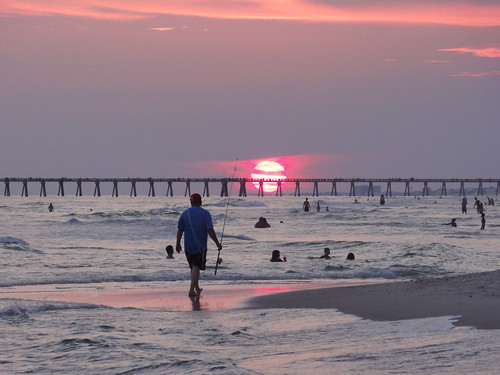
There are numerous spots to cast your line from shore at the Panama City Marina, and if you’re looking for mangrove snapper, grouper, Spanish mackerel, ladyfish, trout, black drum, and redfish, this is a good spot. There are three gulf-side piers as well as a pier in the Grand Lagoon. Two of these piers, the City Pier and the County Pier, stretch about 1,500 feet from shore, allowing anglers of all types to go way out into the gulf to try their hand at catching one of these species.
You can purchase a single-day fishing license or, if you would rather just observe the action, you can also pay a spectator fee for less.
St. Andrews Park
Another marina you could look into is in the St. Andrews State Park. If you’re looking for catfish or flounder, then this is the place to go. A weighted jig hook that’s baited with either grub or a plastic worm is a good bet here. If you’re looking for a tasty meal, flounder needs to be 12 inches or longer to keep.
There are two fishing piers in St. Andrews State Park: one on the gulf side and one on the Grand Lagoon side. In addition to catfish and flounder on the Grand Lagoon side, you may also be able to net sheepshead, bonito, gag grouper, scamp grouper, vermillion, white snappers, blackfin tuna, and trout. There’s no additional charge beyond the park admission to fish from these two piers.
West Beach Drive
West Beach Drive is a wonderful spot if you’re looking for trout, flounder, and redfish. There isn’t a pier here, so in order to hook your quarry, you will need to wade into the water. A simple spinning rod with a hook and a basic bait is all you need to begin your pursuit of these fish. You might also need some waders or a pair of old shoes to get out into the water.
Russell-Fields City Pier
This pier is a good spot if you’re looking for tarpon, sailfish, redfish, Spanish mackerel, or king mackerel. If it’s mackerel you seek, they are tough fish that require a stout rod and reel to hold up to the fight they will bring. If you want to keep a mackerel, the minimum length is 24 inches. This is a popular place, so try to get there early to get your spot.
Gulf Of Mexico
If you want to get out on a boat, you can find plenty of fish in the deep waters of the Gulf of Mexico. Depending on the time of the year, you can expect to catch many different species of fish in many different areas in the Gulf of Mexico.
Fishing Seasons
Here are a few pointers for finding and catching in-season fish:
Winter
If you’re fishing in January or February, grouper and red snapper are abundant off inshore reefs in under 100 feet of water. A good call for bait and tackle for these fish would be live shrimp on a rig in the 15-pound class. in January, you can search the rivers and canals for redfish and speckled trout. Live bait or sinking lures are a good bet as you try to catch these fish looking for warmer water.
Spring
As the waters begin to warm up in March, bonito, bluefish, and ladyfish can be found. Late March will bring in the Spanish mackerel as the waters warm further. In the case of a quick warm-up, cobia may also show up mid-March, but they require at least 70-degree water, so that sets a more likely date later in the month.
Right behind the cobia, the king mackerel will arrive at the coast. Anglers begin trolling for the kings in April, but the hottest king mackerel fishing occurs in May and June. Also in May, the speckled trout will return from the canals to the bays over the grass flats. A good choice here would be a topwater plug over these flats in about 4 feet of water.
Summer
July is the best month if billfish are what you are after. Seek them out off the Loop Current at the DeSoto Canyon or other similar structures. Hit the weed line for marlin and sailfish. Grouper and red snapper can now be found in about 90 to 150 feet of water around reefs and other offshore structures. Fish around a dock in July, or head to the top of the pass in August to catch redfish.
August also provides another great opportunity to catch some king mackerel. They’ll run a bit smaller than those you’re able to catch in the spring, but the numbers are far greater, which is a pretty good tradeoff.
Fall
Come September, the flounder will move from the bays out into about 60 feet of water to begin spawning. Early on in this migration, try a grub or minnow along sand holes in the bay. In late September, try a minnow suspended down by shallow inshore reefs. Also in September, the speckled trout make their return to the rivers and canals by St. Andrews Bay. Use live bait and quietly fish this area to land the big one.
September and October also feature the return of grouper and red snapper to the shallower inshore reefs. Use a good bass fishing lures and live shrimp and seek them out in 60 feet of water.
Panama City Toyota invites you to grab your fishing gear and head out to one of these awesome fishing spots in the Panama City area. You’ll be glad you did. If you need a new ride to tow your boat and gear, schedule a test drive at our showroom. For any other vehicle needs, service appointment with us.
2021 Toyota Camry Interior
Toyota has brought back its best-selling Camry for yet another model year. With nine trim levels available, the options and customizations are endless. From premium seating options to ample storage space, you’ll find everything you want in a sedan packed into one spacious vehicle. This vehicle is built to impress, with high-end style and premium comfort. Panama City Toyota is pleased to present the top interior features of the Toyota Camry.
Futuristic technology and cockpit design offer a unique driving experience. As soon as you take your seat behind the steering wheel, you notice the sleek style and welcoming finishes from the dash to the trunk. Here are the top features drivers love about the Toyota Camry interior.
Comfort And Seating Features
The 2020 Toyota Camry offers a seating capacity for five with an incredible number of options. Interior color and seating choices include light Macadamia fabric, black leather trim, or Sport SofTex trimmed seating. There’s a unique, bright Cockpit Red leather seating option for those who like to make a statement. There’s also an ash-colored option with Sport SofTex seating with fabric inserts and even leather trim.
Each trim level provides you with different comfort options to help you and your passengers stay happy while on the road. The LE offers the fabric-trimmed seats mentioned above, a 60/40 fold-down rear seat with cup holders and a center armrest, as well as layered wood and soft-material door trim.
Inside the newly designed Camry TRD (Toyota Racing Development), you find a stylish TRD shift knob with black leather and red stitching, aluminum sports pedals, and metal and soft-touch interior trim. The TRD also gets you automatic single-zone climate control and Sport SofTex seating with red seatbelts, accent stitching, and a leather steering wheel with red accent stitching.
The higher-end XSE features a wide variety of premium comfort and design features. You’ll feel like you’re driving a luxury car, thanks to the leather-trimmed heated front seats and ambient lighting. The XSE also includes dual-zone automatic climate control and a leather-trimmed steering wheel with audio controls. The SE Nightshade Edition is a uniquely designed version of the Camry that comes complete with sleek, bold styling, like black Sport SofTex-trimmed seats, black embossed mesh interior trim, and chrome door handles.
Convenience Features
Features that help you save time during, before, or even after your drive are always a plus. The Camry comes complete with features that do all of the above. It offers a remote keyless entry system, power windows with automatic up and down, and an integrated backup camera so you can safely back out of any parking space. There’s also easy-to-use steering wheel-mounted controls, a rear window defogger, and an automatic dimming rearview mirror. A spacious center console is useful as an armrest and as a place to store your personal belongings while on the road.
Innovative Technology And Connectivity
An array of advanced technology and easy-to-use connectivity features offer a futuristic feel and make the 2020 Toyota Camry interior an even more exhilarating vehicle to drive. Enjoy features such as an available Wi-Fi connection option so all of your passengers can stay connected and entertained while on the road. A Qi-compatible wireless smartphone charging station allows for easy charging, especially on road trips. A large 10-inch color head-up display keeps your attention towards the road while keeping you informed of current speed and road warnings.
With the Apple CarPlay compatibility, you can access your navigation, favorite playlists, and even your text messages. Hands-free phone capabilities such as Bluetooth technology and an enhanced voice recognition system allow you to focus on the road when changing songs or answering phone calls. There’s also a 7-inch multi-information display and an 8-inch multimedia touch screen to access all of these great features.
With the premium audio upgrade, you’ll find an even more advanced setup of technology features. This package comes with a dynamic navigation system, including a JBL Clari-Fi speaker system. The JBL system includes nine premium speakers and a bass boosting subwoofer amplifier. The Camry also offers two USB charging ports, Amazon Alexa capability, and Android Auto phone connectivity.
Enhanced Safety Features
Thanks to the enhanced Toyota Safety Sense P system, the newest Camry is packed with an array of driver-assistance and safety features. This standard safety system features a pre-collision system with pedestrian detection, full-speed dynamic radar cruise control, and lane departure alert with steering assist. Warnings are displayed as indicators on the dash to warn you of potential danger and help keep you out of harm’s way.
Toyota knows how important it is to make sure that everyone stays safe in case of a collision. This is why there are child-protector rear window and door locks, a lower anchor tether system for car seats, and three-point seatbelts for all positions. There’s also an advanced 10 air bag system complete with seat-mounted side air bags, rear side curtain air bags, and front knee air bags. When paired with safe driving habits, the Toyota safety system will help you drive confidently and get where you need to go safely.
Cargo Space And Capability
There’s always a need for space out on the road, whether traveling on daily commutes or a mini-vacation. The Camry was built to provide you with the room you need to pack for a weekend away, holidays with the family, or even just a shopping trip. With the seats up, the spacious trunk provides you with 15.1 cubic-feet of space. The 60/40 folding seats provide you with even more room, should you need it.
Test Drive The 2020 Toyota Camry In Panama City
Overall, the 2020 Toyota Camry is an excellent choice if you’re looking for a sedan with style, comfort, and top-of-the-line technology. We can help get your family set up in the Camry with everything they need for an enjoyable ride. If you want to check out the interior of the latest Camry for yourself, stop by, call us at 850-769-3377, or contact us online today. We would love to give you a tour of our showroom, answer any questions you have, or even get you set up to test drive a Camry yourself today.
How Long Is A 2021 Toyota Highlander?
The 2021 Toyota Highlander has rolled into dealerships, dressed to impress and full of exciting drive-enhancing features. If you’re on the hunt for your next adventure-ready Toyota SUV, you can’t go wrong with the new Highlander in Panama City. Here’s an overview of the new 2021 Highlander, including its exterior dimensions.
Exterior Dimensions And Features

The 2021 Toyota Highlander is in the midsize SUV class. This makes it smaller than most full-size SUVs and larger than most crossover SUVs. Its dimensions are:
- Length: 194.9 inches
- Width: 76 inches
- Height: 68.1 inches unloaded without the antenna
- Wheelbase: 112.2 inches
- Front track: 65.3 inches
- Rear track: 65.4 inches
The 2021 Highlander has eight available paint color options to choose from. Each new Highlander comes equipped with LED headlights and heated side mirrors. As you move up through the trim levels, you’ll get fog lights, a power liftgate, roof rails, a sunroof, and more. The top-of-the-line Platinum gives you automatic windshield wipers, a panoramic sunroof, a hands-free liftgate, and adaptive headlights that turn with your steering wheel.
The redesign the Highlander received for the 2020 model continues in 2021, bringing a handsomely modern style to drivers. Its sporty, angled front fascia features a black mesh grille and sharp-angled headlights. The XSE gets its own unique front fascia and twin-tip chrome-plated exhaust that makes the Highlander look even tougher. The muscled rear fender flares, wraparound windows with blacked-out roof pillars, and confident tailgate all lend themselves to creating an SUV that looks like it can take on anything your busy life throws at it.
Trim Levels And Engines
The gasoline-exclusive 2021 Toyota Highlander is available in six trim levels: the L, LE, XLE, the all-new XSE, Limited, and Platinum. The hybrid model is available in the LE, XLE, Limited, and Platinum trim levels.
Each gasoline-exclusive 2021 Highlander is equipped with a 3.5-liter V6 engine that produces 295 horsepower and 263 pound-feet of torque. This engine is matched with an eight-speed automatic transmission. Equipped with this engine, the new Highlander can tow up to 5,000 pounds.
The 2021 Highlander Hybrid is outfitted with a 2.5-liter four-cylinder engine and electric motors that work together to create a combined 243 horsepower. This system is paired with a continuously variable automatic transmission.
Performance
The 2021 Toyota Highlander comes standard with a front-wheel-drive system, but each trim level can be upgraded with an all-wheel-drive system that enhances your SUV’s grip on slippery roads. This upgraded drivetrain gives your Highlander access to the Multi-Terrain Select system, which contains terrain-specific drive modes to more confidently take on the road ahead. If you’re looking for the most exciting performance from your 2021 Highlander, check out what the all-new XSE trim level has to offer. This performance-minded trim comes equipped with a sport-tuned suspension system that smooths out your ride as you take on sharp corners.
The gas-exclusive 2021 Highlander can achieve up to 21 mpg in the city and 29 mpg on the highway. The new Highlander Hybrid can get up to 36 mpg in the city and 35 mpg on the highway. The hybrid models offer ECO mode to help you improve your SUV’s fuel economy and EV mode to switch to pure electric energy for shorter trips. The hybrid models can also be outfitted with the all-wheel-drive system for the best of both fuel economy and traction.
Interior Features And Technology
The 2021 Highlander’s three rows seat up to seven or eight passengers depending on whether you choose the second-row captain’s chairs. In the rear cargo area, you’ll find 16 cubic feet of space to pack what you need. If you have fewer passengers and more gear, you can lay the rear two rows flat to increase the Highlander’s cargo room to 84.3 cubic feet.
As you move up through the 2021 Highlander’s trim levels, its cabin grows more luxurious. Choose the sporty XSE to get two-tone red and black leather-trimmed upholstery that looks and feels modern. Opt for a model with the heated and ventilated front seats to stay relaxed throughout the year’s weather. The Limited also gives you a heated steering wheel, and the Platinum adds heated second-row captain’s chairs. The Highlander’s spread of trim levels makes it easy to find an SUV with a balance between budget and the features you’re most excited about.
Every 2021 Highlander offers a touch screen that’s compatible with Android Auto, Apple CarPlay, and Amazon Alexa. This screen is 8 inches on every trim level but the Platinum, which is equipped with a 12.3-inch screen. This screen and its phone-friendly programs allow you to connect your mobile device to your Toyota to give you hands-free access to many of your favorite features, such as music-streaming services, text messaging, and directions. The new Highlander also offers an available Wi-Fi hot spot, 11-speaker JBL sound system, a head-up display, a digital rearview mirror, and a premium navigation system.
Safety
Each 2021 Toyota Highlander comes standard with the Toyota Safety Sense 2.5+ suite of advanced safety technologies. This includes driver-assist systems such as the pre-collision feature with low-light pedestrian detection, lane-departure alert with steering assist, lane tracing assist, road sign assist, and more. Available features include the blind-spot monitor with rear cross-traffic alert and front and rear parking assist with automatic braking. These smart technologies work with more passive safety features such as an advanced eight-air-bag system and an energy-dissipating interior trim to provide you and your passengers with a safer home away from home.
Warranties
Each 2021 Toyota Highlander comes standard with the following warranties:
- Basic warranty: 36 months/36,000 miles
- Powertrain: 60 months/60,000 miles
- Corrosion perforation: 60 months/unlimited miles
- Restraint systems: 60 months/60,000 miles
The hybrid 2021 Highlanders also include:
- Hybrid system: 96 months/100,000 miles
- Hybrid battery: 120 months/150,000 miles
Test Drive The 2021 Toyota Highlander In Panama City
When you’re ready to experience the road from behind the steering wheel of a 2021 Toyota Highlander, contact our team at Panama City Toyota. After a test drive of this top-notch SUV, you’ll see why it has garnered such a loyal following of drivers and families.
2021 Toyota RAV4 Trim Levels
If you’re shopping for a 2021 Toyota RAV4, you have a wide range of options to consider. Check out this rundown of the prime features available with each trim level so you can find the new Toyota RAV in Panama City that will fit your needs – whether you’re looking to get from A to B or want a crossover that’s ready for outdoor adventure.
2021 Toyota RAV4 LE
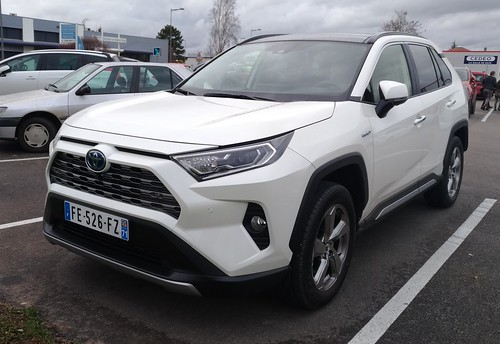
The Toyota RAV4 LE is the base model for this vehicle, but it’s still well-equipped with a broad range of features. As with all 2021 RAV4 vehicles, this SUV has an eight-speed direct-shift automatic transmission and a four-cylinder engine that delivers 203 horsepower. Front-wheel drive (FWD) is standard, but all-wheel drive (AWD) is available. The LE comes standard with 17-inch steel wheels.
You’ll enjoy stability and control in nearly all conditions with Multi-Terrain Select, which includes modes for mud and sand, rock and dirt, and snow. This model gets 27/35/30 MPG city/highway/combined. LED headlights illuminate the road beautifully, while Toyota Safety Sense 2.0 provides a full suite of safety features, including:
- Adaptive cruise control.
- Forward collision mitigation.
- Automatic high beams.
- Lane-keeping system.
- Traffic sign reader.
Many of these safety features are accessed via the 7-inch touch-screen display. The RAV4 LE comes equipped with Apple CarPlay, Android Auto connectivity, and a six-speaker sound system.
2021 Toyota RAV4 LE Hybrid
The LE Hybrid provides enhanced fuel economy with 41/38/40 MPG city/highway/combined, thanks to the hybrid 2.5-liter dynamic force four-cylinder engine. The HV electric motor provides 118 horsepower to the front and 54 horsepower to the rear. This vehicle has electronically controlled continuously variable transmission (ECVT). Electronic on-demand AWD comes standard with all-wheel drive integrated management (AIM) and a multi-information display (MID) monitor. It also offers an electronically controlled braking system.
2021 Toyota RAV4 XLE
The XLE enhances convenience for drivers with additional perks like keyless entry and ignition, start and stop engine system, and a blind-spot monitor. This option has slightly enhanced fuel efficiency with 28 MPG city rather than 27 as with the LE. Comfort increases with this trim level, thanks to a power-adjustable driver’s seat and dual-zone USB charging ports. You’ll also find additional USB charging ports so everyone in the family can stay plugged in. This trim level comes standard with 17-inch alloy wheels. The LED headlights include auto on/off which isn’t featured on the lower trim. Integrated fog lights are a welcome addition as well.
While the LE offers a six-way adjustable driver’s seat and four-way adjustable front passenger seat, the XLE has an eight-way adjustable driver’s seat. The passenger seat maintains its four-way adjustability.
2021 Toyota RAV4 XLE Hybrid
The XLE Hybrid offers the same mileage and engine configuration as the LE Hybrid. This trim level offers enhancements like integrated fog lights, and LED projector headlights. The eight-way adjustable driver’s seat comes along as in the standard XLE.
2021 Toyota RAV4 XLE Premium
The XLE Premium offers a higher suspension and larger 19-inch super-chrome alloy wheels. Luxurious additions like Toyota’s SofTex simulated leather upholstery, a soft-touch dashboard, leather-trimmed steering wheel, and a power tilt moonroof make this ride exceptionally comfortable. Anti-slip in-dash storage trays and an overhead console help you stay organized on the road.
The XLE Premium also offers a power liftgate to simplify your errands. The Smart Key System, which is only available with an added package on lower trim levels, comes standard with the XLE Premium.
2021 Toyota RAV4 XLE Premium Hybrid
This trim level features the same engine and fuel efficiency as the other hybrid RAV4s. The XLE Premium Hybrid features 18-inch super-chrome sport alloy wheels. The interior of the hybrid XLE Premium features the same upgrades as the standard XLE Premium, including the power liftgate and moonroof.
2021 Toyota RAV4 Adventure
The Adventure trim for the RAV4 eliminates some of the features found on the XLE Premium, such as the moonroof and power liftgate. It makes up for this by offering an 8-inch touch screen, fender flares, and enhanced mechanical features. As its name suggests, the Adventure is ready to hit the road and explore. Selectable terrain drive modes and hill descent control will help you navigate tricky conditions. It provides taller roof rails to help secure your gear and a mounted storage net in the cargo area.
The interior features a soft-touch dash and armrests like XLE Premium with the addition of a soft-touch door as well. The Adventure has bold orange stitching on these interior features to create a striking look. The cargo area has a 120V/100W AC power outlet to power your equipment on the road. Though this option has plenty of features, it sacrifices some in the way of fuel efficiency, with 25/33/28 MPG city/highway/combined.
2021 Toyota RAV4 TRD Off-Road
With the Off-Road, you’ll reclaim the power liftgate and moonroof that come with the XLE Premium. The fuel efficiency is similar to the Adventure, offering 25/32/28 MPG city/highway/combined. This trim level has 18-inch black-painted alloy wheels and all-terrain tires. The suspension is tuned for off-road travel, so this vehicle can live up to its moniker. It offers a sleek look with black badging, black heated power mirrors, and integrated fog lights with black trim.
2021 Toyota RAV4 XSE Hybrid
The XSE Hybrid offers the outstanding fuel efficiency you’ve come to expect from RAV4 Hybrids. It offers 18-inch black-painted sport alloy wheels, black mirrors, a blue shock-absorber, and a distinct two-toned exterior for a flashy style.
2021 Toyota RAV4 Limited
This top trim level has the same equipment as the XLE Premium with the addition of an 8-inch touch screen, premium 11-speaker JBL sound system, and digital rearview mirror. Heated front seats will keep you cozy, while the navigation system is designed to streamline all your travel.
2021 Toyota RAV4 Limited Hybrid
The Limited Hybrid provides many of the standard features of the Limited with the hybrid engine and fuel efficiency of other hybrid RAV4s. Integrated fog lights, SofTex-trimmed seating, heated front seats, and an eight-way power-adjustable driver’s seat are among this option’s notable features.
Schedule A Test Drive With The 2021 Toyota RAV4 Trim Level That’s Caught Your Eye
Check out the 2021 RAV4 yourself at Panama City Toyota. We can help you compare these trim levels and find the perfect fit for your family. Contact us online or call us at 850-769-3377 to set up your test drive of your favorite 2021 Toyota RAV4 trim level.


