Blog / General Tips

Blog

All General Tips Panama City Toyota Dealer Panama City Toyota Service Car Care Tips Panama City Used Cars
hurricane preparation service guide

Toyota Hurricane Preparation Service Checklist

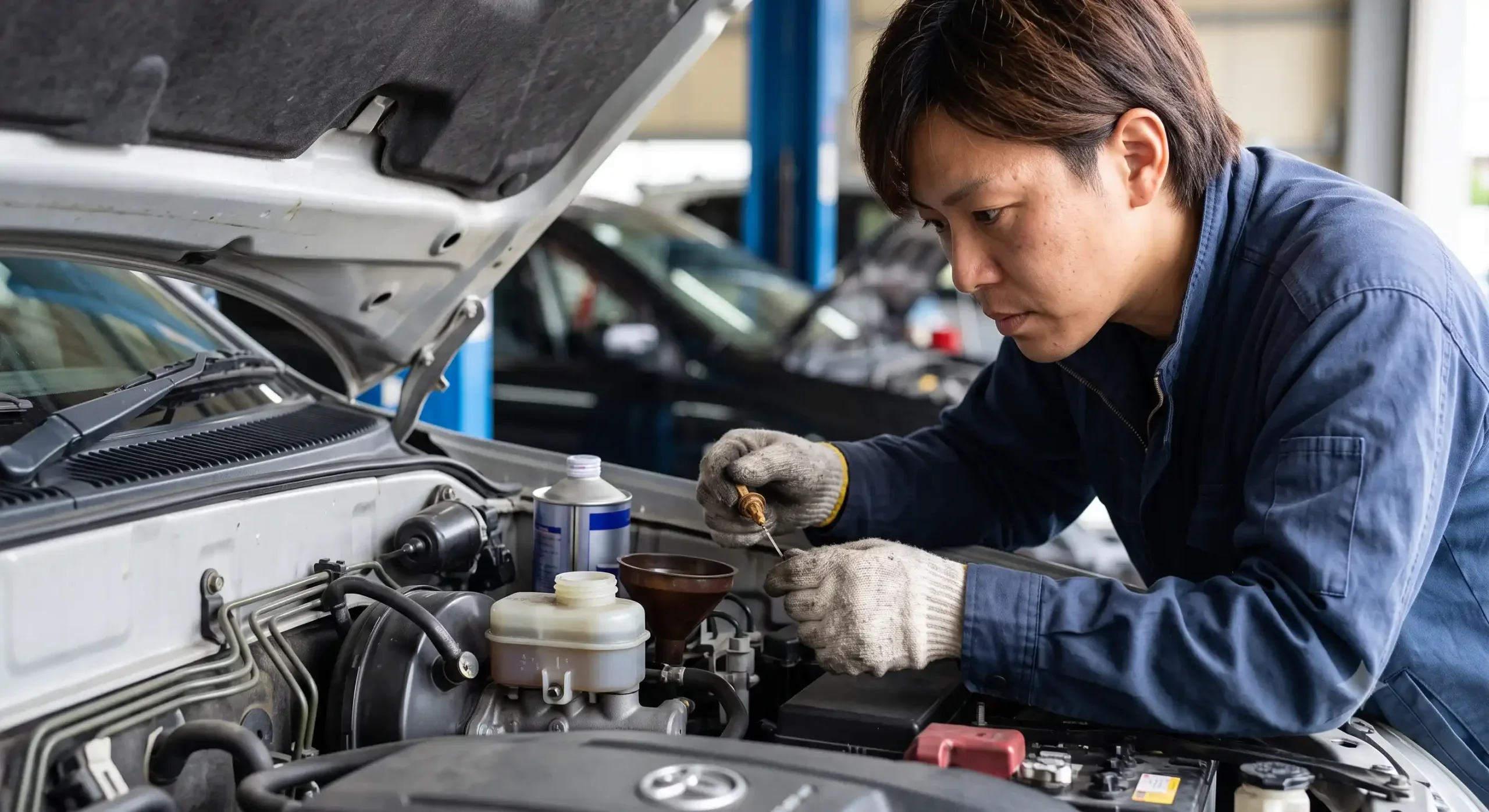
Before hurricane season or severe Gulf Coast weather, Toyota owners should check tires, battery, brakes, wipers, lights, fluids, A/C performance, cabin filter, charging ports, fuel level, and emergency supplies. Panama City Toyota recommends scheduling storm-season service before heavy rain, evacuation traffic, or power outages make vehicle problems harder to handle. For a Mexico Beach family preparing for evacuation routes, we recommend checking tire tread, battery health, brake feel, wiper performance, lights, coolant, washer fluid, and in-vehicle emergency supplies before severe weather enters the forecast. Hurricane preparation is not only about filling the gas tank. Your Toyota may need to handle wet roads, sudden traffic, bridge routes, heat, humidity, debris, longer family drives, and stops where power or fuel availability may be limited. A weak battery, worn wipers, low tire tread, poor visibility, or a warning light can turn a stressful weather event into a bigger problem. We see storm prep as a practical service conversation, not a scare tactic. This checklist explains what to inspect before severe weather, why September service matters in Panama City, how pre-storm and post-storm checks differ, and what families should keep inside the vehicle during hurricane season. Toyota hurricane preparation service is a seasonal vehicle inspection focused on storm-readiness items such as tires, battery, brakes, wipers, fluids, lights, visibility, and emergency equipment. It is designed to help drivers prepare before severe weather. For Panama City-area drivers, it supports safer pre-storm and post-storm travel. Table of Contents Toyota Hurricane Preparation Checklist Battery, Tires, Brakes, Wipers, Lights, and Fluid Checks A/C, Cabin Filter, Charging Ports, and Roadside Visibility Emergency Kit Items to Keep in Your Vehicle Why September Service Matters in Panama City Atlantic Hurricane Season Timing and Gulf Coast Readiness Pre-Storm vs Post-Storm Inspection Needs Schedule Storm-Season Service Before Severe Weather What to Ask the Toyota Service Team to Inspect How to Prepare for Evacuation Routes, Fuel Stops, and Family Travel Pre-Storm vs Post-Storm Vehicle Care: What Changes? Emergency Kit and Family Travel Checklist for Toyota Owners Key Takeaways FAQ: Toyota Hurricane Preparation Service Toyota Hurricane Preparation Checklist Key Takeaway: A Toyota hurricane preparation checklist should focus on the systems that affect starting, stopping, visibility, cooling, communication, tire grip, and safe travel during severe weather. Battery, Tires, Brakes, Wipers, Lights, and Fluid Checks The most important storm-season service items are the ones that affect whether your Toyota starts, stops, steers, cools, and stays visible in heavy rain. Our service team recommends checking the battery, tire tread, tire pressure, brakes, wiper blades, headlights, brake lights, turn signals, oil level, engine coolant, and windshield washer fluid before hurricane risk rises. These basics matter because severe weather often brings heat, traffic, wet pavement, low visibility, and unpredictable road conditions. For a Panama City Beach commuter who drives through coastal rain and standing water, we recommend starting with tires, wipers, brakes, and lights. For a Youngstown work driver carrying tools before or after a storm, we recommend checking tire condition, cargo load, brakes, battery health, and underbody concerns. For a first-time Gulf Coast Toyota owner, we recommend using a checklist rather than guessing what storm preparation should include. Storm-Readiness Item Why It Matters What We Recommend Checking Ideal Use Case Battery Heat, age, and repeated short trips can weaken starting confidence. Battery test, terminals, age, and charging performance. Callaway senior driver preparing before power outages. Tires Wet-road grip and evacuation confidence depend on tread and pressure. Tread depth, tire pressure, sidewall damage, spare or repair kit. Mexico Beach family planning longer travel. Brakes Heavy rain, traffic, and debris make predictable braking important. Brake pads, rotors, fluid condition, pedal feel, warning lights. Panama City Beach commuter. Wipers and washer fluid Visibility can change quickly during Gulf Coast rain. Blade condition, streaking, washer fluid level, spray pattern. Lynn Haven parent on school and errand routes. Lights Other drivers need to see your Toyota in rain and low light. Headlights, brake lights, hazards, turn signals, reverse lights. Bay County driver using bridge routes. Fluids Longer travel and heat make basic fluid condition more important. Oil, coolant, brake fluid, washer fluid, and visible leaks. Family preparing for evacuation or post-storm errands. Ideal Use Case Drivers preparing before watches, warnings, or heavy rain. Complete service check before severe weather is close. Panama City-area Toyota owner planning ahead. Based on Toyota official website. Ask for a battery test before severe weather is nearby. Check tire tread and pressure before long drives or evacuation routes. Replace worn wiper blades before heavy rain makes visibility worse. Confirm all exterior lights work before low-visibility travel. Visit Our Toyota Service Center A/C, Cabin Filter, Charging Ports, and Roadside Visibility Storm-season service should also include the comfort and communication items people sometimes overlook. A/C performance matters because Gulf Coast humidity and summer heat can make the cabin uncomfortable during traffic, fuel stops, or family travel. The cabin air filter can affect airflow and odor. Charging ports matter because phones, tablets, maps, alerts, and family communication can become more important during severe weather. For a Lynn Haven parent using a Sienna, Highlander, RAV4, or Camry for school errands and storm preparation, we recommend checking A/C output, windshield defogging, cabin filter condition, phone charging, and interior storage. For a Mexico Beach road-trip family, we recommend checking cabin comfort before long drives because humidity, heat, pets, children, and extra supplies can make small A/C issues feel much bigger. Roadside visibility also includes items inside the vehicle. Keep a flashlight, reflective triangle or emergency marker, phone charger, power bank, and rain gear where you can reach them. If your Toyota has connected features, confirm the app and vehicle information before severe weather, but do not rely on any single connected tool as your only plan. Emergency Kit Items to Keep in Your Vehicle An emergency kit should match the people and pets riding with you. We recommend keeping water, shelf-stable snacks, a flashlight, batteries, phone chargers, a power bank, first-aid supplies, basic tools, jumper cables or a jump pack, tire gauge, rain poncho, paper map, wipes, towels, medications, pet supplies, and copies of important documents. Keep supplies organized so they do not roll around the cabin or block visibility. For a Callaway senior driver, we recommend medication, paper contact numbers, a flashlight, and a charged phone backup. For a family with small children, we recommend snacks, water, wipes, comfort items, and extra charging cables. For a Youngstown work driver, we recommend gloves, a small tool kit, a tire gauge, and cargo tie-downs if the vehicle carries equipment. Why September Service Matters in Panama City Key Takeaway: September service matters because Atlantic hurricane activity peaks near early September, and Panama City drivers should prepare before severe weather creates service delays, fuel lines, and road hazards. Atlantic Hurricane Season Timing and Gulf Coast Readiness The National Hurricane Center states that the Atlantic hurricane season officially runs from June 1 through November 30, with the peak of the season around September 10 and most activity occurring between mid-August and mid-October. For Panama City drivers, that timing makes September a practical month to schedule storm-season vehicle service. Waiting until a storm is close can mean fewer appointment times, longer lines, and more pressure to make decisions quickly. For a Panama City Beach commuter, September service can help catch worn tires, weak wipers, or a tired battery before repeated heavy-rain commutes. For a Mexico Beach family thinking about evacuation routes, September is the time to confirm the vehicle can handle longer drives, heat, rain, and extra cargo. For a Lynn Haven parent, storm-season preparation can support daily family responsibilities even when weather is uncertain. Inspection Timing Main Purpose Common Checks Driver Concern Ideal Use Case Pre-storm service Prepare before severe weather affects roads and schedules. Battery, tires, brakes, wipers, lights, fluids, A/C. Can my Toyota handle rain, traffic, and longer drives? Family preparing before a storm watch. Post-storm inspection Check for damage after debris, water, and road hazards. Tires, underbody, brakes, lights, warning lights, odors. Did the storm affect my vehicle? Driver who went through standing water or debris. Evacuation planning Prepare for longer travel with passengers and supplies. Tire pressure, fuel plan, A/C, fluids, charging ports. Can my family travel safely and comfortably? Mexico Beach road-trip or evacuation route. Daily readiness Keep the vehicle useful during uncertain weather weeks. Battery, lights, wipers, washer fluid, emergency kit. Can I handle errands, school, and work if weather changes? Lynn Haven and Callaway daily drivers. Worksite readiness Prepare trucks and SUVs for cleanup or supply hauling. Tires, brakes, underbody, lights, fluids, cargo security. Can my truck carry tools and handle rough access? Youngstown work driver. Ideal Use Case Choose service timing based on storm risk and vehicle use. Pre-storm and post-storm checks as needed. Stay ready before and after severe weather. Panama City-area Toyota owner. Based on Toyota official website. We recommend pre-storm service before watches and warnings create urgency. We recommend post-storm inspection if your Toyota drove through standing water, hit debris, developed a warning light, started making noise, smelled damp, or felt different while braking or steering. The right timing depends on what the vehicle experienced. Schedule Storm-Season Service Pre-Storm vs Post-Storm Inspection Needs Pre-storm inspection is about readiness. Post-storm inspection is about damage detection. Before a storm, we want to know whether your Toyota can start, stop, cool, stay visible, carry supplies, and travel safely. After a storm, we want to know whether water, debris, potholes, branches, sand, or hidden road hazards affected the vehicle. For a Panama City Beach driver who went through standing water, we recommend checking brakes, underbody components, tires, lights, odors, and warning lights. For a Youngstown work driver using a Tacoma or Tundra after a storm, we recommend checking tire damage, bed load security, lights, fluids, and underbody concerns before repeated cleanup trips. Schedule Toyota Service Before Severe Weather Gets Close If your Toyota is due for maintenance or you are unsure whether it is storm-ready, we recommend scheduling service before severe weather appears in the immediate forecast. Our service team can check tires, battery, brakes, wipers, lights, fluids, A/C performance, cabin filter, and related items that matter during hurricane season. We serve drivers from Panama City, Panama City Beach, Callaway, Lynn Haven, Youngstown, Mexico Beach, and nearby Gulf Coast communities. You can schedule service online at panamacitytoyota.com/schedule-service or call us at 850-769-3377. Planning early gives our team more time to inspect the vehicle and gives your family more time to prepare. Book Hurricane Prep Service Schedule Storm-Season Service Before Severe Weather Key Takeaway: Storm-season service should be scheduled before severe weather so our technicians can inspect safety, visibility, cooling, charging, and travel-readiness items without last-minute pressure. What to Ask the Toyota Service Team to Inspect When you schedule storm-season service, we recommend asking for a practical checklist rather than one isolated item. Ask our technicians to check battery health, tire tread, tire pressure, brakes, exterior lights, wiper blades, washer fluid, oil level, engine coolant, A/C performance, cabin filter, key fob battery, charging ports, and visible leaks. If your Toyota has a spare tire or repair kit, ask about that too. For a first-time Gulf Coast Toyota owner, we recommend writing down any changes you have noticed, such as slow starts, squeaking wipers, dim lights, tire pressure warnings, vibration, brake noise, weak A/C, musty odor, or phone charging issues. Those details help our team inspect the right areas quickly. Local Driver Storm-Season Concern Service Priority Why It Matters Mexico Beach family Longer travel, supplies, pets, children, and evacuation routes. Tires, battery, fluids, A/C, emergency kit. Supports family travel before severe weather. Panama City Beach commuter Coastal rain, standing water, and low visibility. Wipers, lights, brakes, tires. Improves confidence in rain and traffic. Lynn Haven parent School runs, errands, and family schedule changes. A/C, cabin filter, charging ports, wipers, supplies. Keeps the family vehicle ready for daily needs. Callaway senior driver Heavy rain, power outages, and route changes. Battery, lights, key fob, emergency kit. Supports simple and predictable travel. Youngstown work driver Tools, post-storm cleanup, and rough access roads. Tires, brakes, underbody, lights, fluids. Helps keep work vehicles ready after weather. Ideal Use Case Any Toyota owner preparing before heavy storm activity. Full storm-readiness inspection. Best completed before severe weather is close. For Panama City-area drivers, the best service checklist is the one that matches the vehicle and the route. We recommend focusing on tires, battery, brakes, wipers, lights, fluids, A/C, charging, and supplies before hurricane risk increases. That gives you a better chance of finding small issues while there is still time to address them. How to Prepare for Evacuation Routes, Fuel Stops, and Family Travel Evacuation planning can place a vehicle under different stress than a normal commute. Your Toyota may carry more people, pets, luggage, water, medication, fuel stops, and emergency supplies than usual. We recommend checking tire pressure after loading cargo, keeping the fuel level higher during active storm weeks, packing charging cables, and planning more than one route before weather conditions change. For a Mexico Beach family, route planning should include fuel stops, pet needs, medication timing, paper documents, and a backup charger. For a Panama City Beach driver who may cross bridge routes or move inland, we recommend checking lights, wipers, tires, and washer fluid before road conditions become crowded. For a Callaway senior driver, we recommend keeping printed phone numbers and route notes in the vehicle. Ask Us to Match Service to Your Storm Plan We are located at 959 West 15th Street, Panama City, FL 32401, and we can help Toyota owners prepare based on how they actually plan to drive during hurricane season. If you are staying local, commuting around Bay County, helping family, carrying tools, or preparing for evacuation routes, tell our service team so we can focus the inspection on your real needs. We can also talk through ToyotaCare on eligible vehicles, Toyota Service Care options, and Panama City Toyota Lifetime Powertrain Warranty eligibility on qualifying vehicles. Visit our Toyota service center online or call 850-769-3377 before severe weather is close. We recommend scheduling early so there is time to inspect, advise, and plan your next step. Check Service Specials Pre-Storm vs Post-Storm Vehicle Care: What Changes? Key Takeaway: Pre-storm service checks whether your Toyota is ready, while post-storm inspection checks whether water, debris, road damage, or unusual vehicle behavior created a new concern. Before a storm, our focus is readiness. We check battery, tires, brakes, wipers, lights, fluids, A/C, cabin filter, charging, and emergency supplies because those items support travel before weather conditions worsen. After a storm, our focus shifts to what the vehicle experienced. Standing water, branches, nails, potholes, sand, salt air, and debris can create new concerns even if the vehicle felt fine before the storm. For a Youngstown work driver using a Tacoma or Tundra after severe weather, we recommend watching for tire punctures, brake noise, pulling, vibration, fluid leaks, and underbody damage. For a Panama City Beach driver after coastal flooding or debris, we recommend checking lights, odors, brakes, tires, and warning lights before returning to normal routines. We do not recommend ignoring small changes after a storm. A damp odor, new vibration, warning light, rubbing noise, or soft brake feel should be inspected. Storm recovery is tiring enough without preventable vehicle problems. Ask Our Service Team Emergency Kit and Family Travel Checklist for Toyota Owners Key Takeaway: A good hurricane-season vehicle kit should support communication, hydration, visibility, first aid, charging, route planning, children, pets, medication, and basic roadside needs. Family travel during hurricane season requires more than basic supplies. We recommend building a kit that matches your passengers and your route. A family with children may need snacks, water, wipes, comfort items, chargers, medication, and entertainment. A driver with pets may need water bowls, leash, food, waste bags, and vaccination records. An older adult may need medication lists, printed phone numbers, and easy-access lighting. If you travel with children, we recommend water, snacks, wipes, medication, chargers, and comfort items. If you travel with pets, we recommend pet food, water, leash, waste bags, and records. If you help older relatives, we recommend printed contacts, medications, route notes, and a flashlight. If you drive a truck or SUV for work, we recommend gloves, tie-downs, flashlight, first-aid kit, and tire gauge. For a Lynn Haven parent, the emergency kit should stay reachable without blocking rear visibility or child-seat access. For a Mexico Beach family, the kit should support a longer drive and possible fuel delays. For a Callaway senior driver, the kit should keep essential items simple, visible, and easy to reach. Keep phone chargers and a power bank in the vehicle. Store a paper map or printed route notes as a backup. Keep water, shelf-stable snacks, and first-aid supplies sealed and organized. Check the kit before each hurricane season and replace expired items. Review ToyotaCare Support Key Takeaways Schedule storm-season service before severe weather creates last-minute pressure. Check tires, battery, brakes, wipers, lights, fluids, A/C, and charging ports. September matters because Atlantic hurricane activity peaks near early September. Post-storm inspections should look for water, debris, tire, brake, and underbody concerns. Families should prepare emergency supplies around passengers, pets, medication, and route plans. FAQ: Toyota Hurricane Preparation Service What should I check on my Toyota before a hurricane? Before a hurricane, we recommend checking your Toyota’s battery, tire tread, tire pressure, brakes, wipers, headlights, brake lights, turn signals, oil level, coolant, washer fluid, A/C performance, cabin filter, charging ports, and emergency supplies. For Panama City-area drivers, we also recommend confirming your fuel plan, route plan, phone chargers, and family supplies before severe weather is close. When should I schedule storm-season vehicle service? We recommend scheduling storm-season vehicle service before a storm is in the immediate forecast, especially during peak hurricane activity from mid-August through mid-October. September is a smart time for Panama City drivers because service availability can become more limited when severe weather is close. Early service gives our technicians time to inspect and advise before the situation becomes urgent. Can Panama City Toyota inspect my vehicle after a storm? We can inspect your Toyota after a storm if you drove through standing water, hit debris, noticed a warning light, heard a new noise, smelled moisture, felt vibration, or experienced brake or steering changes. We recommend post-storm inspection for tires, brakes, lights, underbody areas, fluids, odors, and visible damage. Do not wait if the vehicle feels different. What should I keep in my vehicle during hurricane season? We recommend keeping water, snacks, phone chargers, a power bank, flashlight, batteries, first-aid supplies, rain gear, paper map, printed phone numbers, medications, pet supplies when needed, and basic roadside items in your Toyota during hurricane season. For families, we also recommend wipes, comfort items, extra charging cables, and supplies packed safely so they do not block visibility. If you are preparing your Toyota for hurricane season in Panama City, we are ready to help you check the items that matter before severe weather arrives. Visit us at 959 West 15th Street, Panama City, FL 32401, and our service team can inspect tires, battery, brakes, wipers, lights, fluids, A/C, cabin filter, and storm-readiness concerns. We serve drivers from Panama City, Panama City Beach, Callaway, Lynn Haven, Youngstown, Mexico Beach, and nearby Gulf Coast communities. Ask us about ToyotaCare, Toyota Service Care options, and service specials when scheduling. Call 850-769-3377 or schedule service online before storm prep becomes urgent. Schedule Toyota Service Related Articles Keep reading more Toyota service, maintenance, and ownership guides from Panama City Toyota. Service Center Toyota Service Center in Panama City, FL Schedule Toyota maintenance, inspections, tires, brakes, batteries, fluids, and repair support with our service team. Read More Service Specials Toyota Service and Parts Specials Check current Toyota service specials for maintenance, tires, brakes, batteries, and other service needs. Read More ToyotaCare ToyotaCare Maintenance Support Review ToyotaCare support for eligible new Toyota vehicles and scheduled maintenance basics. Read More A/C Service Genuine Toyota Parts vs Aftermarket Guide Compare Genuine Toyota parts vs aftermarket options. Read More
Toyota Connected Services: Features, App & How They Work

Toyota Connected Services are available digital features that connect compatible Toyota vehicles with the Toyota app, remote vehicle controls, safety support, service updates, navigation tools, and in-vehicle Wi-Fi, depending on model, model year, equipment, network connection, trial status, and subscription status. Panama City Toyota helps shoppers and current owners understand which connected features are available on the exact Toyota they drive or plan to buy. For a Lynn Haven commuter preparing for US-98 traffic, we recommend checking Remote Connect, Service Connect, and Toyota app compatibility before deciding which vehicle technology matters most. Connected features can make Toyota ownership feel more convenient, but they should always be checked vehicle by vehicle. A new Camry, RAV4, Corolla Cross, Tacoma, Sienna, or Grand Highlander may offer different trial periods, service packages, and feature availability. The Toyota app can also be useful after the purchase because it can help owners see vehicle information, manage available services, and stay connected to maintenance reminders when Service Connect is active. In this guide, we explain Remote Connect, Safety Connect, Service Connect, Drive Connect, Wi-Fi Connect, Toyota app setup, subscription questions, and the local situations where these tools can matter most for Panama City-area drivers. Toyota Connected Services are available digital features that link compatible Toyota vehicles with app-based controls, safety support, service updates, navigation tools, and in-vehicle connectivity. They are designed to support convenience, awareness, and ownership planning. For Panama City-area drivers, they can help with commuting, road trips, service timing, and family travel. Table of Contents What Are Toyota Connected Services? How Toyota Connected Services Work With the Toyota App Connected Services Availability, Trials, and Subscriptions Why Features Can Vary by Toyota Model and Model Year Toyota Remote Connect, Safety Connect, and Service Connect Remote Start, Climate Controls, Locking, Unlocking, Checking Status, and Finding Your Toyota Emergency Assistance Button, Automatic Collision Notification, Enhanced Roadside Assistance, and Stolen Vehicle Locator Vehicle Health Reports, Maintenance Alerts, and Owner Reminders Toyota Drive Connect and Wi-Fi Connect Cloud Navigation, Intelligent Assistant, Destination Assist, and Connected Navigation Features In-Vehicle Wi-Fi Hotspot and Connecting Compatible Devices on the Road How to Set Up Toyota Connected Services Are Toyota Connected Services Worth It for Panama City Drivers? Key Takeaways FAQ: Toyota Connected Services What Are Toyota Connected Services? Key Takeaway: Toyota Connected Services are available app, safety, service, navigation, and Wi-Fi features that vary by vehicle, equipment, trial, subscription, and network conditions. How Toyota Connected Services Work With the Toyota App The Toyota app is the main starting point for many Connected Services. With a compatible vehicle and active service, drivers can use the app to access available remote features, vehicle information, service reminders, and connected ownership tools. Toyota states that Connected Services are available through the Toyota app, and that Remote Connect lets drivers control select vehicle features from a compatible smartphone. Based on what our team reviews with shoppers in Panama City, the most important app question is simple: what can this exact Toyota do? A shopper looking at a RAV4 for family use may care about remote climate preparation before school pickup. A Tacoma shopper may care about vehicle status and location. A Sienna family may care about app access, service reminders, and road-trip support. We recommend checking the Toyota app setup before or soon after purchase because connected features depend on more than the vehicle name. Model year, trim, multimedia system, trial status, subscription status, cellular connection, GPS signal, and account setup can all affect the experience. Connected Service Main Purpose Typical Shopper Question Ideal Use Case Remote Connect App-based control of select vehicle features when available. Can I start, lock, unlock, or check my Toyota from the app? Lynn Haven commuter prepping cabin comfort. Safety Connect Available safety and emergency support features. What happens if I need help on the road? Tyndall AFB driver with longer commutes. Service Connect Vehicle health information and maintenance reminders when active. Can my Toyota remind me about service needs? Callaway parent managing family vehicle care. Drive Connect Connected navigation, Intelligent Assistant, and Destination Assist when available. Can the vehicle help with connected route guidance? Mexico Beach road-trip family. Wi-Fi Connect In-vehicle hotspot capability through AT&T when active. Can passengers connect devices on the road? Panama City Beach family weekend trips. Ideal Use Case Drivers who want tech matched to their daily routine. Which connected features are active on this exact Toyota? New Toyota shopper comparing model years and trims. Based on Toyota official website. Ask which Connected Services are available on the exact Toyota you are considering. Confirm trial length, subscription needs, and activation steps before relying on a feature. Check whether the vehicle needs a compatible smartphone, Toyota app account, cellular signal, or GPS signal. Review Remote Connect, Safety Connect, Service Connect, Drive Connect, and Wi-Fi Connect separately. Browse New Toyota Inventory Connected Services Availability, Trials, and Subscriptions Connected Services availability can vary by Toyota model, model year, trim, multimedia system, package, network availability, trial period, and active subscription. We recommend confirming the details for the exact VIN because two Toyota vehicles with similar names may not have identical connected capabilities. Trial periods and service packages can also change, so shoppers should review current Toyota terms and vehicle-specific documents. For a new Toyota shopper in Panama City comparing Corolla Cross, Camry, RAV4, Tacoma, and Grand Highlander, we recommend asking which services come with the vehicle, which require activation, which may require a subscription later, and which depend on network conditions. That prevents confusion between available technology and active technology. Our team can help you separate the feature categories before you buy. Remote Connect, Safety Connect, Service Connect, Drive Connect, and Wi-Fi Connect each serve a different role, and not every shopper needs all of them equally. Why Features Can Vary by Toyota Model and Model Year Connected features can change as Toyota updates multimedia systems, trim equipment, model-year packages, and trial structures. That is why we recommend checking the exact Toyota instead of assuming every RAV4, Camry, Sienna, Tacoma, or Corolla Cross has the same connected setup. The same model name can include different available services depending on year and equipment. For a family comparing a used Toyota with a new Toyota, this matters even more. A Certified Used RAV4 may have different connected capabilities than a new RAV4. A new Tacoma may offer a different multimedia experience than an older truck. Our team can help check the vehicle details before you make the technology part of your decision. Toyota Remote Connect, Safety Connect, and Service Connect Key Takeaway: Remote Connect supports available app-based convenience, Safety Connect supports available emergency help, and Service Connect supports available vehicle health and maintenance awareness. Remote Start, Climate Controls, Locking, Unlocking, Checking Status, and Finding Your Toyota Remote Connect is the feature many shoppers ask about first because it can connect directly to daily convenience. With compatible vehicles and active service, Remote Connect can let drivers use the Toyota app to control select vehicle features. Depending on vehicle equipment and service status, shoppers may ask about remote start, climate preparation, door lock or unlock, vehicle status, and last parked location. For a Lynn Haven commuter heading into a hot afternoon drive, we recommend checking whether Remote Connect and remote climate features are available on the exact Toyota you are considering. For a Panama City Beach family parked near the beach or a shopping area, vehicle status and last parked location may be useful features to review. For a young professional in Callaway, app-based lock status can help with everyday peace of mind. Service Main Role What It Helps With Question to Ask Ideal User Remote Connect Convenience and remote access. Available remote controls, vehicle status, and location functions. Can I use the Toyota app to control this vehicle? Commuter or parent who wants app-based access. Safety Connect Available safety support. Emergency Assistance Button, Automatic Collision Notification, Enhanced Roadside Assistance, Stolen Vehicle Locator. Which safety support features are active? Road-trip driver or long-distance commuter. Service Connect Maintenance and vehicle awareness. Vehicle Health Reports, maintenance reminders, and alerts when available. Can this Toyota send service reminders? Owner who wants help tracking maintenance. Daily benefit Different tools for different needs. Comfort, safety support, and service planning. Which features match my driving routine? Panama City-area Toyota owner. Activation Depends on vehicle and account setup. Toyota app registration, service activation, and trial/subscription status. How do I activate this service? New Toyota shopper or current owner. Best For Choosing tech by use case. Matching app, safety, and service features to real life. Which service matters most for me? Buyer comparing trims and technology packages. Based on Toyota official website. The key difference is purpose: Remote Connect is mainly about available convenience, Safety Connect is mainly about available safety support, and Service Connect is mainly about available vehicle health and maintenance awareness. We recommend Remote Connect for shoppers who care about app-based access, Safety Connect for shoppers who want emergency support, and Service Connect for owners who want more maintenance visibility. Ask About Toyota App Features Emergency Assistance Button, Automatic Collision Notification, Enhanced Roadside Assistance, and Stolen Vehicle Locator Safety Connect is designed around available safety support features. Toyota describes Safety Connect as including features such as Emergency Assistance Button, Automatic Collision Notification, Enhanced Roadside Assistance, and Stolen Vehicle Locator. We recommend checking feature availability and service status for the exact Toyota because the feature category, trial period, and subscription details can vary. For a Tyndall AFB driver with longer drives around Bay County, Safety Connect can be one of the most important connected categories to review. For a Mexico Beach family planning longer road trips, we recommend asking how Safety Connect works, what is active, and what happens after any trial period ends. Safety features do not replace attentive driving, but they can add a layer of available support. Vehicle Health Reports, Maintenance Alerts, and Owner Reminders Service Connect can help owners stay aware of vehicle health information and maintenance reminders when available and active. Toyota describes Service Connect as supporting maintenance reminders and vehicle alerts through the Toyota app or Toyota account. For many owners, this is one of the most practical connected tools because service timing affects long-term vehicle confidence. For a Callaway parent managing school runs, sports practices, and family errands, we recommend Service Connect because maintenance reminders can help keep vehicle care from getting lost in the schedule. For a Panama City Beach driver dealing with heat, sand, salt air, and weekend traffic, we recommend pairing Service Connect reminders with regular visits to our service center. Connected reminders are most useful when they lead to actual maintenance action. Check Connected Services Before You Choose a Toyota If Connected Services are part of your Toyota shopping decision, we recommend checking the exact model, model year, trim, package, trial, subscription, and activation path before you buy. We can help you compare available Remote Connect, Safety Connect, Service Connect, Drive Connect, and Wi-Fi Connect features on vehicles in our inventory. We can also help you decide whether app access, safety support, service reminders, connected navigation, or in-vehicle Wi-Fi matters most for your routine. Call us at 850-769-3377 or start by reviewing our new Toyota inventory at panamacitytoyota.com/searchnew.aspx. We want you to understand the technology in the Toyota you choose before you drive it home. Compare Connected Toyota Models Toyota Drive Connect and Wi-Fi Connect Key Takeaway: Drive Connect focuses on available connected navigation and assistant features, while Wi-Fi Connect supports compatible device connectivity through the vehicle hotspot when active. Cloud Navigation, Intelligent Assistant, Destination Assist, and Connected Navigation Features Drive Connect is designed for drivers who want more connected help on the road. Toyota describes Drive Connect as supporting connected navigation features such as Cloud Navigation, Intelligent Assistant, and Destination Assist when available. For shoppers who travel often or drive through unfamiliar areas, connected navigation can be one of the most useful technology categories to ask about. For a Mexico Beach road-trip family, we recommend asking about Drive Connect because route guidance, live-agent navigation assistance, and voice-based help can matter on longer drives. For a Panama City Beach family heading across Bay County for weekend plans, connected navigation can help keep the route and cabin tech easier to manage. For a new Toyota shopper, we recommend testing the voice assistant and navigation screen during the test drive. In-Vehicle Wi-Fi Hotspot and Connecting Compatible Devices on the Road Wi-Fi Connect can turn a compatible Toyota into an in-vehicle hotspot when the service is available and active. Toyota states that Wi-Fi Connect can allow up to five Wi-Fi-enabled devices to connect to the in-vehicle 4G LTE hotspot. That can matter for families, passengers, students, and road-trip drivers who want supported device connectivity during travel. For a Panama City Beach family with kids using tablets on weekend trips, Wi-Fi Connect may be worth reviewing. For a Callaway student or young professional who often rides with friends, device connectivity may matter more than remote start. For a Tyndall AFB driver, Wi-Fi Connect may be useful for passenger devices, but we still recommend confirming coverage, account setup, and service terms before relying on it. Local Driver Connected Need Feature to Ask About Why It Fits Lynn Haven commuter Cabin prep and app-based status checks. Remote Connect. Useful before US-98 commutes and hot afternoon drives. Panama City Beach family Passenger devices and trip convenience. Wi-Fi Connect and Drive Connect. Supports weekend trips, kids, and route planning. Tyndall AFB driver Safety support and vehicle information. Safety Connect and Toyota app setup. Helpful for longer drives and remote vehicle awareness. Callaway parent Maintenance reminders and family vehicle care. Service Connect. Supports service timing for busy family routines. Mexico Beach road-trip family Navigation, passenger connectivity, safety support. Drive Connect, Wi-Fi Connect, Safety Connect. Fits longer drives and Gulf Coast travel. Ideal Use Case Buyer matching technology to real daily use. Exact feature verification by VIN. Best for shoppers comparing trims and model years. For Panama City-area drivers, Toyota Connected Services are most valuable when they match the way the vehicle will actually be used. We recommend Remote Connect for daily convenience, Safety Connect for available emergency support, Service Connect for maintenance awareness, Drive Connect for route support, and Wi-Fi Connect for compatible passenger devices on longer drives. Test Toyota Connected Features in Person We are located at 959 West 15th Street, Panama City, FL 32401, and we help shoppers from Panama City, Panama City Beach, Callaway, Lynn Haven, Youngstown, and Mexico Beach compare Toyota technology in person. If app access, connected navigation, safety support, maintenance reminders, or in-vehicle Wi-Fi are important to you, we recommend asking our team to review the available features on the specific vehicle you want to test drive. We can also explain how ToyotaCare, our service center, and available Service Connect reminders can support ownership after the purchase. Visit our contact page or call 850-769-3377 before your visit. We will help you focus on the connected tools that fit your driving routine instead of overwhelming you with features you may never use. Contact Our Toyota Team How to Set Up Toyota Connected Services Key Takeaway: Setting up Toyota Connected Services usually starts with the Toyota app, a Toyota account, adding the vehicle, reviewing available services, and activating eligible trials or subscriptions. Setup can vary by vehicle, but the general path is usually the same. We recommend downloading the Toyota app, signing in or creating a Toyota account, adding your vehicle, reviewing available Connected Services, accepting required terms and consent prompts, and confirming which trials or subscriptions are active. If you bought a Toyota from us, our team can help you understand what to check before you leave. For a new Toyota shopper, setup questions should be part of the delivery conversation. Ask which email address is tied to the account, which services are active, how long any trials last, which features need subscription support later, and where to see vehicle status or service reminders. For current owners, we recommend reviewing the app if you have changed phones, bought a pre-owned Toyota, or are unsure which services are active. Download the Toyota app on a compatible smartphone. Create or sign in to your Toyota account. Add the vehicle and confirm account ownership steps. Review available Remote Connect, Safety Connect, Service Connect, Drive Connect, and Wi-Fi Connect features. Confirm trial dates, subscription requirements, and service activation status. We recommend asking for help if the vehicle does not appear in the app, if the trial status is unclear, if Remote Connect does not show expected controls, or if you are not sure which services are tied to your vehicle. Visit Our Service Center Are Toyota Connected Services Worth It for Panama City Drivers? Key Takeaway: Toyota Connected Services can be worth it for Panama City drivers when app access, remote cabin prep, safety support, service reminders, navigation, and Wi-Fi match real driving habits. Connected Services are most useful when they solve a real daily problem. For a Lynn Haven commuter, remote access and vehicle status may matter during hot summer afternoons. For a Callaway parent, Service Connect reminders may help keep a family vehicle on schedule. For a Mexico Beach road-trip family, Drive Connect, Safety Connect, and Wi-Fi Connect may matter more because longer routes and passenger needs are part of the routine. If you park outside during summer heat, ask about Remote Connect and climate-related capability. If you drive long distances around the Gulf Coast, ask about Safety Connect and Drive Connect. If you manage a busy family schedule, ask about Service Connect and maintenance reminders. If passengers use tablets or laptops on trips, ask about Wi-Fi Connect and hotspot terms. For shoppers comparing Toyota models, we recommend treating Connected Services as part of the total ownership experience, not just a tech extra. A feature is only valuable if it is available on the exact vehicle, active in your plan, and useful in your routine. Verify model, model year, trim, and multimedia system. Ask which trials are included and when they end. Check what requires an active paid subscription later. Test the app and infotainment screen before you rely on them. Schedule Toyota Service Key Takeaways Toyota Connected Services vary by model, model year, trim, trial, subscription, and network conditions. Remote Connect, Safety Connect, Service Connect, Drive Connect, and Wi-Fi Connect each serve different needs. The Toyota app is the main starting point for many connected features. Panama City drivers should verify connected features on the exact Toyota before purchase. We recommend matching connected features to commuting, family travel, service timing, and road trips. FAQ: Toyota Connected Services What are Toyota Connected Services? Toyota Connected Services are available digital features that connect compatible Toyota vehicles with the Toyota app, remote controls, safety support, service updates, navigation tools, and in-vehicle connectivity. We recommend checking the exact vehicle because availability can depend on model, model year, trim, equipment, trial status, subscription status, and network conditions. Is Toyota Remote Connect the same as remote start? Remote Connect is not only remote start. It is an available connected feature category that can support app-based control of select vehicle features, depending on the vehicle and active service. Remote start or climate-related controls may be part of the experience on certain compatible Toyota vehicles, but we recommend checking the exact Toyota before assuming which remote features are included. Do Toyota Connected Services require a subscription? Some Toyota Connected Services may include trials, while continued access can require an active subscription after the trial period. Terms vary by vehicle, service, model year, and package. We recommend asking our team to review trial status, subscription needs, and activation details on the exact Toyota you are considering so you know what is active today and what may require payment later. Which Toyota models have Connected Services? Connected Services availability varies across Toyota models, model years, trims, and equipment. Many current Toyota vehicles offer some connected capability, but the exact services can differ between models such as Camry, RAV4, Corolla Cross, Tacoma, Sienna, and Grand Highlander. We recommend checking by VIN or asking our team to verify features on the specific Toyota you want to buy or already own. How do I activate Toyota Connected Services? Activation usually starts with the Toyota app. We recommend downloading the app, signing in or creating a Toyota account, adding the vehicle, reviewing available services, accepting required terms, and confirming trial or subscription status. If you are buying from us, ask our team to help you review the app setup before you leave. Can I use Toyota Connected Services through the Toyota app? Many Toyota Connected Services are available through the Toyota app when the vehicle is compatible and the service is active. The app can support available remote features, service information, vehicle alerts, and connected ownership tools. We recommend confirming your phone compatibility, vehicle eligibility, account setup, and service status before relying on a specific app feature. If Toyota Connected Services are part of your shopping or ownership decision, we are ready to help you check the exact features available on your Toyota. Visit us at 959 West 15th Street, Panama City, FL 32401, and we can review Toyota app setup, Remote Connect, Safety Connect, Service Connect, Drive Connect, Wi-Fi Connect, ToyotaCare, and service reminders with you. We serve drivers from Panama City, Panama City Beach, Callaway, Lynn Haven, Youngstown, Mexico Beach, and nearby Gulf Coast communities. Call 850-769-3377 or visit our showroom before choosing a Toyota based on connected features. We recommend bringing your phone and asking us to verify the services on the exact vehicle you are considering. Ask About Connected Services Related Articles Keep reading more Toyota technology, shopping, service, and ownership guides from Panama City Toyota. New Inventory New Toyota Inventory in Panama City, FL Compare Toyota models, trims, technology, and available connected features before your test drive. Read More Toyota Service Toyota Service Center in Panama City, FL Plan Toyota maintenance, service reminders, inspections, repairs, tires, brakes, and long-term ownership care. Read More ToyotaCare ToyotaCare Maintenance Support Review ToyotaCare support for eligible new Toyota vehicles and understand scheduled maintenance basics. Read More Contact Us Contact Panama City Toyota Ask our team to help verify Toyota app compatibility, connected features, and available vehicle technology. Read More

How Much Can You Negotiate on a New Toyota in Panama City FL

How Much Can You Negotiate on a New Toyota in Panama City, FL?

You can sometimes negotiate on a new Toyota, but the amount depends on the model, current inventory, market demand, available offers, trade-in value, down payment, financing terms, and the exact vehicle configuration. Panama City Toyota helps shoppers compare the full deal, not just one number on a window sticker. For a first-time buyer in Lynn Haven comparing a Corolla payment with a RAV4 payment, we recommend starting with budget, trade value, must-have features, and finance pre-approval before focusing on the final price alone. The most helpful way to think about new Toyota negotiation is to separate price from payment. A lower selling price can help, but so can a stronger trade-in value, a larger down payment, a different loan term, an available offer, or a vehicle that better matches your monthly budget. A shopper in Callaway who wants the lowest realistic payment may need a different strategy than a Panama City Beach family comparing a new RAV4 with a certified used Highlander. In this guide, we explain what affects new Toyota pricing, why online prices and showroom numbers can differ, how trade-ins and financing shape the final deal, what to ask our finance team, and how to compare new, certified used, and pre-owned Toyota choices with more confidence. Definition: Negotiating on a new Toyota means reviewing the vehicle price, available offers, trade-in value, down payment, financing terms, and total purchase or lease structure before agreeing to a deal. It is designed to help shoppers in Panama City, Panama City Beach, Callaway, Lynn Haven, Youngstown, and Mexico Beach understand what affects the final payment. Table of Contents What Affects New Toyota Pricing? MSRP, Inventory, Demand, Incentives, and Vehicle Configuration How Trade-Ins, Down Payments, and Financing Can Affect the Final Deal Why Online Prices and Showroom Numbers May Differ Smart Ways to Prepare Before Visiting the Dealership Compare Payments, Pre-Approval, Trade-In Estimates, and Must-Have Features When Leasing, Buying, or Ordering May Make More Sense Questions to Ask the Panama City Toyota Finance Team Available Specials, Protection Products, Terms, and Next-Step Options How to Compare New, Certified Used, and Pre-Owned Choices What Negotiation Really Means Beyond the Selling Price New Toyota, Certified Used, or Pre-Owned: How to Choose the Best Payment Path Key Takeaways FAQ: New Toyota Negotiation and Financing in Panama City, FL What Affects New Toyota Pricing? Key Takeaway: New Toyota pricing depends on MSRP, inventory, demand, available offers, trade value, finance structure, and the exact model and trim a shopper chooses. MSRP, Inventory, Demand, Incentives, and Vehicle Configuration MSRP is the starting reference point, but it is not the only number that matters. A Corolla LE, Camry Hybrid, RAV4 XLE, Tacoma TRD Sport, Tundra, or Highlander can each have a different pricing conversation because demand, availability, trim equipment, factory-installed options, and current offers vary. A high-demand model with limited availability may have less flexibility than a model with broader inventory or a stronger monthly offer. We recommend shoppers think about Toyota pricing as a group of connected variables. The vehicle itself matters, but the deal structure matters too. For example, a buyer focused on monthly payment may be better served by comparing two trims, valuing a trade, or reviewing finance terms rather than asking only how far the selling price can move. Pricing Factor How It Can Affect the Deal What We Recommend Asking Ideal Use Case MSRP Sets the official starting reference for the specific vehicle configuration. Ask what is included in the listed vehicle price. First-time buyer comparing Corolla and Camry trims. Inventory Availability can affect pricing flexibility and timing. Ask whether similar trims or colors are available. Panama City shopper open to more than one configuration. Demand Popular vehicles may have less room than slower-moving options. Ask how demand affects the vehicle you want. RAV4 or Tacoma shopper with a specific trim in mind. Offers and incentives Available specials can change total cost or monthly payment. Ask which offers apply to your model and qualifications. Payment-sensitive buyer comparing purchase and lease choices. Vehicle configuration Trim, packages, accessories, drivetrain, and color can affect price. Ask whether a different trim better fits your budget. Lynn Haven commuter comparing must-have features. Best For Building a realistic deal around the actual Toyota you want. Ask for a clear out-the-door and payment estimate. Buyer ready to choose between two real vehicles. Based on Toyota official website. Based on our experience with new Toyota shoppers in Panama City, the biggest pricing mistake is treating every model the same. A shopper comparing a Corolla for daily commuting and a Tacoma for weekend projects should expect different pricing dynamics because the vehicles serve different needs and may have different demand levels. We recommend starting with the exact vehicle, then reviewing the offer, trade, down payment, and financing structure together. Ask which trims are currently available and which are incoming. Compare more than one color or package if budget is the priority. Review available specials before choosing a final vehicle. Bring trade-in details early so the full deal can be estimated. Ask whether financing, leasing, or a different model gives the clearest payment path. Browse New Toyota Inventory How Trade-Ins, Down Payments, and Financing Can Affect the Final Deal Trade-ins, down payments, and financing can affect the final deal as much as the selling price. A stronger trade value can reduce the amount financed. A larger down payment can lower the balance or help with approval structure. A different term length can change the monthly payment, although shoppers should always consider total cost, not only the monthly number. For a Mexico Beach driver trading an older truck toward a new Tundra or Tacoma, we recommend valuing the trade before visiting us so the finance conversation starts with real information. For a Callaway buyer trying to lower a Corolla or Camry payment, we recommend reviewing down payment, credit application, available offers, and model choice together. A small change in configuration can sometimes matter more than a small price adjustment. Our finance team can walk through lease payments, loan terms, interest-rate questions, Toyota credit applications, and used car options. We also recommend reviewing ToyotaCare and long-term maintenance planning because ownership value is not limited to the first monthly payment. Value Your Trade Why Online Prices and Showroom Numbers May Differ Online prices and showroom numbers may differ because final figures can depend on taxes, registration, dealer-installed equipment, vehicle availability, selected accessories, financing qualifications, trade-in results, and current offer eligibility. We recommend using online pricing as a strong starting point, then confirming the complete number with our team before making a decision. What we see here in Panama City is that many shoppers arrive with the right question but the wrong comparison. They may compare one online price to another without checking trim, packages, drivetrain, accessories, finance terms, or trade value. If a RAV4 looks close in price to a Camry Hybrid, the better choice may come down to cargo space, commute style, fuel efficiency, and payment structure. We recommend saving the specific vehicle link, bringing your trade information, sharing your target payment range, and asking which numbers are included before you visit. That gives our sales and finance teams a clearer starting point and helps prevent confusion between advertised pricing, estimated payments, and final paperwork. Smart Ways to Prepare Before Visiting the Dealership Key Takeaway: The best way to prepare for a new Toyota negotiation is to know your budget, get pre-approved, value your trade, compare models, and decide which features are non-negotiable. Compare Payments, Pre-Approval, Trade-In Estimates, and Must-Have Features A stronger dealership visit starts before you arrive. We recommend checking available Toyota models, getting pre-qualified or applying for financing online, estimating your trade value, and writing down the features you need versus the features you prefer. That preparation gives our team a more accurate way to help you compare vehicles and payment paths. Preparation Step What It Clarifies Why It Helps Negotiation Ideal Use Case Payment range What you want to spend monthly. Helps us compare loan terms, lease options, and vehicle choices. First-time buyer with a fixed budget. Pre-approval Possible finance terms and approval direction. Gives the finance conversation a stronger starting point. Lynn Haven commuter ready to buy soon. Trade-in estimate Possible equity or amount applied to the next vehicle. Can reduce the amount financed or change payment structure. Mexico Beach truck owner trading up. Must-have features Which features cannot be removed from the deal. Prevents choosing the wrong trim just to chase a lower number. Family needing Toyota Safety Sense and cargo space. Vehicle comparison Whether new, certified used, or pre-owned fits best. Broadens the path to a stronger payment. Panama City Beach family comparing RAV4 and Highlander. Best For Shoppers who want fewer surprises in the finance office. Turns negotiation into a complete payment conversation. Buyer ready to choose a vehicle this week. Based on Toyota official website. We recommend pre-approval, a trade estimate, and a short feature list because those three items turn a vague negotiation into a practical plan. For a young professional in Panama City comparing a Corolla, Camry, and Corolla Cross, the clearest path is not always the lowest vehicle price. The better path is the Toyota that fits the budget, commute, insurance expectations, and ownership plan. If you want the lowest realistic monthly payment, we recommend comparing vehicle price, term length, and down payment together. If you have a trade-in, we recommend getting an estimate before choosing your next Toyota. If you need specific features, we recommend comparing trims before focusing on price. If you are unsure about credit, we recommend starting with our finance application so our team can review next steps. Apply for Toyota Financing When Leasing, Buying, or Ordering May Make More Sense Leasing, buying, and ordering can each make sense, depending on how long you want to keep the vehicle, how many miles you drive, how much flexibility you need, and how specific your must-have configuration is. We recommend leasing when a shopper wants a newer Toyota more often and can stay within mileage guidelines. We recommend financing when long-term ownership, equity, and fewer lease restrictions matter more. For a Tyndall Air Force Base commuter who may need flexibility, we recommend reviewing lease terms and finance terms side by side before deciding. For a Lynn Haven commuter who drives predictable mileage and wants a Camry or Corolla with a stable payment, leasing may be worth reviewing. For a Youngstown driver who plans to keep a Tacoma for work, weekend projects, and long-term ownership, financing may be the stronger fit. Ordering or waiting for an incoming unit may make sense when the shopper needs a specific color, trim, or package. However, if timing or payment matters more than exact configuration, we recommend comparing available inventory first. A buyer open to more than one trim or color often has more room to find a practical deal. Talk Through Your Toyota Payment Plan With Us If you are comparing a new Toyota price, lease payment, loan term, down payment, or trade-in value, we recommend starting with a clear finance conversation before you narrow the choice too far. We can review current Toyota vehicles, available offers, credit application next steps, and payment estimates through our finance center at panamacitytoyota.com/finance.aspx. We also recommend calling us at 850-769-3377 if you want to ask about a specific Corolla, Camry, RAV4, Tacoma, Tundra, or Highlander before visiting. Our goal is to help you understand the full deal structure, not pressure you into a number that does not fit. Bring your trade details, preferred payment range, and must-have features so we can help you compare the right Toyota choices in one visit. Review Finance Options Questions to Ask the Panama City Toyota Finance Team Key Takeaway: Shoppers should ask about available offers, payment estimates, term length, trade value, protection products, and whether new, certified used, or pre-owned vehicles better fit the budget. Available Specials, Protection Products, Terms, and Next-Step Options We recommend asking direct finance questions before you commit. The right questions help separate the selling price from total ownership cost, monthly payment, warranty coverage, available protection options, and next steps. A shopper who asks better questions usually gets a clearer comparison between vehicles. Question to Ask Why It Matters What to Bring Best Local Use Case What offers apply to this Toyota? Offers can vary by model, term, and eligibility. Preferred vehicle and trim. Panama City shopper comparing two new vehicles. How does my trade affect the payment? Trade value may reduce the amount financed. Trade mileage, VIN, payoff, and condition details. Mexico Beach owner replacing an older SUV. What loan or lease terms should I compare? Term length changes monthly payment and total cost. Target payment and ownership timeline. Tyndall AFB commuter comparing flexibility. Which protection products are available? Coverage choices can affect long-term ownership planning. Driving habits and planned ownership length. Panama City Beach family keeping a vehicle long term. Should I compare new and pre-owned? A different vehicle path may create a better payment. Must-have features and budget range. Callaway buyer focused on monthly cost. Ideal Use Case Shoppers who want a clear, complete finance conversation. Trade, budget, vehicle shortlist, and questions. Buyer ready for a showroom appointment. For Bay County shoppers, the best finance questions are practical and specific. Ask what is included, what changes the payment, what offers apply, how your trade is valued, and whether another Toyota option would create a better fit. Based on what we see with Panama City, Panama City Beach, Callaway, and Lynn Haven shoppers, the clearest deals come from comparing the full structure rather than focusing on one discount number. How to Compare New, Certified Used, and Pre-Owned Choices Sometimes the smartest negotiation strategy is widening the comparison. A new Toyota may offer the newest features, ToyotaCare, and the exact configuration a shopper wants. A certified used Toyota may offer a strong mix of value and confidence. A pre-owned Toyota may help a payment-sensitive buyer reach a lower monthly target while still choosing a dependable vehicle. For a Panama City Beach family comparing a new RAV4 with a certified used Highlander, we recommend starting with passenger space, payment range, warranty coverage, mileage, and expected ownership length. For a Callaway first-time buyer comparing a new Corolla with a pre-owned Camry, we recommend looking at monthly payment, insurance, fuel costs, and must-have features before deciding. The best choice is the one that fits both the budget and the way you drive. Bring Us Your Trade and Payment Questions We are located at 959 West 15th Street, Panama City, FL 32401, and we work with shoppers from Panama City, Panama City Beach, Callaway, Lynn Haven, Youngstown, and Mexico Beach every week. If you are comparing new Toyota pricing, certified used options, or pre-owned choices, we can help you review the differences in person and online at panamacitytoyota.com/trade.aspx. We also recommend calling 850-769-3377 if you want our team to prepare for a specific trade-in or vehicle before you arrive. Ask us about Panama City Toyota Lifetime Powertrain Warranty eligibility on qualifying vehicles, ToyotaCare on new Toyota models, and the service support available through our Toyota service center. We want you to leave with a clear payment path, not a confusing stack of numbers. Start Your Trade Estimate What Negotiation Really Means Beyond the Selling Price Key Takeaway: A strong Toyota negotiation reviews the full cost structure, including selling price, trade value, APR, term length, down payment, lease mileage, taxes, fees, and ownership coverage. Negotiation is not only about asking for money off the vehicle. It is about understanding which parts of the deal can change and which parts are tied to taxes, registration, lender rules, vehicle configuration, or offer eligibility. We recommend looking at the full structure before deciding whether the deal is strong. For a payment-sensitive buyer in Callaway, a lower monthly payment might come from a less expensive trim, a stronger trade value, a larger down payment, or a lease instead of a purchase. For a Panama City shopper planning to keep a Tacoma or Tundra for many years, the better value may be a finance structure that protects long-term ownership rather than chasing the lowest monthly number. What most buyers do not realize is that a payment can change for reasons that have nothing to do with the selling price. Term length, APR, down payment, trade equity, taxes, fees, and protection choices all affect the final number. We recommend asking our finance team to show how each part changes the payment so you can decide with a clear view of the complete deal. New Toyota, Certified Used, or Pre-Owned: How to Choose the Best Payment Path Key Takeaway: The best payment path is not always the lowest selling price; it is the Toyota choice that fits your budget, features, ownership timeline, mileage, and long-term confidence. A new Toyota can be the right choice when you want the latest features, full new-vehicle experience, ToyotaCare, and a specific configuration. A certified used Toyota can make sense when you want confidence and value in the same conversation. A pre-owned Toyota can be a practical path when payment is the top priority and you are flexible on model year, mileage, color, or trim. If you want the newest features and ToyotaCare, we recommend comparing new Toyota options first. If you want a balance of value and confidence, we recommend asking about certified used Toyota choices. If monthly payment is the main goal, we recommend comparing pre-owned vehicles alongside new Toyota offers. If you have a trade-in, we recommend reviewing all three paths before choosing a final vehicle. For a young professional in Panama City choosing between a new Corolla, certified used Camry, and pre-owned RAV4, we recommend comparing payment, fuel costs, insurance, cargo needs, and expected ownership length. For a Panama City Beach family, the right path may be a new RAV4, certified used Highlander, or pre-owned Sienna depending on space needs and payment range. If you drive mostly around Bay County, compare commuter comfort and fuel cost. If you travel often, compare warranty coverage and long-term service planning. If you carry kids, gear, or beach equipment, compare interior space before price alone. If you want to upgrade again soon, ask whether leasing fits your driving habits. Compare New and Used Toyota Key Takeaways New Toyota negotiation depends on inventory, demand, offers, trade value, and financing structure. A trade-in can help lower the amount financed when there is usable equity. Pre-approval helps shoppers review a clearer payment estimate before visiting us. Leasing, financing, new, certified used, and pre-owned options should be compared together. We recommend choosing the Toyota payment path that fits your budget and driving needs. FAQ: New Toyota Negotiation and Financing in Panama City, FL Can you negotiate on a new Toyota? You can sometimes negotiate on a new Toyota, but the amount depends on the model, trim, inventory, demand, available offers, trade-in value, down payment, and financing terms. We recommend asking about the full deal structure instead of focusing only on the selling price. For a shopper comparing a Corolla, Camry, RAV4, Tacoma, or Tundra, the strongest path may be a mix of vehicle choice, trade value, and payment planning. What helps shoppers get a clearer payment estimate? A clearer payment estimate usually starts with a specific vehicle, target down payment, trade-in details, finance pre-approval, and preferred term length. We recommend using our online finance tools before visiting us so our team can review a more complete picture. For a Lynn Haven commuter comparing a Corolla and Camry, pre-approval and trade information can help us show which vehicle path fits the monthly budget more clearly. Can I use a trade-in to lower my payment? A trade-in can help lower your payment when the vehicle has usable equity or value that can be applied to the next deal. We recommend getting a trade estimate before choosing your next Toyota because the trade value can affect the amount financed, down payment strategy, and monthly payment. For a Mexico Beach driver replacing an older truck or SUV, trade value can be one of the most important parts of the conversation. Is leasing or financing better if I want a lower monthly payment? Leasing may create a lower monthly payment for some shoppers, but financing may be better for long-term ownership and building equity. We recommend comparing lease and finance terms side by side because mileage, ownership timeline, down payment, credit profile, and vehicle choice all matter. For a Tyndall Air Force Base commuter who may need flexibility, leasing can be worth reviewing before choosing a final payment path. Related Articles Keep reading more Toyota finance, shopping, service, and ownership guides from Panama City Toyota. Finance Center Toyota Finance Center in Panama City, FL Review Toyota financing, lease payment questions, online credit applications, and auto loan next steps with our finance team. Read More Trade-In Guide Value Your Trade in Panama City, FL Estimate your current vehicle value before comparing new Toyota, certified used, or pre-owned options. Read More New Inventory New Toyota Inventory in Panama City, FL Compare new Toyota cars, trucks, SUVs, hybrids, and electrified models before speaking with our finance team. Read More Service Center Toyota Service Center in Panama City, FL Plan long-term ownership with Toyota Express Maintenance, tires, brakes, oil changes, batteries, and warranty work. Read More

Best 2026 Toyota SUVs for Pet Owners in Panama City, FL

The best 2026 Toyota SUVs for pet owners in Panama City, FL are the Corolla Cross for smaller dogs and daily errands, the RAV4 for most dog owners, the Highlander for families with pets, the 4Runner for large dogs and outdoor gear, and the Sequoia for multi-pet households that need the most passenger and cargo flexibility. Panama City Toyota recommends choosing by dog size, cargo needs, rear hatch access, interior protection, and how often your pet rides with beach gear, kids, crates, or luggage. Here at our showroom, we see pet owners shop differently than other SUV buyers. A Panama City Beach dog owner needs cargo protection after sandy walks and wet-paw beach days. A Callaway small-dog owner may only need a compact SUV for vet visits, errands, and weekend drives. A Lynn Haven family with kids and a large dog needs more than a cargo area; they need a cabin layout that keeps the whole routine from feeling crowded. In this guide, we will compare Corolla Cross, RAV4, Highlander, 4Runner, and Sequoia through a pet-owner lens, including cargo space, flexible seating, beach cleanup, pet accessories, local Gulf Coast conditions, and ownership habits that help protect your SUV over time. A pet-friendly Toyota SUV combines usable cargo space, easy rear access, flexible seating, interior protection options, and safety technology that supports daily driving with animals on board. For pet owners in Panama City and nearby Gulf Coast communities, the best choice depends on pet size, crate use, beach travel, and passenger needs. Table of Contents Cargo Space and Flexible Seating: 2026 RAV4 and Corolla Cross Corolla Cross for Small Dogs, Errands, and Affordable Utility RAV4 as the Best All-Around Toyota SUV for Many Dog Owners Choosing Between Corolla Cross and RAV4 for Pet Crates and Daily Use Big Dog Energy: 2026 Highlander, 4Runner, and Sequoia Highlander vs 4Runner vs Sequoia Pet-Owner Comparison Which Toyota SUV Fits Your Pet Lifestyle? Test Pet Space Before You Buy Pet Travel Accessories and Interior Protection Tips Local Pet Travel Conditions Around Panama City Protect Your Toyota SUV With Local Parts and Service Support Family and Lifestyle Fit: Matching Dog Size to SUV Size Ownership Cost Analysis: Pet Mess, Wear, and Long-Term Interior Care Key Takeaways 2026 Toyota SUV FAQs for Pet Owners in Panama City Cargo Space and Flexible Seating: 2026 RAV4 and Corolla Cross Key Takeaway: Corolla Cross is the smart compact pick for small pets and errands, while RAV4 is the stronger all-around choice for most dog owners who need more flexibility. Corolla Cross for Small Dogs, Errands, and Affordable Utility The 2026 Corolla Cross is the Toyota SUV we recommend first for small-dog owners who want easy parking, useful cargo room, and a lower cost of entry than larger SUVs. Toyota lists Corolla Cross with gas and hybrid powertrain options, up to 24 cubic feet of cargo space, and Corolla Cross Hybrid with an estimated 42 combined MPG. For a Callaway small-dog owner who needs room for a pet carrier, leash bag, groceries, and weekly vet trips, that blend of size and efficiency makes sense. Corolla Cross is not the right answer for every dog owner. If you travel with a large dog crate, multiple pets, coolers, beach chairs, and kids, we recommend moving up to RAV4 or a larger Toyota SUV. But for a first-time SUV buyer with one small or medium dog, Corolla Cross can be easier to live with because it stays compact while still offering the rear hatch access that sedans cannot match. Pet-Owner Need Corolla Cross RAV4 Best For Small dog errands Strong fit Strong fit Callaway vet visits and errands Medium dog daily use Good if cargo needs stay light Better all-around fit Panama City daily drivers Large dog crate May feel tight Better starting point Dog owners with crates Beach gear plus pet Works for light gear Better for towels, cooler, and mats Panama City Beach dog owners Fuel efficiency Hybrid up to 42 combined MPG Hybrid-only lineup for 2026 Efficiency-focused SUV shoppers Ideal Use Case Small dog and compact budget Most dog owners needing flexibility Pet owners choosing by space needs Based on Toyota official website. The Corolla Cross is a strong pet-friendly Toyota SUV for small dogs, medium dogs with light gear, and owners who want compact size with hatchback utility. We recommend it for Callaway and Panama City drivers who need an efficient daily SUV for errands, vet visits, and short local trips rather than a large cargo vehicle. If your dog rides in a small carrier, we recommend Corolla Cross because it keeps the SUV practical and easy to park. If you carry beach towels, a cooler, and a dog bed every weekend, we recommend comparing RAV4 before deciding. If fuel economy matters most, we recommend looking at Corolla Cross Hybrid availability. If you expect your cargo needs to grow, we recommend starting the test drive with RAV4. Compare Pet-Friendly Toyota SUVs RAV4 as the Best All-Around Toyota SUV for Many Dog Owners The 2026 RAV4 is our most balanced recommendation for many dog owners because it sits between compact convenience and real SUV flexibility. Toyota describes the 2026 RAV4 as hybrid-only and highlights its upright rear cargo area, rear hatch design, elevated ride height, and new SUV proportions. For a Panama City Beach dog owner, those details matter because a pet-friendly SUV is not only about total space. It is also about how easy the cargo area is to load, clean, and protect. We recommend RAV4 for owners with one medium dog, one large dog, or one pet plus beach gear. Its size feels easier around Panama City than a larger SUV, but it gives more flexibility than Corolla Cross for cargo liners, towels, crates, bowls, leashes, and a cooler. For a senior pet owner in Panama City, RAV4 can also make sense because the cargo area is useful without requiring the step-up into the biggest Toyota SUV. Based on what our customers tell us, RAV4 often becomes the practical middle answer. It is not the smallest and not the largest. It is the Toyota SUV that handles the most common pet-owner routine: daily errands, weekend beach drives, occasional road trips, and enough cargo space for the pet gear that always seems to multiply. Choosing Between Corolla Cross and RAV4 for Pet Crates and Daily Use The right choice between Corolla Cross and RAV4 usually comes down to crate size and lifestyle. If your dog uses a compact carrier and most trips are short, Corolla Cross can be enough. If your dog rides in the cargo area with a bed, crate, or washable liner, RAV4 is usually the better long-term fit. We recommend bringing crate measurements, dog-bed dimensions, or even a folded cargo mat measurement when you shop because real fit matters more than a simple model name. For a first-time SUV buyer with a medium dog, we recommend comparing Corolla Cross and RAV4 side by side. Corolla Cross may win on compact convenience and cost. RAV4 may win if you want more cargo flexibility, more comfort for weekend travel, or more room for pet gear and passengers at the same time. The best decision is the one that gives your dog space without forcing you to give up daily drivability. Big Dog Energy: 2026 Highlander, 4Runner, and Sequoia Key Takeaway: Larger Toyota SUVs make sense when your pet needs share space with kids, crates, luggage, outdoor gear, or multiple animals. Highlander vs 4Runner vs Sequoia Pet-Owner Comparison Once a dog gets large, or once pets start sharing space with kids and luggage, Corolla Cross and RAV4 may no longer be enough. Highlander is the family-first answer, with available three-row versatility and Toyota materials noting seating for up to eight in Highlander models. 4Runner is the rugged outdoor answer, with Toyota listing up to 90.2 cubic feet of cargo space with all seats folded down. Sequoia is the large-household answer for drivers who want full-size SUV space, passenger flexibility, and serious room for people and pets. Pet-Owner Question Highlander 4Runner Sequoia Best core role Family SUV with three-row flexibility Rugged cargo and outdoor SUV Large household SUV Large dog fit Strong when seating is configured well Very strong with seats folded Strongest for big households Kids plus dog Best everyday balance Good for outdoor families Best for larger families Beach gear and coolers Good Very strong Very strong Outdoor or rugged use Moderate Best Strong but larger Ideal Use Case Lynn Haven family with one large dog Mexico Beach outdoor driver Youngstown multi-pet household Based on Toyota official website. The best Toyota SUV for large dogs depends on what rides with the dog. We recommend Highlander for families that need kids, groceries, and one large dog in the same routine. We recommend 4Runner for outdoor drivers who need cargo room, rugged utility, and pet space for gear-heavy trips. We recommend Sequoia for multi-pet households or larger families that need the most passenger and cargo flexibility. Which Toyota SUV Fits Your Pet Lifestyle? If you are a Lynn Haven family with one large dog, two kids, sports bags, and weekly grocery runs, we recommend Highlander because three-row flexibility helps the SUV work as a family vehicle first and a pet vehicle second. If you are a Mexico Beach outdoor driver who carries a large dog, cooler, fishing gear, and muddy equipment, we recommend 4Runner because cargo durability and outdoor personality matter. If you are a Youngstown multi-pet household with more than one large dog and regular passengers, we recommend Sequoia because space becomes the priority. If you are a Panama City Beach pet owner who takes one medium dog on frequent beach trips, RAV4 may still be the smarter choice because it is easier to park and clean than a larger SUV. If you have a senior dog that needs easier loading and fewer awkward jumps, we recommend checking cargo height and rear access in person. If you travel with crates, we recommend measuring crate length, height, and door swing before choosing the SUV. If you have one small dog, we recommend Corolla Cross because it keeps daily driving simple. If you have one medium or large dog, we recommend RAV4 as the first SUV to compare. If you have kids and a large dog, we recommend Highlander because passenger planning matters. If you have outdoor gear and a large dog, we recommend 4Runner because cargo utility matters. If you have multiple large pets, we recommend Sequoia because room matters most. Check Toyota SUV Inventory Test Pet Space Before You Buy If your SUV decision depends on your pet, we recommend bringing real measurements instead of guessing. Bring crate dimensions, dog-bed size, cargo liner needs, and a list of what rides with your pet on beach days or road trips. Start at https://www.panamacitytoyota.com/searchnew.aspx or call us at 850-769-3377 so we can help you compare Corolla Cross, RAV4, Highlander, 4Runner, and Sequoia availability before you visit. Our team can show you cargo areas, rear-seat folding layouts, available accessories, and trim options that fit your pet routine. We want you to choose the Toyota SUV that keeps your dog comfortable and your daily life manageable. Plan Your Pet-Friendly SUV Budget Pet Travel Accessories and Interior Protection Tips Key Takeaway: Pet-friendly ownership depends as much on protection and cleanup as it does on choosing the right SUV size. Local Pet Travel Conditions Around Panama City Panama City pet owners deal with a specific mix of conditions: sand, salt air, sudden rain, wet paws, hot pavement, beach towels, dog hair, vet visits, and muddy park trips. That is why we recommend thinking about genuine Toyota accessories early. Cargo liners, all-weather floor liners, seatback protectors, cargo nets, and pet-friendly storage habits can make a new SUV easier to live with after the first sandy weekend. Local Pet Situation Common Problem Helpful Toyota SUV Feature or Accessory Best Vehicle Fit Panama City Beach walks Sand, wet paws, towels Cargo liner and all-weather floor liners RAV4 or 4Runner Callaway vet errands Carrier, leash bag, groceries Easy hatch access and compact cargo area Corolla Cross Lynn Haven family days Kids, dog, bags, snacks Flexible seating and cargo organization Highlander Mexico Beach outdoor trips Coolers, gear, sand, mud Durable cargo area and seatback protection 4Runner Youngstown multi-pet use Multiple dogs and passengers Large cabin and cargo flexibility Sequoia Summer heat Pet comfort during stops Remote climate planning and shaded parking habits All Toyota SUVs For pet owners in Panama City Beach, Callaway, Lynn Haven, Mexico Beach, and Youngstown, the right Toyota SUV should match both the animal and the mess. We recommend pairing the vehicle with cargo protection from the beginning because sand, hair, wet paws, and salt air can age an interior faster than many owners expect. Our service and parts teams can help you think through accessories before the SUV starts collecting scratches, hair, and odor. We recommend genuine Toyota cargo liners for pet owners who use the rear hatch regularly, seatback protection for dogs riding behind folded seats, and regular cabin checks if pet hair and coastal humidity are part of your routine. The cleaner the ownership plan, the easier the SUV is to enjoy long term. Ask About Toyota Pet Travel Accessories Protect Your Toyota SUV With Local Parts and Service Support We are located at 959 West 15th Street, Panama City, FL 32401, and we help pet owners from Panama City, Panama City Beach, Callaway, Lynn Haven, Youngstown, and Mexico Beach choose SUVs and accessories that fit local life. If you already know your dog brings sand, fur, water, and gear into every vehicle, our parts team can help you compare cargo liners, floor liners, and seatback protection. You can start at https://www.panamacitytoyota.com/parts.aspx or call us at 850-769-3377 before visiting. Ask us about the Panama City Toyota Lifetime Powertrain Warranty when you shop, because long-term confidence matters when your SUV is part family vehicle, part pet hauler, and part weekend adventure tool. We can also help you schedule service support when your Toyota needs routine maintenance after busy beach seasons. Schedule SUV Service After Pet Travel Family and Lifestyle Fit: Matching Dog Size to SUV Size Key Takeaway: The best pet-friendly Toyota SUV is not always the biggest one; it is the one that matches your dog, your gear, your passengers, and your daily parking needs. We do not recommend buying the largest SUV automatically. A small dog and one driver may be happier with Corolla Cross because it is efficient, compact, and easy to park around Panama City. A medium dog with beach gear may fit RAV4 better because it gives more room without moving into a three-row SUV. A large dog plus kids usually points toward Highlander, while a large dog plus outdoor gear may point toward 4Runner. For a senior pet owner in Panama City, we recommend paying attention to cargo access, rear opening shape, and how easily the pet can load. For a family with a growing puppy, we recommend thinking ahead because a crate that fits today may not fit comfortably in a year. For multi-pet households, Sequoia can make more sense because forcing multiple pets into a smaller cargo area usually creates stress for animals and people. The practical test is simple: measure the dog, measure the crate, count the passengers, and list the gear. Once we know those four things, our team can help you narrow the Toyota SUV lineup quickly. Ownership Cost Analysis: Pet Mess, Wear, and Long-Term Interior Care Key Takeaway: Pet owners can protect long-term SUV value by planning for hair, sand, scratches, odor, cargo wear, and routine interior maintenance from day one. Pet ownership changes how an SUV ages. Dog hair gets into fabric seams, sand collects under cargo mats, wet paws can leave odor, and claws can mark plastic trim or seatbacks. We recommend treating pet protection as part of the ownership cost, not an afterthought. A cargo liner, all-weather mats, seatback protectors, and routine cleaning habits can help keep the SUV more pleasant and easier to trade later. For beach dogs, we recommend cargo liners and all-weather floor liners before the first sandy trip. For large dogs, we recommend seatback protection if the second row is folded often. For heavy shedders, we recommend regular cabin cleaning and cabin air filter checks. For long-term owners, we recommend service inspections after busy travel seasons. Based on what our team sees locally, pet mess usually becomes expensive when it is ignored for too long. The easiest plan is prevention: protect the cargo area, clean sand early, keep moisture under control, and service the SUV on schedule. That approach helps your Toyota feel better every day and supports stronger long-term value. Key Takeaways Corolla Cross is our compact pick for small dogs, light gear, and efficient daily driving. RAV4 is the best all-around Toyota SUV for many dog owners. Highlander fits families that need kids, cargo, and one large dog in the same routine. 4Runner is the rugged choice for large dogs and outdoor gear. Interior protection matters in Panama City because sand, wet paws, and humidity are part of local pet travel. 2026 Toyota SUV FAQs for Pet Owners in Panama City Which 2026 Toyota SUV is best for dog owners? We recommend RAV4 as the best all-around 2026 Toyota SUV for many dog owners because it balances cargo flexibility, efficient hybrid capability, manageable size, and useful rear hatch access. Corolla Cross is better for small dogs and budget-focused daily driving. Highlander is better for families with pets. 4Runner is better for large dogs and outdoor gear. Sequoia is better for multi-pet households that need the most room. For Panama City Beach dog owners, we also recommend cargo protection from the start. Is the 2026 Corolla Cross big enough for a dog? The 2026 Corolla Cross can be big enough for a small dog, many medium dogs, pet carriers, and light daily pet gear. Toyota lists Corolla Cross with up to 24 cubic feet of cargo space, which works well for errands, vet visits, and simple weekend use. We recommend moving up to RAV4 if your dog uses a larger crate, if you carry beach equipment often, or if passengers and pets need space at the same time. The best answer depends on crate size and how often your dog rides. Which Toyota SUV is best for large dogs? We recommend RAV4 as the first SUV to test for one large dog if daily drivability still matters. We recommend Highlander if a large dog shares space with kids and family gear. We recommend 4Runner if the large dog travels with outdoor equipment, coolers, or muddy gear. Toyota lists the 2026 4Runner with up to 90.2 cubic feet of cargo space with all seats folded, which makes it a strong cargo-focused option for large-dog owners. What Toyota accessories help protect an SUV from pets? We recommend cargo liners, all-weather floor liners, seatback protectors, cargo nets, and regular cabin cleaning for pet owners. For Panama City Beach and Mexico Beach drivers, cargo protection is especially helpful because sand, wet paws, towels, and salt air are common after pet outings. Our parts team can help you compare accessories for Corolla Cross, RAV4, Highlander, 4Runner, and Sequoia. Starting with protection early usually keeps the SUV cleaner, easier to maintain, and more comfortable for daily use. We are here to help you choose a Toyota SUV that fits your pet, your passengers, your cargo, and your local driving routine. Visit us at Panama City Toyota, 959 West 15th Street, Panama City, FL 32401, and we will compare Corolla Cross, RAV4, Highlander, 4Runner, and Sequoia with your dog’s size and gear needs in mind. We proudly serve Panama City, Panama City Beach, Callaway, Lynn Haven, Youngstown, and Mexico Beach. Ask us about the Panama City Toyota Lifetime Powertrain Warranty, Toyota accessories, and service support for pet-friendly ownership. Call us at 850-769-3377 or start at https://www.panamacitytoyota.com/ so we can help you find the right SUV for every ride with your pet.

Does the 2026 Toyota RAV4 Have AWD? Hybrid & Plug-in AWD Guide

Does the 2026 Toyota RAV4 Have AWD? Hybrid & Plug-in AWD Guide

Quick Summary Does the 2026 Toyota RAV4 Have All-Wheel Drive? Yes, the 2026 Toyota RAV4 offers all-wheel drive. For 2026, the RAV4 lineup is electrified with Hybrid and Plug-in Hybrid models. Hybrid models may offer front-wheel drive or Electronic On-Demand All-Wheel Drive depending on grade, while Plug-in Hybrid models include AWD as standard. For Panama City drivers, AWD can be useful in sudden Florida rain, on wet roads, during beach-area travel, and for weekend trips where extra traction confidence is important. Best For Rain, wet roads, beach trips, weekend travel, and added confidence. AWD Type RAV4 Hybrid uses available Electronic On-Demand AWD depending on grade. 2026 Update RAV4 is now Hybrid or Plug-in Hybrid, with Plug-in Hybrid AWD standard. Table of Contents Use this guide to compare 2026 RAV4 FWD, AWD, Hybrid AWD, and Plug-in Hybrid AWD options before shopping at Panama City Toyota. 1 Quick Answer 2 Do All 2026 RAV4 Models Have AWD? 3 What AWD Does 4 FWD vs AWD 5 Is AWD Worth It in Florida? 6 Electronic On-Demand AWD 7 Hybrid vs Plug-in AWD 8 Best RAV4 Trim for AWD 9 AWD and MPG 10 Panama City Driving 11 Shop RAV4 AWD 12 FAQ The Toyota RAV4 is one of the most popular compact SUVs for drivers who want everyday comfort, smart efficiency, flexible cargo space, and confidence in changing road conditions. But one of the biggest questions shoppers ask is simple: does the Toyota RAV4 have all-wheel drive? The answer is yes. The 2026 Toyota RAV4 offers all-wheel drive, but the exact setup depends on the grade and powertrain you choose. For 2026, Toyota moved the RAV4 to an electrified lineup with Hybrid and Plug-in Hybrid models, making this post worth updating from older 2021-focused information. For Panama City drivers, that matters. Sudden rain, wet roads, beach trips, weekend travel, and daily commuting can all make traction confidence more important. This guide explains how 2026 RAV4 AWD works, which models offer it, when it is worth choosing, and how Panama City Toyota can help you compare current RAV4 options. Quick Answer: Does the 2026 Toyota RAV4 Have AWD? Yes, the 2026 Toyota RAV4 offers all-wheel drive. Depending on the grade, RAV4 Hybrid models may offer front-wheel drive or Electronic On-Demand All-Wheel Drive. Current RAV4 Plug-in Hybrid models include AWD as standard. AWD is a strong choice if you want added confidence in rain, on slick roads, on loose surfaces, or during weekend travel. Front-wheel drive may be enough if you mostly drive locally and want to prioritize fuel efficiency and value. Do All 2026 Toyota RAV4 Models Have AWD? No, not every 2026 Toyota RAV4 comes standard with AWD. The 2026 RAV4 Hybrid lineup includes grades that may be front-wheel drive or Electronic On-Demand All-Wheel Drive depending on configuration. The RAV4 Plug-in Hybrid lineup includes AWD as standard. That means shoppers should not assume every RAV4 on the lot has the same drivetrain. When comparing inventory, check whether the vehicle is Hybrid FWD, Hybrid AWD, or Plug-in Hybrid AWD. 2026 Toyota RAV4 FWD and AWD shopping overview 2026 RAV4 Type AWD Availability Best For RAV4 Hybrid FWD Front-wheel drive on select grades Drivers who want hybrid efficiency, value, and everyday simplicity. RAV4 Hybrid AWD Electronic On-Demand AWD on select grades Drivers who want hybrid efficiency plus added traction confidence. RAV4 Woodland Hybrid Adventure-focused hybrid AWD character Drivers who want a more rugged RAV4 personality. RAV4 Plug-in Hybrid AWD AWD standard Drivers who want stronger electrified performance and electric driving capability. What Does AWD Do on a Toyota RAV4? All-wheel drive helps send power to more than just the front wheels when extra traction is needed. In a RAV4, AWD is designed to improve confidence when accelerating, turning, or driving on wet or slippery roads. AWD can help in situations like heavy Florida rain, wet pavement, loose gravel, sandy parking areas, dirt roads, boat ramp areas, uneven driveways, weekend trips, and light outdoor travel. AWD does not make a vehicle unstoppable, and it does not replace careful driving. But it can add traction support when the road surface changes. Toyota RAV4 FWD vs AWD: Which Is Better? Front-wheel drive and all-wheel drive each have advantages. RAV4 FWD is usually the better fit if you want a simpler drivetrain, strong fuel economy, and a lower starting point. It is a practical setup for drivers who mostly commute around town, drive on paved roads, and do not need added traction support. RAV4 AWD is usually the better fit if you want extra confidence in rain, more traction flexibility, and a more capable SUV feel. For Panama City drivers who deal with sudden storms, wet roads, beach-area parking, and weekend travel, AWD can be worth considering. Toyota RAV4 FWD vs AWD comparison Choose RAV4 FWD If... Choose RAV4 AWD If... You want to prioritize fuel economy and value. You want added traction confidence in rain. You mostly drive on paved local roads. You travel often on wet, loose, or uneven surfaces. You want a practical daily compact SUV. You want more versatility for weekend plans. You do not need extra traction support. You want a more capable SUV feel. Is RAV4 AWD Worth It in Florida? For many Panama City drivers, yes, RAV4 AWD can be worth it. Florida drivers are not usually choosing AWD for snow, but that does not mean AWD has no value. In Northwest Florida, AWD can be helpful because of sudden heavy rain, wet bridges, sandy or loose parking areas, weekend beach-area travel, unpaved roads, boat ramps, outdoor recreation, and longer highway trips in changing weather. If your driving is mostly local and predictable, FWD may be enough. If you want added confidence and versatility, AWD is worth comparing. How Does Toyota Electronic On-Demand AWD Work? Toyota’s Electronic On-Demand All-Wheel Drive system is common on RAV4 Hybrid models. Instead of relying on a traditional mechanical driveshaft to power the rear wheels, the system uses electric motor assistance to send power to the rear wheels when traction support is needed. That helps the RAV4 Hybrid balance efficiency and confidence. The system can operate primarily like a front-drive vehicle during normal conditions, then add rear-wheel power when the vehicle detects a need for more traction. This is one reason RAV4 Hybrid can appeal to drivers who want both strong fuel economy and AWD capability. RAV4 Hybrid AWD vs RAV4 Plug-in Hybrid AWD The RAV4 Hybrid and RAV4 Plug-in Hybrid both offer electrified performance, but they do not serve exactly the same driver. RAV4 Hybrid is ideal if you want excellent fuel economy, no need to plug in, and available AWD capability. It works well for daily commuting, errands, road trips, and everyday SUV use. RAV4 Plug-in Hybrid is better if you want more electric driving capability, stronger performance, and standard AWD. It is a strong option for drivers who can charge at home or work and want more electric-only driving for local trips. Which 2026 Toyota RAV4 Trim Should You Choose for AWD? The right RAV4 trim depends on how much comfort, technology, styling, and capability you want. For 2026, Toyota organizes the RAV4 around Core, Rugged, and Sport styles, giving shoppers more ways to match the SUV to their lifestyle. Choose a value-focused RAV4 Hybrid if budget and efficiency matter most. Choose a RAV4 Hybrid AWD model if fuel economy and traction both matter. Choose a Woodland-style RAV4 if you want a more rugged personality. Choose a Sport-style RAV4 if you want a more athletic look and feel. Choose a Plug-in Hybrid if you want standard AWD, stronger performance, and more electric driving capability. Does AWD Affect RAV4 Fuel Economy? AWD can affect fuel economy, but the difference depends on the model, trim, and powertrain. Toyota says 2026 RAV4 Hybrid FWD models can reach up to a manufacturer-estimated 44 MPG combined rating, while AWD configurations vary by grade. For many shoppers, the decision is about balance. FWD may be the best fit if maximum efficiency and value are the priority. AWD may be worth it if you want added confidence in rain, traction support, and more flexible driving capability. Toyota RAV4 AWD for Panama City Drivers The RAV4 fits Panama City drivers because it offers the right mix of size, efficiency, visibility, comfort, and cargo space. AWD adds another layer of confidence for drivers who regularly deal with rain, weekend trips, beach roads, or outdoor gear. Daily commuting around Panama City Driving through sudden Gulf Coast rain Weekend trips to Panama City Beach Carrying beach gear, sports gear, or family cargo Traveling to parks, campsites, or boat areas Handling wet roads with more confidence Shop Toyota RAV4 AWD Models at Panama City Toyota The best way to know which RAV4 fits your life is to compare them in person. Panama City Toyota can help you review RAV4 FWD vs AWD models, Hybrid vs Plug-in Hybrid options, available trims, features, financing, and trade-in value. Whether you want efficient daily driving, added traction confidence, or a more capable compact SUV for Florida living, our team can help you find the right RAV4. Compare RAV4 AWD Options in Panama City Ready to see which Toyota RAV4 drivetrain fits your daily drive? Compare RAV4 FWD, AWD, Hybrid, and Plug-in Hybrid options with Panama City Toyota. Shop RAV4 Inventory Contact Us Frequently Asked Questions Does the 2026 Toyota RAV4 have all-wheel drive? Yes, the 2026 Toyota RAV4 offers all-wheel drive. Depending on the grade and powertrain, AWD may be available or standard. Do all 2026 Toyota RAV4 models come with AWD? No. Not every 2026 Toyota RAV4 comes standard with AWD. RAV4 Hybrid models may offer FWD or Electronic On-Demand AWD depending on grade, while RAV4 Plug-in Hybrid models include AWD as standard. Is Toyota RAV4 AWD good in the rain? Yes. RAV4 AWD can help provide added traction confidence on wet roads, which can be useful for Panama City drivers during sudden Florida rainstorms. Is RAV4 AWD worth it in Florida? RAV4 AWD can be worth it if you drive often in rain, travel on wet roads, visit beach areas, or want extra traction confidence. FWD may be enough if you mostly drive locally on paved roads. What is Electronic On-Demand AWD? Electronic On-Demand AWD is Toyota’s hybrid AWD system that uses electric motor assistance to help power the rear wheels when added traction is needed. Does the 2026 RAV4 Hybrid have AWD? Many 2026 RAV4 Hybrid models offer Electronic On-Demand AWD, depending on grade. Some Hybrid configurations may be front-wheel drive. Does the 2026 RAV4 Plug-in Hybrid have AWD? Yes. Current 2026 RAV4 Plug-in Hybrid models include standard all-wheel drive, making them a strong fit for drivers who want electrified performance and traction confidence. Does AWD reduce RAV4 fuel economy? AWD can affect fuel economy compared with FWD, but RAV4 Hybrid models are designed to balance efficiency and traction capability. Actual fuel economy depends on model, trim, driving habits, and road conditions. Which RAV4 is best for Panama City drivers? For many Panama City drivers, a RAV4 Hybrid AWD model offers a strong balance of fuel economy, comfort, cargo space, and traction confidence. Drivers who want more electric range and performance may prefer a RAV4 Plug-in Hybrid. Where can I test drive a Toyota RAV4 AWD in Panama City, FL? You can test drive Toyota RAV4 AWD models at Panama City Toyota. The team can help you compare trims, drivetrain options, hybrid models, plug-in hybrid models, financing, and trade-in value.

Reset Maintenance Light On Toyota Tundra

How To Reset Maintenance Light On Toyota Tundra

Quick Summary How to Reset the Toyota Tundra Maintenance Light For many 2021 and newer Toyota Tundra models, the maintenance light can be reset through the multi-information display by opening the settings menu, selecting Vehicle Settings, choosing Maintenance Reset or Scheduled Maintenance, and confirming Yes. Only reset the light after the required service has been completed. If the message returns or another warning light appears, schedule Toyota service instead of continuing to reset the reminder. Main Method Use the steering wheel controls and multi-information display. Best Practice Complete maintenance first, then reset the reminder. Service Help Panama City Toyota can inspect, service, and reset your Tundra. Table of Contents Use this guide to understand what the maintenance light means, how to reset it on 2021 and newer Toyota Tundra models, and when to schedule service. 1 Quick Answer 2 What the Light Means 3 Reset Before Service? 4 2021 and Newer Reset 5 2021 vs 2022+ 6 2021 Tundra Steps 7 2022+ Tundra Steps 8 Troubleshooting 9 Maintenance vs Check Engine 10 Schedule Service 11 FAQ The Toyota Tundra is built for work, towing, daily driving, and long-term dependability, but like any truck, it still needs routine maintenance. One of the most common reminders Tundra drivers see is the “Maintenance Required” message or maintenance light. This reminder is usually not an emergency warning. In most cases, it is a scheduled maintenance reminder that appears after the truck reaches a service interval. After the oil change, tire rotation, inspection, or scheduled maintenance has been completed, the reminder needs to be reset through the truck’s display. This guide focuses on 2021 and newer Toyota Tundra models, including newer Tundra trucks with steering wheel controls and a multi-information display. Menu names can vary slightly depending on model year, trim, display type, and software, so always check your Toyota Tundra owner’s manual if your screen looks different. Quick Answer: How Do You Reset the Maintenance Light on a Toyota Tundra? For many 2021 and newer Toyota Tundra models, you can reset the maintenance light from the multi-information display by using the steering wheel controls. Turn the ignition on without starting the engine. Use the steering wheel controls to open the settings menu. Select Vehicle Settings. Select Maintenance Reset or Scheduled Maintenance. Choose Yes to confirm. Turn the vehicle off and restart it to confirm the message is gone. Only reset the maintenance light after the required maintenance has been completed. If the light comes back immediately or another warning appears, schedule service instead of continuing to reset the message. What Does the Toyota Tundra Maintenance Light Mean? The Toyota Tundra maintenance light is a reminder that your truck is due for scheduled service. It may appear as “Maintenance Required,” “Maintenance Required Soon,” “Oil Maintenance Required,” or a similar message depending on model year and display type. This light is different from a check engine light. A maintenance reminder is usually tied to time, mileage, or service interval tracking. A check engine light can indicate a diagnostic issue that should be inspected with proper equipment. Oil change Tire rotation Multi-point inspection Fluid checks Filter inspection Scheduled maintenance Dealer-performed maintenance interval reset Should You Reset the Maintenance Light Before Service? No. You should not reset the Toyota Tundra maintenance light before completing the required service. The light is there to remind you that the truck is due for maintenance. Resetting it early can make it harder to track service intervals and may cause you to delay important maintenance. A better rule is simple: service first, reset second. Toyota Tundra Maintenance Light Reset for 2021 and Newer Models For 2021 and newer Toyota Tundra models, the reset process is usually handled through the multi-information display using the steering wheel controls. Park the Tundra safely. Turn the ignition to ON without starting the engine. Use the steering wheel arrow controls to navigate through the multi-information display. Select the settings menu. Select Vehicle Settings. Select Maintenance Reset or Scheduled Maintenance. Select Yes. Wait for the confirmation message. Turn the vehicle off. Restart the truck and confirm the maintenance reminder is gone. Toyota Tundra Maintenance Reset: 2021 vs 2022 and Newer The 2021 Toyota Tundra belongs to the previous Tundra generation, while 2022 and newer Tundra models use the newer generation platform. That means the screens and menu layout may not look exactly the same. However, for 2021 and newer trucks, the reset process is typically menu-based rather than the older odometer or trip-button reset method used on some older Tundra models. Toyota Tundra maintenance light reset by model year Model Year Range Common Reset Method What to Expect 2021 Toyota Tundra Multi-information display menu Vehicle Settings, Maintenance Reset, Yes 2022 and newer Toyota Tundra Multi-information display or settings menu Vehicle Settings or maintenance menu, then reset confirmation Older Tundra models Trip or odometer button process on some years Different process not covered in this updated guide Step-by-Step: Reset the Maintenance Light on a 2021 Toyota Tundra For a 2021 Toyota Tundra, use the steering wheel controls and the multi-information display. Turn the ignition to ON. Do not start the engine. Use the left and right steering wheel arrows to select the settings area on the multi-information display. Use the up and down controls to select Vehicle Settings. Press OK or the center select button. Select Maintenance Reset. Press OK. Select Yes. Press OK again. Confirm that the maintenance message is reset. Step-by-Step: Reset the Maintenance Light on 2022 and Newer Toyota Tundra Models For 2022 and newer Toyota Tundra models, the process is usually similar, but the screen layout may be newer and more digital. Park the truck and turn the ignition on. Use the steering wheel controls to access the settings menu. Open Vehicle Settings. Look for Scheduled Maintenance, Maintenance Reset, or a similar maintenance option. Select the maintenance reset option. Confirm by selecting Yes. Turn the truck off and restart it. Check whether the maintenance reminder is gone. If your screen uses slightly different wording, look for any menu related to maintenance, vehicle settings, meter settings, or scheduled service. What If the Maintenance Light Does Not Reset? If the Toyota Tundra maintenance light does not reset, do not panic. Most reset issues happen because one step was missed or the wrong menu was selected. Make sure the ignition is on. Make sure the engine is not running if your model requires ignition-on mode only. Confirm that you are in the vehicle settings menu, not the audio or infotainment settings. Look for Maintenance Reset, Scheduled Maintenance, or similar wording. Hold the OK button if a quick press does not open the reset menu. Turn the truck off and restart it after confirming the reset. Check your owner’s manual for your exact model year. If the message stays on after service and reset, schedule an inspection. There may be another maintenance item, warning, or setting that needs attention. Maintenance Light vs Check Engine Light The maintenance light and check engine light are not the same thing. A maintenance reminder usually tells you the truck is due for scheduled service. A check engine light may indicate a diagnostic problem with the engine, emissions system, fuel system, sensors, or another system that needs inspection. Do not treat a check engine light like a basic maintenance reminder. If your Tundra has a check engine light, warning message, flashing light, or performance issue, schedule diagnostic service. When Should You Schedule Toyota Tundra Service? You should schedule Toyota Tundra service when the maintenance reminder appears, when the truck reaches its scheduled mileage interval, or when you notice something unusual. Maintenance light stays on after reset Oil maintenance message appears Check engine light comes on Truck feels rough, sluggish, or unusual Brakes make noise Tires show uneven wear Warning messages appear on the display Towing, hauling, or heavy driving has increased wear You are unsure whether service was completed Why Routine Maintenance Matters for Tundra Drivers in Panama City Panama City drivers often deal with heat, rain, humidity, beach air, traffic, towing, job sites, weekend trips, and highway driving. Those conditions can make routine maintenance even more important for a pickup like the Toyota Tundra. Oil changes, tire rotations, inspections, brake checks, fluid checks, and filter replacements can help your truck stay ready for work and daily driving. If your Tundra is used for towing, hauling, off-road driving, or frequent stop-and-go traffic, staying on top of maintenance is especially important. Schedule Toyota Tundra Service in Panama City, FL If your Toyota Tundra maintenance light is on, Panama City Toyota can help. Our Toyota service team can perform routine maintenance, oil changes, tire rotations, inspections, Toyota parts replacement, and additional service work. You can schedule Toyota service online or contact Panama City Toyota for help with your Tundra maintenance questions. If the maintenance reminder was not reset after service, our team can help check the message and confirm the right next step. Need Toyota Tundra Service in Panama City? Schedule your next oil change, tire rotation, inspection, or maintenance visit with Panama City Toyota. Our service team can help keep your Tundra ready for work, towing, commuting, and weekend driving. Schedule Service Visit Service Center Frequently Asked Questions How do I reset the maintenance light on a Toyota Tundra? For many 2021 and newer Toyota Tundra models, use the steering wheel controls to open the settings menu, select Vehicle Settings, choose Maintenance Reset or Scheduled Maintenance, and confirm by selecting Yes. Is the Toyota Tundra maintenance light the same as the check engine light? No. The maintenance light is usually a scheduled service reminder. The check engine light can indicate a diagnostic issue and should be inspected with proper equipment. Should I reset the maintenance light before changing the oil? No. You should complete the required maintenance first, then reset the maintenance reminder. Resetting the light early can make service intervals harder to track. Why does my Toyota Tundra say Maintenance Required? The message usually appears when your truck is due for scheduled maintenance, such as an oil change, tire rotation, or inspection. Does the Toyota Tundra maintenance light mean something is wrong? Not always. A maintenance reminder is usually not an emergency warning. However, if there are other warning lights, unusual noises, drivability issues, or a check engine light, schedule service. What if my Toyota Tundra maintenance light will not reset? Try the reset steps again, confirm you are in the correct vehicle settings menu, and restart the truck after confirming the reset. If the message remains, schedule service so a technician can inspect it. Can Panama City Toyota reset my Tundra maintenance light? Yes. Panama City Toyota can help with Toyota Tundra maintenance, inspections, oil changes, tire rotations, and maintenance reminder questions. Does the reset process work for 2021 and newer Toyota Tundra models? For many 2021 and newer Tundra models, the reset process is handled through the multi-information display and vehicle settings menu. Menu wording can vary by model year, trim, and display type. Do older Toyota Tundra models reset the same way? Not always. Older Tundra models may use a trip button or odometer-based reset process. This updated guide focuses mainly on 2021 and newer Tundra trucks. Where can I schedule Toyota Tundra service in Panama City, FL? You can schedule Toyota Tundra service with Panama City Toyota in Panama City, FL. The service center can help with routine maintenance, oil changes, inspections, tire service, Toyota parts, and repair-related questions.

2026 Toyota Crown and Crown Signia: Hybrid Luxury at Panama City Toyota

2026 Toyota Crown and Crown Signia: Hybrid Luxury at Panama City Toyota The 2026 Toyota Crown and 2026 Toyota Crown Signia serve two different kinds of premium hybrid shoppers. The Crown is the better fit if you want a distinctive sedan with standard all-wheel drive, a more traditional trunk-based layout, and the option to move up to the more powerful Hybrid MAX setup in Platinum trim. The Crown Signia is the better fit if you want a premium two-row crossover with more cargo flexibility, easier loading, and the kind of elevated seating position many Panama City drivers prefer. Here at Panama City Toyota, we would usually point a sedan buyer toward the Crown and a lifestyle-focused luxury shopper toward the Crown Signia first. We think the biggest difference is not simply sedan versus crossover. It is how each model fits daily life around Bay County. For a Panama City executive commuter who wants premium comfort, strong hybrid efficiency, and a more distinctive road presence than a traditional midsize sedan, the Crown makes a lot of sense. For a Lynn Haven or Panama City Beach buyer who wants premium hybrid comfort but also needs easier cargo access for luggage, golf bags, shopping, or coastal weekend gear, the Crown Signia is usually the smarter answer. In the sections below, we will break down trims, MPG, pricing, powertrains, cargo flexibility, and local use cases so you can decide which premium Toyota hybrid fits you better in Panama City, Panama City Beach, Callaway, Lynn Haven, Youngstown, and Mexico Beach. The 2026 Toyota Crown is a premium hybrid sedan with standard all-wheel drive and available higher-performance Hybrid MAX power. The 2026 Toyota Crown Signia is a premium hybrid crossover with standard all-wheel drive, a larger cargo area, and SUV-style versatility. For drivers on the Gulf Coast, the choice comes down to sedan refinement versus crossover flexibility. Table of Contents 2026 Toyota Crown: A Hybrid Sedan With Bold Premium Styling Pricing, Trims, MPG, and Hybrid MAX Performance Which Crown Trim Fits Your Driving Style Why the Crown Sedan Still Makes Sense 2026 Toyota Crown Signia: Versatile Luxury in a Crossover Crown vs Crown Signia Comparison Table Which One We Recommend for Different Drivers Seeing Both Models in Person How Crown and Crown Signia Compare in Features and Pricing Which One Fits Gulf Coast Driving Better Comparing Real Numbers and Ownership Value When Crown Signia Is the Smarter Luxury Buy Why the Crown Sedan Still Makes More Sense for Some Florida Drivers Key Takeaways 2026 Toyota Crown and Crown Signia FAQ for Panama City Drivers 2026 Toyota Crown: A Hybrid Sedan With Bold Premium Styling Key Takeaway: The 2026 Crown is the right premium Toyota hybrid for drivers who want sedan road manners, standard AWD, and the option to move into genuinely strong performance with the Hybrid MAX Platinum trim. Pricing, Trims, MPG, and Hybrid MAX Performance The 2026 Toyota Crown lineup gives us a broader spread than many shoppers expect. Panama City Toyota lists the Crown starting at $41,440 MSRP, while Toyota’s official materials show the lineup built around XLE, Nightshade, Limited, and Platinum trims. XLE, Nightshade, and Limited use Toyota’s standard hybrid setup and are rated at up to 41 combined MPG with 236 net combined horsepower. Platinum is the outlier because it adds the Hybrid MAX powertrain, which pairs a turbocharged 2.4-liter engine with electric motors for 340 net combined horsepower. All trims come with standard all-wheel drive. That matters because the Crown is not trying to be just another comfortable hybrid sedan. It gives buyers a real split between efficiency-focused trims and a performance-focused top trim. For a Panama City commuter who wants premium comfort and strong MPG, XLE or Limited makes more sense. For a young professional who wants something more distinctive and more powerful than a typical hybrid sedan, Platinum deserves a serious look. 2026 Toyota Crown Trim Starting Point Powertrain MPG / Power Highlight Best For XLE Entry Crown trim Standard hybrid AWD Up to 41 combined MPG, 236 hp Premium commuters Nightshade Mid-level style play Standard hybrid AWD Similar efficiency with darker design cues Drivers who want more visual attitude Limited Comfort-focused premium trim Standard hybrid AWD Strong MPG with more upscale equipment Executives and long-distance drivers Platinum Top trim Hybrid MAX AWD 340 hp Performance-minded buyers Choose XLE if you want the lowest entry point into Crown ownership. Choose Nightshade if design personality matters more than luxury extras. Choose Limited if comfort is your main priority. Choose Platinum if you want the most power and the strongest performance feel. Compare Crown Trims With Us Which Crown Trim Fits Your Driving Style We recommend the Crown XLE for drivers who want the premium-hybrid concept without stretching too far on price. It gives you the Crown’s elevated look, hybrid efficiency, and AWD confidence without moving into the more expensive top end of the lineup. That makes it a smart match for a Panama City executive commuter who wants something more distinctive than a Camry or Avalon-style sedan used to be. The Nightshade is for the buyer who wants more presence. It is less about changing the Crown’s core mission and more about giving it a sharper look. If you care about curb appeal every morning in Panama City Beach or downtown Panama City, Nightshade is the trim we would bring into the conversation quickly. The Limited is the trim we would recommend most often for buyers who want a premium sedan for daily use. For a Panama City customer doing regular Bay County miles and wanting a quieter, more upscale cabin, Limited usually feels like the sweet spot. The Platinum, by contrast, is about turning the Crown into something closer to a performance luxury car. It is the trim for the buyer who wants standout acceleration and is willing to trade some efficiency for it. Why the Crown Sedan Still Makes Sense A lot of buyers assume the crossover always wins, especially in Florida. We do not think that is true. The Crown sedan still makes sense because it gives you a premium ride height, standard AWD, hybrid efficiency, and a more planted sedan feel on the road. It also appeals to buyers who want a trunk-based layout and a more tailored driving experience than most two-row crossovers provide. What we see here in Panama City is that some drivers do not actually need a crossover. They want comfort, easier entry than a low-slung sedan, and premium road manners. The Crown fits that gap well. For a Callaway driver who commutes in rain, wants more confidence from AWD, and still prefers sedan driving dynamics, the Crown can be the better answer than the Crown Signia. Browse Our Premium Hybrid Inventory 2026 Toyota Crown Signia: Versatile Luxury in a Crossover Key Takeaway: The Crown Signia is the better fit for most buyers who want luxury-style comfort plus crossover utility, especially if cargo flexibility and easy loading matter as much as premium materials. Crown vs Crown Signia Comparison Table The Crown Signia takes the premium Toyota hybrid idea and shifts it toward crossover practicality. Panama City Toyota lists the 2026 Crown Signia starting at $44,490 MSRP and up to 39 city / 37 highway / 38 combined MPG. Toyota’s newsroom also says the Signia comes in XLE and Limited, makes 240 combined net system horsepower, and includes standard Electronic On-Demand AWD. Toyota also highlights features like a hands-free power liftgate, premium interior space, and more than 68 cubic feet of cargo room with the rear seats folded flat on certain configurations. Comparison Point Toyota Crown Toyota Crown Signia Body Style Premium hybrid sedan Premium hybrid crossover Starting MSRP $41,440 $44,490 Drivetrain Standard AWD Standard AWD Efficiency Highlight Up to 41 combined MPG on standard hybrid trims 38 combined MPG Performance Highlight Up to 340 hp on Platinum Hybrid MAX 240 hp Cargo Flexibility Sedan trunk layout Over 68 cu. ft. with seats folded on certain setups Best For Drivers who want sedan dynamics and premium feel Buyers who want luxury comfort plus crossover utility Ideal Use Case Executive commuting and style-focused ownership Couples, empty nesters, and cargo-flex shoppers The key difference between the Crown and Crown Signia is practical, not theoretical. We recommend the Crown Signia for buyers who need premium comfort but want the flexibility of a crossover. We recommend the Crown for buyers who want a more distinctive sedan experience and, in Platinum form, much more power. For most Panama City-area shoppers who want a premium hybrid to handle both daily driving and weekend lifestyle use, the Crown Signia is usually the more natural fit. For buyers who still prefer the feel and image of a sedan, the Crown holds its own extremely well. View Crown Signia Details Which One We Recommend for Different Drivers If you are a Panama City executive commuter who wants premium comfort, efficiency, and a more sedan-like driving experience, we recommend the Toyota Crown Limited because it gives you the upscale cabin feel without pushing into Platinum pricing. If you are a Panama City Beach couple who want a premium hybrid for coastal weekends, luggage, and daily comfort, we recommend the Crown Signia Limited because the crossover shape and cargo flexibility are worth more than the modest price jump. If you are a Lynn Haven empty nester who wants easier step-in height and a more useful rear cargo area, we recommend the Crown Signia XLE or Limited because it offers the practicality many buyers used to seek in a larger SUV without forcing you into a three-row model. If you are a young professional in Panama City who wants stronger acceleration and a more unusual premium hybrid, we recommend the Crown Platinum because the Hybrid MAX setup changes the entire personality of the car. If you drive through Callaway in frequent rain and want standard AWD with premium Toyota refinement, either model can work, but we usually ask one question first: do you want sedan road manners or crossover cargo flexibility? That answer usually decides it. Use this shortlist as a quick guide: If you want sedan feel, start with Crown. If you want more cargo flexibility, start with Crown Signia. If you want the most power, start with Crown Platinum. If you want the best all-around luxury utility, start with Crown Signia Limited. Seeing Both Models in Person If you are deciding between Crown and Crown Signia, we recommend seeing both in person because the difference becomes obvious once you sit in them back to back and think through your weekly routine. We can show you how the Crown sedan feels from the driver’s seat, how the Crown Signia changes cargo access and rear utility, and which trim aligns better with your budget and driving habits. You can also start from home at https://www.panamacitytoyota.com/ by checking our inventory and model research pages, then come in once you know whether you want a premium sedan, a premium crossover, or both on your shortlist. If you already have a trade, our team can help you compare values and see how that affects the jump from Crown to Crown Signia. Call us at 850-769-3377 and we will set aside time for a premium hybrid comparison that is actually useful. Get a Quote on Crown or Crown Signia How Crown and Crown Signia Compare in Features and Pricing Key Takeaway: Around Panama City, the Crown often makes more sense for sedan-first luxury buyers, while the Crown Signia usually wins when daily practicality and cargo access matter just as much as comfort. Which One Fits Gulf Coast Driving Better For Gulf Coast driving, both models bring useful strengths. Both come with standard AWD, both offer premium cabins, and both give you a hybrid powertrain that fits Bay County commuting well. The difference is in how you use the vehicle. The Crown fits better if your week is built around commuting, client meetings, and longer road trips where you value sedan-like control and a more tailored profile. The Crown Signia fits better if you want a higher seating position, easier cargo loading, and more flexibility for shopping, luggage, golf bags, and weekend gear. Local Driving Need Better Fit Why It Fits Best For Daily professional commuting Crown Limited Sedan road manners and premium comfort Panama City executives Coastal weekend gear and luggage Crown Signia Limited Better cargo access and utility Panama City Beach couples Easier entry and exit Crown Signia Higher seating position and crossover layout Lynn Haven empty nesters Strongest performance feel Crown Platinum Hybrid MAX powertrain Young professionals Rain-season confidence Either Standard AWD on both models Callaway drivers Downsizing from a larger SUV Crown Signia Luxury feel without three-row bulk Mexico Beach buyers The best local choice for many shoppers is the Crown Signia, because crossover practicality wins out for a lot of Bay County routines. But what most buyers do not realize is that the Crown Limited may still be the smarter luxury purchase if they do not actually need extra cargo flexibility. It costs less to enter, it still gives you AWD and premium hybrid comfort, and it preserves the road feel many sedan buyers still prefer. Apply for Premium Hybrid Financing Comparing Real Numbers and Ownership Value When you are ready to compare real numbers on Crown and Crown Signia, we are here to help you sort through pricing, trade value, payment options, and long-term ownership in one conversation. We serve drivers from Panama City, Panama City Beach, Callaway, Lynn Haven, Youngstown, and Mexico Beach, and we can help you decide whether the extra starting price of the Crown Signia is justified by the way you use your vehicle. If long-term peace of mind matters to you, ask us about the Panama City Toyota Lifetime Powertrain Warranty, because that can be an important part of the value picture on a premium Toyota hybrid. You can begin at https://www.panamacitytoyota.com/, review financing options online, or call 850-769-3377 so our team can line up the Crown or Crown Signia trim that fits your life best. We want the process to feel clear, local, and grounded in how you actually drive. Ask Us About Crown Hybrid Warranty Coverage When Crown Signia Is the Smarter Luxury Buy Key Takeaway: The Crown Signia becomes the smarter luxury buy when your routine needs premium comfort and crossover flexibility at the same time. We recommend the Crown Signia first for buyers who regularly carry luggage, shopping bags, golf equipment, pet gear, or weekend cargo but still want a quiet, premium-feeling hybrid. That is especially true for Panama City Beach and Mexico Beach shoppers who like the idea of a luxury-style vehicle but do not want to jump into a large SUV. The hands-free liftgate, two-row crossover shape, and larger folded-seat cargo area make the Signia much easier to live with when utility shows up every week, not just once in a while. Why the Crown Sedan Still Makes More Sense for Some Florida Drivers Key Takeaway: The Crown sedan still makes more sense for Florida drivers who want premium comfort and AWD but do not actually need crossover cargo utility. A lot of shoppers assume the crossover body style is automatically the better premium choice. We do not think that is always true. The Crown sedan often makes more sense for a Panama City buyer who wants a distinctive design, a more tailored road feel, strong hybrid MPG on standard trims, and a lower starting point than the Crown Signia. For a driver whose week is mostly commuting, highway miles, dinners out, and two-person travel, the sedan can be the cleaner answer because it gives up very little in comfort while keeping the experience more focused. If your priority is cargo flexibility, start with Crown Signia. If your priority is sedan driving feel, start with Crown. If your priority is performance, start with Crown Platinum. If your priority is premium practicality, start with Crown Signia Limited. Key Takeaways The 2026 Crown is a premium hybrid sedan, while the Crown Signia is a premium hybrid crossover. Crown starts at $41,440 MSRP and Crown Signia starts at $44,490 MSRP. Crown standard hybrid trims reach up to 41 combined MPG, while Crown Platinum offers 340 horsepower. Crown Signia offers standard AWD, crossover utility, and over 68 cubic feet of folded-seat cargo on certain setups. For most Bay County buyers who want luxury plus utility, we recommend starting with Crown Signia. 2026 Toyota Crown and Crown Signia FAQ for Panama City Drivers What is the difference between Toyota Crown and Crown Signia? The 2026 Toyota Crown is a premium hybrid sedan, while the 2026 Toyota Crown Signia is a premium hybrid crossover. Both come with standard AWD and upscale features, but they serve different needs. We recommend the Crown for buyers who want sedan road manners, distinctive styling, and the option for more performance in Platinum trim. We recommend the Crown Signia for buyers who want easier cargo loading, more utility, and a higher seating position without moving into a larger SUV. Which one is better for families? For most families or empty nesters who still carry luggage, shopping, pets, or gear regularly, we recommend the Crown Signia because the crossover shape simply makes daily life easier. The hands-free liftgate and larger cargo area help more in the real world than a sedan trunk does. If the household is mostly two adults and cargo needs are lighter, the Crown can still work very well. But for practical family flexibility in Panama City and Panama City Beach, the Signia is usually the better answer. Does the Toyota Crown have more power than Crown Signia? Yes, in Platinum trim it does. Toyota says the Crown Platinum’s Hybrid MAX setup produces 340 net combined horsepower, while the Crown Signia is rated at 240 combined net system horsepower. That means the Crown Platinum is the better choice if performance is a major reason you are shopping this part of the Toyota lineup. If comfort and utility matter more than acceleration, the Crown Signia is still the more practical luxury hybrid for many buyers. Which one is better for Gulf Coast driving? For most Gulf Coast buyers, the better choice depends on how much utility you need. We recommend the Crown Signia if you want a premium hybrid for coastal weekends, luggage, shopping, and easier loading. We recommend the Crown if you want premium comfort and AWD for daily commuting but still prefer a sedan. Both make sense in Bay County because both bring standard AWD and hybrid efficiency, but the Signia usually fits a wider range of local routines. We are here to help drivers across Panama City, Panama City Beach, Callaway, Lynn Haven, Youngstown, and Mexico Beach compare the 2026 Toyota Crown and Crown Signia the right way. If you want to see how sedan comfort stacks up against crossover utility, visit us at Panama City Toyota, 959 West 15th Street, Panama City, FL 32401. We can walk you through trims, trade values, finance options, and ownership benefits like the Panama City Toyota Lifetime Powertrain Warranty. Call us at 850-769-3377 or start at https://www.panamacitytoyota.com/ so we can help you choose the premium Toyota hybrid that actually fits your life. We want the decision to feel clear, useful, and local from the first visit through long-term ownership.

2026 toyota prius

2026 Toyota Prius vs Prius Plug-in Hybrid: Which Saves You More?

The 2026 Toyota Prius and 2026 Toyota Prius Plug-in Hybrid are both smart picks for efficiency-minded drivers, but they do not save money the same way. The regular Prius is usually the better buy for drivers who want the lowest fuel cost, a lower starting price, and no need to think about charging. The Prius Plug-in Hybrid is the better fit for drivers who can charge at home or at work and want to do most weekday driving on electricity before the gas engine ever needs to step in. Panama City Toyota gives local shoppers a practical place to compare both side by side, which matters because this is not only a spec-sheet choice. It is a lifestyle choice. We usually explain it this way: if you want the simplest path to excellent fuel economy, start with the regular Prius. If you have a garage outlet, a Level 2 charger, or consistent workplace charging and your routine stays within the Plug-in Hybrid’s electric range most days, the Prius Plug-in Hybrid can reduce gas use even more. For a Lynn Haven commuter driving across Bay County every weekday with no reliable charging setup, the regular Prius LE often makes the most sense. For a Panama City homeowner with a short daily commute and easy overnight charging, the Prius Plug-in Hybrid SE can be the more rewarding choice. In the sections below, we will compare MPG, electric range, AWD availability, trim value, ownership costs, and local driving fit so you can decide which Prius saves you more in the way that actually matters to your routine. The 2026 Toyota Prius is a traditional hybrid hatchback that uses gasoline and electric power automatically. The 2026 Toyota Prius Plug-in Hybrid is a plug-in hybrid hatchback that can drive on battery power alone for part of your routine before switching to hybrid operation. For Gulf Coast drivers, the choice depends on charging access, commute length, and ownership habits. Table of Contents Fuel Economy and Electric Driving Range Compared MPG, Electric Range, Horsepower, and Pricing Basics Charging Practicality, AWD Availability, and Everyday Use Which Powertrain Makes More Sense for Your Routine Features, Technology, and Interior Differences Trim Comparison: Prius vs Prius Plug-in Hybrid Which Model We Recommend for Different Drivers Comparing Both Models in Person Pricing, Tax Credits, and Long Term Ownership Costs When the Upfront Price Gap Pays Off Turning the Comparison Into Real Numbers When the Standard Prius Actually Saves More Than the Plug-in Hybrid Which Prius Fits Bay County Commuting and Charging Reality Key Takeaways 2026 Toyota Prius vs Plug-in Hybrid FAQ for Panama City Drivers Fuel Economy and Electric Driving Range Compared Key Takeaway: The regular Prius usually wins for simplicity and lower entry cost, while the Prius Plug-in Hybrid wins for drivers who can use its electric range often enough to justify the higher price. MPG, Electric Range, Horsepower, and Pricing Basics This comparison starts with four numbers that shape almost the whole buying decision: price, MPG, electric range, and power. Toyota lists the 2026 Prius LE at $28,550 MSRP, with trims rising through XLE, Nightshade, and Limited. In FWD LE form, the Prius reaches up to 57 city / 56 highway / 57 combined MPG. FWD XLE, Nightshade, and Limited models rate 52 combined MPG, while AWD versions vary by trim and generally trade some efficiency for added traction. Toyota also says the standard Prius makes 194 net combined horsepower in FWD and 196 net combined horsepower in AWD. Toyota lists the 2026 Prius Plug-in Hybrid SE at $33,775 MSRP, followed by XSE, Nightshade, and XSE Premium. The biggest difference is the EV capability: Toyota says the SE delivers up to 44 miles of all-electric range when fully charged. It also delivers up to 127 combined MPGe in EV operation and 52 combined gas-only MPG in SE trim once the charge is depleted. Higher Plug-in Hybrid trims are rated at 114 combined MPGe and 48 combined gas-only MPG. Toyota rates the Prius Plug-in Hybrid at 220 horsepower, which gives it a stronger performance feel than the regular Prius. Model Starting MSRP Peak Efficiency Figure Electric Range Horsepower Best For Prius LE FWD $28,550 57 combined MPG 0 miles 194 hp Drivers who want maximum simplicity and lowest fuel cost Prius AWD trims Varies by trim Up to 54 combined MPG on LE AWD 0 miles 196 hp Commuters who want extra traction confidence Prius Plug-in Hybrid SE $33,775 127 combined MPGe, 52 combined gas MPG 44 miles 220 hp Home chargers with shorter daily commutes Prius Plug-in Hybrid XSE / Nightshade / XSE Premium Higher by trim 114 combined MPGe, 48 combined gas MPG Varies by trim 220 hp Buyers who want more power and more premium features For a Bay County driver who just wants the easiest path to great efficiency, the regular Prius is still the answer we give most often. For a homeowner in Panama City with a short weekday commute and dependable overnight charging, the Plug-in Hybrid can cut gas use much further because those first miles may happen almost entirely on battery power. Choose the regular Prius if you want lower upfront cost and no charging routine. Choose the Prius Plug-in Hybrid if you can charge consistently and stay within EV range much of the week. Choose Prius AWD if rain-season traction confidence matters more than extracting every last MPG. Choose the Plug-in Hybrid SE if you want the most efficient way into the PHEV lineup. Browse Our Prius Inventory Charging Practicality, AWD Availability, and Everyday Use This is where many buyers either save themselves money or accidentally spend more than they need to. The regular Prius does not ask anything extra of you. You put gas in it, drive it, and let the hybrid system manage efficiency automatically. That simplicity is a real benefit. Our team sees a lot of shoppers who love the idea of plug-in driving until we talk through where they park every night, whether they have charging access, and how often they actually drive far enough for the gas savings to justify the higher purchase price. The Prius Plug-in Hybrid works best when charging is easy and frequent. If you have a garage in Panama City, a driveway outlet, or a Level 2 setup, the Plug-in Hybrid becomes much easier to justify. If you live in a Panama City Beach condo or apartment and charging access is inconsistent, the regular Prius often ends up being the better financial fit because it gives you excellent hybrid efficiency without requiring any new habit. There is also an AWD difference that matters. Toyota offers Electronic On-Demand AWD on the regular Prius, which is useful for drivers who want extra confidence during Gulf Coast rain, slick roads, or longer highway drives in mixed weather. The Plug-in Hybrid’s big advantage is its EV capability and added power, not AWD availability. That means a Callaway commuter who cares about traction confidence may actually be better served by a Prius AWD than by a Plug-in Hybrid. Which Powertrain Makes More Sense for Your Routine We recommend the regular Prius when your routine looks like this: longer drives, mixed errands, uncertain charging, apartment or condo parking, or a simple goal of lowering fuel cost without changing anything else about how you own a car. We recommend the Prius Plug-in Hybrid when your routine looks like this: shorter daily miles, reliable home or work charging, and a real desire to cover most weekday driving with electricity first and gasoline second. For a Lynn Haven commuter covering steady weekly miles with no dependable charging access, the best option is the Prius LE or Prius XLE because the upfront savings and strong combined MPG usually beat the Plug-in Hybrid’s higher price. For a young professional in Panama City who can plug in overnight and whose daily drive stays within the EV range window, the best option is often the Prius Plug-in Hybrid SE because it lets the battery do much more of the daily work. What most buyers do not realize is that the savings question is not only “Which one gets the better efficiency figure?” It is “Which one can I use the right way every week?” That is why this comparison is more personal than it looks on paper. Compare Prius Features With Us Features, Technology, and Interior Differences Key Takeaway: The regular Prius usually gives the better value for most drivers, while the Prius Plug-in Hybrid earns its premium when you will actually use the EV range and want the extra horsepower and upscale features that come with it. Trim Comparison: Prius vs Prius Plug-in Hybrid The two lineups are related, but they are not mirror images. The regular Prius focuses on efficient hybrid ownership with trims that range from value-minded to premium. The Plug-in Hybrid adds more performance, EV capability, and a slightly different value equation because it asks more from the buyer up front. Comparison Point Prius LE / XLE / Nightshade / Limited Prius Plug-in Hybrid SE / XSE / Nightshade / XSE Premium Starting Price Lower entry point, starts at $28,550 Higher entry point, starts at $33,775 Efficiency Focus Best for pure hybrid MPG Best for EV commuting plus hybrid backup Power Up to 196 hp with AWD 220 hp AWD Availability Yes, on select trims Not the core advantage of this model Charging Required No Yes, to maximize value Best For Drivers who want easy high-efficiency ownership Drivers who can charge often and use EV miles daily Ideal Use Case Long-term fuel savings without changing habits Shorter daily trips with home charging access Based on Toyota official website. The key difference between the 2026 Prius and Prius Plug-in Hybrid is not simply that one plugs in and one does not. The real difference is how they want to be owned. We recommend the regular Prius for most Panama City-area drivers because it costs less to buy, gets excellent MPG without any charging dependency, and offers available AWD for buyers who want extra traction confidence. We recommend the Prius Plug-in Hybrid when a driver has dependable charging and a routine that lets the EV range do real work every week. That is when the extra upfront cost can actually start to make sense. For a Mexico Beach couple who want a premium-feeling electrified hatchback for mixed town and coastal driving, the choice may come down to whether they have home charging and whether they care more about EV miles or lower upfront cost. That is why we like to compare them in person rather than treating them as the same kind of vehicle. View Prius Plug-in Hybrid Details Which Model We Recommend for Different Drivers This is the part that matters most in real shopping conversations. If you drive from Lynn Haven to Panama City every weekday and do not have easy charging, we recommend the regular Prius LE because it gives you outstanding MPG and the lower purchase price helps the savings start earlier. If you are a Panama City homeowner with garage charging and your daily routine stays near the Plug-in Hybrid’s EV range, we recommend the Prius Plug-in Hybrid SE because it gives you the strongest value inside the PHEV lineup and lets electricity handle much of the commute. If you live in a Panama City Beach condo and charging access is uncertain, we recommend the regular Prius XLE or Limited because you still get excellent hybrid efficiency, better comfort, and no need to plan your ownership around charger availability. If you commute from Callaway and want extra confidence in heavy rain, we recommend the regular Prius AWD because available AWD is one of the regular Prius lineup’s biggest practical advantages in this market. If you want a more premium electrified hatchback and you can actually charge at home, we recommend the Prius Plug-in Hybrid XSE or XSE Premium because the added power and richer equipment make the car feel more special day to day. Use this shortlist as a quick guide: If you cannot charge reliably, we recommend Prius. If you can charge daily, we recommend Prius Plug-in Hybrid SE first. If you want extra traction confidence, we recommend Prius AWD. If you want the most premium electrified experience, we recommend Prius Plug-in Hybrid XSE Premium. Comparing Both Models in Person If you are deciding between these two models, we recommend coming in so we can help you compare them around your real commute, parking setup, and ownership habits instead of just talking about them in generic terms. We can walk you through our local Prius and Prius Plug-in Hybrid availability, explain what charging looks like in practical terms, and show you how the difference in price, power, and equipment changes the feel of each car. You can also start from home on https://www.panamacitytoyota.com/ and use our model research pages or inventory tools to narrow your list before you visit. If you already know your daily mileage and where you park at night, our team can usually tell you quickly which one deserves the closer look. Call us at 850-769-3377 and we will set aside time for a comparison drive that is actually built around your routine. Get a Quote on the Prius That Fits You Pricing, Tax Credits, and Long Term Ownership Costs Key Takeaway: The regular Prius usually saves more for drivers without reliable charging, while the Prius Plug-in Hybrid can justify its higher price when EV miles replace a large share of your weekly gas use. When the Upfront Price Gap Pays Off The purchase price gap matters. Toyota puts the standard Prius at a meaningfully lower starting point than the Prius Plug-in Hybrid, and that changes how quickly your savings show up. If you do not have dependable charging, the regular Prius usually wins on ownership logic because it gets strong MPG without asking you to buy the more expensive model or install any charging solution. The Prius Plug-in Hybrid becomes a smarter buy when you can repeatedly cover much of your week on electricity. That is especially true for a Panama City homeowner with a short commute, easy overnight charging, and predictable weekly driving. In that situation, the EV range can do real work. For a buyer whose trips are longer, less predictable, or harder to pair with charging, the Plug-in Hybrid’s higher price is harder to recover. Any discussion around tax credits has to stay current because eligibility can change by timing, rules, and vehicle status. We do not recommend assuming a credit applies until we review the current program details with you directly. That is part of why we like handling the cost conversation in-store or over the phone, where we can compare purchase price, estimated fuel use, trade value, and available programs all at once. Driver Scenario Better Choice Why It Usually Saves More Best For No home charging, long weekly commute Prius LE or XLE Lower upfront cost plus high MPG Lynn Haven and Youngstown commuters Home charging, short daily commute Prius Plug-in Hybrid SE EV miles can replace much of weekly gas use Panama City homeowners Condo or apartment parking Prius XLE or Limited No need to depend on outside charging Panama City Beach residents Rain-season commuter needing extra traction Prius AWD Available AWD adds confidence with strong MPG Callaway drivers Premium electrified hatchback buyer Prius Plug-in Hybrid XSE Premium More power and upscale feel Style and feature-focused shoppers The best option for many Bay County shoppers is still the regular Prius, because the lower price and very high MPG make it easier to benefit right away. What most buyers do not realize is that the Plug-in Hybrid becomes most compelling only when the charging routine is stable enough to let the battery miles do real financial work. Turning the Comparison Into Real Numbers When you are ready to turn the Prius versus Prius Plug-in Hybrid question into real numbers, we are here to help you do that with local guidance instead of guesswork. We serve drivers from Panama City, Panama City Beach, Callaway, Lynn Haven, Youngstown, and Mexico Beach, and we can help you compare pricing, trade values, finance options, and the ownership tradeoffs between hybrid and plug-in hybrid driving. If long-term peace of mind matters to you, ask us about the Panama City Toyota Lifetime Powertrain Warranty, because that can add useful confidence to your ownership plan. You can begin at https://www.panamacitytoyota.com/, value your trade online, or call 850-769-3377 so our team can walk you through the numbers for both models. We want you to leave with the Prius that fits your real life, not just the one that sounds best in a headline. Value Your Trade for a New Prius When the Standard Prius Actually Saves More Than the Plug-in Hybrid Key Takeaway: The standard Prius often saves more than the Plug-in Hybrid when charging access is inconsistent, daily mileage is higher, or the lower purchase price matters more than short EV-only trips. A lot of buyers assume the Plug-in Hybrid automatically saves more because it can run on electricity. Sometimes that is true. Sometimes it is not. We recommend the regular Prius first when three things are true: you do not have dependable home charging, your daily miles vary a lot, and you want the most predictable savings from day one. In that situation, the standard Prius is usually the cleaner financial answer because it gives you excellent hybrid efficiency without asking you to pay the plug-in premium up front. For a Bay County commuter who parks outside, drives longer distances, and just wants to spend less on fuel over time, the regular Prius is often the more practical winner. Which Prius Fits Bay County Commuting and Charging Reality Key Takeaway: In Bay County, the right Prius depends heavily on where you park at night, how far you drive most weekdays, and whether rain-season traction or charging convenience matters more. We see three local patterns over and over: Lynn Haven and Callaway commuters often fit the regular Prius best because steady weekday miles reward the lower purchase price and hybrid MPG. Panama City homeowners with garage parking often fit the Prius Plug-in Hybrid SE best because they can charge easily and keep many weekday miles on battery power. Panama City Beach condo residents often fit the regular Prius XLE or Limited better because relying on shared or inconsistent charging usually weakens the Plug-in Hybrid value story. For a young professional in Panama City who has charging at home or work, the Plug-in Hybrid can be a very smart move. For a driver who wants efficiency without one extra thing to manage, the regular Prius remains one of the easiest recommendations we make. Key Takeaways The 2026 Prius is usually the smarter buy for drivers who want lower upfront cost and no charging dependency. The 2026 Prius Plug-in Hybrid makes the most sense when you can charge often and use its EV range regularly. Prius LE starts at $28,550 MSRP; Prius Plug-in Hybrid SE starts at $33,775 MSRP. Prius offers available AWD, which is useful for some Bay County rain-season commuters. For most local buyers without reliable charging, we recommend starting with the regular Prius. 2026 Toyota Prius vs Plug-in Hybrid FAQ for Panama City Drivers Which Prius is better for commuting? For most commuters, we recommend the regular 2026 Prius first because it combines lower starting price with very high MPG and does not require any charging routine. That makes it a strong fit for Lynn Haven, Callaway, and Youngstown drivers who put in regular weekly miles and want efficiency without changing how they park or fuel their car. We recommend the Prius Plug-in Hybrid for commuting only when the driver has reliable charging and a daily route that lets the EV range replace a meaningful amount of gasoline use. That is when the plug-in advantage starts to matter most. Is the Prius Plug-in Hybrid worth it if I cannot charge at home? In most cases, no. If you cannot charge reliably at home or at work, the Plug-in Hybrid usually gives up too much of its core value. You still get a strong electrified car, but you are paying more for capability that may not be used often enough. Based on what we see with local shoppers, the regular Prius is usually the better answer when charging access is uncertain because it keeps the purchase price lower while still delivering excellent hybrid efficiency every day. Does the regular 2026 Prius offer AWD? Yes. Toyota offers Electronic On-Demand AWD on the regular 2026 Prius, and that can matter more in Florida than some drivers first expect. We are not talking about snow use here. We are talking about heavy rain, slick roads, longer highway stretches, and extra confidence during Gulf Coast weather. If you are a Callaway commuter or you spend a lot of time on wet roads, available AWD is one of the regular Prius lineup’s strongest practical advantages compared with the Plug-in Hybrid. How much more does the Prius Plug-in Hybrid cost? Toyota lists the 2026 Prius Plug-in Hybrid SE at $33,775 MSRP, compared with $28,550 MSRP for the regular 2026 Prius LE. That means the Plug-in Hybrid starts more than five thousand dollars higher before destination and other costs. Whether that gap is worth it depends on how often you can charge and how much of your weekly driving can happen on electric power. For a Panama City homeowner with short daily trips and easy charging, that premium can make sense. For many other buyers, the regular Prius is still the stronger value play. We are here to help drivers across Panama City, Panama City Beach, Callaway, Lynn Haven, Youngstown, and Mexico Beach compare the 2026 Prius and 2026 Prius Plug-in Hybrid the right way. If you want to see how the price gap, charging needs, AWD availability, and daily use differences play out in real life, visit us at Panama City Toyota, 959 West 15th Street, Panama City, FL 32401. We can help you compare local availability, trade values, finance options, and ownership benefits like the Panama City Toyota Lifetime Powertrain Warranty. Call us at 850-769-3377 or start at https://www.panamacitytoyota.com/ so we can help you choose the Prius that actually saves you more based on how you drive. We want the answer to make sense not only on paper, but in your real weekly routine.

Best 2026 Toyota SUVs Under $35,000 for Panama City Drivers

If you are shopping for the best 2026 Toyota SUV under $35,000 near Panama City, the clearest starting answer is this: the 2026 Toyota Corolla Cross is the most affordable and straightforward value choice, the 2026 Toyota RAV4 is the smartest step-up for shoppers who want more space and standard hybrid power while still starting under the $35,000 line, and the 2026 Toyota C-HR works only as a stretch-budget EV option because it starts at $37,000, not under $35,000. Toyota’s official pricing currently lists the 2026 Corolla Cross gas models starting at $24,635 and Corolla Cross Hybrid models starting at $28,995, while the all-new 2026 RAV4 starts at $31,900 and the 2026 C-HR starts at $37,000 before dealer processing and handling. That means the real budget conversation at Panama City Toyota is not simply “Which SUV is cheapest?” It is “Which Toyota SUV gives you the best value at your specific budget level?” For a first-time crossover buyer, that difference matters. A shopper trying to stay well below $30,000 has a very different shortlist from a shopper who can stretch toward $35,000 and wants more powertrain sophistication, more passenger room, or stronger long-term comfort. Toyota’s current 2026 lineup makes that especially interesting because the RAV4 is now hybrid-only, which changes the old gas-versus-hybrid debate, and because Toyota has added more EV choices like the C-HR and the renamed bZ. This article also fills a real content gap for Panama City Toyota. The dealership sitemap shows live research and inventory pages for the 2026 Corolla Cross, 2026 RAV4, 2026 C-HR, and 2026 bZ, but it does not show a dedicated budget-focused local guide built around the “best Toyota SUV under $35,000” question. The sitemap also confirms current 2026 Corolla Cross and 2026 RAV4 inventory in Panama City, which makes this guide timely for actual local shoppers rather than theoretical future buyers. A lot of current budget SUV roundups on the web stop at a simple price ranking. They usually tell shoppers which model starts lowest, then move on. That misses the real buying questions. Current comparison coverage often talks about Corolla Cross versus RAV4 in broad terms, but it leaves out what many first-time buyers actually need help with: where the monthly-value sweet spot sits, which features are worth stretching for, and when a more expensive SUV becomes smarter because of efficiency, resale, or standard equipment. That is the missing link we want to fix here at Panama City Toyota. Before we get into the detailed breakdown, here is the quick version we use at Panama City Toyota: Choose the 2026 Corolla Cross if your goal is the lowest entry price, easier city driving, and strong everyday practicality. Choose the 2026 RAV4 if you want more space, more power, and standard hybrid efficiency while still keeping the base price under $35,000. Treat the 2026 C-HR as a stretch option if you want a bold all-electric SUV and can move beyond the strict $35,000 ceiling. Table of Contents 2026 Corolla Cross: The Most Affordable Toyota Crossover 1.1 Gas vs Hybrid Value Below the $35K Line 1.2 Technology, Cargo Flexibility, and Why Corolla Cross Fits First-Time Buyers 1.3 Corolla Cross Comparison Tables 2026 RAV4: Hybrid Value That Still Starts Under $35K 2.1 Why the Hybrid-Only RAV4 Changes the Value Equation 2.2 Honorable Mention: 2026 C-HR Electric SUV Starting at $37K 2.3 Budget SUV Comparison Tables Shop Affordable 2026 Toyota SUVs at Panama City Toyota Best 2026 Toyota SUVs Under $35,000 FAQs Visit Panama City Toyota for Your Budget SUV Test Drive 2026 Corolla Cross: The Most Affordable Toyota Crossover Key Takeaway: The 2026 Toyota Corolla Cross is the best pure budget answer in the Toyota SUV lineup because it starts well below $35,000, offers both gas and hybrid approaches, and gives Panama City shoppers a compact crossover that stays practical without feeling stripped down. At Panama City Toyota, the Corolla Cross is where the budget SUV conversation starts for a reason. Toyota’s official 2026 pricing says gas-powered Corolla Cross models start at $24,635, while Corolla Cross Hybrid models start at $28,995. That spread is one of the strongest value stories in Toyota’s 2026 SUV range because it gives buyers two distinct ways to stay under budget. The gas model is the low-cost entry point for shoppers who want crossover practicality without stretching. The hybrid model stays below $30,000 while adding more power and stronger efficiency, which is a rare combination in this class. For a first-time SUV buyer in Panama City, that flexibility matters because it keeps the Corolla Cross from being a one-note bargain pick. Toyota’s 2026 Corolla Cross also benefits from a refresh that keeps it feeling current instead of merely affordable. Toyota’s newsroom says the 2026 Corolla Cross receives new front fascia designs, with a color-matched grille for hybrid models and a more rugged grille treatment for gas-powered models. Panama City Toyota’s local 2026 Corolla Cross page reinforces the same split by highlighting the gas model’s 2.0-liter engine and the general crossover’s emphasis on practical space, modern tech, and everyday comfort. That matters because budget-focused vehicles often lose buyers when they look too cheap or too outdated. The Corolla Cross does a better job than that. This is also where Toyota-versus-Toyota comparison becomes useful before any outside-brand comparison begins. Inside the Toyota showroom, the Corolla Cross exists as the affordable bridge between smaller car ownership and fuller SUV practicality. It is easier to buy than a RAV4 from a price perspective, easier to park than larger SUVs, and easier to justify for buyers who need a crossover more than they need extra power or maximum cabin room. That internal role is part of why it deserves to anchor an under-$35,000 guide. At Panama City Toyota, we view it as the most rational answer for shoppers who want their money to go as far as possible without giving up the SUV format. Gas vs Hybrid Value Below the $35K Line The biggest strategic advantage of the Corolla Cross is that it gives buyers two different value philosophies without forcing them out of budget territory. Toyota says gas-powered Corolla Cross models start at $24,635 and use a 2.0-liter engine making 169 horsepower, while Corolla Cross Hybrid models start at $28,995 and use Toyota’s fifth-generation hybrid system with 196 net combined horsepower and 42 combined MPG for all hybrid grades, with AWD standard on the hybrid. That means the hybrid is not simply an MPG upgrade. It is also the more powerful version of the vehicle. For Panama City Toyota shoppers, that creates a smart decision point: buy the gas model for the lowest acquisition cost, or step into the hybrid for a more complete mix of efficiency, traction, and performance while still staying under $30,000. That difference matters more than many shoppers expect. In a lot of budget SUV articles, the Corolla Cross gets reduced to “the cheaper Toyota SUV.” That is only half true. Yes, the gas model is the cheapest 2026 Toyota SUV of the group we are discussing, but the hybrid model may actually be the stronger long-term value for many Panama City buyers because it combines more power, standard all-wheel-drive capability, and stronger efficiency without moving anywhere near the $35,000 ceiling. This is one of the article’s main “forgotten spec” points, and it is exactly the kind of detail many surface-level ranking pieces skip. There is also a local ownership angle here. A Panama City buyer who drives a lot around town, makes frequent errands, or wants predictable monthly fuel spend may see more benefit in the Corolla Cross Hybrid than in the cheapest gas grade. A buyer who simply wants the lowest possible entry cost into a Toyota SUV and expects modest annual mileage may be perfectly served by the gas version. At Panama City Toyota, that is why we do not treat “under $35,000” as one answer. We treat it as tiers. Under $25,000 points toward gas Corolla Cross. Under $30,000 keeps Corolla Cross gas and hybrid both in play. Closer to $35,000 opens the door to the base RAV4 as well. Technology, Cargo Flexibility, and Why Corolla Cross Fits First-Time Buyers Budget-friendly does not mean bare-bones, and that is another reason the Corolla Cross works so well as a first-time buyer SUV. Toyota’s crossover overview says the 2026 Corolla Cross offers up to 24 cubic feet of cargo space and up to 32 combined MPG on gas versions, while the official model site highlights adaptable 60/40 rear seats, available heated features, rear-seat vents, and larger available digital displays. Panama City Toyota’s own 2026 Corolla Cross page also points to smartphone connectivity and a comfortable cabin built around daily ease of use. Those are the right strengths for a first crossover. This SUV is not trying to be flashy first. It is trying to make ownership feel easy. For first-time buyers, that matters a lot. The smartest starter SUV is usually the one that feels easy to live with, not the one that looks best in a single promo image. Corolla Cross makes sense because it delivers the raised seating position, hatch-style practicality, cargo flexibility, and Toyota familiarity that many sedan owners want when they move into their first SUV. It also avoids the problem some larger compact SUVs create, where the price starts climbing fast once you move into the trims that actually feel desirable. Corolla Cross keeps the core value story intact even as you move upward. There is another underexposed value point here. In many outside-brand comparisons, the Corolla Cross gets treated as the smaller, simpler Toyota choice and then overlooked in favor of more fashionable compact SUVs. That misses what makes it valuable in Panama City. It is compact enough to feel manageable for newer SUV owners, priced well enough to fit real-world budgets, and broad enough in gas-versus-hybrid strategy that buyers can still tailor the purchase to their priorities. At Panama City Toyota, that combination makes it one of the easiest 2026 SUVs to recommend with confidence for practical buyers. Corolla Cross Comparison Tables Corolla Cross Factor 2026 Gas Model 2026 Hybrid Model Starting MSRP $24,635 $28,995 Powertrain 2.0L gas engine 5th-generation Toyota hybrid system Horsepower 169 hp 196 net combined hp Drivetrain note Gas lineup configuration varies by trim AWD standard on hybrid Efficiency highlight Up to 32 combined MPG 42 combined MPG Best fit Lowest-price SUV buyer Budget buyer who wants stronger efficiency and performance Corolla Cross pricing and powertrain table sources: Toyota newsroom and Toyota official crossover materials. Buyer Question Better Corolla Cross Answer Why I need the lowest entry price possible Gas Corolla Cross It starts in the mid-$24,000 range and keeps the SUV move affordable. I want the smartest long-term value under $30K Corolla Cross Hybrid It adds power, AWD, and strong efficiency without leaving budget territory. I am buying my first SUV and want easy city driving Either, with gas as the simplest value play The size stays manageable and the ownership pitch stays straightforward. I care about monthly fuel spend and want more all-weather confidence Corolla Cross Hybrid Standard AWD and 42 combined MPG make a strong real-world case. Buyer-fit table sources: Toyota official pricing and product specs. 2026 RAV4: Hybrid Value That Still Starts Under $35K Key Takeaway: The 2026 Toyota RAV4 is the step-up budget choice because it starts under $35,000, gives buyers standard hybrid power, and feels more substantial than Corolla Cross in space, output, and long-term versatility. The 2026 RAV4 changes this whole conversation because Toyota no longer asks buyers whether they want the hybrid upgrade. The official Toyota site says the all-new 2026 RAV4 is now hybrid only, and Toyota’s pricing lists a starting MSRP of $31,900. Toyota’s earlier 2026 RAV4 rollout also says FWD hybrid versions make 226 net combined horsepower, AWD hybrid versions make 236 net combined horsepower, and fuel economy reaches up to a manufacturer-estimated 44 MPG combined on FWD hybrid trims. In other words, the base RAV4 now arrives with more power and better efficiency than many buyers used to expect from the “entry” version of a mainstream compact SUV. That is what makes the RAV4 so important in an under-$35,000 article. On pure sticker price, it is more expensive than the Corolla Cross. But on value logic, it is a much closer fight because Toyota has moved the RAV4’s standard powertrain upward. A Panama City Toyota buyer is no longer comparing a cheap Corolla Cross to a gas RAV4 that might require extra spending to get the “good” version. They are comparing an affordable smaller crossover to a larger, more powerful, more advanced hybrid-only RAV4 that still opens below the $35,000 threshold. That is one of the biggest shifts in Toyota’s 2026 SUV lineup, and it is something many older budget-shopping assumptions do not account for yet. Current comparison coverage often notices that RAV4 now comes only as a hybrid, but many articles still frame it mostly as a price increase story. We think that misses the smarter interpretation. At Panama City Toyota, the better reading is that Toyota has changed the value baseline. Buyers shopping a base RAV4 are getting hybrid efficiency and stronger output as part of the default package, not as a paid detour from the base model. That makes the entry RAV4 more expensive than the cheapest Corolla Cross, but also makes it easier to justify for buyers who were going to want hybrid power anyway. Why the Hybrid-Only RAV4 Changes the Value Equation The RAV4’s hybrid-only status is not just a product note. It changes how Panama City Toyota recommends the SUV. In older years, a buyer could treat RAV4 as a straightforward gas compact SUV and then decide whether the hybrid premium was worth paying. In 2026, that debate is gone at the starting line. The RAV4 begins with hybrid efficiency, more output, and Toyota’s redesigned sixth-generation packaging and styling. Toyota’s 2026 RAV4 overview emphasizes its new Core, Rugged, and Sport styles, the hybrid-only strategy, and available FWD or AWD depending on grade. That means budget-focused buyers are shopping trim value and lifestyle fit, not debating whether electrification is worth it at all. That makes the RAV4 especially compelling for Panama City shoppers who can spend more than Corolla Cross money but still want to stay under $35,000. For those buyers, the RAV4 often feels like the more future-proof purchase. You get a larger compact SUV with a stronger powertrain baseline, higher power output than Corolla Cross, and the broad mainstream appeal that keeps RAV4 central in Toyota’s U.S. lineup. It is also a more natural fit for buyers who expect to keep the vehicle for years, road-trip with it, or move through life stages where extra room and extra performance become more important over time. There is also a subtle but important budget insight here. Shoppers often assume “best under $35,000” means “lowest sticker price wins.” That is not always true. For some buyers, the RAV4 may be the better budget move precisely because it comes standard with what many owners eventually wish they had chosen anyway: hybrid efficiency, stronger output, and a roomier compact-SUV footprint. If a buyer would have stepped up from a basic Corolla Cross gas model within a year or two, or if they are already leaning toward more highway travel and broader family use, starting with the RAV4 can be the smarter decision. That is one of the main contrarian points many price-first articles do not explain well enough. Honorable Mention: 2026 C-HR Electric SUV Starting at $37K The 2026 Toyota C-HR does not technically qualify as an SUV under $35,000, and we want to be direct about that. Toyota’s official pricing says the all-new 2026 C-HR starts at $37,000 before dealer processing and handling. That means it belongs in this guide only as a stretch-budget honorable mention, not as a strict answer to the keyword. Still, it deserves a place because it gives Panama City Toyota shoppers a sense of what sits just above the budget ceiling if they want a more aggressive all-electric SUV shape and are willing to move beyond the hard cap. What makes the C-HR interesting is how different it is from the other two SUVs in this article. Toyota says the C-HR is all-electric, standard AWD, makes 338 combined system horsepower, reaches 0 to 60 mph in 4.9 seconds, and delivers an EPA-estimated 287-mile range on the SE trim. Toyota also says it offers up to 25.3 cubic feet of rear cargo space behind the rear seats. Those are not “budget crossover” numbers. They are much closer to an enthusiast-leaning compact EV pitch with dramatic styling and much stronger acceleration than the Corolla Cross or RAV4 are trying to deliver. That creates an important value lesson. Stretching above a budget line should mean you are getting a different ownership experience, not just paying more for slightly nicer trim. The C-HR fits that test. It is not simply a pricier Corolla Cross or a dressed-up RAV4. It is a very different product with EV packaging, stronger performance, standard AWD, and a more emotional design pitch. At Panama City Toyota, we would place it in the conversation for buyers who start shopping under $35,000 but then realize they want something more distinctive and are open to an all-electric path. For strict budget buyers, it is outside the core target. For aspirational shoppers, it is the next rung up. There is one more “missing link” worth noting here. Many under-$35,000 Toyota SUV discussions will naturally land on Corolla Cross and RAV4, then jump to C-HR as the EV stretch. But Toyota’s 2026 lineup also includes the bZ, which starts at $34,900 and therefore actually stays inside the strict under-$35,000 window. At Panama City Toyota, that makes the bZ an overlooked wildcard for buyers who want a true under-$35,000 all-electric Toyota SUV but do not need the C-HR’s sportier identity. We are keeping the main spotlight on Corolla Cross, RAV4, and C-HR because that is where most local shopping patterns point, but the bZ is an important budget-EV footnote many broad articles leave out. Budget SUV Comparison Tables Model Starting MSRP Powertrain Strategy Output / Efficiency Highlight Budget Verdict 2026 Corolla Cross Gas $24,635 Gas compact crossover 169 hp; up to 32 combined MPG Best lowest-price Toyota SUV 2026 Corolla Cross Hybrid $28,995 Hybrid compact crossover 196 net combined hp; 42 combined MPG; AWD standard Best under-$30K smart buy 2026 RAV4 $31,900 Hybrid-only compact SUV 226 hp FWD or 236 hp AWD; up to 44 MPG combined Best step-up SUV under $35K 2026 bZ $34,900 All-electric SUV EV pricing under the cap Overlooked under-$35K EV wildcard 2026 C-HR $37,000 All-electric sporty compact SUV 338 hp; 287-mile range; AWD standard Stretch-budget honorable mention Budget SUV table sources: Toyota pricing and official model announcements. Shopping Priority Best Toyota Answer Why Lowest possible SUV price Corolla Cross Gas It starts in the mid-$24,000 range and keeps crossover ownership accessible. Best overall value below $30K Corolla Cross Hybrid It adds 196 hp, AWD, and 42 MPG combined without leaving entry-budget territory. Best mainstream SUV under $35K RAV4 It gives you more room and standard hybrid power while still opening below the ceiling. Best all-electric value under $35K bZ It quietly fits under the price cap while giving Toyota EV shoppers a true in-budget option. Most exciting EV stretch pick C-HR It is above the cap, but its 338 hp and 287-mile range make the extra spend meaningful. Buyer-priority table sources: Toyota official pricing, Toyota official model pages, and Toyota newsroom materials. Panama City Buyer Type Corolla Cross RAV4 C-HR First-time crossover buyer Excellent Very good if budget allows Too expensive for strict budget Small family value shopper Very good Excellent Niche fit Commute and errands Excellent Excellent Good if EV lifestyle fits Long-term all-around ownership Good Excellent Good for EV-focused buyer Strict under-$35K shopper Yes Yes, base model No Local-fit table sources: Toyota official pricing and Panama City Toyota inventory / research presence. Shop Affordable 2026 Toyota SUVs at Panama City Toyota Key Takeaway: Panama City Toyota gives local buyers a better way to shop affordable SUVs by letting them compare current 2026 Corolla Cross, RAV4, and EV options against real inventory, finance tools, and ownership support in one place. Panama City Toyota’s sitemap and inventory pages make this a genuinely local shopping conversation. The dealership’s sitemap shows live research or inventory pathways for the 2026 Corolla Cross, 2026 RAV4, 2026 C-HR, and 2026 bZ, and it also shows direct links for New Vehicles, Shop by Payment, Trade Appraisal, Apply for Financing, Payment Calculator, EV & Hybrid Specials, Service Appointment, ToyotaCare, Hours & Directions, Contact Us, and About Us. That matters because a budget SUV purchase is not only about MSRP. It is also about how easily the shopper can compare trims, estimate payments, value a trade, and understand ownership support after the sale. At Panama City Toyota, we recommend making this decision in layers. First, decide whether your true budget ceiling is under $25,000, under $30,000, or under $35,000. Second, decide whether you want the lowest payment, the strongest long-term value, or the most complete SUV for the money. Third, decide whether your life points toward gas simplicity, hybrid efficiency, or an EV stretch. Toyota’s 2026 lineup is wide enough that all three of those questions change the answer meaningfully. That is why a good local dealership conversation helps more than a generic national list. If you want to compare affordable 2026 Toyota SUVs the right way, visit Panama City Toyota and use the store’s local tools before and during your shopping process. Our website lets you search current new Toyota inventory, work through payment estimates, review current specials, and apply for financing before you arrive, which helps you focus on the SUVs that fit both your price range and your real-life needs. Our dealership at 959 West 15th Street in Panama City also gives you the chance to compare entry-level and step-up options side by side, which is especially useful when the real question is not simply “Can I afford it?” but “Which one will still feel right six months from now?” Seeing the size difference between Corolla Cross and RAV4, and understanding where a vehicle like C-HR or bZ fits into the budget conversation, becomes much easier in person. That is why we treat this as a hands-on comparison, not just an online checklist. If you already know you want a Toyota SUV but have not settled on the right one, Panama City Toyota’s website is one of the best places to narrow the field before your visit. You can browse current Corolla Cross and RAV4 inventory, review manufacturer specials, check EV and hybrid offers, and connect with our team while also seeing the service and ToyotaCare resources that matter after the sale. That is important for budget buyers because a smart purchase is not only about keeping the MSRP manageable. It is also about understanding ongoing ownership support, maintenance access, financing structure, and whether the dealership makes the whole process feel simple. Our Certified Service Technicians at Panama City Toyota and our local finance tools are part of that confidence equation. A budget-friendly SUV should not feel like a compromise if the buying path and ownership support are handled the right way. Here are the three questions we suggest every Panama City budget SUV shopper answer first: How strict is the budget line? Under $25K points hard toward Corolla Cross gas; under $30K opens Corolla Cross Hybrid; under $35K brings RAV4 into play. Do you want the lowest sticker price or the strongest all-around value? Those are not always the same answer. Would an EV stretch actually improve the ownership experience enough to justify spending more? That is the real C-HR question. Best 2026 Toyota SUVs Under $35,000 FAQs Key Takeaway: Most Panama City shoppers asking about Toyota SUVs under $35,000 are really trying to sort the smartest value choice, not just the cheapest sticker. What is the cheapest 2026 Toyota SUV near Panama City, FL? The cheapest 2026 Toyota SUV in this guide is the gas-powered Corolla Cross, which Toyota lists with a starting MSRP of $24,635 before dealer processing and handling. That makes it the clearest answer for buyers who want a true Toyota SUV at the lowest possible entry price. At Panama City Toyota, we usually recommend it to first-time crossover shoppers, buyers moving up from a sedan, and anyone who wants practical SUV versatility without stretching toward the upper end of the budget range. It is the most affordable answer, but not always the strongest value for every shopper. Is the 2026 Toyota RAV4 really under $35,000? Yes. Toyota’s official pricing currently lists the 2026 RAV4 with a starting MSRP of $31,900, which keeps the base model under the $35,000 threshold. What makes that especially interesting is that the 2026 RAV4 is now hybrid only, so buyers are not starting with a basic gas version and paying extra to move into electrified efficiency. At Panama City Toyota, that makes the RAV4 one of the smartest step-up choices for budget-conscious shoppers who want more room, more power, and stronger fuel economy without pushing into a much higher monthly commitment. Should I choose the Corolla Cross or stretch to the RAV4? That depends on what “budget” means for your household. If your priority is the lowest acquisition cost, easier parking, and a practical everyday crossover, Corolla Cross is the smarter answer. If your budget can move into the low-$30,000 range and you want a roomier compact SUV with standard hybrid efficiency and stronger output, the RAV4 often becomes the better long-term buy. At Panama City Toyota, we usually frame Corolla Cross as the entry-value play and RAV4 as the best all-around upgrade for buyers who want more SUV without leaving the under-$35,000 conversation. Visit Panama City Toyota for Your Budget SUV Test Drive The best 2026 Toyota SUV under $35,000 depends on how you define value. The Corolla Cross is the most affordable gateway into Toyota SUV ownership, the Corolla Cross Hybrid is a strong under-$30,000 smart buy, and the RAV4 is the best step-up option for Panama City drivers who want more room and standard hybrid power while staying under the cap. The C-HR belongs in the conversation only as a stretch-budget EV, and the bZ is the overlooked in-budget electric wildcard. At Panama City Toyota, we can help you compare all of those choices against your real budget, your monthly-payment goals, and your daily routine. Visit us at 959 West 15th Street, Panama City, FL 32401, browse current inventory on our website, and let our team help you test drive the Toyota SUV that gives you the best value for your money.

Your Complete Guide to the 2026 Toyota Hybrid Lineup in Panama City

If you want one clear answer about the 2026 Toyota hybrid lineup in Panama City, here it is: Toyota now offers one of the broadest electrified portfolios on the market, with efficient compact cars like the Corolla Hybrid and Camry, high-demand SUVs like the now hybrid-only 2026 RAV4, family-focused choices like the Highlander Hybrid and Grand Highlander Hybrid, and torque-rich body-on-frame models such as the 4Runner i-FORCE MAX, Land Cruiser, Sequoia, and Tundra i-FORCE MAX. At Panama City Toyota, that matters because local shoppers are not all trying to solve the same problem. Some want the best commuter MPG. Some want a roomy hybrid SUV for family life. Some want hybrid torque for towing, beach gear, or long Gulf Coast road trips. Toyota now covers all of those needs in a way very few brands do. For Panama City shoppers, the fastest way to narrow the 2026 Toyota hybrid lineup is to start with the job you need the vehicle to do: Choose a compact hybrid car if your priority is fuel savings, lower monthly cost, and easier commuting around town. Choose a hybrid SUV if you want higher seating, cargo flexibility, family comfort, and strong efficiency without moving into a truck. Choose a full-size or truck-based hybrid Toyota if your life includes towing, outdoor gear, rougher roads, or heavy-duty torque needs. Table of Contents Compact Hybrids: 2026 Corolla Hybrid and Camry 1.1 2026 Corolla Hybrid: The Efficiency-First Commuter Choice 1.2 2026 Camry: The All-Hybrid Midsize Sedan for Everyday Balance 1.3 Prius and Crown: The Two Overlooked Hybrid Value Stories Compact Hybrid Comparison Table Hybrid SUVs: RAV4, Highlander, and Grand Highlander 2.1 2026 RAV4: Why Hybrid-Only Changes the Shopping Conversation 2.2 Highlander Hybrid and Grand Highlander Hybrid for Growing Families 2.3 Full-Size Hybrid Power: Tundra, Sequoia, Land Cruiser, and 4Runner Hybrid SUV and Capability Comparison Tables Shop 2026 Toyota Hybrids at Panama City Toyota 3.1 How Panama City Drivers Should Choose the Right Hybrid 2026 Toyota Hybrid Lineup FAQs Compact Hybrids: 2026 Corolla Hybrid and Camry Key Takeaway: For Panama City drivers focused on everyday fuel savings, the 2026 Corolla Hybrid is the pure efficiency play, while the 2026 Camry delivers a more mature, more powerful, and now fully hybrid midsize experience. At Panama City Toyota, the compact hybrid conversation usually starts with a simple question: do you want the lightest, lowest-cost path into Toyota hybrid ownership, or do you want a roomier sedan that blends efficiency with stronger performance and extra refinement? That is the real split between the 2026 Corolla Hybrid and the 2026 Camry. Toyota’s official materials position the Corolla Hybrid as the smaller, more affordable efficiency specialist, while the Camry has completed its shift into an all-hybrid lineup with available Electronic On-Demand AWD and up to 51 combined MPG. For a local buyer, that makes the Corolla Hybrid the logical entry point and the Camry the more complete all-around daily driver. 2026 Corolla Hybrid: The Efficiency-First Commuter Choice Toyota’s 2026 Corolla Hybrid remains one of the cleanest answers for drivers who want hybrid ownership without moving into a larger or more expensive vehicle. Toyota’s official newsroom says the 2026 Corolla Hybrid uses a 1.8-liter 4-cylinder engine and a hybrid system that produces 138 net combined horsepower, and it carries a manufacturer-estimated fuel economy rating of up to 53 city, 46 highway, and 50 combined MPG. For Panama City commuters, that is the kind of efficiency that makes sense for repeated work trips, everyday errands, school runs, and any routine where lower fuel spend matters as much as simple reliability. The Corolla Hybrid also stands out because it does not ask buyers to surrender flexibility in exchange for efficiency. Toyota says it is available in multiple grades and includes both front-wheel-drive and all-wheel-drive variants in the lineup. That is significant because it keeps the Corolla Hybrid from feeling like a one-trim economy special. At Panama City Toyota, that means a shopper can treat it as a serious first-time hybrid, a practical second household vehicle, or a long-term commuter choice without feeling boxed into one narrow configuration. Panama City Toyota’s live inventory listing for a 2026 Corolla Hybrid LE also confirms local model availability in Panama City, which matters for buyers who want to move from research to a real test drive quickly. What makes the Corolla Hybrid especially relevant in the 2026 lineup is not just the MPG figure. It is the role it plays in Toyota’s broader portfolio. When a buyer wants the lowest-cost way into the Toyota hybrid experience, many rival brands can offer a compact hybrid sedan or hatchback, but Toyota has an advantage because the Corolla Hybrid sits inside a much wider electrified family. That makes it easier for Panama City Toyota shoppers to compare upward into a Camry, RAV4, or Prius without leaving the brand. The Corolla Hybrid is the starting point that introduces buyers to Toyota’s hybrid feel, regenerative behavior, and efficiency benefits while keeping the ownership learning curve simple. 2026 Camry: The All-Hybrid Midsize Sedan for Everyday Balance The 2026 Camry is one of the biggest strategic stories in Toyota’s hybrid lineup because it is no longer “the sedan with a hybrid option.” Toyota’s official Camry page makes clear that the current Camry is built around an all-hybrid powertrain, and Panama City Toyota’s own Camry page repeats the same point for local shoppers. Toyota also says the 2026 Camry offers up to 51 combined MPG, available Electronic On-Demand AWD, and up to 232 net combined horsepower depending on configuration. The result is a sedan that feels more mainstream than the Corolla Hybrid, more substantial in everyday driving, and much better suited for buyers who want hybrid efficiency without stepping down in size or feature content. Price is part of the Camry’s appeal too. Toyota’s official Camry page lists a starting MSRP of $29,100, which gives Panama City Toyota a strong value story for buyers who want to move into a midsize hybrid sedan without pushing into premium-brand pricing. That is one of the most useful differences between the Camry and many rival hybrids. It is not trying to be a niche technology statement. It is trying to be a familiar, high-volume, comfortable sedan that now makes hybrid efficiency standard rather than optional. For drivers who rack up miles around Panama City and across the Gulf Coast, that is often the smarter way to buy. There is also a deeper technical reason the Camry matters. Toyota has taken what used to be a branch of the Camry family and turned it into the whole identity of the car. That simplifies the shopping process. Buyers no longer have to choose between a gas version and a hybrid version of the same sedan. They can move straight into trim, drivetrain, and feature decisions. At Panama City Toyota, that helps the Camry become a better “default” answer for drivers who want a hybrid but do not want a more specialized shape like the Prius or a smaller commuter package like the Corolla Hybrid. It is the balanced answer, and balance sells. Prius and Crown: The Two Overlooked Hybrid Value Stories A strong 2026 Toyota hybrid guide should not stop with Corolla Hybrid and Camry, because that leaves out two of the most interesting “missing link” choices in the lineup: Prius and Toyota Crown. Toyota’s official Prius page says the 2026 Prius delivers up to 57 combined MPG, while the 2026 Toyota Crown offers up to 41 combined MPG, standard AWD, and up to 340 horsepower depending on grade. Those two vehicles matter because they show Toyota’s hybrid strategy is no longer only about fuel savings. It is also about different personalities. Prius is still the efficiency icon, while Crown turns the hybrid story toward premium style, standard AWD traction, and stronger performance. A Panama City driver with a long commute and a strong MPG focus may actually prefer the Prius because Toyota says it reaches up to 57 combined MPG. Another buyer who wants a more upscale hybrid sedan with available high-output performance and standard AWD may be far better served by the Crown, which Toyota lists with a starting MSRP of $41,440 and up to 41 combined MPG. These are not fringe choices. They are highly specific answers for buyers with clear priorities. There is also a future-facing lesson here. One industry assumption that deserves to be challenged is the idea that hybrid buyers only want the highest MPG number possible. Toyota’s 2026 lineup shows something more nuanced. Some buyers want peak efficiency, and Prius answers that. Some want everyday mainstream value, and Camry answers that. Some want premium hybrid performance with all-weather confidence, and Crown answers that. Panama City Toyota benefits from that breadth because it lets our team recommend the right hybrid personality, not just the highest published efficiency figure. That is a stronger strategy for long-term customer fit, and it is one more reason Toyota’s hybrid lineup feels so complete in 2026. Compact Hybrid Comparison Table Model Hybrid Role MPG / Power Highlight Drivetrain Notes Pricing / Positioning Best Fit for Panama City Buyers 2026 Corolla Hybrid Entry hybrid commuter Up to 53 city / 46 hwy / 50 combined; 138 net combined hp FWD and AWD availability in lineup Entry point into Toyota hybrid ownership Budget-focused commuters, first-time hybrid shoppers 2026 Camry Mainstream midsize hybrid sedan Up to 51 combined MPG; up to 232 net combined hp All-hybrid lineup; available Electronic On-Demand AWD Starts at $29,100 Daily drivers who want space, comfort, and strong efficiency 2026 Prius Maximum-efficiency hybrid car Up to 57 combined MPG FWD and AWD availability depending on grade Efficiency halo within Toyota car lineup Drivers who want the highest MPG and distinctive design 2026 Toyota Crown Premium hybrid sedan Up to 41 combined MPG; up to 340 hp Standard AWD Starts at $41,440 Buyers who want hybrid efficiency with premium feel and stronger performance Compact hybrid table sources: Toyota newsroom and Toyota official model pages. Hybrid SUVs: RAV4, Highlander, and Grand Highlander Key Takeaway: The 2026 Toyota hybrid SUV lineup gives Panama City buyers three distinct paths, with the RAV4 now hybrid-only for broad crossover appeal, the Highlander Hybrid as the efficient midsize family answer, and the Grand Highlander Hybrid expanding room, cargo, and powertrain variety for larger households. Toyota’s hybrid SUV strategy is where the 2026 lineup becomes especially important for local buyers. Compact-to-three-row utility is the center of the market, and Toyota now approaches that space with clearer roles than before. The 2026 RAV4 is now officially hybrid only, with a starting MSRP of $31,900. The 2026 Highlander Hybrid carries a manufacturer-estimated 35 combined MPG, standard AWD, seating for up to eight, and up to 3,500 pounds of towing. The 2026 Grand Highlander adds even more size flexibility, with gas, Hybrid, and Hybrid MAX powertrains, up to 97.5 cubic feet of cargo room with the rear seats folded, and an efficiency-leading hybrid rated at 34 combined MPG. That gives Panama City Toyota a stronger SUV hybrid ladder than many brands can currently match. The RAV4, Highlander Hybrid, and Grand Highlander Hybrid all solve different lifestyle needs. One is the volume compact crossover that now makes hybrid efficiency standard. One is the more traditional midsize family SUV with a simpler trim story. One is the roomier, more flexible three-row option that gives buyers both efficient hybrid and higher-output Hybrid MAX routes. At Panama City Toyota, the better move is not to ask “Which SUV has the best number?” It is to ask which one fits your family, your gear, your driving pattern, and your budget. 2026 RAV4: Why Hybrid-Only Changes the Shopping Conversation The 2026 RAV4 is one of the most important models in the entire Toyota hybrid portfolio because Toyota has now made it hybrid only. The official RAV4 site says exactly that, and Toyota’s pricing display shows the new RAV4 starts at $31,900. Toyota’s earlier 2026 RAV4 preview also states that the first-ever FWD hybrid makes 226 combined system net horsepower, while AWD versions produce 236 combined system net horsepower. That change is bigger than it looks. It turns the RAV4 from a crossover with an available electrified upgrade into a mainstream Toyota SUV where hybrid ownership is simply the default. For Panama City Toyota, that makes the RAV4 easier to recommend and easier to explain. Buyers no longer have to ask whether the hybrid is worth the extra step. Toyota already answered that question by making the full model line hybrid-only. That is one of the strongest examples in the 2026 lineup of Toyota moving hybrid technology out of the “specialty” category and into the everyday core of the brand. Panama City Toyota also has live 2026 RAV4 model research and inventory references on the site, which means local shoppers can move straight into trim, features, front-wheel drive versus all-wheel drive, and monthly budget instead of debating the base powertrain. There is also a useful strategic angle here that many competitors do not match. A hybrid-only RAV4 gives buyers a more predictable ownership story. Fuel economy and electrified performance are built into the lineup instead of being locked to a separate variant. That is especially important in a market like Panama City, where the RAV4 appeals to commuters, families, active buyers, and people who simply want a practical SUV with better fuel efficiency than the old gas default. At Panama City Toyota, we see the 2026 RAV4 as the model that most clearly shows Toyota’s hybrid strategy maturing from optional upgrade to normal expectation. Highlander Hybrid and Grand Highlander Hybrid for Growing Families The 2026 Highlander Hybrid and Grand Highlander Hybrid sit close enough in the market that they often confuse shoppers, but Toyota actually gives them very different jobs. The Highlander Hybrid remains the more familiar midsize family SUV. Toyota’s official newsroom says it earns a manufacturer-estimated 35 combined MPG, can tow up to 3,500 pounds, seats up to eight, comes standard with AWD, and is available in XLE, Limited, and Platinum grades. For Panama City buyers, that makes the Highlander Hybrid a strong answer when you want a family SUV with real efficiency but do not need the extra footprint of the Grand Highlander. The Grand Highlander moves the conversation toward space and powertrain flexibility. Toyota’s newsroom says the 2026 Grand Highlander is available in five grades, three powertrain choices, and two drivetrain options, with enough room for seven small roller bags behind the third row and up to 97.5 cubic feet of cargo capacity with the rear seats folded flat. Toyota also says the standard Hybrid version reaches a manufacturer-estimated 34 combined MPG, while the Hybrid MAX delivers 362 horsepower for buyers who want stronger performance. The overall Grand Highlander line starts at $41,660, though hybrid grade pricing depends on trim and configuration. That gives Panama City Toyota two family hybrid stories instead of one: the Highlander Hybrid for simpler midsize family efficiency, and the Grand Highlander Hybrid for extra space, more cargo flexibility, and broader powertrain choice. This is another place where our local recommendation differs from a lot of national guides. Many articles treat the Highlander Hybrid and Grand Highlander Hybrid as a pure size question. At Panama City Toyota, we think the better question is how your family actually uses the third row and cargo area. If the third row is occasional and efficiency matters most, Highlander Hybrid is often enough. If the third row needs to work for real people regularly, or you want more road-trip cargo confidence, the Grand Highlander Hybrid makes a stronger case. That is the kind of distinction that matters far more than a simple ranking table, especially for Gulf Coast families balancing school duty, beach gear, luggage, and highway travel. Full-Size Hybrid Power: Tundra, Sequoia, Land Cruiser, and 4Runner Toyota’s hybrid story in 2026 is not limited to commuter cars and family crossovers. This is one of the most important “unique value add” angles in the article because many hybrid guides barely acknowledge how unusual Toyota’s broader electrified range is. Toyota’s official and newsroom materials show that the brand also offers hybrid muscle in body-on-frame SUVs and full-size trucks. The 2026 Sequoia uses the i-FORCE MAX hybrid with 437 horsepower and 583 lb-ft of torque. The 2026 Tundra i-FORCE MAX also produces 437 horsepower and 583 lb-ft of torque. The 2026 Land Cruiser uses a 2.4-liter i-FORCE MAX hybrid with 326 net combined horsepower and 465 lb-ft of torque, while the 2026 4Runner offers the same 2.4-liter i-FORCE MAX hybrid on several higher and off-road-focused grades. That breadth matters because it changes how Panama City Toyota can guide hybrid buyers. A shopper who wants hybrid efficiency is one thing. A shopper who wants hybrid torque for towing, trail work, gear hauling, or family travel is something else. Toyota’s current lineup serves both. The Sequoia adds up to 9,500 pounds of towing to its hybrid formula, while the Land Cruiser pairs its hybrid powertrain with full-time 4WD, 6,000 pounds of towing, and a heritage off-road mission. The 4Runner, meanwhile, uses i-FORCE MAX as a performance and capability upgrade in grades like TRD Pro, Trailhunter, and Platinum. This is exactly the kind of hybrid diversity that most rival lineups still do not offer in one brand family. For Panama City shoppers, this full-size and truck-based hybrid layer is what turns Toyota’s 2026 lineup from “wide” into genuinely strategic. You do not have to leave the Toyota family when your needs move from city commuting to towing, camping, fishing, road-tripping, or off-road travel. You can move from Corolla Hybrid or Camry into a RAV4, then into a 4Runner i-FORCE MAX, Sequoia, or Tundra if your life requires more capability. At Panama City Toyota, that gives us a better long-term ownership conversation because we are not just selling one efficient car. We are helping buyers choose the right electrified tool for the next few years of real life in and around Panama City. Hybrid SUV and Capability Comparison Tables Model Hybrid Strategy Efficiency / Output Highlight Utility Highlight Best Fit 2026 RAV4 Hybrid-only lineup Hybrid standard; up to 226 hp FWD or 236 hp AWD Mainstream compact crossover versatility Buyers who want the easiest all-around hybrid SUV choice 2026 Highlander Hybrid Dedicated hybrid family SUV 35 combined MPG Standard AWD, up to eight seats, up to 3,500 lbs towing Families who want efficiency without full-size bulk 2026 Grand Highlander Hybrid Multiple family-oriented powertrain choices 34 combined MPG on hybrid; 362 hp on Hybrid MAX Up to 97.5 cu ft cargo; real three-row space Growing families who want more room and flexibility 2026 4Runner i-FORCE MAX Hybrid for capability-focused grades 2.4L i-FORCE MAX available on key trims Truck-based SUV utility and trail focus Buyers who want hybrid torque and rugged use 2026 Land Cruiser Hybrid standard in a heritage off-roader 326 net combined hp; 465 lb-ft Full-time 4WD; up to 6,000 lbs towing Adventure buyers who want premium off-road identity 2026 Sequoia Full-size i-FORCE MAX hybrid SUV 437 hp; 583 lb-ft Up to 9,500 lbs towing; three-row utility Families needing heavy-duty SUV capability 2026 Tundra i-FORCE MAX Full-size hybrid truck option 437 hp; 583 lb-ft Up to 12,000 lbs towing in Tundra lineup Buyers who want hybrid torque with truck utility Hybrid SUV and capability sources: Toyota official model pages and Toyota newsroom materials. Buyer Priority Best 2026 Toyota Hybrid Match Why Lowest-cost path into Toyota hybrid ownership Corolla Hybrid Strong MPG and simpler compact-sedan value story Best all-around daily sedan Camry All-hybrid lineup, midsize comfort, available AWD Highest mainstream compact-SUV volume pick RAV4 Hybrid-only strategy simplifies the decision Best efficient midsize family SUV Highlander Hybrid Strong MPG, standard AWD, proven family format Best roomy three-row hybrid Grand Highlander Hybrid More cargo and more third-row practicality Best hybrid for towing and family SUV duty Sequoia 437 hp, 583 lb-ft, and up to 9,500 lbs towing Best hybrid for adventure and off-road identity Land Cruiser or 4Runner i-FORCE MAX Truck-based capability with hybrid torque Best hybrid truck answer Tundra i-FORCE MAX Full-size truck strength with electrified torque Buyer-fit table sources: Toyota official model pages and newsroom specs. Shop 2026 Toyota Hybrids at Panama City Toyota Key Takeaway: Panama City Toyota is positioned to help local buyers sort the 2026 hybrid lineup by real use case, not by hype, with current hybrid inventory, electrified education, finance tools, and service support already built into the local site. Panama City Toyota’s site already gives hybrid shoppers a strong local starting point. The dealership homepage highlights new Toyota inventory, finance support, and a state-of-the-art Toyota service center, while the Electrified page explains how Hybrid Electric Vehicles work and how they recharge through captured braking energy rather than requiring a plug. The site also shows live 2026 availability signals for models like the Camry, Corolla Hybrid, and RAV4. Panama City Toyota is located at 959 West 15th Street, Panama City, FL 32401, visit us and you can move from education into real availability, monthly payment planning, and ownership support without leaving the local ecosystem. Panama City Toyota’s site also makes clear that certified Toyota service and OEM parts support are part of the long-term relationship, which matters for buyers who plan to keep a hybrid for years and want confidence after delivery, not just before it. How Panama City Drivers Should Choose the Right Hybrid At Panama City Toyota, we recommend choosing a 2026 Toyota hybrid by asking four practical questions. First, how much space do you really need each day? Second, how much do you drive, and how heavily does fuel economy affect your monthly budget? Third, do you want a simpler commuter-focused hybrid, or do you need SUV flexibility, towing, or truck-based capability? Fourth, do you want the most efficient answer, or the most balanced answer? Toyota’s current hybrid range is wide enough that these questions usually narrow the field quickly. For Panama City commuters, the Corolla Hybrid, Camry, and Prius make the most sense as first stops. For local families, the RAV4, Highlander Hybrid, and Grand Highlander Hybrid are the center of gravity. For buyers who need more torque, towing, or off-road confidence, the 4Runner i-FORCE MAX, Land Cruiser, Sequoia, and Tundra i-FORCE MAX are the better conversation. That Toyota-versus-Toyota comparison should always come first. Only after that should a shopper step outward and compare with competitors, because Toyota’s biggest advantage in 2026 is how many hybrid use cases it covers under one roof. You can browse current inventory, apply for financing, review offers, and plan a test drive while also seeing the service and ownership resources that matter after you buy. That is especially valuable for hybrid shoppers because confidence in long-term maintenance, certified service, and dealership support often matters just as much as MPG or horsepower. Our team can help you decide whether your best match is an efficient hybrid sedan, a family SUV, or a higher-torque hybrid model built for towing and adventure. The goal is not to push one hybrid answer on every driver. It is to match each Panama City shopper with the Toyota hybrid that fits real life best. For a quick hybrid shopping checklist, these are the three points we tell Panama City buyers to keep in mind: Do not shop by MPG alone. Efficiency matters, but space, comfort, traction, cargo, and capability matter too. Compare Toyota hybrids against one another before looking outside the brand. Toyota’s internal lineup differences are large enough that the right answer may already be in-house. Use the dealership website as part of the process, not only the final step. Inventory, finance tools, and service visibility help make a better long-term decision. 2026 Toyota Hybrid Lineup FAQs Key Takeaway: The most common 2026 Toyota hybrid questions in Panama City are about which model delivers the best MPG, which hybrid SUV is right for a family, and whether Toyota hybrids still make sense if you need towing or capability. Which 2026 Toyota hybrid gets the best fuel economy? Among the mainstream Toyota hybrids discussed in this guide, the 2026 Prius carries the highest published efficiency with up to 57 combined MPG, while the 2026 Corolla Hybrid reaches up to 53 city, 46 highway, and 50 combined MPG, and the 2026 Camry delivers up to 51 combined MPG. At Panama City Toyota, we tell shoppers not to stop at the top number alone. The right answer depends on whether you want the absolute best efficiency, the best value, or the best balance of space and comfort for daily driving. Which 2026 Toyota hybrid SUV is best for families in Panama City? The best family answer depends on size and routine. The 2026 RAV4 is now hybrid-only and works well for shoppers who want a compact crossover with broad everyday usefulness. The 2026 Highlander Hybrid is a strong midsize family choice with 35 combined MPG, standard AWD, and seating for up to eight. The 2026 Grand Highlander Hybrid is the better fit if your family needs more cargo room, a more usable third row, or the option of the stronger Hybrid MAX powertrain. At Panama City Toyota, the right family hybrid SUV usually comes down to seating and cargo needs first, then powertrain preference second. Are there 2026 Toyota hybrids for towing and off-road driving? Yes. One of Toyota’s biggest advantages in 2026 is that its hybrid strategy extends well beyond commuter cars. The 2026 Sequoia uses the i-FORCE MAX hybrid with 437 horsepower and 583 lb-ft of torque and can tow up to 9,500 pounds. The 2026 Land Cruiser uses a 2.4-liter i-FORCE MAX hybrid with 326 net combined horsepower and 465 lb-ft of torque, and the 2026 4Runner offers that same hybrid system on several key grades. The 2026 Tundra i-FORCE MAX also brings 437 horsepower and 583 lb-ft of torque into the truck lineup. Visit Panama City Toyota for Your 2026 Hybrid Test Drive The 2026 Toyota hybrid lineup gives Panama City drivers more than one good answer. It gives them a real ladder, from Corolla Hybrid and Camry efficiency to RAV4 and Highlander family practicality to Grand Highlander flexibility and full-size hybrid capability in the 4Runner, Land Cruiser, Sequoia, and Tundra. At Panama City Toyota, our job is to help you compare those choices in a way that matches your commute, your family, your cargo needs, and your long-term budget. Visit us at 959 West 15th Street, Panama City, FL 32401, browse current hybrid inventory on our website, and let our team help you test drive the Toyota hybrid that fits your life best.

2026 Toyota 4Runner vs Sequoia: Which SUV Fits Your Panama City Lifestyle?

Toyota’s official 2026 4Runner materials say the lineup offers nine grades and starts at $41,570 MSRP before delivery processing and handling, while Toyota’s configurator shows the 2026 Sequoia starting at $64,825 MSRP. That price spread alone tells you these SUVs solve different problems, even though both can wear rugged styling and off-road hardware. At Panama City Toyota, we see the 4Runner as the more focused adventure-first option and the Sequoia as the bigger family-and-towing answer with a more premium ceiling. Before we break the SUVs down section by section, here is the fastest way we frame the decision for local shoppers: Pick the 2026 Toyota 4Runner if you want easier maneuverability, a more trail-focused personality, and strong capability without moving into full-size SUV size or pricing. Pick the 2026 Toyota Sequoia if you need stronger towing, standard hybrid torque, and a roomier three-row cabin for family duty or long Gulf Coast trips. Compare Toyota versus Toyota first because these two SUVs already cover very different needs before you even look at non-Toyota competitors. Table of Contents Size, Seating Capacity, and Cargo Space Compared 1.1 4Runner Packaging, Third-Row Flexibility, and Everyday Agility 1.2 Sequoia Cabin Space, Family Seating, and Full-Size Utility 1.3 Size and Practicality Comparison Tables i-FORCE MAX Hybrid Power and Towing Capability 2.1 4Runner Powertrains, Tow Ratings, and Adventure-Ready Balance 2.2 Sequoia Hybrid Muscle, 9,500-Pound Towing, and Long-Haul Comfort 2.3 Powertrain and Capability Comparison Tables TRD Pro Trims and Panama City Lifestyle Fit 3.1 Trail Capability Head to Head Choose Your 2026 SUV at Panama City Toyota 2026 Toyota 4Runner vs Sequoia FAQs Size, Seating Capacity, and Cargo Space Compared Key Takeaway: The 2026 Toyota 4Runner gives Panama City drivers a more maneuverable midsize SUV with available seating for up to seven, while the 2026 Toyota Sequoia delivers the roomier full-size cabin, more passenger flexibility, and the stronger case for larger families or heavier travel routines. At Panama City Toyota, this is the first major dividing line between the 2026 4Runner and the 2026 Sequoia. The official Toyota 4Runner site says the SUV offers available third-row seating for up to seven people, while Toyota’s official Sequoia site says second-row bench seats make room for up to eight and captain’s chairs allow seating for up to seven. That sounds close on paper, but the daily experience is not especially close. The 4Runner gives you the option to carry more people in a midsize package. The Sequoia is built from the start to be Toyota’s full-size SUV, with more overall passenger space and a more natural fit for households that use the third row more often. The 4Runner’s strength is that it does not feel bloated for buyers who still want rugged utility and occasional family flexibility. Toyota says the 2026 4Runner offers up to 90.2 cubic feet of cargo space with all seats folded down, which is strong for a midsize SUV and part of the reason the 4Runner keeps such a loyal following. It is big enough for camping gear, coolers, fishing equipment, luggage, and weekend cargo, but it is still sized for drivers who do not want a full-size SUV every day. That matters in Panama City, where buyers may want one vehicle that can handle a weekday commute, weekend gear, and back-road recreation without always feeling oversized in town. The Sequoia takes a different approach. Toyota’s official site and e-brochure emphasize the power third-row seats, sliding third-row function, and durable cargo shelf system that lets owners customize interior space more easily. Toyota also notes that the Sequoia is its only full-size SUV and offers the most passenger and cargo space in the Toyota SUV family. At Panama City Toyota, that makes the Sequoia the clear recommendation for buyers who know their SUV needs to handle family trips, regular second- and third-row use, larger cargo loads, and bigger travel expectations from the start. 4Runner Packaging, Third-Row Flexibility, and Everyday Agility The 2026 4Runner remains the better fit for shoppers who want their SUV to feel capable and substantial without becoming large for the sake of being large. Toyota’s official 4Runner site highlights available third-row seating, a wide stance, up to 10.1 inches of ground clearance, and available features such as Stabilizer Disconnect Mechanism and Multi-Terrain Monitor on select models. Panama City Toyota’s local 4Runner research also calls out the available Tow Technology Package and the available 14-inch touchscreen tied to off-road viewing functions. The message is clear: the 4Runner is trying to blend utility, new tech, and rugged design in a package that still prioritizes maneuverability and adventure posture over maximum interior sprawl. That is important because the 4Runner’s available third row should be seen as flexibility, not as a substitute for a true full-size family hauler. At Panama City Toyota, we would position the 4Runner’s third row as a useful advantage for growing families, occasional extra passengers, or buyers who want more options without moving out of the midsize class. The Sequoia still does the three-row job more naturally, but the 4Runner gives you more versatility than many midsize off-road SUVs offer. That matters for Panama City buyers who spend most of the year using the cargo area for gear, then occasionally need extra seats for family or friends. The 4Runner also wins on psychological size. That sounds subjective, but it matters in real ownership. A midsize SUV that feels easier to park, easier to place on narrower roads, and less bulky during everyday errands can be the better long-term choice for a driver who values confidence and simplicity more than maximum cabin volume. That is part of why the 4Runner and Sequoia should never be treated as interchangeable. One gives you full-size benefits. The other gives you enough space while preserving a more direct, adventure-oriented feel. At Panama City Toyota, that tradeoff is often what decides the sale. Sequoia Cabin Space, Family Seating, and Full-Size Utility The Sequoia answers a different set of needs, and it does so with fewer compromises for larger households. Toyota’s official Sequoia site says bench seating supports up to eight passengers and captain’s chairs support up to seven, while the interior overview emphasizes heated front seats, available heated and ventilated first- and second-row seats, and a power-folding third row that slides for cargo flexibility. Panama City Toyota’s local Sequoia model overview reinforces the same family-first theme by highlighting seating flexibility and the SUV’s overall size advantage. This is not a truck substitute with an SUV body. It is a real full-size family SUV built to handle premium comfort and serious utility together. There is also a value point that broad comparisons often miss. Sequoia buyers are not only paying for more sheet metal. They are paying for an SUV whose packaging is inherently more compatible with regular third-row use, broader shoulder room, larger cargo expectations, and family travel where comfort matters for multiple rows at once. Toyota’s 2026 Sequoia updates also include more premium interior features in upper trims, including massaging seats on 1794, Platinum, and Capstone grades, which Toyota highlighted in its 2026 Sequoia newsroom release. That moves the Sequoia farther into premium family territory than the 4Runner is trying to reach. At Panama City Toyota, we recommend the Sequoia most often to buyers who already know their SUV will handle family road trips, towing, school-duty rotation, airport pickups, luggage, and a full cabin on a regular basis. The 4Runner can stretch into some of that work. The Sequoia is built for it. That difference matters far more than simply saying one is midsize and one is full-size, because the real buying question is not what segment they belong to. It is how often your passengers and cargo are going to test the limits of the vehicle. Size and Practicality Comparison Tables Category 2026 Toyota 4Runner 2026 Toyota Sequoia Vehicle class Midsize body-on-frame SUV Full-size body-on-frame SUV Starting MSRP $41,570 MSRP in Toyota newsroom; Toyota retail site shows $41,870 starting MSRP $64,825 starting MSRP in Toyota configurator Seating capacity Available third row; seats up to 7 Seats up to 8 with bench or up to 7 with captain’s chairs Cargo highlight Up to 90.2 cu. ft. with seats folded Power third row and sliding cargo system for flexible family use Best size fit Buyers who want easier maneuverability and rugged utility Buyers who need more room for people and gear Size table sources: Toyota official 4Runner and Sequoia materials. Buyer Question Better Answer Why I want the easier daily-driver footprint 4Runner The midsize form is simpler to place and easier to live with every day. I need a true family-sized third row Sequoia It is Toyota’s full-size SUV with more natural third-row and passenger-space logic. I want occasional extra seating without jumping to full-size 4Runner Available third-row seating gives useful flexibility in a smaller package. I carry more people and luggage regularly Sequoia More passenger room and a more flexible full-size cargo setup make it the stronger fit. Buyer-fit table sources: Toyota official model materials and comparison data. i-FORCE MAX Hybrid Power and Towing Capability Key Takeaway: The 2026 4Runner offers a broader powertrain range and a strong 6,000-pound tow rating for midsize buyers, while the 2026 Sequoia delivers standard i-FORCE MAX hybrid muscle and up to 9,500 pounds of towing for buyers who need more power and more margin. Powertrain strategy is one of the biggest reasons these SUVs feel so different. Toyota’s 2026 4Runner newsroom release says the SUV offers a 2.4-liter turbocharged i-FORCE MAX hybrid powertrain that is standard on TRD Pro, Trailhunter, and Platinum grades and available on TRD Off-Road, TRD Off-Road Premium, and Limited models. That means the 4Runner uses i-FORCE MAX as an upgrade path tied to more premium or more capability-oriented trims, not as the default for every buyer. By contrast, Toyota’s 2026 Sequoia newsroom release says all 2026 Sequoias use the twin-turbo V6 hybrid i-FORCE MAX powertrain, producing 437 horsepower and 583 lb-ft of torque. That is a fundamentally different positioning strategy. The towing numbers reinforce the split. Toyota’s towing hub and official materials list the 2026 4Runner at up to 6,000 pounds of towing, while the 2026 Sequoia reaches up to 9,500 pounds. For Panama City Toyota shoppers, that usually settles the towing side of the debate quickly. If towing is moderate and the SUV still needs to feel compact enough for adventure use, the 4Runner holds up very well. If towing is central to the ownership plan, especially for larger boats, heavier trailers, or more frequent hauling, the Sequoia is the more comfortable recommendation. This is also where the competitive gap in other articles shows up again. A lot of head-to-head pieces mention horsepower and towing but spend less time on how the power is deployed. In the 4Runner, i-FORCE MAX is part of the adventure and off-road story, helping deliver stronger torque in trims where buyers are likely to care about trail performance and premium capability. In the Sequoia, i-FORCE MAX is the foundation of the whole model line, helping justify a higher price, a larger body, and more serious towing expectations. At Panama City Toyota, that is why we tell buyers not to treat “both have i-FORCE MAX” as the end of the story. The role of the system is different in each SUV. 4Runner Powertrains, Tow Ratings, and Adventure-Ready Balance The 2026 4Runner is appealing because Toyota lets buyers choose how far up the performance ladder they want to go. The 4Runner comparison data surfaced by Cars.com lists a standard 278-horsepower engine in lower trims and shows the SUV towing 6,000 pounds, while Toyota’s official 2026 4Runner materials confirm that i-FORCE MAX is available or standard on multiple upper grades. Panama City Toyota’s local 4Runner research adds useful context by highlighting the available Tow Technology Package, available Tow Tech on higher trims, and tech such as Multi-Terrain Monitor that aligns the SUV’s towing and off-road story with its adventure identity. That matters because the 4Runner is not trying to be a one-size-fits-all SUV. It is trying to let buyers choose between a more affordable turbo setup and a stronger hybrid-enhanced version depending on how much performance, towing, or premium equipment they want. At Panama City Toyota, that is a genuine advantage for shoppers who like the 4Runner’s size and personality but do not all need the same engine or the same trim cost. It also makes the 4Runner easier to fit to a budget than the Sequoia, which starts much higher and comes only with its stronger hybrid system. There is another technical point that deserves more attention: the 4Runner is still built to feel like an adventure SUV first, even when it adds more technology and more comfort. Toyota’s 2026 4Runner materials highlight off-road hardware such as an electronically locking rear differential on TRD Off-Road, TRD Pro, and Trailhunter, Multi-Terrain Select functionality, and available Stabilizer Disconnect Mechanism. That means a buyer choosing a 4Runner is not only choosing a smaller Sequoia. They are choosing a different mission profile, where trail composure, articulation, and off-road feature depth are more central to the identity. Sequoia Hybrid Muscle, 9,500-Pound Towing, and Long-Haul Comfort The Sequoia makes its case by giving buyers less ambiguity. Every 2026 Sequoia gets the i-FORCE MAX hybrid, and Toyota says that system produces 437 horsepower and 583 lb-ft of torque. The official Sequoia site and e-brochure also point to up to 9,500 pounds of towing, available load-leveling rear height control air suspension, and features like Tow/Haul and Tow+ modes to optimize towing parameters. In other words, Sequoia buyers are not paying only for size. They are also paying for a powertrain and chassis setup meant to support heavier work while keeping the cabin premium and family-friendly. That is why the Sequoia is so compelling for Panama City households that need both people-space and pulling power. Some shoppers know they need a third-row SUV but also tow a larger boat, camper, or equipment trailer. The Sequoia solves that combination more cleanly than the 4Runner can. It does not ask the buyer to choose between full-size family use and serious hybrid torque. It delivers both by design. Panama City Toyota’s local Sequoia overview reinforces that story by highlighting the same 437-horsepower, 583-lb-ft i-FORCE MAX output and emphasizing towing-ready strength. The “missing link” point here is that Sequoia is often framed as simply the bigger 4Runner, and that undersells what Toyota is doing. Sequoia is closer to a family-capable hybrid tow platform with off-road options than to a stretched midsize SUV. That distinction matters if your Panama City lifestyle includes hauling people, towing heavier loads, and covering longer distances in comfort. In that scenario, the Sequoia’s higher price starts to make more sense because the whole vehicle is built around a larger job description. Powertrain and Capability Comparison Tables Capability Category 2026 Toyota 4Runner 2026 Toyota Sequoia Starting MSRP $41,570 MSRP in Toyota newsroom $64,825 starting MSRP in Toyota configurator Powertrain strategy Standard turbo engine in lower trims; i-FORCE MAX available or standard on several upper grades Standard i-FORCE MAX twin-turbo V6 hybrid on all trims Hybrid output i-FORCE MAX available; Toyota positions it on upper trims 437 hp and 583 lb-ft on every Sequoia Max towing Up to 6,000 lbs Up to 9,500 lbs Best capability fit Buyers who want strong midsize towing and off-road focus Buyers who need more towing margin and full-size family power Capability table sources: Toyota official 4Runner and Sequoia materials. Local Use Case Better SUV Why Beach gear, camping, moderate trailer, easier daily driving 4Runner It balances rugged utility with a more manageable size. Family road trips with heavier towing needs Sequoia More passenger room and much higher tow capacity make it the stronger answer. Trail-focused buyer who still wants available hybrid power 4Runner i-FORCE MAX is tied directly to off-road and premium-capability trims. Family buyer who wants standard hybrid torque in every trim Sequoia Every Sequoia gets the 437-hp i-FORCE MAX setup. Use-case table sources: Toyota official model materials and Panama City Toyota local model content. Spec Snapshot 2026 4Runner 2026 Sequoia Seating capacity Up to 7 Up to 8 Cargo highlight Up to 90.2 cu. ft. folded Sliding third row and cargo shelf system Horsepower headline 278 hp standard in comparison data; i-FORCE MAX on select trims 437 hp standard Torque headline 317 lb-ft standard in comparison data; i-FORCE MAX adds much more 583 lb-ft standard Towing capacity 6,000 lbs 9,500 lbs Snapshot table sources: Toyota official materials and current comparison data. TRD Pro Trims and Panama City Lifestyle Fit Key Takeaway: The 4Runner TRD Pro is the sharper trail-first choice for buyers who prioritize compact off-road confidence, while the Sequoia TRD Pro is the better fit for drivers who want serious off-road hardware layered onto a larger, more powerful, family-capable SUV. TRD Pro is where the 4Runner and Sequoia seem most alike, but this is another area where Panama City Toyota would urge buyers to slow down and look at mission. Toyota’s 2026 4Runner materials say the lineup includes TRD Pro and Trailhunter trims, and the 4Runner newsroom release notes that the i-FORCE MAX hybrid is standard on TRD Pro. Toyota’s press materials also say TRD Off-Road, TRD Pro, and Trailhunter grades get an electronically locking rear differential, while Multi-Terrain Select and other trail-focused controls are central to the off-road package. That makes the 4Runner TRD Pro feel purpose-built for the buyer who wants maximum trail identity without the size and expense jump into Sequoia territory. Toyota’s 2026 Sequoia newsroom release says TRD Pro and Sequoias equipped with the TRD Off-Road package come with an electronically locking rear differential, plus Crawl Control and Downhill Assist Control for low-speed trail situations. Sequoia TRD Pro also rides on the larger platform, with standard i-FORCE MAX power and the family-sized cabin still intact. That means Sequoia TRD Pro is not just a big SUV with black wheels. It is a full-size hybrid SUV that layers off-road credibility on top of serious towing and passenger capacity. Trail Capability Head to Head The 4Runner TRD Pro tends to make more sense for Panama City buyers who truly see trail capability as the center of the vehicle’s identity. Toyota says the 4Runner offers features such as Multi-Terrain Select, locking rear differential hardware on the right trims, and even an available onboard air compressor. Its smaller size and available stabilizer-disconnect hardware also support the idea that the 4Runner is designed to feel more nimble off pavement. At Panama City Toyota, that translates into a recommendation for buyers who want the SUV to feel special on a trail, a back road, or an adventure trip, not only in the driveway. The Sequoia TRD Pro is the better answer if your life requires a bigger job description. Toyota gives it locking differential hardware, Crawl Control, and full hybrid muscle, but it does all of that while preserving a much more family-ready cabin and substantially greater towing strength. In other words, Sequoia TRD Pro is for the buyer who wants to bring a larger crew, haul more gear, tow more weight, and still have meaningful off-road hardware available. It is less of a compact trail tool and more of a broad-spectrum adventure SUV. Around Panama City, that difference matters. Some buyers want an SUV that feels right for beach gear, rough access roads, fishing weekends, and trail-minded travel without becoming too large to enjoy every day. That is the 4Runner lane. Others want family comfort, road-trip composure, stronger towing, and off-road credibility in the same vehicle. That is where the Sequoia makes its case. At Panama City Toyota, we do not think one TRD Pro is “better” in the abstract. We think one is better for the job you actually plan to do. Choose Your 2026 SUV at Panama City Toyota Key Takeaway: Panama City Toyota is the right place to compare the 2026 4Runner and 2026 Sequoia because the decision gets much easier once you match the SUV to your seating needs, towing needs, and local driving routine. At Panama City Toyota, our rule for this matchup is simple. If your decision starts with trail feel, maneuverability, and a lower entry price, begin with the 4Runner. If your decision starts with family space, premium comfort, and towing margin, begin with the Sequoia. Only after you settle that Toyota-versus-Toyota choice should you branch into outside-brand comparisons. Toyota already gives you two very different truck-based SUV answers here, and that internal clarity is one of the brand’s strengths in 2026. If you want to compare the 2026 Toyota 4Runner and 2026 Toyota Sequoia the right way, visit Panama City Toyota and put both SUVs into the same real-world shopping session. Our dealership at 959 West 15th Street in Panama City gives you a local place to compare seating layouts, towing fit, off-road trim logic, and overall comfort instead of guessing from online specs alone. Our website also lets you search current inventory, review payment tools, and set up a test drive before you arrive, which makes the visit far more efficient. For a comparison this important, side-by-side seat time matters more than one more national ranking list. That is especially true when the choice comes down to how your family, gear, and lifestyle actually fit each SUV. If you already know one of these SUVs is on your shortlist, Panama City Toyota’s site gives you the fastest path from research to action. You can browse 2026 inventory, value your trade, apply for financing, and connect with our team while also seeing the service and ownership resources that matter after delivery. Our Certified Service Technicians at Panama City Toyota are also part of that confidence equation, because long-term ownership support matters whether you choose the 4Runner for adventure use or the Sequoia for full-size family duty. The right SUV should fit your life on day one and still feel right after months of use, towing, travel, and routine service. That is why we treat this comparison as a local fit conversation, not just a spec-sheet exercise. Here are the three questions we suggest answering before you choose: How often will you use the third row? Occasional use points toward 4Runner; regular use points toward Sequoia. How important is towing margin? If you need more than moderate towing, the Sequoia’s 9,500-pound ceiling changes the math quickly. Do you want an adventure-first midsize SUV or a bigger do-everything family SUV? That is the real identity split in this matchup. 2026 Toyota 4Runner vs Sequoia FAQs Key Takeaway: Most Panama City shoppers asking about the 2026 4Runner vs Sequoia want help with size, towing, and whether the 4Runner is big enough or the Sequoia is more SUV than they really need. Is the 2026 Toyota 4Runner or Sequoia better for families? The better family choice depends on how often you use the third row and how much passenger room you really need. The 2026 4Runner offers available third-row seating for up to seven and works well for families who want more flexibility in a midsize package. The 2026 Sequoia, however, is Toyota’s full-size SUV and seats up to eight with a bench or up to seven with captain’s chairs, making it the stronger answer for larger families or regular multi-row use. At Panama City Toyota, we usually recommend the Sequoia for frequent family-hauling duty and the 4Runner for buyers who need more occasional flexibility. Which SUV is better for towing near Panama City, the 2026 4Runner or 2026 Sequoia? The 2026 Sequoia is the stronger towing choice by a wide margin. Toyota says the Sequoia can tow up to 9,500 pounds and uses a standard i-FORCE MAX hybrid powertrain with 437 horsepower and 583 lb-ft of torque. The 2026 4Runner can tow up to 6,000 pounds, which is still strong for a midsize SUV and often enough for moderate trailer needs. At Panama City Toyota, we tell buyers to choose the 4Runner if the towing job is moderate and the smaller footprint matters, and to choose the Sequoia if towing is a major part of ownership. Is the 2026 Toyota 4Runner TRD Pro better off-road than the 2026 Sequoia TRD Pro? For many off-road-focused buyers, yes, because the 4Runner TRD Pro is built around a smaller and more trail-centered platform with locking differential hardware, Multi-Terrain Select, and off-road-first trim logic. The Sequoia TRD Pro is still very capable and adds locking differential hardware, Crawl Control, and strong hybrid power, but it also carries the size and mission of a full-size family SUV. At Panama City Toyota, we usually describe the 4Runner TRD Pro as the sharper trail-first pick and the Sequoia TRD Pro as the bigger, broader, more family-capable adventure option. Visit Panama City Toyota for Your SUV Comparison Test Drive The 2026 Toyota 4Runner and 2026 Toyota Sequoia are both strong choices, but they are strong in different ways. The 4Runner is the more agile, more adventure-centered midsize SUV with available third-row seating, available i-FORCE MAX power, and a lower entry point. The Sequoia is the full-size answer with standard hybrid muscle, more passenger room, and far greater towing strength. At Panama City Toyota, we can help you compare both SUVs against your real needs so the decision feels obvious, not complicated. Visit us at 959 West 15th Street, Panama City, FL 32401, browse current 2026 inventory on our site, and let our team help you test drive the Toyota SUV that truly fits your Panama City lifestyle.

Best 2026 Toyota Trucks and SUVs for Towing Near Panama City, FL

If you want the best 2026 Toyota for towing near Panama City, the first answer is simple: the 2026 Toyota Tundra is the strongest overall choice with up to 12,000 pounds of towing capacity, while the 2026 Toyota Sequoia is the best full-size SUV option at up to 9,500 pounds, the 2026 Toyota Tacoma is the smartest midsize truck balance at up to 6,500 pounds, and the 2026 Toyota 4Runner is the most versatile midsize SUV choice at up to 6,000 pounds. At Panama City Toyota, we recommend matching the vehicle to the trailer, payload, wheelbase needs, family seating needs, and the kind of roads you actually drive around the Gulf Coast instead of simply chasing the biggest number on a spec sheet. That matters in Panama City because local buyers often tow boats, utility trailers, campers, side-by-sides, and work gear rather than one identical load every weekend. Toyota’s official towing hub confirms the headline capacities for the Tundra, Tacoma, and 4Runner, while the official Sequoia model listing confirms its 9,500-pound maximum and available load-leveling rear height control air suspension. On the local side, Panama City Toyota’s current model research and inventory content already highlights advanced towing technology on the Tacoma, strong towing and hybrid power on the Sequoia, and work-ready capability on the Tundra, which gives us a good foundation for a towing guide built specifically for Panama City shoppers. Before we get into the detailed comparisons, here is the quickest way we frame the 2026 Toyota towing lineup for Panama City buyers: Choose the 2026 Tundra if your towing needs are heaviest, your trailer is full-size, or you want the most headroom for future upgrades. Choose the 2026 Tacoma if you want strong midsize towing, easier maneuverability, and advanced trailer-assist tech in a smaller footprint. Choose the 2026 4Runner or Sequoia if you need enclosed cargo, SUV seating flexibility, and towing that still supports family use. Table of Contents 2026 Tacoma and Tundra Towing Capacity Compared 1.1 Tacoma Towing Hardware, Payload Logic, and Midsize Advantage 1.2 Tundra Power, Frame Strategy, and Heavy-Duty Towing Confidence 1.3 Tacoma vs Tundra Technical Comparison Table Beyond Towing Specs: Finding the Best Truck for Your Daily Needs 2026 4Runner and Sequoia: SUV Towing for Boats and Trailers 2.1 4Runner Tow Technology, i-FORCE MAX Options, and Trail Versatility 2.2 Sequoia Hybrid Power, Load-Leveling Support, and Full-Size Family Utility 2.3 SUV Towing Comparison Tables Find Your Tow-Ready Toyota at Panama City Toyota 3.1 How We Match Panama City Drivers to the Right Tow Vehicle Best 2026 Toyota Towing FAQs 2026 Tacoma and Tundra Towing Capacity Compared Key Takeaway: If your towing decision starts with trucks, the 2026 Tacoma is the smarter midsize choice for balanced daily use and trailer tech, while the 2026 Tundra is the clear answer for the highest tow ratings, heavier trailers, and maximum future towing headroom. Toyota’s official towing hub puts the truck conversation in sharp focus. The 2026 Tacoma can tow up to 6,500 pounds, while the 2026 Tundra can tow up to 12,000 pounds. That is a major gap, and it matters. But at Panama City Toyota, we do not think this is a simple “bigger is always better” decision. A midsize truck that fits your trailer, parking habits, fuel priorities, and weekend routine can be the better long-term choice than a full-size truck that adds more capacity than you will ever use. At the same time, if you are towing a larger boat, enclosed trailer, or heavier work equipment with regularity, the Tundra’s extra rating, broader size, and stronger full-size truck posture can make it the far better answer. The other reason this comparison matters is that Toyota gives each truck a distinct towing personality. The Tacoma uses a newer midsize formula built on the TNGA-F truck platform with available advanced towing technology like Trailer Backup Guide with Straight Path Assist, an integrated brake controller, and Blind Spot Monitor logic that extends detection when a trailer is identified. Toyota also says the Tacoma can be configured with a standard i-FORCE 2.4-liter turbocharged engine or the available i-FORCE MAX hybrid powertrain with up to 326 horsepower and 465 lb-ft of torque. That lets it cover a wide range of buyers, from practical midsize shoppers to people who want serious torque in a more maneuverable package. The Tundra approaches towing from a more traditional heavy-duty standpoint. Toyota’s towing hub gives it a 12,000-pound max rating, and Toyota’s 2026 Tundra materials emphasize that the truck’s powertrain, frame, and suspension are designed to work together for confident hauling. Toyota’s 2026 Tundra updates also add a tow hitch and 7/4-pin connector as standard equipment across all models, including SR, which is a meaningful usability upgrade for towing shoppers who do not want to chase basic hardware after the fact. Panama City Toyota’s local Tundra content also highlights available integrated trailer brake control and advanced towing technology for demanding jobs. Tacoma Towing Hardware, Payload Logic, and Midsize Advantage The 2026 Tacoma is the truck we recommend most often for Panama City shoppers who tow moderate loads but still want a truck that feels manageable every day. Toyota says the Tacoma can tow up to 6,500 pounds, and the 2026 Toyota Tacoma newsroom release adds that it can carry a payload of up to 1,705 pounds. Those two numbers together matter more than many shoppers realize. Towing capacity gets the headlines, but payload often determines how practical a specific setup will be once you factor in passengers, gear in the bed, hitch weight, and accessories. This is one of the biggest content gaps in most towing guides. They give you the max tow figure and skip the real-world weight balance conversation. At Panama City Toyota, we think buyers deserve both pieces of the puzzle. Toyota also gives the Tacoma some of the most useful trailer tech in this size class. The official Tacoma site says available towing technology includes Trailer Backup Guide with Straight Path Assist, an integrated brake controller, and Blind Spot Monitor support that extends the detection area when the truck identifies a trailer being towed. Those systems are not just marketing filler. For a buyer backing down a launch ramp, moving a trailer in a crowded lot, or pulling onto busy roads near Panama City, they can lower stress and shorten the learning curve. Toyota’s local Tacoma research content at Panama City Toyota mirrors that same message and reinforces that this truck is designed to tow with confidence, not just to post a big number. The other reason the Tacoma deserves a serious look is packaging. A midsize truck is easier to park, easier to place on narrower roads, and often easier to live with when towing is important but not the only mission. Toyota says the Tacoma is available in Double Cab with a 5-foot bed or XtraCab with a 6-foot bed, which gives buyers useful flexibility depending on whether they prioritize second-row space or bed length. At Panama City Toyota, we usually point midsize truck shoppers toward the Tacoma when they tow center-console boats, light campers, utility trailers, personal watercraft, or weekend toys and still want a vehicle that feels less bulky during the rest of the week. The fact that Toyota now makes a tow hitch standard on SR XtraCab models for 2026 only strengthens that value story. Tundra Power, Frame Strategy, and Heavy-Duty Towing Confidence If the Tacoma is the versatile midsize answer, the 2026 Tundra is the truck for buyers who do not want to flirt with the limits. Toyota’s official towing hub states that the Tundra can tow up to 12,000 pounds, and the brand also says Trailer-Sway Control is standard. That is the kind of headline that immediately places the Tundra in a different conversation from the Tacoma. For larger boats, bigger enclosed trailers, and buyers who expect to tow regularly on longer highway runs, that extra capacity gives the driver more breathing room, more equipment compatibility, and often a calmer towing experience. Toyota’s 2026 Tundra content also highlights the available i-FORCE MAX hybrid powertrain, which Panama City Toyota’s Tundra research material says produces 437 horsepower and 583 lb-ft of torque. Those torque numbers matter because towing is not only about the top rating. It is also about how confidently the truck gets a load moving, how it responds at low and mid-range speeds, and how stable it feels during passing, merging, and grade changes. Toyota’s 2026 Tundra newsroom release adds a practical detail that many truck buyers will appreciate: for 2026, all Tundra models now get a 32.2-gallon fuel tank plus a standard tow hitch and 7/4-pin connector, which reduces the number of entry-level compromises a towing buyer has to work around. At Panama City Toyota, we also think the Tundra’s size is part of the value. Buyers often focus on whether they can physically tow a trailer with a midsize truck, but the better question is whether they want to. If you tow frequently, a wider, heavier full-size truck with more power reserve, a longer-feeling stance, and more built-in heavy-duty confidence can feel less tiring over time. This is especially relevant for Gulf Coast buyers towing boats to ramps, hauling equipment across the region, or pulling travel trailers on longer road trips where stability and margin matter. For those buyers, the Tundra is not overkill. It is the right tool. Tacoma vs Tundra Technical Comparison Table Truck Max Towing Capacity Max Payload Core Powertrain Notes Towing Tech Highlights Best Use Case 2026 Toyota Tacoma Up to 6,500 lbs Up to 1,705 lbs Standard i-FORCE 2.4L turbo; available i-FORCE MAX hybrid with up to 326 hp and 465 lb-ft Available Trailer Backup Guide, integrated brake controller, trailer-aware Blind Spot Monitor Mid-size boat, utility trailer, lighter camper, daily-use truck 2026 Toyota Tundra Up to 12,000 lbs Varies by configuration Twin-turbo V6 lineup; available i-FORCE MAX hybrid with 437 hp and 583 lb-ft Standard Trailer-Sway Control; standard tow hitch and 7/4-pin connector for 2026 Heavier trailers, larger boats, work equipment, long-distance towing Beyond Towing Specs: Finding the Best Truck for Your Daily Needs Buyer Question Better Answer Why I tow often and want the highest capacity Tundra It gives you far more headroom and a more relaxed full-size towing stance. I tow moderate loads and still want easy daily driving Tacoma It balances useful towing with easier parking, maneuvering, and ownership simplicity. I want the most advanced midsize trailer-assist tech Tacoma Toyota highlights Trailer Backup Guide, integrated brake controller, and trailer-aware BSM. I want the best margin for heavier future upgrades Tundra The 12,000-pound ceiling makes room for moving up in trailer size later. 2026 4Runner and Sequoia: SUV Towing for Boats and Trailers Key Takeaway: If you need SUV comfort and enclosed cargo, the 2026 4Runner is the rugged midsize choice for moderate towing and trail use, while the 2026 Sequoia is the full-size family tow rig with the highest SUV capability in the Toyota lineup. Toyota’s SUV towing story is stronger than many buyers expect. The official towing hub says the 2026 4Runner can tow up to 6,000 pounds, while Toyota’s official Sequoia content says the 2026 Sequoia can tow up to 9,500 pounds and pairs that capacity with its i-FORCE MAX hybrid powertrain and available load-leveling rear height control air suspension. At Panama City Toyota, that creates a very useful split. The 4Runner is for buyers who want an enclosed SUV with trail-ready character and moderate trailer capability. The Sequoia is for buyers who need three-row flexibility, stronger towing, and full-size family comfort without giving up serious trailer confidence. There is another reason these SUVs deserve a serious towing discussion. A lot of shoppers still assume “truck equals towing, SUV equals family” and stop there. That is too shallow for 2026 Toyota shopping. Toyota gives the 4Runner real towing tech and a strong truck-based foundation, while the Sequoia takes a hybrid full-size SUV formula and blends big torque with advanced utility. For many Panama City buyers, the decision is not “Can an SUV tow?” The real decision is whether they need open-bed truck utility or whether enclosed cargo, passenger comfort, and weather protection matter more. Around the Gulf Coast, where people often tow gear and also bring along family, coolers, beach equipment, or pets, that distinction is important. This is also where competitor content often goes thin. Many comparison pieces list 4Runner and Sequoia tow ratings, then jump straight to seating and price. They skip the more interesting question of how tow technology, rear suspension support, hybrid torque delivery, cargo security, and everyday drivability influence the right choice. At Panama City Toyota, we think that missing middle is exactly where most buyers need the most help. 4Runner Tow Technology, i-FORCE MAX Options, and Trail Versatility The 2026 4Runner is the SUV we recommend when a buyer wants real towing capacity without giving up off-road posture and midsize usability. Toyota’s towing hub lists a max towing capacity of 6,000 pounds, and Toyota’s official 4Runner site says the model offers an available Tow Technology Package to take your towing game to the next level. Toyota’s 2026 4Runner materials also confirm that some versions use the available i-FORCE MAX hybrid system with up to 326 net combined horsepower, which gives this SUV a very different character than older 4Runner generations. It is still unmistakably a 4Runner, but it now offers more power, more tech, and a broader range of roles. The 4Runner’s towing appeal is not just about the number. It is about the way the vehicle fits buyers who need a sealed cabin, rugged road manners, and the ability to handle towing plus trail or outdoor duty. Toyota’s earlier next-generation 4Runner materials state that a Tow/Haul setting is available on most grades and standard on all i-FORCE MAX grades, enhancing throttle response and transmission behavior while towing. That tells you Toyota was thinking about loaded drivability, not just brochure math. Panama City Toyota’s local 4Runner model content also emphasizes tow tech and advanced trail-focused features like Multi-Terrain Monitor, which makes the 4Runner feel purpose-built for the buyer who wants one SUV to do more than one job. At Panama City Toyota, we usually steer buyers toward the 4Runner if their trailer needs stay below full-size SUV territory and they care about trail capability, easier parking, and a more compact footprint than the Sequoia. It makes a lot of sense for moderate-size boats, small campers, utility trailers, and active buyers who also want a vehicle that feels ready for rougher roads or outdoor weekends. It is not the strongest tow rig in the Toyota SUV family, but it may be the most flexible for a specific kind of Panama City lifestyle where towing is important, yet not the only mission. Sequoia Hybrid Power, Load-Leveling Support, and Full-Size Family Utility If the 4Runner is the versatile midsize SUV answer, the 2026 Sequoia is the family-sized towing specialist. Toyota’s official Sequoia listing states that it uses the i-FORCE MAX hybrid engine with 437 horsepower and 583 lb-ft of torque, and Toyota also says buyers can take advantage of available load-leveling rear height control air suspension plus a max towing capability of up to 9,500 pounds. The official Sequoia e-brochure goes even further by calling out the Integrated Trailer Brake Controller and additional tow-enhancing features. That is serious capability for a three-row SUV. From Panama City Toyota’s point of view, the Sequoia wins because it solves a hard problem well: how to tow confidently without forcing a family to move into a pickup. Our local Sequoia content highlights second-row bench seating for up to eight passengers or available captain’s chairs for seven, while still stressing the hybrid powertrain’s towing-ready torque. That matters for buyers who tow a larger boat, camper, or trailer but still need a comfortable, enclosed cabin for family travel, school runs, regional road trips, or daily use. The Sequoia gives those customers a real alternative to a truck, not a compromise. The Sequoia also stands out because its towing story is not based on a base-engine caveat. Toyota ties the model’s capability directly to the i-FORCE MAX hybrid system, which means buyers get a full-size SUV with serious torque, strong towing support, and a modern hybrid powertrain as part of the package. At Panama City Toyota, we recommend the Sequoia most often to boat owners, larger families, and buyers who want to tow heavier loads than a midsize SUV comfortably should, but still want premium seating, enclosed storage, and easier family duty than a pickup can offer. It is the strongest SUV tow recommendation in the Toyota lineup for 2026. SUV Towing Comparison Tables Panama City Towing Guide: Midsize vs. Full-Size SUV Comparison SUV Max Towing Capacity Powertrain Highlights Towing Hardware / Tech Seating / Utility Angle Best Use Case 2026 Toyota 4Runner Up to 6,000 lbs Available i-FORCE MAX with up to 326 net combined hp Available Tow Technology Package; Tow/Haul logic referenced in Toyota materials Mid-size SUV packaging, rugged utility, enclosed cargo Moderate-size boat, utility trailer, active outdoor use 2026 Toyota Sequoia Up to 9,500 lbs Standard i-FORCE MAX hybrid with 437 hp and 583 lb-ft Integrated Trailer Brake Controller; available load-leveling rear air suspension Three-row full-size SUV, up to eight passengers Larger boat, larger camper, family towing, long-trip comfort 2026 Toyota Towing Capacity Chart: Tundra, Sequoia, Tacoma & 4Runner Model Vehicle Type Max Towing Local Buyer Fit Tacoma Midsize truck 6,500 lbs Buyers who want truck utility, advanced trailer tech, and easy daily livability Tundra Full-size truck 12,000 lbs Buyers towing heavier trailers, larger boats, or work equipment regularly 4Runner Midsize SUV 6,000 lbs Buyers who want enclosed cargo, trail-ready utility, and moderate towing Sequoia Full-size SUV 9,500 lbs Families who tow heavier loads but still want three-row SUV comfort Quick Guide: Common Gulf Coast Trailer Towing Scenarios Trailer / Use Case Best Toyota Match Why Personal watercraft or lighter utility trailer Tacoma or 4Runner Both offer useful moderate towing without moving to full-size dimensions. Mid-size bay boat Tacoma, 4Runner, or Sequoia depending on loaded weight The right answer depends on total trailer weight, passengers, and gear. Larger boat or heavier enclosed trailer Tundra or Sequoia Both provide stronger tow ceilings and more confidence with heavier loads. Travel trailer with room for growth later Tundra Best headroom for future trailer upgrades and high-frequency towing. Find Your Tow-Ready Toyota at Panama City Toyota Key Takeaway: The best tow vehicle for Panama City drivers is the one that matches real trailer weight, payload, passenger count, and local use patterns, and that is exactly where Panama City Toyota can add value beyond a spec sheet. Panama City Toyota’s sitemap confirms the dealership already offers strong internal destinations for new Toyota inventory, Schedule Test Drive, Apply for Financing, Payment Calculator, ToyotaCare, Service Appointment, Hours & Directions, Contact Us, and About Us. That matters because towing buyers rarely need just one answer. They usually need a combination of inventory review, trade appraisal, finance planning, and service support after the sale. Our site also shows 2026 model research entries for the Tundra, Sequoia, Tacoma, and 4Runner in the virtual showroom, so Panama City shoppers can start comparing before they visit. At Panama City Toyota, we recommend thinking about towing in three steps. First, identify the actual trailer weight you expect to tow most often, not only the heaviest number you can imagine. Second, account for payload, because passengers, coolers, tools, and hitch weight can shift the smart choice fast. Third, decide whether you truly need truck-bed utility or whether an enclosed SUV is a better match for your family and routine. That is the missing link in most towing content, and it is where a local dealership conversation becomes more useful than one more generic list on the internet. How We Match Panama City Drivers to the Right Tow Vehicle For a Panama City buyer who launches a boat, pulls a utility trailer for work, or heads out with camping gear on weekends, the right answer is rarely just “the biggest one.” It is the one that fits the full job. If the trailer is moderate and daily drivability matters, the Tacoma often lands in the sweet spot. If the trailer is substantial and towing will be frequent, the Tundra is usually the safer long-term recommendation. If you want an SUV that can still handle real towing, the 4Runner makes sense for mid-level needs and rugged versatility, while the Sequoia is the strongest full-size family tow solution in the lineup. That local conversation matters even more because Panama City conditions are specific. Gulf Coast buyers deal with humid weather, launch ramps, highway runs, changing passenger loads, and a mix of daily commuting and weekend recreation. A buyer towing occasionally to the bay may not need the same truck as a buyer hauling work equipment across the region or pulling a larger travel trailer for repeated road trips. At Panama City Toyota, our role is to translate the spec sheets into a vehicle recommendation that feels right six months after purchase, not just in the first five minutes. If towing is already on your must-have list, visiting Panama City Toyota is the fastest way to turn broad research into a smart purchase decision. Our website lets you review current new Toyota inventory, compare finance options, estimate payments, and schedule a test drive before you arrive, which helps you focus on the trucks and SUVs that actually fit your trailer and your budget. Our dealership is located at 959 West 15th Street in Panama City, and our online tools make it easier to show up prepared with the right questions about tow ratings, trim availability, and trade value. We would always rather help you compare the right Tacoma, Tundra, 4Runner, and Sequoia side by side than have you guess based on one headline number. That kind of local guidance is one of the biggest advantages of shopping with Panama City Toyota instead of relying only on broad national advice. If you want to narrow the field before your visit, Panama City Toyota’s website is built for that step too. You can search current inventory, browse model research, review offers, and connect with our sales team while also seeing service and ownership resources that matter after the sale. That is especially valuable for towing buyers because ownership does not end at delivery. Routine maintenance, brake checks, alignment work, tire support, and general service planning all matter more when a vehicle is regularly asked to tow. Our certified service support and ToyotaCare access help make that part of ownership more manageable, which is exactly why we include it in the recommendation conversation from the start. For quick reference, here are the three questions we suggest every Panama City towing buyer answer before choosing a model: How heavy is the trailer once fuel, gear, water, and accessories are included? This is the number that matters, not the dry number. How many passengers and how much cargo will be in the vehicle while towing? Payload can change the right answer quickly. Do you need a truck bed, or would enclosed SUV space make daily life easier? That question often decides Tacoma versus 4Runner and Tundra versus Sequoia. Best 2026 Toyota Towing FAQs Key Takeaway: Most Panama City towing questions boil down to which model has the right capacity, which one feels easiest to live with, and whether an SUV can replace a truck for your towing needs. Which 2026 Toyota is best for towing a boat near Panama City, FL? The best answer depends on the size and loaded weight of the boat and trailer. At Panama City Toyota, we usually point midsize boat owners toward the Tacoma or 4Runner if the combined weight fits comfortably within their limits and daily drivability matters. For larger boats, the Tundra is the strongest overall choice with up to 12,000 pounds of towing, while the Sequoia is the best SUV answer with up to 9,500 pounds. We always recommend checking total loaded trailer weight, hitch weight, passengers, and cargo before choosing a model. Is the 2026 Toyota Sequoia or 4Runner better for family towing? For heavier family towing, the 2026 Sequoia is usually the better answer because it offers up to 9,500 pounds of towing, standard i-FORCE MAX hybrid power, and full-size three-row utility with seating for up to seven or eight depending on configuration. The 2026 4Runner is still an excellent option if your trailer is lighter and you want a more maneuverable midsize SUV with strong utility and available tow-focused technology. At Panama City Toyota, we usually recommend the 4Runner for moderate loads and the Sequoia for bigger trailers and larger families. What matters more than the max towing number when buying a 2026 Toyota? The max towing number matters, but it is not the whole story. Payload, trailer tongue weight, passenger count, cargo in the vehicle, tow technology, and the type of trailer you plan to pull can all change which Toyota is the right fit. A Tacoma may be perfect for a lighter trailer and daily driving, while a Tundra may be the smarter buy for larger, more frequent towing. The same logic applies to the 4Runner and Sequoia on the SUV side. At Panama City Toyota, we always recommend matching the real use case, not just the brochure headline. Visit Panama City Toyota for Your Tow-Ready Toyota The best 2026 Toyota for towing near Panama City is not one universal answer, and that is exactly why this comparison matters. The Tundra is the top truck for heavy towing, the Tacoma is the best midsize truck balance, the Sequoia is the strongest SUV tow option, and the 4Runner is the smart midsize SUV choice for moderate towing and rugged versatility. At Panama City Toyota, we are ready to help you compare those models against your real trailer weight, your passenger needs, and your daily routine so you can buy with confidence instead of guesswork. Visit us at 959 West 15th Street, Panama City, FL 32401, review inventory and offers on our website, and let our team help you choose the Toyota that is truly ready for your next boat, trailer, or weekend plan.

Contact Us

Fill out this form below and we'll contact you shortly
*Required Fields